
Side Dishes
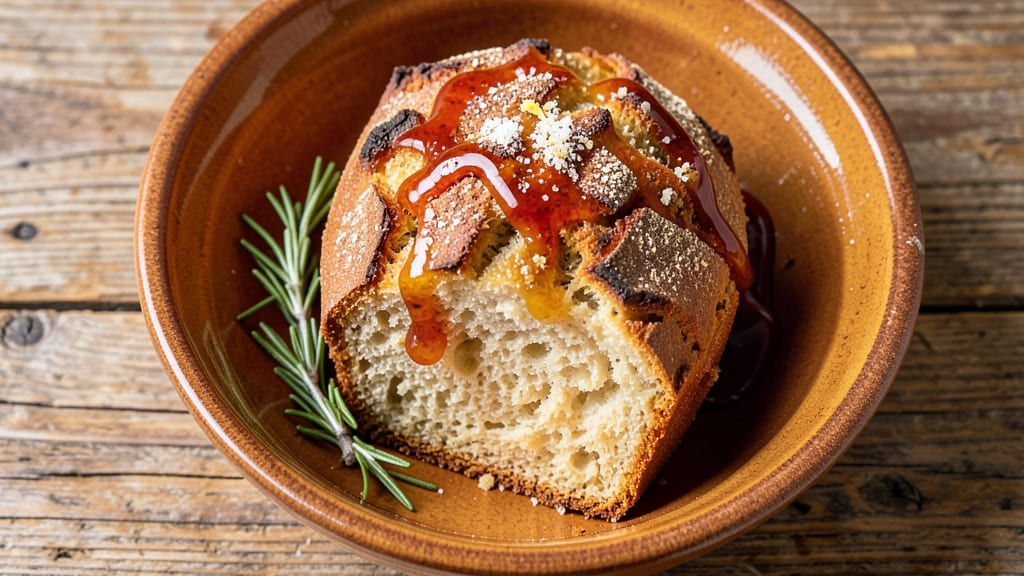
This applesauce yeast bread recipe replaces oil with unsweetened applesauce, creating a tender, moist heart that stays fresh for days. The subtle sweetness from the fruit balances warm spices like cinnamon and nutmeg, while yeast works its magic for a light, airy crumb.
I developed this version after struggling with dry bread—this method solves that problem completely.
The secret lies in the applesauce's natural moisture, which keeps the bread soft without making it dense. You'll work with a simple dough that comes together in 10 minutes, then proof and bake to golden perfection.
The aroma alone will have everyone asking what's for dinner before the first slice is even served.
What you'll end up with is a loaf that's sweet enough to enjoy with tea but not cloying, with a tender crumb and slightly crisp crust. The applesauce creates a subtle fruitiness that pairs beautifully with butter or jam.
This bread is perfect for breakfast toast, sandwiches, or simply enjoyed warm from the oven.
One batch yields about 12 slices, and the recipe scales easily for larger gatherings. The dough can be made ahead and refrigerated overnight for even better flavor development. Let's get started on this foolproof loaf that'll become your new favorite bread.
Ingredients for applesauce yeast bread
Sweet-spiced applesauce replaces butter for a tender, moist loaf that smells amazing baking.
| Ingredient | Amount | Notes |
|---|---|---|
| Unsweetened Applesauce 🍎 | ¾ cup | Unsweetened, no sugar added |
| All-Purpose Flour 🌾 | 4 cups | Spooned and leveled |
| Active Dry Yeast 🍞 | 2 ¼ tsp | One packet or 2¼ tsp |
| Granulated Sugar 🍚 | ¼ cup | For yeast activation |
| Warm Water 💧 | 1 cup | 110°F, not hot |
| Large Egg 🥚 | 1 whole | Room temperature |
| Unsalted Butter 🧈 | ¼ cup | Melted, full-fat preferred |
| Salt 🧂 | 1 tsp | Diamond Crystal preferred |
| Ground Cinnamon 🌿 | 1 tsp | Freshly ground for warmth |
| Ground Nutmeg 🌿 | ½ tsp | Freshly grated preferred |
| Vanilla Extract 🍯 | 1 tsp | Pure vanilla preferred |
| Milk 🥛 | ¼ cup | Any kind, room temperature |
The applesauce is the star here—unsweetened is key (skip the sugar-loaded kind). Trader Joe's and Whole Foods carry good options, but any plain applesauce works. The yeast needs to be active dry, not instant—it activates faster with the warm water and sugar. For the flour, King Arthur or Gold Medal brands are my go-tos (they're consistent), but any all-purpose will do. The spices? Penzeys has great cinnamon, but the grocery store stuff is fine if it's not ancient. Nutmeg should smell fresh—if it's dusty, toss it.
No applesauce? Mashed banana or pumpkin puree works in a pinch (reduce other liquids slightly). Out of vanilla? Almond extract at half the amount is a decent swap. The milk can be any kind—dairy, almond, oat—but room temperature is crucial for proper dough development. If your yeast is old (over 6 months), test it first by mixing with warm water and sugar—it should foam in 5-10 minutes. The butter? Full-fat is best for flavor, but light works if that's what you've got. For extra richness, add 1 tbsp sour cream to the dough.
This dough is forgiving—make it up to 24 hours ahead and refrigerate for deeper flavor. Shape into a loaf, place in a greased pan, and let it rise until doubled (1-2 hours). Bake at 350°F for 30-35 minutes until golden. The bread keeps well wrapped at room temp for 3 days or in the fridge for 5 days. Freeze slices for up to 3 months—toast straight from frozen. The aroma alone will have your whole house smelling like a bakery. Trust me, the first slice is worth the wait.
Why You'll Love This Recipe
- No Yeast Fuss: I mix the dough in one bowl, let it rise on the counter while I make dinner, then bake it—no fancy equipment, no stress. That applesauce keeps it moist without extra work, and honestly? The kids think it’s magic when they see how simple it is.
- Sweet Without Sugar: The applesauce does all the heavy lifting here—natural sweetness, tender crumb, and that warm cinnamon-kissed aroma when it bakes. No refined sugar crash, just pure, slow-baked comfort that tastes like a hug from your grandma (but with less effort).
- Bread for Everything: This loaf is my secret weapon for sandwiches, toast, or even French toast—it’s sturdy enough for grilled cheese but still soft enough to eat by the slice. Freeze half the batch, and you’ve got breakfast covered for weeks.
- Pantry Staple Magic: Five ingredients, all things I already have. The yeast activates in warm water, the applesauce replaces butter or oil, and the sugar? Just enough to feed the yeast, not your waistline. Budget-friendly, foolproof, and ready when I am.
Step-by-step instructions for applesauce yeast bread
Here's how to create a tender, fragrant loaf with a moist center and perfect rise.
Activate the Yeast with Warm Water and Sugar
In a small bowl, combine the 1 cup warm water (about 110°F) with the 2.25 teaspoons active dry yeast and ¼ cup granulated sugar. Let it sit for 5-10 minutes until you see lots of bubbles forming on the surface and a foamy texture. This tells you the yeast is alive and ready to work.
If you don't see bubbles after 10 minutes, your yeast might be dead—start over with fresh yeast. The warm water should feel like bathwater to your wrist, not hot enough to burn. Too hot water kills yeast instantly, while too cold water won't activate it properly.
Mix the Wet Ingredients
In a large mixing bowl, whisk together the 0.75 cup unsweetened applesauce, 1 large egg, ¼ cup melted unsalted butter, ¼ cup milk, 1 teaspoon vanilla extract, and the yeast mixture you just prepared. The applesauce adds moisture and natural sweetness while keeping the bread tender.
Stir until everything is fully combined and smooth. The mixture should look like a thick, creamy batter. If you notice any lumps in the applesauce, give it a quick whisk to break them up—this ensures even distribution throughout the dough.
Combine with Dry Ingredients
Gradually add the 4 cups all-purpose flour, 1 teaspoon salt, 1 teaspoon ground cinnamon, and ½ teaspoon ground nutmeg to the wet ingredients. Mix with a wooden spoon or dough whisk until just combined—you should still see some flour streaks. Overmixing develops gluten too early, which can make the bread dense.
Once the dough comes together, turn it out onto a lightly floured surface and knead for 5-7 minutes until smooth and elastic. The dough should feel slightly tacky but not sticky. If it's too sticky, add 1 tablespoon flour at a time until it reaches the right consistency. The applesauce makes this dough softer than traditional bread dough.
Let the Dough Rise
Place the dough in a lightly greased bowl, cover with a clean kitchen towel or plastic wrap, and let it rise in a warm place for 1-1½ hours or until it has roughly doubled in size. The warm environment helps the yeast work faster—place the bowl near a turned-off oven with the light on, or in a slightly warm spot in your kitchen.
You'll know it's ready when the dough puffs up noticeably and leaves an indentation when you press your finger gently into it. If the dough doesn't rise well, it might be too cold—try placing it near a heat source or extending the rising time by 30 minutes.
Shape, Proof, and Bake
Punch down the risen dough to release air, then shape it into a loaf by folding the edges toward the center and rolling it gently into a smooth log. Place the shaped loaf seam-side down in a greased 9x5-inch loaf pan. Cover it again and let it proof for another 30-45 minutes until it rises about 1 inch above the pan.
Preheat your oven to 350°F while the dough proofs. Bake the bread for 45-50 minutes until the top is golden brown and the internal temperature reaches 190°F. Tap the bottom of the loaf—it should sound hollow when done. Let it cool in the pan for 10 minutes, then transfer to a wire rack to cool completely before slicing.
Pro Tips For Making Applesauce Yeast Bread
- Test Yeast First: Dump that yeast packet into warm water (110°F) with a pinch of sugar—if it doesn’t bubble within 5 minutes, your bread’s going nowhere. I’ve wasted dough waiting for dead yeast to "activate," and trust me, you’ll know when it’s not working.
- Strain the Applesauce: Skip the pulp if you want a lighter loaf. Strain your unsweetened applesauce through a fine-mesh sieve before mixing—it cuts down on gummy texture and makes the dough handle easier. Yes, it’s an extra step, but your bread will rise better.
- Don’t Over-Knead: This dough’s sticky and forgiving, but the second you start punching it like a stress ball, you’ll toughen the gluten. Just mix until combined, then do a quick 2-minute stretch-and-fold in the bowl. Over-kneading turns your bread into a chewy brick.
- Proof Until Puffy: That dough’s ready when it’s just about to spill over the bowl—double its size and springy to the touch. I used to pull it too soon, and my bread collapsed like a sad soufflé. Give it 1–1.5 hours (or until it passes the poke test: press a finger in, and it should bounce back slowly).
Storing and reheating your applesauce yeast bread
Room-Temp Storage
Keep your applesauce bread at room temperature in an airtight container or wrapped tightly in plastic wrap for up to 3 days. The applesauce keeps the bread moist without needing refrigeration—just store it on your countertop.
I like using beeswax wrap for a reusable option that lets the bread breathe slightly while staying protected. 🌾
Fridge Preservation
For longer storage, refrigerate wrapped bread in an airtight container for up to 5 days. The cold slows moisture loss, but the bread may dry out faster than at room temperature.
To revive stale slices, wrap them in a damp paper towel and microwave for 10-15 seconds—the steam brings back that fresh-baked texture. 💫
Freezer Magic
Slice the bread before freezing for perfect toastability. Store individual slices in a freezer bag with parchment paper between them to prevent sticking. They’ll keep for up to 3 months—just thaw at room temperature for 10 minutes or toast straight from frozen.
For whole loaves, wrap tightly in plastic wrap then foil, and freeze for 2 months. 🧊
Reheating Secrets
For oven reheating, wrap cooled slices in aluminum foil and bake at 325°F for 8-10 minutes until warmed through. The foil traps moisture, preventing dryness.
For microwave reheating, place a slice on a plate with 1 teaspoon water, cover with a damp paper towel, and heat for 20-30 seconds—this mimics oven reheating with less effort. ✨
Reviving Stale Bread
If your bread loses moisture, the applesauce trick works again! Brush slices lightly with warm applesauce (about 1 teaspoon per slice) and toast until crispy. The natural sugars caramelize, giving you that fresh-baked flavor. For extra richness, add a thin layer of melted butter before toasting. 🔥
Nutrition facts
Frequently asked questions
Why does this recipe use applesauce instead of butter or oil?
The applesauce replaces fat while adding natural sweetness and moisture, creating a tender crumb without the richness. It keeps the bread soft for 3+ days at room temperature, unlike traditional yeast breads that dry out quickly. Plus, it adds subtle fruity notes that pair perfectly with cinnamon and nutmeg!
Can I make this bread without a loaf pan?
Shape the dough into a round or oval on a parchment-lined baking sheet. Brush with melted butter and sprinkle with coarse sugar or cinnamon sugar for extra flavor. Bake at 350°F for 30-35 minutes until golden. The texture stays just as tender—just watch for browning since there's no pan to contain the edges.
What if my dough doesn't rise properly?
Check these 3 things first: 1) Yeast freshness (test with warm water + sugar), 2) Water temperature (110°F feels like bathwater), and 3) Warm environment (place bowl near oven light or in a turned-off oven with light on). If it still doesn't rise, your yeast may be dead—start fresh with new yeast. Cold kitchens need extra time (2 hours instead of 1 hour).
How can I make this bread sweeter or more flavorful?
For extra sweetness, add 2 tablespoons brown sugar to the dough or brush warm slices with 1 teaspoon honey. For deeper flavor, swap ½ teaspoon cinnamon for ½ teaspoon pumpkin pie spice> or add 1 teaspoon lemon zest to the wet ingredients. A drizzle of melted butter with a pinch of salt after baking also elevates the taste!
Is this bread good for sandwiches or better as a sweet loaf?
This versatile bread works for both! The subtle sweetness makes it perfect for breakfast toast with jam or butter, but the mild flavor also holds up well in sandwiches (try it with ham and Swiss). For a sweeter version, add ¼ cup raisins or chopped dates to the dough. The texture stays soft enough for either use without being overly sweet.