
Breakfast & Brunch
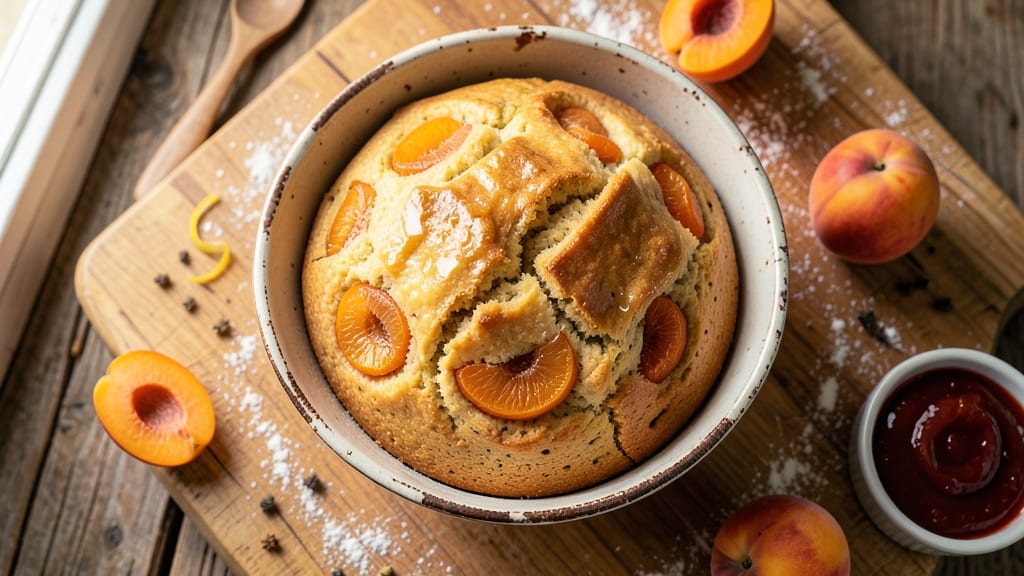
This apricot quick bread recipe delivers a tender, buttery loaf with bursts of sweet-tart fruit in every bite—perfect for breakfast or an afternoon treat. The secret lies in a simple mix of pantry staples that creates a moist crumb while the apricot swirl adds natural sweetness without overpowering.
I've baked this recipe dozens of times, and it never fails to disappear from the table. What sets this quick bread apart is its foolproof method: no yeast, no kneading, just a few minutes of mixing followed by 30 minutes in the oven.
The apricots caramelize slightly during baking, creating pockets of jammy goodness that contrast beautifully with the soft, buttery bread. The recipe also includes a simple glaze that adds shine and extra sweetness without being overly sugary.
By the time it emerges from the oven, you'll have a loaf with a golden-brown crust, a tender interior, and those irresistible apricot swirls throughout.
It's the kind of bread that pairs perfectly with coffee in the morning or tea in the afternoon, and it keeps well for days, making it ideal for meal prep.
Serve warm with a pat of butter or a smear of cream cheese, or enjoy it at room temperature with a cup of your favorite beverage. Here's how to make it!
Ingredients for apricot quick bread
Pantry staples plus a few fruit swirls—this quick bread comes together in minutes.
| Ingredient | Amount | Notes |
|---|---|---|
| All-Purpose Flour 🌾 | 2 ½ cups | Sifted for best texture |
| Granulated Sugar 🍚 | 1 ½ cups | White or light brown |
| Unsalted Butter 🧈 | 1 cup | Cold, cubed for easier mixing |
| Sour Cream 🥛 | ½ cup | Full-fat for moisture |
| Large Eggs 🥚 | 2 whole | Room temperature |
| Vanilla Extract 🌸 | 2 tsp | Pure vanilla preferred |
| Baking Powder 🧂 | 2 tsp | Diamond Crystal preferred |
| Salt 🧂 | ½ tsp | Fine sea salt |
| Dried Apricots 🍑 | 1 ½ cups | Chopped, unsweetened |
| Apricot Preserves 🍯 | ½ cup | Chopped, for swirl |
| Powdered Sugar 🍚 | ½ cup | For glaze |
| Milk 🥛 | ¼ cup | Whole milk preferred |
| Lemon Zest 🍋 | 1 tbsp | Fresh lemon preferred |
The flour and butter are your foundation here. King Arthur flour or Bob's Red Mill make all the difference for that tender crumb. Unsalted butter gives you control over the saltiness—trust me, you don't want that pre-salted stuff. For the apricots, Trader Joe's unsweetened dried apricots are my go-to since they're cheaper than the organic brands and just as good. If you're using store-bought preserves for the swirl, grab the ones without added pectin—they're easier to chop and mix. The sour cream keeps this bread moist for days, so don't skip it (trust me, it's worth the extra minute to let it sit out).
No sour cream? Plain Greek yogurt works perfectly—just measure it out after draining excess water. Running short on dried apricots? Fresh apricots, chopped and dried in the oven at 200°F for 2 hours give you that same chewy texture. The preserves can be any fruit jam you like—peach or plum work beautifully. Want extra richness? Add 1 tbsp melted butter to the glaze. The lemon zest is optional but adds a bright pop of flavor that cuts through the sweetness. If you're feeling fancy, zest an organic lemon—conventional ones can be waxy.
This bread keeps beautifully for 4-5 days in an airtight container at room temperature. For longer storage, wrap tightly in plastic and freeze for up to 3 months. I always make a double batch—one loaf for the table, one for freezing. The glaze can be made ahead and stored in the fridge for 1 week, just whisk with a splash of milk to thin before using. Reheat slices in the toaster for that fresh-baked taste any time.
Why You'll Love This Recipe
- No Mixer Needed: I swear by this recipe when I’m too tired to crank up the stand mixer—just a bowl and a wooden spoon. The sour cream keeps it tender without overworking, and the butter cuts through the dryness of the flour like magic.
- Sunshine in Every Slice: That caramelized apricot jam swirled through the crumb? Pure joy. The sugar in the bread caramelizes just enough to make each bite taste like a hug from summer, even when it’s raining outside.
- Breakfast or Snack, No Judgment: I’ve served this warm with butter for breakfast, sliced for lunch with yogurt, and even as a dessert with ice cream. The balance of sweet and buttery richness makes it work at any time—no one will question why it’s on the table.
- Stays Fresh (and Cheap): A loaf lasts me five days if I’m smart, and the leftovers? Perfect for quick toast or French toast. Honestly, the cost adds up to pennies per serving, and I’ve never once regretted baking a second batch.
Step-by-step instructions for apricot quick bread
Here's how to make this tender, fruit-filled loaf with minimal fuss.
Mix the Dry Ingredients
In a medium bowl, whisk together the 2.5 cups all-purpose flour, 2 teaspoons baking powder, and 0.5 teaspoon salt. Sift the flour mixture directly into a large mixing bowl to aerate it - this prevents dense pockets in your bread. I like to give it a quick stir with a fork to break up any lumps before moving to the next step.
The reason we sift first is that baking powder needs to be evenly distributed throughout the flour. If you add it later, you risk ending up with pockets of undissolved baking powder that won't help your bread rise properly. This is especially important for quick breads where we're not using yeast.
Cream Butter and Sugar
In a separate large bowl, combine the 1 cup cold cubed unsalted butter and 1.5 cups granulated sugar. Beat with an electric mixer on medium speed for 3-4 minutes until light and fluffy. You're looking for a texture that nearly doubles in volume and leaves a ribbon trail when you lift the beaters.
Cold butter creates tiny air pockets that help make this bread extra tender. If your butter starts to look melted or greasy before reaching this stage, your mixer might be running too hot. Let it cool slightly before continuing. This step is what gives quick breads their signature moist crumb - don't rush it.
Add Wet Ingredients
Add the 2 whole large eggs, 0.5 cup sour cream, 0.25 cup milk, 2 teaspoons vanilla extract, and 1 tablespoon lemon zest to the butter mixture. Beat on medium speed for 2 minutes until fully combined and smooth. The batter should look thick and creamy, like soft cookie dough.
Here's where the sour cream comes into play - it adds moisture and tenderness that regular milk can't match. The lemon zest brightens up the apricot flavor beautifully, and the eggs help bind everything together. If your batter looks too thick at this point, don't worry - it will come together when we add the dry ingredients.
Combine and Fold in Fruit
Gradually add the dry ingredient mixture to the wet ingredients in 3 additions, mixing on low speed just until combined after each addition. Don't overmix - you should still see some flour streaks. In a separate bowl, chop the 1.5 cups dried apricots into small pieces and mix them with the 0.5 cup chopped apricot preserves. Gently fold this fruit mixture into the batter until evenly distributed.
Real talk: the fruit distribution matters. You want those sweet-tart apricot pieces throughout every bite, not just concentrated in one area. I like to use a silicone spatula for this step to avoid overmixing. If your batter seems too sticky to handle, wet your hands slightly before shaping the loaf.
Bake to Golden Perfection
Transfer the batter to a greased 9x5-inch loaf pan and smooth the top. Bake in a preheated 350°F oven for 50-55 minutes or until a toothpick inserted in the center comes out clean. The bread is done when the top is golden brown and springs back slightly when pressed gently in the center.
Don't open the oven door during the first 30 minutes - this prevents the bread from sinking in the middle. If the top browns too quickly, tent loosely with aluminum foil. Once baked, let the bread cool in the pan for 10 minutes before transferring to a wire rack. This resting period helps the bread set properly before slicing.
Pro Tips For Making Apricot Quick Bread
- MEASURE FLOUR RIGHT: Use the spoon-and-level method—don’t scoop directly from the bag. Packed flour makes dense bread, and this recipe relies on a tender crumb. I learned this the hard way when my first batch turned out like a brick.
- SOFTEN BUTTER FIRST: Take the butter out of the fridge 30 minutes before mixing—just enough to soften, not melt. Cold butter creates pockets for the sour cream and eggs, while melted butter makes the texture greasy. (Yes, even if you’re impatient like me.)
- DON’T OVERMIX: Stop mixing the batter as soon as the flour disappears—overworking it develops gluten and turns your quick bread into a tough loaf. Two minutes max after adding flour, then fold in apricots gently. Trust me, your future self will thank you.
- BAKE UNTIL GOLDEN: Check for doneness at 325°F (163°C) with a toothpick—it should come out clean, but the top should still be slightly sticky. If it’s dry too soon, tent with foil to prevent cracking. Sounds weird, but it works.
Troubleshooting perfect results
Dense or Gummy Texture
If your quick bread turns out dense or gummy, overmixing is usually the culprit. I’ve found that mixing the wet and dry ingredients just until combined—leaving some flour streaks—prevents gluten development.
Also, ensure your butter is cold but not frozen when creaming. If the batter seems too thick, add 1-2 tablespoons milk gradually until it reaches a smooth, pourable consistency. 🌾
Cakey Instead of Bread-Like
A cakey texture often happens when too much sugar is used or the baking powder is overworked. Stick to the 1.5 cups granulated sugar measurement and sift the baking powder thoroughly. If your bread still turns out cakey, try reducing the sugar by 2 tablespoons next time.
Also, avoid pressing down on the batter when transferring it to the pan—this compacts the crumb.
Apricots Sink to the Bottom
Fruit sinking is a common issue, but folding the apricots gently and distributing them evenly solves it. I like to mix the chopped apricots with the preserves first, then fold them in last.
For extra lift, whisk the egg whites separately until soft peaks form, then gently fold them into the batter just before baking. This adds airiness that keeps the fruit suspended.
Top Burns Before Center Cooks
If the top browns too quickly, your oven runs hot or the bread needs a tent. Preheat your oven for 10-15 minutes before baking to ensure even heat. Tent the loaf loosely with aluminum foil after 30 minutes if the top darkens prematurely.
For even cooking, place a baking sheet on the lower rack to reflect heat upward. Always check doneness with a toothpick—it should come out clean or with a few moist crumbs.
Bread Sticks to the Pan
Grease your 9x5-inch loaf pan thoroughly with butter or baking spray, then dust with flour. For extra insurance, I line the pan with parchment paper cut to fit the bottom. If the bread still sticks, your pan might be too dark.
Try baking on the middle rack instead of the top, where heat is more intense. Let the bread cool in the pan for 10 minutes before removing to avoid tearing the crumb.
Glaze Doesn’t Set Properly
A runny glaze usually means too much milk or insufficient powdered sugar. Start with 0.5 cup powdered sugar and 1-2 tablespoons milk, adjusting to a thick but pourable consistency. Brush the glaze on immediately after baking while the bread is still warm.
For a firmer glaze, chill the bread for 15 minutes before applying. If it still doesn’t set, add 1 teaspoon cornstarch to the powdered sugar mixture to thicken it.
Nutrition facts
Frequently asked questions
Can I substitute dried apricots with fresh ones in this recipe?
Fresh apricots work but require extra prep! Chop 2 cups of fresh apricots (peeled and pitted) and mix with 2 tablespoons lemon juice to prevent browning. They'll add more moisture, so reduce milk by 2 tablespoons to balance the batter. Fresh apricots also caramelize beautifully during baking, creating a jammy texture.
Why does my apricot bread turn out dry after a few days?
Quick breads like this stay moist for 4-5 days when stored properly in an airtight container. The sour cream helps preserve moisture, but if your bread dries out faster, it might be from improper storage. Wrap slices in plastic wrap or store in a bread box with a slice of apple or lemon to retain freshness longer.
Can I make this gluten-free or dairy-free?
For gluten-free, swap the flour for a 1:1 gluten-free baking blend (like Bob's Red Mill) and add 1 teaspoon xanthan gum. For dairy-free, use vegan butter and coconut yogurt instead of sour cream. The texture will be slightly different but still delicious—just expect a denser crumb without dairy.
How can I make this bread more flavorful?
Boost the flavor with 1 teaspoon cinnamon or ½ teaspoon cardamom in the dry ingredients, or add 1 tablespoon orange zest to the wet mix. For extra richness, fold in ½ cup chopped walnuts or pecans with the apricots. A sprinkle of coarse sugar on top before baking also adds crunch and caramelization.
Can I use this recipe for muffins instead of a loaf?
Yes! Divide the batter into 12 greased muffin cups (fill ⅔ full) and bake at 375°F for 18-20 minutes. The muffins will be slightly denser but perfect for breakfast. For extra height, whisk 1 teaspoon baking powder into the dry ingredients. Serve warm with a dollop of whipped cream or extra glaze.