
Side Dishes
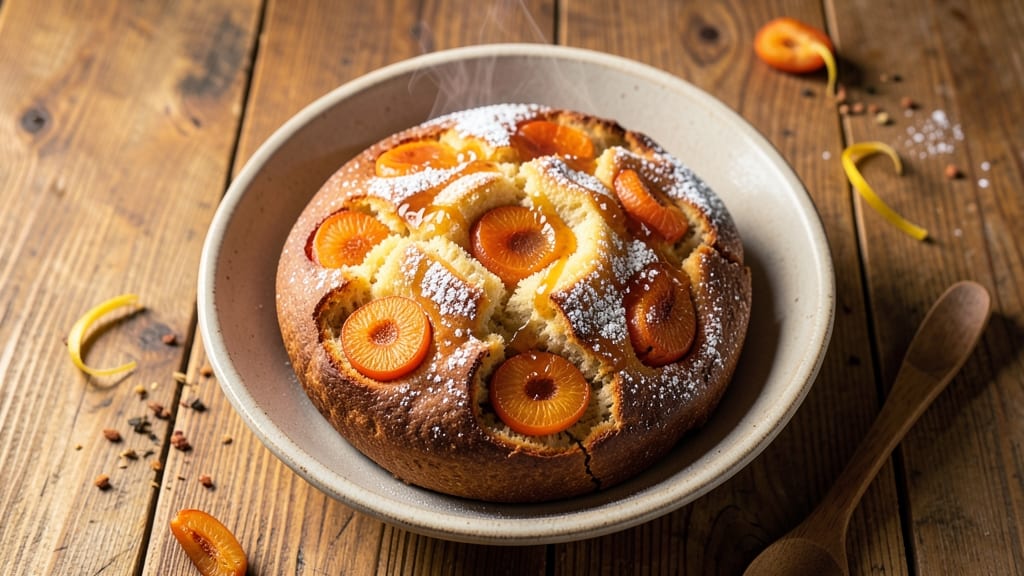
This apricot yeast bread recipe transforms a simple loaf into a fragrant, golden masterpiece with pockets of jammy sweetness in every bite. The secret lies in folding apricot preserves directly into the dough—no extra shaping or fuss—while letting the yeast work its magic for a tender, airy crumb. I perfected this version after years of baking, balancing the natural sweetness of the fruit with just enough yeast development to keep the texture light yet substantial.
The dough comes together with basic pantry staples—flour, yeast, sugar, and milk—but it’s the apricot that elevates it from ordinary to extraordinary. The fruit’s caramelized notes mingle with the bread’s crusty exterior, creating a contrast that makes each slice irresistible.
Unlike store-bought loaves, this recipe delivers a homemade aroma that fills your kitchen and a texture that’s both satisfying and elegant.
What you’ll end up with is a loaf that’s crisp on the outside, tender within, and studded with sweet apricot swirls that melt into the dough. The crust achieves that perfect golden-brown hue, while the interior remains soft enough to hold onto every last bit of jammy goodness.
This bread isn’t just a side—it’s a showstopper that pairs beautifully with butter, cheese, or even as a standalone treat.
Whether you’re baking for a brunch spread or simply craving something sweet and comforting, this recipe delivers restaurant-quality results in just a few hours. The best part? You’ll have leftovers to enjoy the next day, when the flavors deepen even more. Let’s get started on creating your perfect apricot-infused loaf.
Ingredients for apricot yeast bread
Basic pantry staples meet apricot magic for a bread that tastes like sunshine in every bite.
| Ingredient | Amount | Notes |
|---|---|---|
| All-Purpose Flour 🌾 | 4 cups | Sifted for best texture |
| Active Dry Yeast 🍞 | 2 ¼ tsp | Freshly opened for best rise |
| Granulated Sugar 🍚 | ¼ cup | White or light brown |
| Unsalted Butter 🧈 | ½ cup | Cold, cubed for dough |
| Whole Milk 🥛 | ¾ cup | Room temperature preferred |
| Large Egg 🥚 | 1 whole | Room temperature for mixing |
| Apricot Preserves 🍑 | ½ cup | No added sugar preferred |
| Salt 🧂 | 1 tsp | Kosher or sea salt |
| Cornmeal 🌽 | ¼ cup | For dusting loaf pan |
| Coarse Sugar 🍚 | 2 tbsp | For bread topping |
| Water 💧 | ¼ cup | For yeast activation |
| Honey 🍯 | 1 tbsp | Optional for yeast activation |
The apricot preserves are the star here—look for brands like Bonne Maman or Welch’s for that perfect jammy-sweet balance. No-sugar-added preserves work too, but I find the slightly sweetened ones help balance the yeast's tang. If you're worried about the fruit being too watery, drain it for 5 minutes before using. The yeast? Always check the expiration date—old yeast won't rise properly. And trust me, room-temperature milk makes a world of difference in how the dough comes together. If your milk is cold, let it sit out for 10 minutes first.
No apricot preserves? Peach or plum jam works in a pinch—just reduce the sugar by 1 tbsp. Out of yeast? Instant yeast works 1:1, but active dry needs that 5-minute activation in warm water. The butter must be cold—softened but not melted—or your dough will get too sticky. For a richer flavor, swap the milk for whole milk with 1 tbsp melted butter mixed in. And if you're feeling fancy, add 1 tsp vanilla extract to the dough for extra depth. The cornmeal is non-negotiable for that perfect crust—don't skip it!
This dough is a little sticky, so wet your hands when handling it. Store any unused preserves in the fridge for up to 3 months, and the yeast in the freezer for 6 months if you want to extend its life. The finished loaf keeps well at room temperature for 2 days, wrapped in a clean towel. For longer storage, freeze slices between parchment paper—they'll stay fresh for 3 months. Pro tip: Toast slices the next day for extra crunch!
Why You'll Love This Recipe
- No-Knead Magic: I swear by this dough—just mix, let it rise, and boom. No stand mixer, no arm workout, just warm milk and a little patience. The yeast does all the heavy lifting while I sip coffee and scroll.
- Sweet Butter Luxury: That unsalted butter folded into the dough? It turns this bread into something ridiculously tender. The apricots add a jammy sweetness that pairs perfectly with the buttery crumb—like dessert sneaking into breakfast.
- Breakfast to Brunch: Serve it toasted with jam for lazy mornings, sliced for charcuterie boards, or even as a side for roasted chicken. The milk-rich dough stays fresh for days, so it’s my go-to for feeding the family without stress.
- Budget-Friendly Staple: Flour, yeast, and butter are pantry basics, and a single batch stretches into sandwiches, French toast, or even breadcrumbs. Honestly, I make this at least twice a month—it’s that foolproof and filling.
Step-by-step instructions for apricot yeast bread with sweet swirls
Here's how to create a golden, crusty loaf with tender crumb and fruity apricot swirls that'll impress everyone.
Activate the Yeast for Maximum Rise
In a small bowl, combine the 0.25 cup water, 1 tbsp honey, and 2.25 tsp active dry yeast. Let it sit for 5-10 minutes until it becomes frothy and bubbly. This tells you the yeast is alive and ready to work its magic—if it doesn't bubble, your bread won't rise properly.
While waiting, I like to bring the 0.75 cup whole milk to room temperature by placing it in a warm spot for 5-10 minutes. Room-temperature milk mixes better with the yeast and butter, creating a smoother dough. The yeast mixture should look like a foamy beer when ready—this is your green light to move forward.
Mix the Dough and Incorporate Apricot Swirls
In a large mixing bowl, combine the 4 cups all-purpose flour, 0.25 cup granulated sugar, and 1 tsp salt. Whisk to blend evenly, creating a well for the wet ingredients. Add the 0.5 cup unsalted butter, cut into cubes, and rub it between your fingers to distribute it throughout the flour.
Make a well in the center and add the yeast mixture, 1 whole large egg, and 0.75 cup whole milk. Mix with a wooden spoon until a shaggy dough forms. Then, add the 0.5 cup apricot preserves to the dough and gently knead in just enough to create soft streaks. This preserves the fruit's sweetness while keeping it visible in the final loaf.
Knead Until Smooth and Elastic
Turn the dough onto a lightly floured surface and knead for 8-10 minutes until it becomes smooth and elastic. You'll know it's ready when it springs back slowly when poked. I like to work in stages—knead for 2 minutes, then rest for 30 seconds, repeating until fully developed.
During kneading, the gluten develops, giving the bread its structure. If the dough feels sticky, add 1 tablespoon of flour at a time until it's manageable. Once kneaded, place the dough in a lightly greased bowl, cover it with a damp towel, and let it rise in a warm place for 1-2 hours or until doubled in size.
Shape and Rise for Perfect Texture
Punch down the risen dough to release any air bubbles, then shape it into a log. Place it seam-side down in a 9x5-inch loaf pan that's been lightly coated with 0.25 cup cornmeal. This coating prevents sticking and adds a subtle crunch to the crust.
Let the dough rise again for 30-45 minutes until it's puffy and just about overflowing the pan. Preheat your oven to 375°F while the dough rises—this ensures it goes straight into a hot oven for even baking. Sprinkle the 2 tbsp coarse sugar evenly over the top for that beautiful caramelized crust.
Bake to Golden Perfection
Bake the bread for 35-40 minutes until the top is golden brown and the internal temperature reaches 190°F. Tap the bottom—it should sound hollow. If the top browns too quickly, tent the bread with foil to prevent over-browning while it finishes baking.
Remove the bread from the pan immediately and let it cool on a wire rack for 10 minutes before slicing. This resting period allows the crumb to set, preventing a gummy texture. The aroma of freshly baked bread with apricot swirls will fill your kitchen—worth every minute of waiting!
Pro Tips For Making Apricot Yeast Bread
- Warm the Milk First: I learned this the hard way—cold milk kills yeast faster than you’d think. Heat the whole milk to about 110°F (just warm to the touch) before mixing it with yeast and sugar, or your dough will take forever to rise, if it rises at all. (Yes, even if you’re impatient like me.)
- Cut Butter into Flour Like a Pastry Chef: Cold, cubed butter mixed into flour with a pastry cutter or your fingers creates pockets that make this bread actually tender. If you melt the butter first, you’ll end up with a dense, cakey loaf—no one wants that. Work fast but don’t overmix; the dough should clump but still hold together.
- Don’t Overproof the Dough: This bread is delicate. Once the dough doubles in size (about 1–1.5 hours at room temp), stop checking it. Overproofing turns your soft, fruity bread into a sad, flat pancake. If you’re in a rush, pop it in the fridge for 30 minutes to slow the rise—just don’t let it sit too long.
- Use Pitted, Chopped Apricots: Whole apricots sink to the bottom and burn. Pit, chop, and fold them into the dough last so they distribute evenly and stay soft. If you’re short on time, buy dried apricots and soak them in warm water for 10 minutes first—they’ll plump up and taste fresher. (Your future self will thank you.)
Wine and beer pairings for this apricot yeast bread
Sweet Wine Pairings
This apricot-infused bread pairs beautifully with Moscato d'Asti—its light, fruity notes complement the apricot's natural sweetness without overpowering. The wine's crisp acidity cuts through the bread's richness, balancing every bite.
I always keep a bottle chilled in my fridge for this recipe—it's the perfect match for brunch or afternoon tea. 🍷
For a slightly bolder option, try Gewürztraminer from Alsace. This aromatic white wine brings floral and lychee notes that harmonize with the apricot's jammy depth. Serve it slightly chilled to enhance its refreshing qualities. The wine's natural sweetness mirrors the bread's fruitiness, creating a seamless pairing.
Crisp Beer Matches
A Belgian Witbier like Hoegaarden is my go-to beer pairing—its coriander and citrus notes provide a refreshing contrast to the bread's sweetness. The effervescence cleanses the palate between bites, making each slice taste even more vibrant. I recommend serving it ice-cold to highlight its crisp, refreshing profile. 🍺
For beer lovers who prefer something lighter, a Pilsner like Stella Artois works wonderfully. Its clean, crisp flavor balances the bread's sweetness without competing. The carbonation also helps cut through the richness, making it a great choice for those who want a lighter beverage option.
Unexpected Pairings
If you're serving this bread with cheese, consider pairing it with Brie or Camembert. The creamy, buttery flavors of the cheese complement the bread's crusty exterior and sweet apricot swirls. The contrast between the soft cheese and the bread's texture is simply delightful. 🧀
For a non-alcoholic option, try sparkling apple cider—its slight tartness enhances the apricot's natural sweetness. The bubbles also help cleanse the palate, making each bite of bread taste fresh and vibrant. It's a fantastic choice for a family gathering or a casual get-together.
Nutrition facts
Frequently asked questions
Can I substitute apricot preserves with other fruit?
Peach or plum jam works beautifully—just reduce the granulated sugar by 1 tablespoon since fruit jams often contain added sugar. For a more intense flavor, try raspberry or blackberry jam, but expect a deeper color in your bread. Avoid watery fruits like strawberries, as they can make the dough too sticky. The key is choosing a fruit with similar sweetness and thickness to apricot preserves.
Why did my bread not rise properly?
This usually happens when the yeast is old, the water is too hot (above 110°F), or the dough wasn't given enough time to proof. First, always check your yeast's expiration date—old yeast won't activate. Second, make sure your water is warm (105-110°F) but not hot. Finally, give the dough 1-2 hours to rise in a warm spot (like near the oven with the light on). If it still doesn't rise, your yeast might be dead—start fresh!
How do I make this into rolls instead of a loaf?
Divide the dough into 8 equal pieces after the first rise, then shape each into a ball. Place them in a greased 9-inch round pan or muffin tin, leaving 1 inch between rolls. Let them rise for 30-45 minutes, then bake at 375°F for 18-20 minutes until golden. Brush with a little apricot glaze (mix 2 tbsp preserves with 1 tsp water) after baking for extra shine.
Can I make this bread without butter?
Yes! Replace the 0.5 cup butter with 0.5 cup neutral oil (like vegetable or canola) or 0.5 cup Greek yogurt for richness. If using oil, the dough will be slightly softer, so you may need to add 1 tbsp extra flour when kneading. For a dairy-free option, use unsweetened almond milk instead of whole milk and vegan butter if available. The texture will be slightly denser but still delicious!
How long does this bread keep, and can I freeze it?
Store the bread at room temperature for 2-3 days wrapped in a clean kitchen towel to maintain freshness. For longer storage, freeze individual slices between parchment paper for up to 3 months. To reheat, wrap frozen slices in foil and warm in a 350°F oven for 5-7 minutes until toasty. The crust will crisp up beautifully—perfect for quick breakfasts!