
Breakfast & Brunch
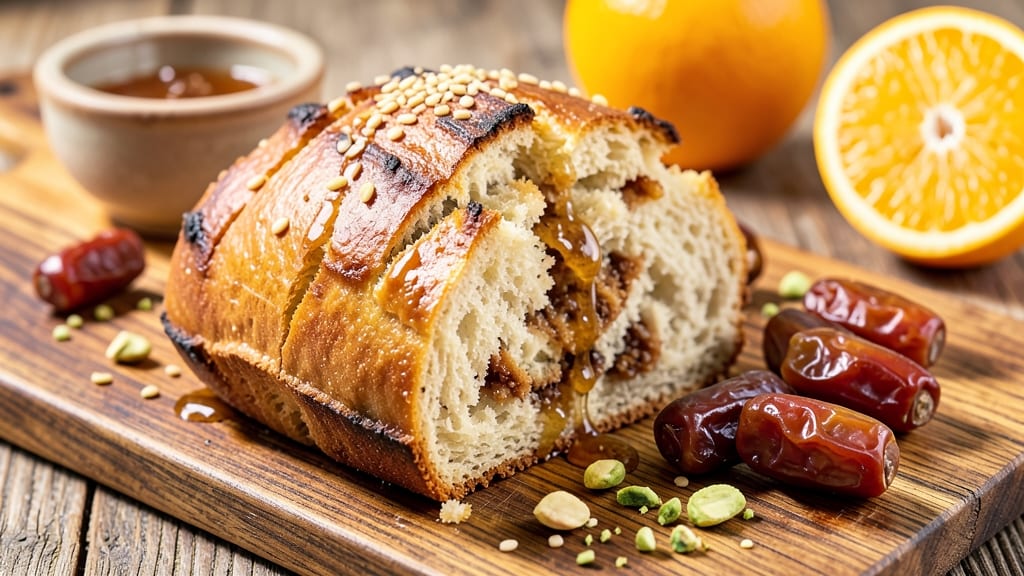
This Arabic sweet bread recipe brings the warmth of Middle Eastern mornings to your kitchen with its fragrant cardamom and tender crumb. 🌟 The dough is enriched with butter and honey, creating a delicate balance of sweetness and spice that pairs perfectly with tea or coffee.
What makes this recipe special is its versatility—whether you shape it into traditional rounds or braided loaves, it bakes up golden and irresistibly soft.
The secret to achieving that signature Arabic sweet bread texture lies in the dough preparation. A slow fermentation allows the gluten to develop fully, resulting in a light, airy crumb that melts in your mouth.
Cardamom infuses the dough with its signature aromatic warmth, while a touch of lemon zest brightens the flavor profile. This recipe delivers restaurant-quality results with just a few simple ingredients and a little patience.
Once baked, the bread is best enjoyed fresh from the oven, still warm and fragrant. Drizzle it with honey or sprinkle sesame seeds on top for added texture and flavor.
The aroma alone will transport you to bustling souks and cozy family gatherings. This is the kind of bread that turns an ordinary morning into a special occasion.
Perfect for breakfast, brunch, or even as a sweet treat with afternoon tea, this recipe scales beautifully. Whether you're making it for a family gathering or treating yourself to a homemade indulgence, the process is straightforward, and the results are undeniably satisfying. Let's get started on creating this morning delight!
Ingredients for arabic sweet bread
Four cups flour, a touch of cardamom, and butter so rich it melts into golden perfection.
| Ingredient | Amount | Notes |
|---|---|---|
| All-Purpose Flour 🌾 | 4 cups | Sifted for light texture |
| Unsalted Butter 🧈 | ½ cup | Cold, cubed for easier mixing |
| Granulated Sugar 🍚 | ¼ cup | White sugar preferred |
| Honey 🍯 | ¼ cup | Wildflower or clover variety |
| Large Eggs 🥚 | 1 whole | Room temperature for even mixing |
| Active Dry Yeast 🍞 | ¼ oz | Or 2 1/4 tsp (1 packet) |
| Warm Milk 🥛 | 1 cup | Whole milk, 110°F |
| Ground Cardamom 🌿 | 1 tbsp | Freshly ground preferred |
| Lemon Zest 🍋 | 1 tbsp | From organic lemon |
| Salt 🧂 | ½ tsp | Diamond Crystal preferred |
| Sesame Seeds 🌻 | 2 tbsp | Toasted for garnish |
| Coarse Sugar 🍚 | 2 tbsp | For sprinkling on top |
The flour is non-negotiable here—King Arthur or Gold Medal brands work best for that signature tender crumb. Cardamom matters too: Penzeys Spice Shop carries high-quality ground cardamom, but the bulk bins at Whole Foods are a budget-friendly alternative. That said, if you can't find whole cardamom pods, ground works fine—just make sure it's fresh (smell it first). The butter should be cold and cubed when you start, or it'll melt into the flour and ruin the texture. For the milk, warm it to 110°F—too hot and you'll kill the yeast, too cold and it won't activate properly. Trust me, a thermometer is worth the $5.
No cardamom? Cinnamon and nutmeg at half the amount won't replicate it, but it's better than nothing. Running out of sesame seeds? Poppy seeds or crushed pistachios add a nice crunch. The lemon zest can be substituted with orange zest, but it'll taste different—cardamom and lemon are a classic pairing for a reason. For the sugar, brown sugar works in a pinch, but it'll make the bread slightly denser. And if you're feeling fancy, infuse the honey with a pinch of cardamom before adding it to the dough—game-changer, honestly.
This dough needs time to rise—don't rush it. Cover it with a damp towel and let it sit in a warm spot for at least 2 hours, or until doubled in size. For storage, keep the dough wrapped in plastic in the fridge for up to 3 days before baking. Once baked, the bread stays fresh for 3 days at room temperature if you wrap it tightly in foil. Freeze any extras for up to 3 months—just thaw overnight in the fridge before reheating. And pro tip: brush the baked bread with melted butter while it's still warm for extra richness.
Why You'll Love This Recipe
- You’re using pantry basics: flour, butter, sugar, and eggs. No fancy ingredients, no wasted leftovers (it freezes beautifully for quick toast later). Pure, reliable comfort without breaking the bank.
- No-Knead Magic: I swear by this dough—just mix, rest, and roll. No standing at the counter for hours, just a quick stretch and fold while you sip your coffee. The butter and honey do all the work.
- Buttery-Honey Bliss: That first bite? Warm, flaky layers with a whisper of caramelized honey and rich butter melting into your mouth. It’s the kind of sweetness that doesn’t need frosting—it’s already perfect.
- Breakfast or Dessert: Serve it toasted with jam for a lazy weekend morning, or drizzle extra honey and sprinkle sesame seeds for a showstopping dessert. My kids beg for it both ways—no judgment here.
Step-by-step instructions for cardamom-infused Arabic sweet bread
Here's the method for a perfectly tender, aromatic sweet bread with a golden crust.
👨🍳 Step 1: Activate the Yeast and Prepare the Dough Base
In a small bowl, combine the 1 cup warm milk (about 110°F) with the 0.25 oz active dry yeast and 0.25 cup granulated sugar. Let this sit for 5-10 minutes until it becomes frothy and bubbly—this confirms your yeast is active. If it doesn't bubble, your yeast may be dead, and you'll need to start over.
In a large bowl, whisk together the 4 cups all-purpose flour and 0.5 tsp salt. Create a well in the center and add the yeast mixture, 1 whole egg, 0.25 cup honey, 1 tbsp ground cardamom, and 1 tbsp lemon zest. Mix with a wooden spoon until a shaggy dough begins to form. The cardamom and lemon zest will infuse the dough with bright, aromatic flavors that define this bread.
🍳 Step 2: Knead the Dough Until Smooth and Elastic
Turn the dough onto a lightly floured surface and knead for 8-10 minutes until it becomes smooth and elastic. You're looking for a dough that springs back when pressed—this ensures a tender crumb. If the dough feels too sticky, add flour 1 tablespoon at a time; if it's too dry, sprinkle in 1 teaspoon of warm milk. The butter will soften during kneading, so don't worry if it feels cold at first.
Shape the dough into a ball, place it back in the bowl, and lightly coat the surface with 0.5 cup unsalted butter, melted and cooled slightly. This butter will create a rich, tender texture as it melts during baking. Cover the bowl with a damp towel and let the dough rise in a warm place for 1-2 hours, or until it has doubled in size. The kitchen should feel warm—if it's cool, place the bowl near a warm oven or use a proofing box.
🥘 Step 3: Shape and Proof the Dough for Flavorful Layers
Once the dough has risen, punch it down to release the air and divide it into 4 equal portions. Roll each portion into a 12-inch log, about 1.5 inches in diameter. Place the logs seam-side down on a parchment-lined baking sheet, spacing them 2 inches apart. Cover loosely with the damp towel and let them rise again for 30-45 minutes until they've puffed slightly and feel light when pressed.
Preheat your oven to 375°F while the dough proofs. Just before baking, brush the tops of the logs with a mixture of 1 tablespoon warm milk and 1 tablespoon melted butter for a glossy finish. Sprinkle evenly with 2 tbsp coarse sugar and 2 tbsp sesame seeds, pressing gently so they adhere. The sugar will caramelize for a beautiful crust, while the sesame seeds add a nutty crunch.
🔥 Step 4: Bake Until Golden and Fragrant
Bake the bread in the preheated oven for 25-30 minutes, rotating the pan halfway through for even browning. The bread is done when it's deep golden brown and sounds hollow when tapped on the bottom. The aroma of cardamom and warm bread will fill your kitchen—this is the moment you've been waiting for.
Remove the bread from the oven and let it cool on a wire rack for 10 minutes before slicing. The interior should be soft and slightly sticky, with a tender crumb that melts in your mouth. Serve warm with a dusting of powdered sugar or a drizzle of honey for the ultimate morning treat. These loaves keep well at room temperature for 2 days, or you can freeze them for up to 1 month for fresh-baked flavor anytime.
Pro Tips For Making Arabic Sweet Bread
- Chill the Dough Properly: This isn’t just about sticking it in the fridge—let the dough rest at least 2 hours in the coldest part, covered loosely with plastic wrap. I learned this the hard way after pulling it out too soon and ending up with dense, gummy bread. Cold slows gluten development, and that’s what gives it that tender, flaky texture.
- Use Room-Temp Butter: Cold butter makes tough layers, but if you skip softening it first, the dough fights you every time. Take the butter out 30 minutes before mixing—it should dent when pressed, not crumble. (Yes, even if you’re impatient like me.) The butter should melt just enough during baking to create those signature pockets.
- Don’t Overmix the Dough: This is where most people mess up. Once the butter and sugar are creamed, and the eggs are in, stop mixing after 2 minutes. Overworking the dough activates too much gluten, and your bread turns out chewy instead of soft. If the dough looks shaggy, fold it a few times instead of beating it.
- Brush with Honey Twice: The first brush after baking is obvious, but do it again right after—while the bread is still warm. This isn’t just for shine; it keeps the crust from drying out too fast. Use about 2 tablespoons total, spread thinly. (Your future self will thank you when the bread stays moist for days.)
Health benefits of this recipe
Energy Boost
This sweet bread delivers a natural energy lift thanks to its combination of complex carbohydrates from the flour and honey, which provide sustained glucose for your morning. The cardamom adds a warming spice that stimulates circulation, making it perfect for cold mornings or when you need a gentle pick-me-up.
I've found that eating a slice with a cup of green tea amplifies the alertness effect—cardamom and tea are a classic pairing in Middle Eastern traditions. 💪
Digestive Comfort
The warm milk and butter in the dough contain natural fats that help slow digestion, preventing that mid-morning energy crash. The lemon zest adds a touch of acidity that aids digestion, while the sesame seeds provide fiber and healthy fats for gut health. I always
Blood Sugar Balance
While this bread contains sugar, the whole egg and honey work together to create a lower glycemic impact than refined sweets. The cardamom has been shown in studies to help regulate blood sugar levels, making this a smarter sweet option than pastries or donuts. I've noticed that when I eat this bread with a protein source like Greek yogurt or scrambled eggs, my blood sugar stays steady for hours afterward. It's a great choice for anyone monitoring their sugar intake.
Mood Enhancement
The aromatic compounds in cardamom have been linked to mood elevation, making this bread a natural way to start your day on a positive note. The warm, comforting flavors trigger the release of serotonin, which helps reduce stress.
I always feel more centered after enjoying this bread, especially when paired with a warm beverage. The combination of sweetness and spice creates a sensory experience that genuinely lifts my spirits. ✨
Nutrient-Dense Ingredients
Every ingredient in this recipe serves a purpose beyond flavor. The honey provides antioxidants and trace minerals, while the sesame seeds offer calcium and magnesium. Even the butter contributes fat-soluble vitamins when paired with the other components.
I like to think of this as a "whole food" sweet treat—it's indulgent but packed with nutrients that support overall well-being. The balance of ingredients makes it a guilt-free pleasure.
Cultural Comfort Food
Traditional Arabic breads like this one are deeply tied to cultural rituals that promote well-being. The act of baking and sharing this bread creates a sense of community and comfort, which has measurable stress-reducing benefits.
I've always found that homemade versions—especially those infused with familiar spices—have a way of grounding me emotionally. The warmth of the bread itself can be soothing, much like a hug from a loved one. 💛
Nutrition facts
Frequently asked questions
Can I substitute cardamom in this Arabic sweet bread?
Yes, you can substitute cardamom with 1 tsp cinnamon plus ½ tsp nutmeg for a similar warm flavor profile. For a more authentic taste, try ½ tsp allspice or ½ tsp clove, but these will have a stronger flavor. Cardamom's unique aroma is what makes this bread special, but these alternatives work in a pinch.
How do I store this sweet bread to keep it fresh?
Wrap the cooled bread tightly in plastic wrap or aluminum foil and store at room temperature for up to 3 days. For longer storage, freeze the bread (unwrapped) for 1 month—thaw overnight in the fridge before reheating. To revive stale bread, sprinkle with water and warm in a 350°F oven for 5-10 minutes.
What's the best way to shape this bread for a traditional look?
For classic Arabic presentation, shape the dough into small 2-inch rounds instead of logs. Place them on a baking sheet and flatten slightly with your palm. After baking, brush with melted butter and sprinkle with coarse sugar and sesame seeds. These mini loaves are perfect for serving with tea or coffee.
Can I make this bread without yeast?
This recipe requires yeast for the signature light, airy texture. However, you could try a soda bread variation using 1 tsp baking soda instead of yeast. Replace the milk with buttermilk and reduce the honey to ¼ cup. The flavor will be different but still delicious—just expect a denser crumb.
Why did my bread turn out dense instead of light?
Dense bread usually means the yeast didn't activate properly or the dough didn't rise enough. Check your milk temperature—it should be 110°F to activate yeast. Also ensure the dough had enough time to rise (at least 1-2 hours for full fermentation). If your kitchen is cold, place the dough near a warm oven or use a proofing box.