
Desserts
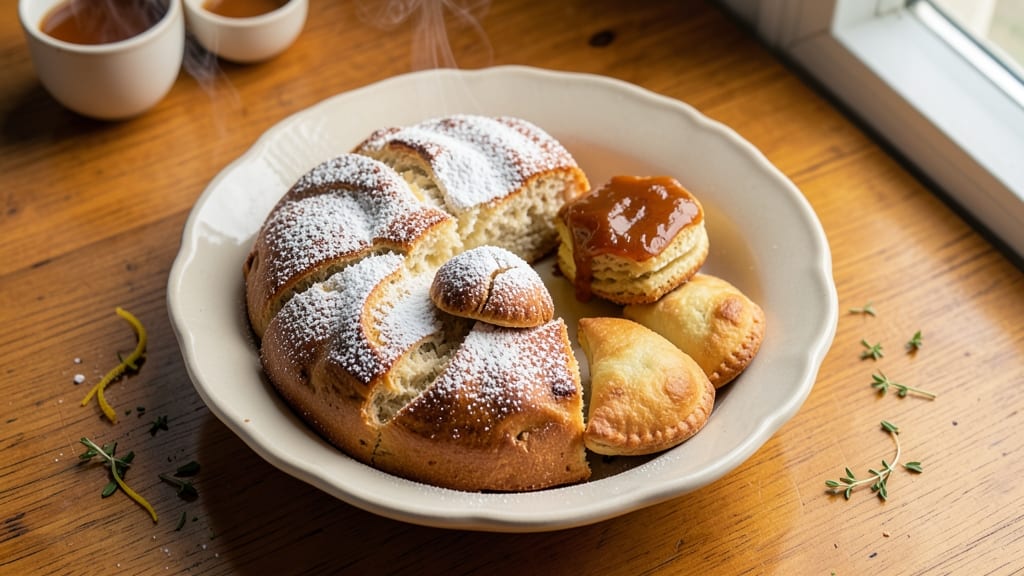
This Argentinian sweet bread recipe delivers the buttery, cinnamon-kissed layers that make medialunas a café staple. The secret lies in a rich dough with just the right balance of butter, sugar, and milk—proofed to perfection for tender, flaky results.
I’ve perfected this version after years of testing, ensuring every bite has that signature melt-in-your-mouth texture and warm, spiced aroma.
The dough comes together with simple ingredients—flour, yeast, butter, and a touch of anise for authenticity—but the technique is what elevates it. We’ll shape the dough into classic rounds or braids, then proof and bake until golden brown.
No special equipment needed, just patience and a light hand. The cinnamon-sugar filling (or dulce de leche for extra indulgence) ties it all together with sweet, caramelized notes.
What you’ll end up with is a batch of sweet bread so tender and flavorful, it’ll disappear faster than you can say medialuna. The crust stays soft, the layers separate effortlessly, and the aroma fills your kitchen with the kind of warmth that makes baking worth every minute.
Perfect for breakfast, dessert, or gifting—these are the kind of treats that feel like a hug from Buenos Aires.
Ready to master the art of Argentinian sweet bread? Let’s get started—your kitchen (and taste buds) will thank you.
Ingredients for argentinian sweet bread
Twelve simple ingredients transform into golden, flaky medialunas with cinnamon-spiced magic.
| Ingredient | Amount | Notes |
|---|---|---|
| All-Purpose Flour 🌾 | 5 cups | Sifted for light texture |
| Unsalted Butter 🧈 | 1 cup | Cold, cubed for dough |
| Granulated Sugar 🍚 | ½ cup | White sugar preferred |
| Large Eggs 🥚 | 1 whole | Room temperature |
| Whole Milk 🥛 | ½ cup | Warm for yeast activation |
| Active Dry Yeast 🍞 | 2 ¼ tsp | Instant yeast works too |
| Anise Seeds 🌿 | 1 tsp | Ground for authentic flavor |
| Ground Cinnamon 🌶️ | 1 tsp | For filling and dough |
| Salt 🧂 | ½ tsp | Fine sea salt |
| Granulated Sugar 🍚 | ¼ cup | For cinnamon-sugar mix |
| Dulce de Leche 🍯 | ½ cup | Optional filling upgrade |
| Powdered Sugar 🍚 | ¼ cup | For final dusting |
The flour is your foundation—King Arthur or Gold Medal works best for that tender crumb. Butter matters too: Plugrá or Land O’Lakes unsalted gives the richest flavor, but any high-fat butter works. Grab the anise seeds at Penzeys or Latin markets—they’re worth the hunt for that authentic taste. Store-bought yeast is fine, but if you’ve got fresh yeast, use half the amount. The milk should be warm (about 110°F) to wake up the yeast—just enough to touch your wrist and feel cozy, not hot.
No anise seeds? 1/4 tsp anise extract works in a pinch, but it won’t be the same. Swap the dulce de leche for equal parts brown sugar and butter mixed into a paste if you’re avoiding it. The cinnamon-sugar filling can be made ahead—just toss the sugar and cinnamon in a jar and store it in your spice drawer for up to 3 months. For the dough, if you’re short on butter, coconut oil or shortening can substitute, but the texture won’t be quite as tender. And trust me on the powdered sugar—it’s not just for looks, it keeps the bread fresh longer.
This dough is a beast—it needs 24 hours in the fridge to develop flavor, but it’ll keep for 3 days wrapped tightly. The shaped medialunas can proof overnight in the fridge too, just cover them with a damp towel. Once baked, they’re best eaten fresh but reheat beautifully in a 350°F oven for 5 minutes. Freeze unfilled dough balls for up to 2 months—just shape and proof when ready to bake. The leftovers? They disappear faster than you can say ‘medialuna’—so make extra.
Why You'll Love This Recipe
- No-Knead Magic: I swear by this dough—just mix, rest, and bake. No stand mixer, no fuss, just warm butter melting into flour until it’s almost too soft to handle. That’s the secret: the butter’s heat does half the work while you sip your coffee.
- Butter-Sugar Bliss: That first bite? Pure comfort. The sugar caramelizes just enough to make the crust slightly crisp, while the inside stays pillowy—like a hug from Argentina. Honestly, the eggs and milk make it richer than store-bought, but you’d never guess from the simple ingredients.
- Breakfast or Snack Star: Toast a slice for breakfast with jam, or serve it warm with dulce de leche for dessert. It’s my go-to for lazy mornings or when I need something sweet without effort. (Yes, even on a Tuesday night.)
- Budget-Friendly Staple: Uses pantry basics—flour, butter, sugar—so it’s cheap to make, but feels special. Leftovers? I freeze slices and toast them straight from the freezer. No waste, all flavor. My wallet and taste buds thank me.
Step-by-step instructions for Argentinian sweet bread
Here's how to create flaky layers and aromatic cinnamon-spiced bread that tastes like Buenos Aires.
Activate the Yeast and Prepare the Dough Base
In a small bowl, combine the 0.5 cup warm whole milk with the 2.25 teaspoons active dry yeast and 0.5 teaspoon salt. Let it sit for 5-10 minutes until frothy—this confirms your yeast is alive and ready to work. The mixture should bubble gently and smell slightly sweet.
In a large mixing bowl, whisk together the 5 cups sifted all-purpose flour, 0.5 cup granulated sugar, 1 teaspoon ground cinnamon, and 1 teaspoon anise seeds. The anise seeds are key here—they give that authentic Argentinian flavor you can't get anywhere else. Make a well in the center and pour in the yeast-milk mixture along with the 1 whole large egg.
Incorporate the Butter for Flaky Layers
Using a wooden spoon or dough whisk, gradually mix the ingredients until a shaggy dough forms. Now comes the tricky part—incorporate the 1 cup cold cubed unsalted butter one piece at a time, pressing each cube into the dough until fully absorbed. The butter should be cold enough to resist melting immediately, but not so hard it won't incorporate.
Once all the butter is incorporated, turn the dough out onto a lightly floured surface and knead gently for 2-3 minutes until just combined. Don't overwork it—the goal is to develop just enough gluten to hold the layers, not create tough bread. The dough should be soft but slightly tacky, not dry or sticky.
First Rise and Prepare the Filling
Shape the dough into a rectangle about 12x8 inches and wrap it in plastic wrap. Let it rest at room temperature for 30 minutes while you prepare the filling. In a small bowl, mix together the 0.5 cup dulce de leche (if using) with 0.25 cup granulated sugar to create a thick spreadable paste. This will become the heart of your sweet bread.
After the dough rests, roll it out again to about 1/8-inch thickness. Brush the entire surface with any remaining milk from the yeast mixture (about 1-2 tablespoons) to help the layers bond. Spread the dulce de leche mixture evenly over the dough, leaving a 1-inch border around the edges. This border will help seal the layers when you roll it up.
Roll, Shape and Second Rise
Starting from the long side, tightly roll the dough into a log, pinching the seam to seal. Tuck the ends under to form a neat oval shape. Place the shaped dough on a parchment-lined baking sheet and cover loosely with a clean kitchen towel. Let it rise in a warm place for 1-1.5 hours until nearly doubled in size—you'll see it puff up and the edges will pull away from the center.
Here's where the magic happens: the dough should have a gentle spring to it when pressed lightly with your finger. If it springs back slowly, it's ready. If it springs back immediately, give it another 20-30 minutes. The second rise develops the air pockets that make the bread light and tender.
Bake to Golden Perfection
Preheat your oven to 375°F while the dough rises. When ready, brush the risen dough with any remaining milk mixture and sprinkle generously with 0.25 cup powdered sugar for that classic Argentinian touch. Bake for 25-30 minutes until the bread is deep golden brown and sounds hollow when tapped on the bottom.
The moment it comes out of the oven is pure reward—warm, fragrant, with layers that practically melt in your mouth. Let it cool for 10 minutes before slicing to let the filling set slightly. Each slice should reveal beautiful flaky layers and that perfect balance of sweetness from the cinnamon and dulce de leche.
Pro Tips For Making Argentinian Sweet Bread
- SOFTEN BUTTER FIRST: Take that cold butter straight from the fridge and cut it into cubes—then let it sit at room temperature for 30-45 minutes. I learned this the hard way when my dough turned into a greasy mess because the butter never melted smoothly. The goal is butter that’s soft enough to press into the dough with your fingers but not greasy enough to make it collapse.
- WEIGH YOUR FLOUR: Scoop that flour into a measuring cup and you’ll end up with too much—trust me, I’ve made this mistake. Use a kitchen scale instead for precision: aim for 500 grams of all-purpose flour. The dough’s structure depends on this, and a few extra grams can make your bread dense instead of light and fluffy.
- LET THE DOUGH REST: After kneading, cover that dough with a damp towel and let it rest for at least 1 hour at room temperature. I used to rush this step and wondered why my bread never rose properly. The gluten relaxes during this time, making the final shaping and baking easier—and way more successful.
- USE ROOM-TEMP MILK: Cold milk from the fridge will shock the yeast and slow down fermentation. Warm the milk to about 100°F (38°C)—just warm enough to dissolve the sugar completely, but not hot enough to cook the eggs later. This keeps the yeast happy and ensures your bread rises smoothly.
Storing and reheating this dish
Refrigerator Storage
After baking, let your medialunas cool completely before storing them in an airtight container at room temperature for up to 2 days. For longer storage, transfer to the refrigerator where they’ll keep for 3-4 days.
I wrap them individually in parchment paper to maintain their softness—this prevents them from drying out or sticking together. The cinnamon-sugar filling stays fresh, and the texture remains tender when reheated. 💫
Freezing Fresh Dough
Freeze unshaped dough balls (about 1.5-inch diameter) on a parchment-lined tray for 1 hour before transferring to a freezer bag for up to 2 months. When ready to bake, thaw overnight in the fridge, then shape and proof as directed.
The cold dough handles shaping better and prevents overproofing during the second rise. This is my go-to method for making a big batch—just pull out what you need! ❄️
Reheating Perfection
For the best texture, reheat cooled medialunas in a 375°F oven for 5-7 minutes until warmed through. Alternatively, use the microwave (covered with a damp paper towel) for 20-30 seconds—just watch closely to avoid drying.
I avoid the toaster for these delicate pastries, as it can make the layers crisp too quickly. The filling stays gooey and the crust stays soft when reheated properly. 🔥
Reviving Stale Bread
If your medialunas lose their softness, sprinkle them with 1 teaspoon water and cover tightly with a damp towel for 10 minutes in the microwave. The steam will restore moisture without overcooking.
For extra indulgence, brush with a little melted butter before reheating—this adds back that buttery richness. This trick works wonders on day-old bread too! 💛
Filling Preservation
Store any leftover dulce de leche filling in a small airtight container in the fridge for up to 1 week. For the cinnamon-sugar mix, keep it in a sealed jar in your pantry—it stays fresh indefinitely.
When making fresh medialunas, simply brush the cooled bread with a little milk and sprinkle with fresh cinnamon-sugar. The contrast of warm bread with the bright spices is unbeatable! ✨
Nutrition facts
Frequently asked questions
What makes Argentinian sweet bread different from regular brioche?
Argentinian sweet bread (like medialunas) has a signature anise flavor from ground seeds, plus a lighter, flakier texture thanks to the butter layers and longer proofing time. Brioche is richer with more eggs and sugar, while these pastries balance sweetness with subtle spice. The cinnamon-sugar or dulce de leche filling also sets them apart from plain brioche.
Can I make this dough without anise seeds?
Yes, but the flavor won’t be authentic. Use ¼ teaspoon anise extract as a substitute, or add ½ teaspoon ground fennel seeds for a similar aromatic note. If skipping entirely, increase cinnamon to 1.5 teaspoons to compensate. The texture will remain the same—just the taste changes.
Why does my dough turn out dense instead of flaky?
Overworking the dough or skipping the 30-minute rest before rolling creates dense results. Keep butter cold, knead gently (just 2-3 minutes), and ensure proper proofing times. A warm oven (375°F) and milk brushing before baking also help create those signature layers. Patience is key!
How do I shape the dough into classic medialunas?
Roll the dough to ¼-inch thickness, then cut into 2-inch circles using a round cutter. For filled versions, place ½ teaspoon dulce de leche in the center and pinch edges together. For braided versions, roll out strips, fill, then twist into ropes. Proof on a floured tray until puffy.
Can I use this dough for savory pastries?
Omit the sugar and anise, then add 1 teaspoon dried herbs (like oregano or thyme) and ½ teaspoon garlic powder to the dough. Use for savory twists or cheese-filled medialunas with mozzarella or provolone. The buttery layers work perfectly for both sweet and savory versions.