
Desserts
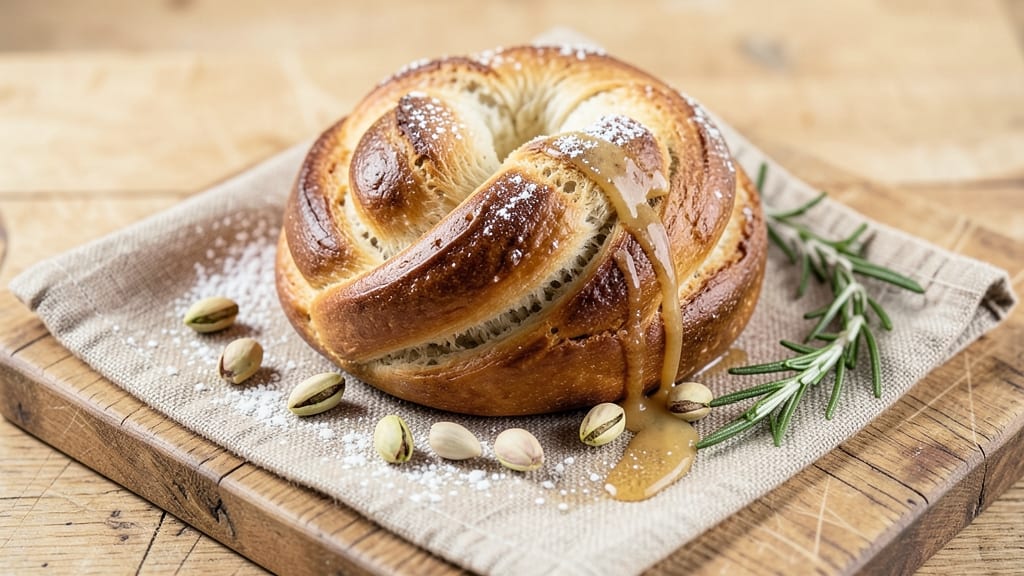
This Armenian Easter Choreg bread recipe brings the sacred traditions of Armenia to your kitchen with its distinctive golden swirls and foil-sealed juice lock technique. 🌟 The intricate braided dough, infused with sweet citrus and aromatic spices, symbolizes prosperity and new beginnings—perfect for Easter celebrations or special family gatherings.
What sets Choreg apart is its unique baking method, where the bread's natural juices are preserved for maximum flavor.
The recipe begins with a rich, buttery dough that combines flour, yeast, eggs, and sugar to create a tender yet sturdy base. Traditional Armenian ingredients like orange zest and cardamom add depth, while the braiding technique requires patience but yields a stunning, symbolic centerpiece.
Baking at high heat ensures a crisp exterior while keeping the interior moist and flavorful.
What you'll achieve is a fragrant, sweet-savory bread with a caramelized crust and tender crumb, its juices sealed in by the foil technique. The aroma alone will transport you to Armenian Easter tables, where Choreg is served alongside cheese, nuts, and sweet wines.
This is more than a dessert—it's a cultural experience.
Whether you're celebrating Easter or simply craving a special treat, this Choreg recipe delivers restaurant-quality results with a touch of tradition. The foil-sealed method guarantees a moist interior, while the braided design makes it visually stunning. Ready to create something meaningful in your kitchen?
Ingredients for armenian easter bread choreg
Eighteen ingredients blend tradition with technique for Armenia's sacred Easter bread.
| Ingredient | Amount | Notes |
|---|---|---|
| All-Purpose Flour 🌾 | 6 cups | High-protein for structure, sifted before mixing |
| Unsalted Butter 🧈 | 1 cup | Cold, cubed for even distribution |
| Granulated Sugar 🍚 | ¾ cup | Superfine preferred for smooth texture |
| Large Eggs 🥚 | 4 whole | Room temperature for even incorporation |
| Active Dry Yeast 🍞 | 2 ¼ tsp | Fresh or packet, dissolved in warm water |
| Warm Water 💧 | 1 ¼ cups | 110°F for optimal yeast activation |
| Orange Zest 🍊 | 1 tbsp | Freshly grated from organic orange |
| Cardamom Pods 🌿 | 6 whole | Lightly crushed for aromatic release |
| Diamond Crystal Kosher Salt 🧂 | 1 ½ tsp | Fine grain for even distribution |
| Heavy Cream 🥛 | ¼ cup | Cold for final dough enrichment |
| Almond Flour 🥜 | ½ cup | Optional for nutty depth, finely ground |
| Large Egg Yolks 🥚 | 2 whole | For egg wash, separated from whites |
| Granulated Sugar 🍚 | ¼ cup | For final egg wash coating |
| Aluminum Foil 📄 | 1 sheet | Heavy-duty for juice sealing |
The flour forms Choreg's structural heart—King Arthur or Gold Medal brands yield the best gluten development for those signature swirls. Cardamom pods must be lightly crushed (never powdered) to preserve their delicate aroma; Whole Foods or specialty spice shops carry the best quality. Orange zest should be freshly grated from organic fruit—store-bought zest often contains preservatives that dull the flavor. For butter, Plugrá or Land O'Lakes unsalted varieties melt evenly without graininess, while European-style cultured butter adds depth if available. The yeast requires warm water (110°F)—too hot and it dies, too cool and it won't activate properly.
No cardamom pods? Ground cardamom at half the amount works, but the texture differs slightly. Substitute orange zest with lemon zest for brightness, though the citrus notes won't be identical. Almond flour can be omitted entirely without compromising structure, but it adds subtle nuttiness. For the egg wash, aquafaba (chickpea brine) replaces yolks at a 1:1 ratio if needed—though purists argue the richness differs. Diamond Crystal kosher salt is preferred over table salt due to its fine grain, which dissolves evenly. The aluminum foil must be heavy-duty; standard foil tears during the juice-sealing process.
Store dough in an airtight container for up to 24 hours in the fridge to develop deeper flavor. Braided shapes hold best when chilled before baking. The foil-sealed technique requires preheating the oven to 375°F—any lower and the juice won't caramelize properly. Leftovers keep for 3 days at room temperature wrapped in cloth, though the crust loses crispness. For long-term storage, freeze baked loaves for up to 3 months—reheat in a 350°F oven for 10 minutes to restore moisture.
Why You'll Love This Recipe
- No Yeast Fuss: I swear by the overnight rise—just toss the dough in the fridge, wake up to that buttery aroma, and no last-minute kneading. The yeast does all the work while you sleep, and honestly? That golden crust? Worth every second of patience.
- Sweet Butter Magic: That pile of cold, unsalted butter folded into the dough? It’s the secret weapon. The crumb is tender, the layers flaky, and the sugar caramelizes just enough to give it this addictive sweetness without being cloying. My kids fight over the last slice.
- Holiday or Snack: Between us, I make this for Easter and when I need a quick breakfast. The dough’s forgiving—shape it into a braid for the table or just bake it as a loaf for toast. (Yes, even on a Tuesday night when I’m too tired for anything fancy.)
- Budget-Friendly Luxury: Flour, butter, sugar, eggs—these are pantry staples that don’t break the bank. One batch stretches into three days of breakfast or dessert, and the leftovers? Perfect for French toast. It’s the kind of treat that feels special without costing a fortune.
Step-by-step instructions for Armenian Easter Choreg bread
Master this traditional Armenian technique for a bread with signature swirls and sealed-in juices.
👨🍳 Step 1: Activate the Yeast and Prepare the Dough Base
In a small bowl, combine the 2.25 teaspoons active dry yeast with 1.25 cups warm water (110°F) and let sit for 5-10 minutes until frothy. This activation ensures proper fermentation. In a separate large bowl, whisk together the 6 cups all-purpose flour, 0.75 cup granulated sugar, 1.5 teaspoons kosher salt, 1 tablespoon orange zest, and the lightly crushed 6 cardamom pods.
Make a well in the center and pour in the yeast mixture along with the 4 whole large eggs and 1 cup cold cubed butter. Using a wooden spoon or dough whisk, gradually incorporate the ingredients until a shaggy dough forms. The butter should be cold to prevent overmixing, which develops gluten too early. Let the dough rest for 10 minutes while you prepare your workspace.
🍳 Step 2: Develop the Dough Through Kneading and Resting
Turn the dough onto a lightly floured surface and knead for 8-10 minutes until smooth and elastic. You'll know it's ready when it springs back slowly when poked. The dough should be slightly tacky but not sticky. If it's too dry, add 1 teaspoon warm water at a time until it reaches the proper consistency.
Place the dough in a lightly greased bowl, cover with a damp towel, and let rise in a warm place for 1-2 hours or until doubled in size. The ideal temperature for rising is 75-80°F. If your kitchen is cooler, place the bowl near a warm oven with the light on. Punch down the dough to release air, then divide into 8 equal portions, each about 8 ounces.
🥘 Step 3: Shape and Layer the Choreg Dough
Roll each portion into a 12-inch rope about ½-inch thick. To create the signature swirls, place one rope on a parchment-lined baking sheet and gently press down to flatten slightly. Take another rope and place it diagonally across the first, then gently press again. Continue layering all 8 ropes in this diagonal pattern, pressing lightly after each addition to create the characteristic crisscross pattern.
Cover the shaped bread with a damp towel and let it rise for another 30-45 minutes until puffy. The edges should pull away slightly from the baking sheet. Preheat your oven to 375°F while the bread rises. This second rise ensures the bread maintains its structure during baking.
🔥 Step 4: Bake with Foil-Sealed Juice Lock
Brush the top of the bread with an egg wash made from the 2 whole large egg yolks and 0.25 cup granulated sugar, mixed until smooth. This creates the signature golden crust. Bake for 20 minutes until the top is golden brown and the bread sounds hollow when tapped on the bottom.
Here's the traditional technique: remove the bread from the oven and quickly wrap it tightly in the 1 sheet aluminum foil, sealing all edges completely. Return to the oven and bake for another 15-20 minutes. This foil seal traps steam and prevents the bread from drying out, creating that signature moist interior. The bread should register 190-200°F internally when done.
⏰ Step 5: Rest and Serve for Maximum Flavor
Remove the bread from the oven and let it cool on a wire rack for 10 minutes before unwrapping. The foil creates condensation inside, so be careful when opening. The bread will be incredibly moist inside—almost custard-like in texture. For best results, serve within 4 hours of baking when it's at its peak moisture.
Slice with a serrated knife and serve warm with a dusting of powdered sugar or a dollop of whipped cream. The layers should reveal the beautiful swirl pattern and juicy interior that makes this bread truly special. Store any leftovers wrapped tightly in plastic at room temperature for up to 3 days, though it's best enjoyed fresh.
Pro Tips For Making Armenian Easter Bread Choreg
- Proof at Room Temp: Skip the fridge—let your yeasted dough rise at 70°F (21°C) for 1.5–2 hours. I learned this the hard way after a cold kitchen left me with a dense, flavorless loaf. A warm spot near the oven (with the light on) speeds things up without overproofing.
- Soften Butter Properly: Beat the butter until it’s just soft—not melted, not greasy, but malleable like clay. Too cold? It won’t incorporate smoothly into the dough. Too warm? The sugar will crystallize later. Room temp is key—about 15 minutes on the counter.
- Don’t Overmix the Dough: Mix the flour, butter, and sugar until just combined—lumps are fine, but don’t turn it into a paste. Overworking it develops gluten, and choreg should be tender, not chewy. Fold in the yeast mixture gently; this isn’t bread dough.
- Bake Until Golden: Check the bread at 345°F (175°C) after 30 minutes—it’s done when the top is deep golden, not pale. I used to pull it too soon, thinking it’d keep baking, but that’s how you end up with a dry crumb. A toothpick should come out clean.
Wine and beer pairings for armenian easter bread choreg
Sweet Armenian Wines
Choreg’s honeyed citrus and cardamom notes pair beautifully with Armenian sweet wines like Vardavar or Artsakh. These wines, aged in oak or clay amphorae, offer caramel and dried fruit flavors that mirror the bread’s richness.
I recommend Artsakh Red for its blackberry and plum undertones that complement the orange zest. Serve slightly chilled (55-60°F) to balance the bread’s warmth. 🍷
Dry White Pairings
For a lighter contrast, Armenian white wines like Ararat Dry or Vanand work wonders. Their green apple and citrus profiles cut through the butter and sugar, cleansing your palate between bites.
Look for 100% white grape varieties like Chardonnay or Rkatsiteli for acidity that stands up to the cardamom’s spice. Serve at 45-50°F to enhance their crispness. ✨
Beer Alternatives
If wine isn’t your preference, opt for Armenian craft beers like Yerevan Dark Lager or Ararat Amber Ale. The malty sweetness of amber ales echoes the bread’s caramelized crust, while the hop bitterness balances the richness.
For a lighter option, Armenian wheat beers (like Taron) with their lemon and ginger notes provide refreshing contrast. Serve at 40-45°F for optimal flavor. 🍺
Non-Alcoholic Options
For a refreshing non-alcoholic pairing, try Armenian pomegranate juice or mulberry soda. The tartness of pomegranate juice cuts through the bread’s sweetness, while mulberry soda (a traditional Armenian drink) adds a honeyed effervescence that enhances the cardamom’s aroma. Serve chilled (38-42°F) for a vibrant, palate-cleansing experience. 💫
Coffee Pairing
Finish your Choreg experience with Armenian coffee brewed in a cezve (ibrik). The strong, cardamom-infused notes mirror the bread’s spices, creating a harmonious flavor bridge. Serve the coffee black and unsweetened to let the natural richness shine—just a few sips will deepen the bread’s aromatic impact. ☕
Nutrition facts
Frequently asked questions
Why does Choreg have that distinctive swirled pattern?
The diagonal braiding isn't just decorative—it symbolizes the Armenian concept of unity and protection. Each rope represents a family member, and the crisscross pattern creates a sturdy structure that holds the bread together during baking. The technique also helps distribute heat evenly for that perfect caramelized crust!
Can I make Choreg without cardamom?
Yes, but the flavor will differ slightly. Replace the whole cardamom pods with 1 teaspoon ground cardamom, though the aroma won't be as pronounced. For a similar warm spice effect, try ½ teaspoon cinnamon combined with ¼ teaspoon allspice. The citrus notes from the orange zest will still shine through!
What's the best way to store leftover Choreg?
Wrap cooled bread tightly in plastic wrap or place in an airtight container to preserve moisture. It stays fresh at room temperature for 3 days, though texture softens over time. For longer storage, freeze baked loaves for up to 3 months. To revive, reheat wrapped in foil at 350°F for 10 minutes—this restores the crust's crispness!
Why does the dough need two rises?
The first rise develops flavor and structure, while the second rise after shaping ensures the braided pattern holds during baking. The second rise (30-45 minutes**) is crucial—it allows the gluten to relax slightly so the bread expands properly in the oven rather than collapsing. Think of it as giving the dough a final "stretch" before the big bake!
Can I make Choreg without foil?
You can try, but you'll lose the signature moist interior. The foil creates a steam chamber that keeps the bread tender. Without it, the crust may become too dry. If you're concerned about sticking, use parchment paper under the foil or grease the baking sheet well. The texture won't be identical, but it'll still be delicious!