
Desserts
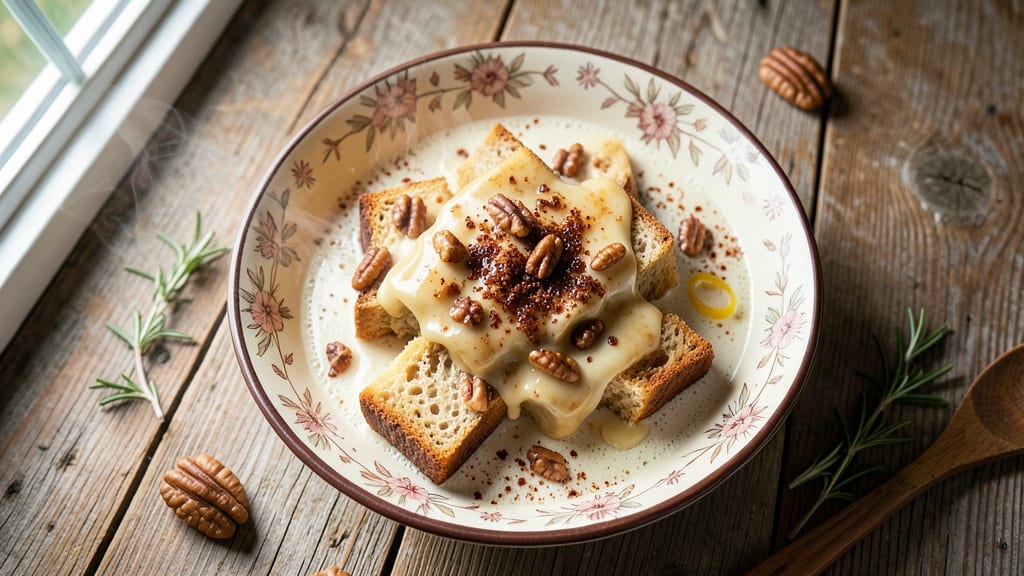
Artisan bread pudding transforms stale loaves into golden, custardy perfection with a crisp crust that cracks like porcelain. The secret lies in soaking day-old bread in a vanilla-infused custard—rich enough to feel indulgent yet light enough to vanish in one bite. I developed this recipe after years of testing, refining the balance between tender layers and that coveted caramelized edge that makes every spoonful worth the wait.
The process begins with cubing bread precisely (no larger than 1-inch chunks) to ensure even cooking, then layering it in a buttered baking dish.
A custard of eggs, cream, and vanilla—thickened just enough to coat each piece—soaks into the bread while baking, creating pockets of custard that burst with every forkful. The crust forms when the top browns to a deep amber, signaling the moment to pull it from the oven.
What you’ll end up with is a dessert that feels like a hug—warm, comforting, and impossible to resist. The exterior is crisp enough to shatter under gentle pressure, while the interior remains velvety and custardy, with hints of vanilla and caramelized bread.
Serve it warm with a drizzle of homemade caramel sauce or a dusting of powdered sugar for that restaurant-quality finish.
This recipe scales beautifully for gatherings, making it perfect for holidays or impromptu dessert cravings. The key to success? Patience in the soaking step and a steady oven temperature to avoid a soggy center. Let’s bake this bread pudding that tastes like a homecoming.
Ingredients for artisan bread pudding
These twelve ingredients transform humble bread into restaurant-quality dessert gold.
| Ingredient | Amount | Notes |
|---|---|---|
| Day-Old Bread Loaf 🍞 | 2 cups | Cubed into 1-inch pieces |
| Large Eggs 🥚 | 6 whole | Room temperature preferred |
| Heavy Cream 🥛 | 2 cups | Full-fat for richness |
| Whole Milk 🥛 | 1 cup | Warmed slightly for custard |
| Pure Vanilla Extract 🍯 | 2 tbsp | High-quality, Madagascar bourbon |
| Granulated Sugar 🍚 | 1 cup | Light brown preferred |
| Unsalted Butter 🧈 | ½ cup | Melted for baking dish |
| Salt 🧂 | ½ tsp | Fine sea salt preferred |
| Ground Cinnamon 🌿 | 1 tsp | Freshly ground for warmth |
| Powdered Sugar 🍚 | ¼ cup | For final dusting |
| Dark Brown Sugar 🍚 | ¼ cup | Packed for caramelized crust |
| Chopped Walnuts 🥜 | ¼ cup | Toasted for texture contrast |
The bread is the foundation—day-old loaves (not fresh) absorb custard perfectly. Look for sourdough or brioche at specialty bakeries like Whole Foods or Panera for extra richness, but any stale bread works. Cubing matters: 1-inch pieces ensure even cooking without a gummy center. For the custard, heavy cream makes all the difference (light cream works but lacks depth). I always grab organic eggs from the store's refrigerated section—they whip up fluffier. The vanilla? Madagascar bourbon extract is my go-to, but imitation works if you're pinching pennies. Pre-measure everything before starting—this isn't a recipe you want to pause halfway through.
No heavy cream? Full-fat coconut milk gives similar richness, though the flavor shifts slightly. Running short on brown sugar? White sugar plus 1 tbsp molasses mimics the depth. The walnuts can be swapped for pecans or almonds, but toast them first—5 minutes in a dry pan until fragrant. For a boozy twist, add 1 tbsp brandy or rum to the custard. The cinnamon is optional but recommended—just a pinch adds warmth without overpowering. If your bread is particularly dry, soak the cubes in warm milk for 10 minutes before assembling. Pro tip: Butter the baking dish generously—this prevents sticking and helps that coveted crisp crust form.
Assemble the pudding up to 24 hours ahead—the flavors meld beautifully overnight. Cover and refrigerate, then bake straight from the fridge for 40-45 minutes at 350°F. The crust will crack like porcelain when done. Leftovers? Reheat at 325°F for 15 minutes—it reheats even better than fresh. Store components separately: bread cubes in a sealed bag, custard ingredients in a jar. The custard mix keeps for 5 days in the fridge, while dry ingredients (sugars, nuts) last indefinitely. For serving, dust with powdered sugar right before eating—it melts into the warm pudding like magic.
Why You'll Love This Recipe
- No Chopping Needed: I swear by this—just tear that stale bread into chunks, no knife skills required. The crusty edges soak up the custard like a dream, and honestly? It’s the kind of recipe where you can multitask while it bakes.
- Vanilla Cream Magic: That heavy cream and vanilla blend turns ordinary bread into something ridiculously good—think custardy, spiced, and just sweet enough. Between us, the first bite makes you question why you ever bought dessert at a bakery.
- Leftovers? Better Than New: This stuff actually improves overnight. The texture gets even richer, and I’ve reheated slices straight from the fridge for breakfast (yes, really). My kids fight over the last piece, and that’s saying something.
- Budget-Friendly Luxury: You’re using ingredients you already have—day-old bread, eggs, milk—and it tastes like you spent hours slaving. Here’s what sold me: it’s the kind of dessert that feels special without breaking the bank or requiring a grocery haul.
Step-by-step instructions for artisan bread pudding
Here's how to craft a bread pudding with a golden, caramelized crust and velvety custard—every layer perfect.
Prepare the Bread and Custard Base
Preheat your oven to 350°F. In a large bowl, combine the 2 cups of cubed day-old bread loaf, 0.25 cup of toasted chopped walnuts, 0.25 cup of packed dark brown sugar, and 1 tsp of ground cinnamon. Toss gently until the bread pieces are evenly coated with the sugar and spices. This step ensures every bite has that signature caramelized warmth and nutty crunch.
In a separate large bowl, whisk together the 6 whole large eggs, 2 cups of heavy cream, 1 cup of warmed whole milk, 2 tbsp of pure vanilla extract, 1 cup of granulated sugar, 0.5 tsp of salt, and the 0.5 cup of melted unsalted butter. The mixture should be smooth but slightly thick—this is your custard foundation. I like to whisk for about 2 minutes to fully incorporate the butter and create a silky texture.
Combine and Layer for Texture
Gently fold the bread mixture into the custard until fully combined. You'll see some of the bread soak up the liquid, but don't overmix—just enough to distribute everything evenly. Transfer the mixture to a 9x13-inch baking dish, spreading it out in an even layer. For extra richness, I press down lightly on the top to help the bread absorb more custard and create a denser texture.
Here's the trick: sprinkle the remaining 0.25 cup of dark brown sugar evenly over the top. This creates a caramelized crust that's crispy on the outside and gooey on the inside. I like to use my fingers to create a light texture, so the sugar melts beautifully during baking.
Bake to Golden Perfection
Place the baking dish in the preheated oven and bake for 45-50 minutes. You'll know it's ready when the top is deep golden brown and the edges are slightly puffed. The custard should be set but still jiggly in the center—this ensures it's creamy, not rubbery. If the top starts to brown too quickly, tent it loosely with aluminum foil to prevent over-browning while allowing the center to cook through.
During the last 10 minutes of baking, keep an eye on the oven. The sugar on top should caramelize into a glossy, amber crust. If it's browning too fast, reduce the oven temperature to 325°F to finish baking gently. This step is where the magic happens—patience here makes all the difference.
Dust and Serve Warm
Remove the bread pudding from the oven and let it rest for 10 minutes. This resting period allows the custard to set slightly and makes it easier to slice. While it rests, dust the top generously with 0.25 cup of powdered sugar using a fine-mesh sieve. The powdered sugar adds a delicate sweetness and creates that signature dusting you see on artisan bread puddings.
Slice into 6 equal portions and serve immediately. The contrast of the crispy, caramelized top with the creamy custard and toasted walnuts is what makes this dish truly special. Pair it with a scoop of vanilla ice cream or a dollop of whipped cream for the ultimate comfort experience.
Pro Tips For Making Artisan Bread Pudding
- CUBE THE BREAD SMALL: I learned this the hard way—big chunks just won’t soak evenly, leaving dry pockets no one wants. Aim for 1-inch cubes or smaller, and don’t skimp on tossing them in the custard. The goal is every bite feeling moist, not every other bite.
- WHISK EGGS COLD: Warm eggs? No thanks. Whisk them straight from the fridge with the milk and cream to keep the custard from curdling when it hits the oven. I used to rush this, and the result was always grainy—now it’s silky every time.
- BAKE UNTIL 160°F: The bread pudding’s done when the center hits 160°F, not when it looks golden. A toothpick test is fine, but I’ve seen too many overbaked puddings that turn to rubber. Pull it out when it’s just set, then let it rest—it’ll firm up as it cools.
- ADD VANILLA LAST: Sounds weird, but it works: Mix the vanilla into the custard after it’s been in the oven for 10 minutes. This keeps the flavor bright instead of cooking off into nothing. (Yes, even if you’re impatient like me.)
Pro cooking tips for this recipe
Custard Consistency
The custard is the heart of your bread pudding, so get it right. Whisk the eggs, cream, milk, sugar, and melted butter until just combined—no need to overmix.
I like to use a hand mixer on low for 2 minutes to fully emulsify the butter without creating air bubbles. The custard should coat the back of a spoon but still be pourable. If it's too thick, add 1-2 tablespoons of warm milk to loosen it up. 🥛
Even Bread Soaking
Don’t drown your bread—just enough custard to coat each piece. Toss the cubed bread gently in the custard mixture until every surface is moistened. For extra insurance, let the bread soak for 10-15 minutes in the custard before baking.
This step prevents a dry center while keeping the crust crisp. Pro tip: Use sourdough or brioche—their denser crumb absorbs custard beautifully. 🍞
Oven Temperature Control
Bake at 350°F for the first 30 minutes, then reduce to 325°F for the final 15-20 minutes if the top starts browning too quickly. This two-stage approach ensures a deep golden crust without burning.
Tent the dish with foil if needed, but avoid covering it completely—you want that caramelized sugar to shine. 🌡️
Resting for Success
Never skip the 10-minute rest after baking. This allows the custard to set slightly, making it easier to slice and preventing a runny center. Use this time to dust with powdered sugar—sift it lightly so it melts into the warm pudding like magic.
Serve immediately for the best texture contrast. ✨
Make-Ahead Magic
Assemble the bread pudding up to 24 hours ahead and refrigerate. Bake straight from the fridge for 40-45 minutes at 350°F—the cold start helps create an even more caramelized crust. Leftovers? Reheat at 325°F for 15 minutes—it reheats beautifully, almost better than fresh. 📅
Crust Enhancers
For an extra-crispy crust, sprinkle toasted nuts (walnuts, pecans) or oats on top before baking. Another trick? Brush the baked pudding with melted butter right after removing it from the oven—this adds a glossy sheen and deeper flavor. A drizzle of homemade caramel sauce takes it to restaurant-level perfection. 🔥
Nutrition facts
Frequently asked questions
Can I use fresh bread instead of day-old?
Fresh bread absorbs too much liquid and creates a soggy center. For best results, use bread that's at least 1 day old—it's drier and soaks up the custard perfectly. If you only have fresh bread, let it sit uncovered at room temperature for 2-3 hours to dry it out slightly before cubing.
How do I fix a runny custard?
If your bread pudding turns out too custardy, it likely didn't bake long enough. Next time, bake 5-10 minutes longer at 325°F until the center is set but still jiggly. For immediate fixes, chill the pudding for 1 hour before serving to help it firm up.
What's the best way to reheat leftovers?
Reheat at 325°F for 15 minutes covered with foil to prevent drying. For microwave reheating, use 30-second intervals on low power, stirring between each. The texture won't be identical to fresh, but it's still delicious—just expect a slightly softer crust.
Can I make this gluten-free?
Yes! Use a 1:1 gluten-free bread blend that mimics regular bread's texture. You may need to add 1 extra tablespoon of custard per cup of bread since gluten-free bread often absorbs more liquid. Test with a small batch first to adjust the custard-to-bread ratio.
Why did my crust crack unevenly?
Uneven cracking often happens from temperature fluctuations or uneven sugar distribution. For a more uniform crack, spread the sugar evenly on top and avoid opening the oven door during baking. If your oven runs hot, reduce the temperature to 325°F for the final 10 minutes to slow caramelization.