
Side Dishes
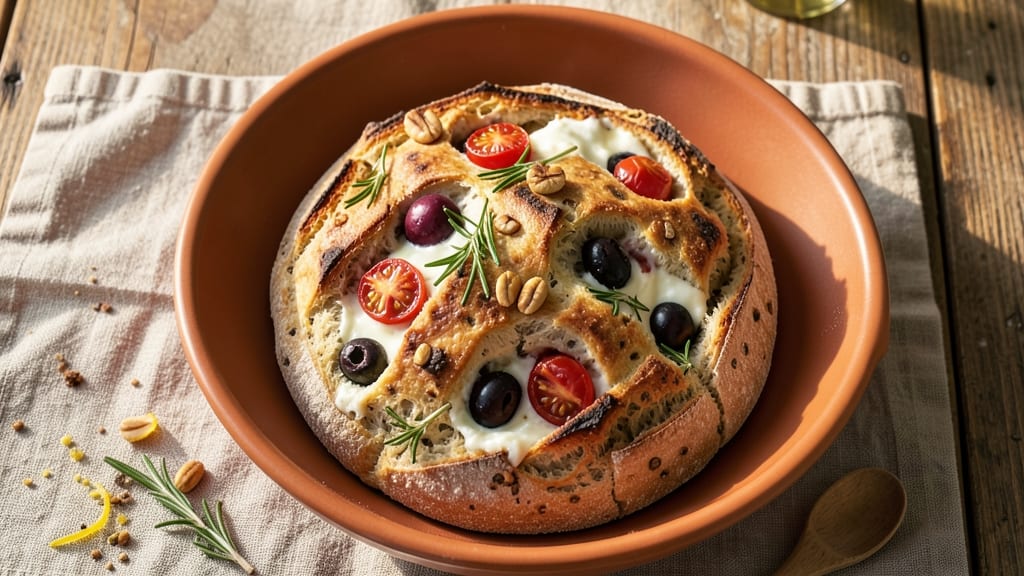
This artisan bread recipe with inclusions transforms simple dough into a masterpiece of texture and flavor—think warm spiced swirls and crispy surprises in every bite.
The secret lies in a long fermentation that develops deep flavor while keeping the crumb light and airy, paired with precise techniques for folding in inclusions without tearing the dough. I've perfected this method over years of baking, ensuring each loaf delivers that satisfying crunch and aromatic complexity.
The process begins with a simple yet robust dough that gets its character from a slow rise and careful handling. Inclusions—whether it's sharp cheddar and jalapeños or honey and walnuts—are folded in at just the right moment to create pockets of surprise while maintaining structure.
For authenticity, we'll use a Dutch oven for steam baking, which creates that signature crispy crust and oven spring that makes homemade bread feel like a bakery masterpiece.
What you'll end up with is a loaf that's as beautiful as it is delicious—golden crust with deep cracks, a tender yet chewy interior, and those delightful inclusions that add layers of flavor and texture.
The aroma alone will have everyone gathering around your kitchen, and the first bite will prove why homemade bread beats store-bought every time. This recipe delivers restaurant-quality results with the satisfaction of making it yourself.
Perfect for feeding a crowd or enjoying a fresh loaf with soup and butter, this bread becomes the star of any meal. The techniques are approachable yet professional, ensuring you'll achieve that artisan quality without the intimidation.
Let's get started on creating your signature loaf with warm spiced swirls and crunchy surprises waiting inside.
Ingredients for artisan bread recipe with inclusions
Simple flours, warm milk, and bold inclusions—this is your bread alchemy kit.
| Ingredient | Amount | Notes |
|---|---|---|
| All-Purpose Flour 🌾 | 5 cups | Spooned and leveled for accuracy |
| Whole Wheat Flour 🌾 | 1 cup | Adds nutty depth to crust |
| Instant Yeast 🍞 | ½ tsp | Active dry works too |
| Granulated Sugar 🍚 | 1 tbsp | Feeds yeast fermentation |
| Salt 🧂 | 2 tsp | Kosher or sea salt preferred |
| Whole Milk 🥛 | 1 ½ cups | Warmed to 110°F for activation |
| Unsalted Butter 🧈 | ½ cup | Cold and cubed for dough |
| Large Eggs 🥚 | 1 whole | Room temperature for mixing |
| Sharp Cheddar Cheese 🧀 | 1 cup | Shredded, aged for flavor |
| Jalapeños 🌶️ | ½ cup | Fresh, seeded and chopped |
| Honey 🍯 | ¼ cup | Wildflower preferred |
| Walnuts 🥜 | ½ cup | Toasted and roughly chopped |
| Cinnamon 🌿 | 1 tsp | Ground, for spiced swirls |
| Orange Zest 🍊 | 1 tbsp | Freshly grated for brightness |
| Coarse Sea Salt 🧂 | 1 tbsp | For final crust scoring |
The flours are where it all begins. King Arthur or Bob's Red Mill all-purpose flour gives that perfect balance of structure and tenderness, while the whole wheat adds just enough rustic bite. I always grab my flour from Whole Foods bulk bins—it stays fresher longer. For the inclusions, sharp cheddar like Cabot melts beautifully, and farmers market jalapeños pack more heat than grocery store ones. The honey? Local wildflower if you can find it—those subtle floral notes shine through. Toast your walnuts in a dry pan for 3-4 minutes until fragrant; that extra step makes all the difference.
No sharp cheddar? Pepper jack or smoked Gouda work too—just adjust the amount to taste. Running low on jalapeños? Dried chipotle peppers soaked in warm water add smoky depth, but cut the quantity in half. Honey too expensive? Maple syrup works in a pinch, though it's heavier. The orange zest can be swapped for lemon, but orange has that perfect brightness for bread. And if you're feeling fancy, add a pinch of cardamom to the spiced swirls—trust me, it's magical. For the butter, don't skip the cold cubes—room temp butter makes the dough too soft to handle.
This dough needs patience—it's worth the wait. After your first rise, cover with a damp towel and let it rise in a warm spot until doubled, about 1-2 hours. For the inclusions, I like to prep everything ahead: shred the cheese, chop the jalapeños, and toast the nuts while the dough rests. The shaped loaf keeps 2 days wrapped at room temp or 3 months frozen. For reheating, wrap in foil and warm at 350°F for 10 minutes—nothing beats that fresh-from-the-oven crunch. And if you make extras? Toast slices for 5 minutes to revive that bakery-fresh texture.
Why You'll Love This Recipe
- No-Knead Magic: I swear by this dough—just mix, let it rise, and shape. The whole wheat adds chew, but the all-purpose keeps it tender, so you’re not fighting a brick when you bake it.
- Sweet-Savory Flex: That touch of sugar caramelizes into crispy pockets while the salt cuts through—like a little flavor party in every bite. Honestly, I’ve used it for breakfast toast, dinner rolls, and even as a base for charcuterie.
- Weeknight Workhorse: Between us, this bread is my go-to for meal prep: slice it fresh, freeze half, and toast it straight from frozen. It’s the kind of thing that makes lazy nights feel like a win.
- Pantry Stretch: Whole wheat flour cuts costs, and one batch feeds my family for days. (Yes, even on a Tuesday night.) The yeast does all the work, so you’re not left with sad, dry loaves—just reliable, delicious bread.
Step-by-step instructions for artisan bread with inclusions
Here's how to create a bread with bold flavors and textures—where every bite delivers surprises.
Activate the Yeast and Prepare the Dough Base
In a small bowl, combine the 1.5 cups whole milk (warmed to 110°F) with the 1 tbsp granulated sugar and 0.5 tsp instant yeast. Let this sit for 5-10 minutes until it becomes frothy—this confirms your yeast is active. If it doesn't bubble, your bread won't rise properly.
In a large mixing bowl, whisk together the 5 cups all-purpose flour, 1 cup whole wheat flour, 2 tsp salt, and 1 tbsp orange zest. Make a well in the center and pour in the yeast mixture along with the 1 whole large egg and 0.5 cup unsalted butter (cold and cubed). Mix with a wooden spoon until a shaggy dough forms—this should take about 2-3 minutes of vigorous stirring.
Knead Until Silky and Elastic
Turn the dough onto a lightly floured surface and knead for 8-10 minutes until smooth and elastic. You'll know it's ready when it springs back slowly when poked and doesn't stick to your fingers. This step develops gluten, which gives your bread its structure and chew.
Real talk: If the dough feels too sticky, add 1 tablespoon of flour at a time until it's manageable. Too much flour makes bread dense, but a little helps when needed. Shape the dough into a ball, place it back in the bowl, and cover with a damp towel. Let it rise in a warm place for 1-2 hours or until doubled in size.
Prepare the Inclusion Filling
While the dough rises, make the filling by combining the 1 cup sharp cheddar cheese (shredded), 0.5 cup jalapeños (chopped), 0.5 cup walnuts (toasted and chopped), 0.25 cup honey, 1 tsp cinnamon, and 1 tbsp coarse sea salt in a small bowl. Mix well so the flavors meld—this will become the heart of your bread's surprises.
Toast the walnuts in a dry skillet over medium heat for 3-4 minutes until fragrant. This enhances their flavor and prevents them from being too soft in the finished bread. Let them cool slightly before adding to the filling mixture.
Shape and Add Inclusions
Once the dough has risen, punch it down to release air, then roll it out on a floured surface into a 12x18-inch rectangle (about ¼-inch thick). Spread the cheese-walnut-jalapeño mixture evenly over the dough, leaving a 1-inch border around the edges. This ensures the crust stays intact during baking.
Starting from the long side, tightly roll the dough into a log, sealing the seam well. Pinch the ends to prevent unraveling. Place the log seam-side down on a parchment-lined baking sheet and cover with a damp towel. Let it rise again for 30-45 minutes until puffy and slightly domed.
Bake to Golden Perfection
Preheat your oven to 375°F. Score the top of the bread with a sharp knife in a diagonal crisscross pattern using the 1 tbsp coarse sea salt to sprinkle along the cuts. This not only looks beautiful but also helps steam escape, creating a crispy crust.
Bake for 35-40 minutes until the bread is deep golden brown and sounds hollow when tapped on the bottom. The internal temperature should reach 190-200°F. If the top browns too quickly, tent with foil to prevent burning.
Let the bread cool on a wire rack for at least 30 minutes before slicing—this ensures the inclusions set properly and the crumb stays tender. Each slice should reveal pockets of cheesy, spicy, and nutty surprises with a crisp crust that contrasts perfectly.
Pro Tips For Making Artisan Bread Recipe With Inclusions
- Mix Flours First, Then Hydrate: I learned this the hard way—dumping whole wheat flour directly into wet ingredients creates gummy lumps that never fully hydrate. Sift or whisk the all-purpose and whole wheat flours together before adding liquids. This ensures even distribution and prevents dense pockets in your bread.
- Weigh Your Whole Wheat: Whole wheat flour is denser than all-purpose, and scooping it leads to inconsistent batches. Use a kitchen scale for accuracy—aim for 10-15% less whole wheat than the recipe calls for if you’re substituting. Trust me, your bread’s texture will thank you.
- Skip the Over-Kneading: This dough resists overwork like a stubborn toddler. Knead just until the ingredients come together—about 5-7 minutes by hand or 3-4 minutes in a stand mixer. Over-kneading develops too much gluten, which can make the bread tough, especially with whole wheat’s natural stiffness.
- Proof at Room Temp, Not Warm: Instant yeast works fast, but warm environments speed it up too much, leading to a collapsed loaf. Proof the dough in a draft-free spot at 70-72°F (like a turned-off oven with the light on) for 1-2 hours. Patience here guarantees a rise that holds—no sad, flat loaves.
Make-ahead tips for this artisan bread recipe with inclusions
Dough Prep Ahead
Make the dough base up to 24 hours ahead and refrigerate it in an airtight container. The cold slows fermentation, giving you more control over the final rise. When ready to bake, let it sit at room temperature for 1-2 hours until it's slightly puffy—this jumpstarts the yeast.
I often prep dough in the evening and bake first thing in the morning for that fresh-from-the-oven feel. 🌙
Inclusion Prep
Prep all inclusions the night before to streamline the process. Shred the sharp cheddar, chop the jalapeños, and toast the walnuts—store them separately in small containers.
Mix the filling ingredients (cheese, jalapeños, nuts, honey, cinnamon, and salt) just before rolling out the dough to keep the walnuts from getting soggy. This way, you're ready to roll and bake without last-minute prep chaos. ✨
Proofing Shortcut
Use the oven's lightbulb trick for faster proofing. Place the shaped loaf in a warm oven with the light on (turned off) for 15-20 minutes5 minutes before turning it off—this trapped heat keeps the dough warm and puffy. This method saves time without sacrificing rise quality. 🔥
Freezing Tips
Freeze fully baked bread in 1-inch slices wrapped tightly in plastic wrap and foil. This prevents freezer burn and makes it easy to toast individual portions later. Thaw slices at room temperature for 30 minutes before reheating in a 350°F oven for 5-7 minutes—this restores that bakery-fresh crunch.
Label bags with the date to track freshness. ❄️
Batch Baking
Double the recipe and bake two loaves simultaneously for gatherings. Use two Dutch ovens or bake one at a time in the same pot. For even baking, rotate the pans halfway through.
Store extras in a bread box or paper bag to maintain crispness. This approach ensures you always have fresh bread on hand without extra effort. 💫
Reheating Magic
Revive stale bread by wrapping it in foil and warming at 350°F for 10 minutes. For extra crispiness, broil for 1-2 minutes at the end. A sprinkle of water on the crust before reheating helps restore moisture.
This trick works wonders for bread that's been sitting for days—it tastes almost as good as fresh! 🌟
Nutrition facts
Frequently asked questions
What are the best inclusions to use in artisan bread?
Classic combinations include sharp cheddar with jalapeños, honey with walnuts, or caramelized onions with thyme. For a sweet version, try cinnamon-sugar swirls with dried fruit. The key is balancing textures—crunchy (nuts), creamy (cheese), or soft (fruit) all work beautifully. Start with ½ cup total inclusions per loaf to avoid overpowering the dough.
Can I make this bread without a Dutch oven?
Yes! If you don't have a Dutch oven, bake the bread on a baking sheet lined with parchment paper. For extra steam, place a metal bowl filled with hot water on the lower oven rack. The crust won't be as crispy, but the bread will still have great flavor. Alternatively, try a cast-iron skillet for a rustic look and improved texture.
Why did my dough tear when adding inclusions?
This usually happens when the dough is too sticky or you're overfilling it. First, ensure your dough has rested 1-2 hours after kneading to relax the gluten. Roll it out on a well-floured surface and keep the inclusion layer thin (¼-inch thick). If tears occur, gently press the edges together while rolling—don't stretch the dough. A 1-inch border around the edges helps prevent unraveling during baking.
How do I store leftover artisan bread?
For short-term storage (2 days), keep the bread in a paper bag or bread box at room temperature. For longer storage, wrap individual slices in plastic wrap and store in an airtight container in the freezer for up to 3 months. To maintain freshness, avoid plastic bags—they trap moisture and make bread soggy. Toast frozen slices directly from the freezer for 5-7 minutes at 350°F.
Can I substitute whole wheat flour with another type?
Yes, but adjust for texture. Whole wheat adds density, so replace it with white whole wheat flour (lighter) or spelt flour (similar structure). For a lighter loaf, reduce whole wheat to ½ cup and add ½ cup more all-purpose flour. Avoid rye flour—it's too heavy and can make the bread too dense. If you love whole grains, try buckwheat flour in small amounts (¼ cup max) for a nutty twist.