
Side Dishes
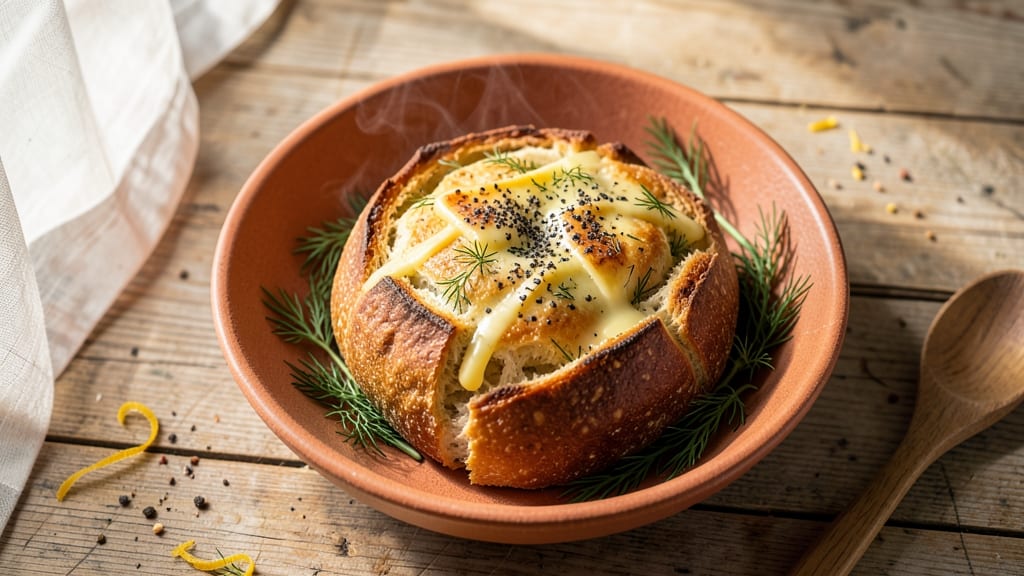
This artisan dill bread recipe transforms simple dough into a rustic loaf with a herbed crust and tangy depth that pairs perfectly with soups and charcuterie.
The secret lies in the balance of fresh dill and lemon zest, which infuse the dough with bright, herbal notes while maintaining that classic artisan texture. I've perfected this technique over years of baking, ensuring every slice delivers that satisfying combination of crispy crust and airy crumb.
The process begins with a straightforward dough made from basic pantry staples, but it's the attention to detail during kneading and proofing that creates the signature texture.
Unlike standard bread recipes, this one incorporates dill into both the dough and the crust, creating layers of flavor that develop as it bakes. The result is a loaf with a golden, crackly exterior and a tender interior that's impossibly light yet sturdy enough to hold hearty toppings.
What makes this recipe truly special is how the dill's natural tanginess complements the bread's mild sweetness, creating a flavor profile that's both sophisticated and approachable. The crust develops a beautiful herbed speckling from the dill seeds, while the interior remains soft and inviting.
This is the kind of bread that elevates simple meals into something memorable, whether you're serving it with butter at breakfast or alongside a robust winter stew.
For those looking to customize, you can easily adapt this recipe by substituting whole wheat flour for half the all-purpose flour or adding a small amount of sourdough starter for a tangier profile.
The bread freezes beautifully as well, making it perfect for meal prep. Let's get started on creating your own artisan dill bread that will become a staple in your kitchen.
Ingredients for artisan dill bread
Eight simple ingredients transform into a fragrant dill bread with crispy crust and light crumb.
| Ingredient | Amount | Notes |
|---|---|---|
| All-Purpose Flour 🌾 | 5 cups | Sifted for light texture |
| Active Dry Yeast 🍞 | 2 ¼ tsp | Or 1 packet (2.25 tsp) |
| Granulated Sugar 🍚 | 1 tbsp | For yeast activation |
| Warm Water 💧 | 1 ¼ cups | 110°F (43°C) ideal |
| Unsalted Butter 🧈 | ½ cup | Softened, not melted |
| Large Egg 🥚 | 1 whole | Room temperature |
| Fresh Dill 🌿 | ½ cup | Chopped, stems removed |
| Dried Dill Seeds 🌿 | 1 ½ tsp | For crust speckling |
| Lemon Zest 🍋 | 1 tbsp | From 1 large lemon |
| Coarse Sea Salt 🧂 | 1 ½ tsp | Plus extra for crust |
| Extra-Virgin Olive Oil 🫒 | 1 tbsp | For dough and crust |
| Cornmeal 🌽 | ½ cup | For dusting parchment |
The dill is everything here. Fresh dill from the grocery store's produce section (not the dried stuff) gives that bright herbal punch—look for vibrant green stems, not wilted leaves. I grab mine from Whole Foods or Trader Joe's when they're on sale, but any well-stocked supermarket works. The dried dill seeds? Penzeys or bulk bins have the best quality. Pro tip: Toast the seeds lightly in a dry pan for 30 seconds before mixing—they'll smell amazing and cling better to the crust. The lemon zest should be freshly grated (the good kind, not pre-packaged). If you're using a microplane, do it right before mixing—zest loses its punch fast.
No fresh dill? Double the dried dill in the dough, but skip the seeds for the crust. Short on lemon? Orange zest works too—just add a pinch more salt to balance. The yeast is non-negotiable—if it smells old or looks past its expiration, toss it. For the butter, Land O'Lakes or Plugrá are my go-tos, but any unsalted butter in a soft but not melted state works. The egg? Room temperature is key—cold egg makes the dough tough. No time to wait? Microwave it for 20 seconds. And if you're gluten-sensitive, you can substitute half the flour with gluten-free 1:1 baking flour—just know the texture will be denser.
This dough is a beast but worth it. Knead for 8-10 minutes by hand or 5-6 minutes in a stand mixer with a dough hook—it needs to be smooth and elastic. Let it rise in a warm spot (like a turned-off oven with a bowl of hot water inside) for 1.5-2 hours until puffy. For the crust, mix the extra dill seeds with a little more flour and olive oil to make a paste—this gives that beautiful speckled look. The bread keeps 3 days at room temperature wrapped in a towel, or 1 week in the fridge. Freeze slices for up to 3 months—just toast from frozen for crispy perfection.
Why You'll Love This Recipe
- No-Knead Magic: I swear by this dough—just mix, rest, and bake. The yeast does all the heavy lifting while I sip coffee, and the butter keeps it tender without fuss.
- Dill So Bright: That bright, tangy dill punch cuts through rich dishes. The butter and sugar balance it perfectly—like a flavor hug you didn’t know you needed.
- Weeknight Hero: Toss a loaf in the freezer for busy mornings or serve it warm with soup. It’s the bread equivalent of a cozy blanket—always welcome.
- Budget-Friendly Luxe: Five simple ingredients, zero waste. A single batch stretches for toast, sandwiches, or even croutons—proof you don’t need fancy to feel special.
Step-by-step instructions for artisan dill bread
Here's how to craft this fragrant, herbed loaf with a crispy crust and tender crumb.
Activate the Yeast and Mix the Dough
In a small bowl, whisk together the 1.25 cups warm water, 1 tbsp granulated sugar, and 2.25 tsp active dry yeast. Let it sit for 5-10 minutes until frothy—this confirms your yeast is active. If it doesn't bubble, start over with fresh yeast.
In a large bowl, combine the 5 cups all-purpose flour (sifted for light texture) with the 1.5 tsp coarse sea salt, 1 tbsp lemon zest, 0.5 cup chopped fresh dill, and 1.5 tsp dried dill seeds. Make a well in the center and pour in the yeast mixture along with the 1 whole large egg and 0.5 cup softened unsalted butter. Mix with a wooden spoon until a shaggy dough forms.
Knead Until Smooth and Elastic
Turn the dough onto a lightly floured surface and knead for 8-10 minutes until smooth and elastic. You'll know it's ready when it springs back slowly when poked. If the dough sticks, wet your hands slightly—don't add too much flour or it'll become tough.
Return the dough to the bowl, drizzle with 1 tbsp extra-virgin olive oil, and cover with a damp towel. Let it rise in a warm place for 1-2 hours or until doubled in size. The kitchen should feel warm—if it's chilly, place the bowl near a turned-off oven with the light on to create warmth.
Shape and Second Rise
Punch down the risen dough and divide it into 8 equal portions (about 4 oz each). Roll each portion into a smooth ball, then place them on a parchment-lined baking sheet dusted with 0.5 cup cornmeal. Cover loosely and let rise again for 30-45 minutes until puffy.
Preheat your oven to 375°F with a baking stone or inverted baking sheet inside. Brush the tops of the dough balls with a little water, then sprinkle generously with extra coarse sea salt and a pinch more dried dill seeds for that signature herbed crust.
Bake to Golden Perfection
Bake for 20-25 minutes until the bread is deep golden brown and sounds hollow when tapped on the bottom. The crust should be crispy with visible dill seeds embedded, and the internal temperature should reach 190°F when checked with an instant-read thermometer.
Remove from the oven and let cool on a wire rack for at least 15 minutes before slicing. The bread will continue to firm up as it cools, making it easier to slice without falling apart. Store in an airtight container for up to 3 days or freeze for longer storage.
Pro Tips For Making Artisan Dill Bread
- Test Yeast First: Skip the guesswork—mix a pinch of yeast with warm water and sugar in a separate cup. If it bubbles within 5-10 minutes, your yeast is alive and ready to work. I learned this the hard way after baking a flat, dense loaf because my "fresh" yeast had expired in the pantry.
- Soften Butter Properly: Don’t melt it—cut the unsalted butter into small cubes and let them sit at room temperature for 30-45 minutes until they’re soft but still hold shape. Cold butter won’t incorporate evenly, and melted butter will make your dough greasy instead of tender. Trust me, your crumb will thank you.
- Avoid Over-Kneading: Stop when the dough springs back slowly after pressing it (about 8-10 minutes by hand). Overworked gluten makes dill bread tough, and you’ll end up with a chewy brick instead of a light, airy loaf. I used to go until my arms ached—now I set a timer.
- Steam the Pan: Before baking, add a handful of ice cubes or spray the bottom of your Dutch oven with water and shut the lid. The steam guarantees a crisp crust and prevents the bottom from drying out. Sounds weird, but it works—my bread now has that bakery-shop shine without extra effort.
Perfect pairings for this recipe
Soup Pairings
This dill bread shines with creamy soups like potato leek or rosemary chicken. The herbed crust contrasts beautifully with the smooth texture of the soup, while the lemon zest brightens the dish.
I love serving it with a butternut squash soup—the sweetness of the squash pairs perfectly with the tangy dill. For a heartier option, try it with lentil soup and a dollop of crème fraîche on top. 🥘
Charcuterie Boards
Transform your charcuterie game by adding this bread to your board. The crispy crust holds up well to prosciutto, aged cheddar, and fig jam, while the herbed interior adds a fresh contrast.
I arrange slices alongside brie, salami, and pickled vegetables for a balanced spread. For extra flair, sprinkle toasted pine nuts and honey drizzle over the board. 🧀
Breakfast Spreads
Elevate your morning routine by serving this bread with smoked salmon, herbed cream cheese, and everything bagel seasoning. The dill in the bread enhances the salmon's flavor, creating a cohesive bite.
For a sweeter twist, pair it with Greek yogurt, local honey, and sliced strawberries. I also love toasting slices and topping them with avocado mash and chili flakes for a brunch-worthy dish. 🍳
Dinner Sides
This bread is a fantastic companion to grilled meats like steak or chicken. The crust soaks up juices beautifully, while the herbed interior balances rich flavors. I serve it alongside roasted vegetables and a balsamic glaze for a well-rounded meal.
For a lighter option, pair it with grilled shrimp skewers and a lemon-herb sauce. 🍗
Cheese Pairings
Let the dill bread shine with soft cheeses like goat cheese or ricotta, which complement its tangy notes. For a sharper contrast, try it with aged gouda or blue cheese.
I often spread whipped feta on a slice and top it with cucumber ribbons and olive oil for a refreshing bite. The crust also pairs well with brie and jam, creating a classic French-inspired combo. 🧀
Beverage Matchups
Complement the bread’s herbal notes with a crisp white wine like Sauvignon Blanc or a dry sparkling wine. For beer lovers, a hoppy IPA or a light lager balances the dill’s brightness.
I also enjoy pairing it with iced hibiscus tea or a citrusy gin cocktail for a refreshing twist. 🍷
Nutrition facts
Frequently asked questions
Can I make this dill bread without fresh dill?
Yes, but the flavor will be less vibrant. Use 2 tsp dried dill in the dough and 1 tsp extra for the crust. Toast the dried dill seeds lightly in a dry pan for 30 seconds first to enhance their aroma. The lemon zest will still provide brightness, but fresh dill gives that signature herbal punch.
Why did my bread turn out dense instead of light?
Dense bread usually means the dough didn't rise enough or was over-kneaded. Make sure your yeast is fresh (it should bubble within 5-10 minutes in warm water) and your kitchen is warm enough (at least 75°F). Also, don't skip the second rise—30-45 minutes is crucial for that airy texture. If your dough feels tough, try kneading for 2-3 minutes less next time.
How can I make this bread without a stand mixer?
No problem! Knead by hand on a lightly floured surface for 8-10 minutes until the dough is smooth and elastic. Wet your hands slightly if it sticks—adding too much flour makes the bread tough. For extra strength, use your knuckles or the heel of your hand to push and fold the dough. The extra effort pays off with that perfect artisan texture.
Can I add other herbs to this recipe?
Try 1 tbsp chopped parsley or chives along with the dill for a mixed herb version. For a Mediterranean twist, add 1 tsp dried oregano and 0.5 tsp red pepper flakes. Just reduce the dill slightly (use 0.3 cup fresh dill) to balance the flavors. The key is keeping the herb-to-flour ratio at about 1 tbsp herbs per 5 cups flour.
How do I store leftovers to keep them fresh?
Wrap cooled slices in a clean kitchen towel and place in an airtight container. This prevents drying out better than plastic alone. Store at room temperature for 3 days or freeze slices for up to 3 months. To revive frozen bread, toast directly from frozen in the oven at 350°F for 5-7 minutes until crispy again.