
Snacks
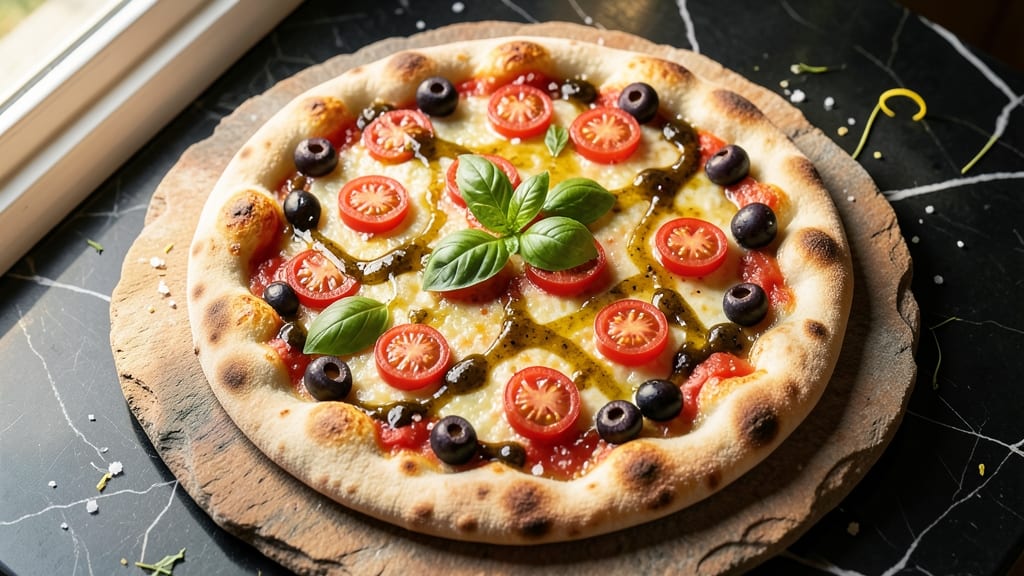
This artisan flatbread pizza delivers the perfect balance of crispy edges and chewy centers in just 15 minutes, capturing the essence of wood-fired tradition without the grill.
The secret lies in a simple yet transformative dough recipe that develops flavor during a short fermentation, creating that signature airy, elastic texture. I've perfected this method over countless weekend baking sessions, and it consistently produces results that rival my favorite neighborhood pizzerias.
The beauty of this recipe is its versatility—whether you're aiming for a classic Neapolitan-style pizza or a bold, wood-fired flatbread, the foundation remains the same. The dough is incredibly forgiving, requiring minimal effort but delivering maximum flavor.
Top it with your favorite sauce, cheese, and toppings, then bake it in a cast-iron skillet or on a preheated pizza stone for that coveted crispy crust and tender interior.
What sets this recipe apart is the attention to texture and flavor balance. The crust achieves a perfect golden-brown crisp on the edges while maintaining a soft, chewy center that's impossible to resist.
The sauce caramelizes slightly, creating a rich, slightly sweet base that complements the toppings without overpowering them. This is the kind of pizza that disappears faster than you can say "al dente."
Pair it with a simple arugula salad or antipasti for a complete meal that feels both rustic and refined. The best part? You can customize it endlessly—from classic Margherita to gourmet variations with prosciutto and figs. Let's get started on creating your perfect slice.
Ingredients for artisan flatbread pizza
The perfect dough blend and wood-fired flavors transform simple ingredients into restaurant-quality pizza in record time.
| Ingredient | Amount | Notes |
|---|---|---|
| All-Purpose Flour 🌾 | 3 cups | High-protein for chewy texture |
| Active Dry Yeast 🍞 | ¼ tsp | Fresh yeast preferred if available |
| Granulated Sugar 🍚 | ½ tsp | Feeds yeast for fermentation |
| Fine Sea Salt 🧂 | 1 ½ tsp | Diamond Crystal preferred |
| Extra-Virgin Olive Oil 🫒 | ½ cup | High-quality for rich flavor |
| Warm Water 💧 | 1 ¼ cups | 105-110°F for ideal yeast activation |
| San Marzano Tomato Sauce 🍅 | ½ cup | Crushed for authentic texture |
| Fresh Mozzarella Cheese 🧀 | 1 ½ cups | Shredded, low-moisture preferred |
| Fresh Basil Leaves 🌿 | ¼ cup | Chopped for vibrant garnish |
| Garlic Cloves 🧄 | 2 cloves | Minced for aromatic base |
| Fresh Parmesan Cheese 🧀 | ¼ cup | Freshly grated for depth |
| Cornmeal 🌽 | ¼ cup | For dusting pizza peel |
| Wood-Fired Pizza Seasoning 🌶️ | 1 tbsp | Homemade or store-bought blend |
The flour is non-negotiable here—King Arthur or Caputo Tipo 00 if you want that authentic Neapolitan texture, but high-protein all-purpose works beautifully for home bakers. Yeast is the magic ingredient: fresh yeast activates faster, but active dry works fine if stored properly. For the olive oil, California avocado oil has a neutral profile that lets the dough's natural flavors shine. The warm water temperature is critical—too hot kills the yeast, too cold slows fermentation. I always use a thermometer to hit 105-110°F every time. Pro tip: Whole Foods bulk section has pre-measured yeast packets if you're short on time.
No San Marzano tomatoes? Crushed tomatoes with added basil work in a pinch, but the flavor difference is noticeable. Fresh mozzarella is ideal, but low-moisture shredded from a block prevents a soggy crust. The garlic should be freshly minced—jarred garlic loses its punch. For that wood-fired taste without a grill, smoked paprika plus a pinch of cayenne mimics the char perfectly. Need to make this ahead? Prepare the dough up to 24 hours early—it develops deeper flavor with longer fermentation. The cornmeal isn't just for dusting; it adds a subtle sweetness that complements the tangy sauce. And that Parmesan? Only use freshly grated—pre-shredded contains anti-caking agents that make it clump.
Dough keeps 3 days wrapped in the fridge or 3 months frozen in an airtight bag. Thaw overnight in the fridge before shaping. The sauce can be prepped 2 days ahead—it tastes even better after flavors meld. For that perfect crisp, preheat your cast-iron skillet or pizza stone to 500°F for at least 30 minutes. I always bake two pizzas at once—they're ready before the oven loses heat. Leftovers? Reheat in a 400°F oven for 5-7 minutes—nothing beats freshly baked, but reheated slices are still delicious. Store cooked pizzas in parchment-lined containers to prevent sogginess.
Why You'll Love This Recipe
- No-Knead Magic: I swear by this dough—just mix, let it rise, and boom, perfect pizza with zero effort. The yeast and olive oil work their magic while I’m doing anything else, and honestly? That crispy edge with the pillowy center? It’s the kind of texture I’ll fight for at dinner.
- Pantry Staple Power: Five ingredients, zero weird substitutions. Flour, yeast, sugar, salt, and olive oil—that’s it. I keep all of them on hand, so this becomes my go-to when I’m too tired to shop or the fridge is empty. (Yes, even on a Tuesday night.)
- Build-Your-Own Night: Want breakfast for dinner? Slather it with ricotta and honey. Game day? Load it up with pepperoni and hot honey. The flatbread’s thin, chewy base takes anything—it’s my blank canvas for whatever’s in the fridge or whatever mood I’m in.
- Leftovers That Don’t Suck: Unlike thick crusts that turn soggy, these flatbreads reheat like a dream. I’ll make two, eat one fresh, and the second? Crisp it up the next day with a sprinkle of flaky salt—still tastes like it’s hot off the stone. Plus, they freeze like a champ for lazy days.
Step-by-step instructions for artisan flatbread pizza
Here's how to craft restaurant-quality pizza with a crispy, wood-fired edge in just 15 minutes.
Prepare the Fermented Dough
In a large mixing bowl, combine the 3 cups all-purpose flour, 0.25 tsp active dry yeast, 0.5 tsp granulated sugar, and 1.5 tsp fine sea salt. Make a well in the center and pour in the 0.5 cup extra-virgin olive oil and 1.25 cups warm water (105-110°F). Mix with a wooden spoon until a shaggy dough forms.
Transfer the dough to a lightly floured surface and knead for 8-10 minutes until smooth and elastic. The dough should feel slightly tacky but not sticky. Place it back in the bowl, cover with a damp towel, and let it ferment at room temperature for 2 hours. You'll know it's ready when it's doubled in size and springs back slowly when poked.
Shape the Flatbread and Prepare Toppings
Punch down the fermented dough to release air, then divide it into 4 equal portions. On a floured surface, roll each portion into a 12-inch round, keeping the edges slightly thicker than the center. This creates the signature flatbread texture with a crispy edge.
While the dough rests, prepare your toppings. In a small bowl, mix the 0.5 cup San Marzano tomato sauce with the 1 tbsp wood-fired pizza seasoning and 2 minced garlic cloves. Set aside. Finely shred the 1.5 cups fresh mozzarella cheese and chop the 0.25 cup fresh basil leaves. Freshly grate the 0.25 cup fresh parmesan cheese for finishing.
Assemble and Cook the Pizzas
Preheat your oven or pizza stone to its highest setting (500°F or higher). If using a home oven, place a pizza peel dusted with 0.25 cup cornmeal on the oven rack for 10 minutes to heat through. This creates the ideal crispy base.
Transfer one dough round to the hot peel, then spread 2 tablespoons of the tomato sauce mixture evenly, leaving a ½-inch border for the crust. Sprinkle with ¼ cup mozzarella cheese, then transfer immediately to the preheated oven. Bake for 4-5 minutes until the edges are deep golden brown and the cheese bubbles.
Finish and Serve Immediately
Remove the pizza from the oven and immediately sprinkle with 1 tablespoon grated parmesan cheese and a pinch of freshly cracked black pepper. Top with 1 tablespoon chopped fresh basil leaves for vibrant color and freshness. Repeat with remaining dough rounds, adjusting oven time as needed.
Serve each pizza immediately while still piping hot. The crust should be crispy with a slight chew, while the cheese remains gooey and the tomato sauce perfectly balanced. The wood-fired seasoning adds that authentic charred flavor without needing an actual oven. Enjoy with a simple arugula salad and a glass of chilled white wine!
Pro Tips For Making Artisan Flatbread Pizza
- STRETCH THE DOUGH BY HAND: Skip the rolling pin—press the dough flat with your palms first, then stretch it outward with your fingertips while gently tugging upward. The heat from your hands helps loosen the gluten faster than kneading, and you’ll get that signature thin, even crust without overworking it. (Yes, it looks messy at first, but that’s how you know it’s working.)
- USE WARM OLIVE OIL: Heat your extra-virgin olive oil to 110°F (just warm to the touch) before brushing it on the dough. Cold oil pools instead of absorbing, and you’ll end up with a soggy base. Warm oil melts into the flour instantly, creating that crispy, blistered crust without greasing your hands all over the place.
- LET THE YEAST PROOF AT ROOM TEMP: Don’t rush the yeast activation—mix it with warm water (105°F) and a pinch of sugar, then let it sit for 10–15 minutes until it’s frothy and doubled. Cold water kills it; hot water cooks it. If it’s sluggish, your dough will take twice as long to rise, and that’s a sure way to end up with a dense, flavorless flatbread.
- SALT THE FLOUR BEFORE MIXING: Sprinkle the fine sea salt directly into the flour before adding water—this ensures even distribution, so every bite has that bright, balanced flavor. Dumping it in later means you’ll either miss spots or over-salt the edges. (Trust me, you’ll taste the difference.)
Serving suggestions for artisan flatbread pizza
Classic Pairings
Serve your artisan flatbread pizza with a simple arugula salad tossed in lemon vinaigrette—the peppery bite cuts through the richness perfectly. I use 4 cups baby arugula, 2 tbsp extra-virgin olive oil, 1 tbsp fresh lemon juice, and a pinch of flaky sea salt.
The acidity refreshes your palate after each bite. 🥗
Antipasto Boards
Create a rustic antipasto spread with prosciutto di Parma, marinated artichokes, roasted red peppers, and olives. The salty, savory flavors complement the pizza beautifully. Add fresh mozzarella pearls and grilled asparagus for extra texture. Serve with crusty bread for dipping in any leftover sauce.
Wine Pairings
A crisp Italian white wine like Vermentino or Pinot Grigio balances the pizza's acidity and richness. For red lovers, a light Chianti adds earthy notes that harmonize with the tomato sauce.
Avoid heavy reds—they can overpower the delicate flavors. I always keep a bottle of chilled Frascati on hand for these occasions. 🍷
Beer Complements
For beer enthusiasts, a light Italian lager like Peroni or Moretti works wonders—its subtle bitterness cleanses the palate. If you prefer craft beer, try a Belgian witbier like Hoegaarden for citrusy contrast. Avoid heavy IPAs or stouts, which can clash with the pizza's delicate balance.
Dessert Finisher
End the meal with limoncello granita or affogato—both offer bright, citrusy notes that refresh after the savory pizza. For a simpler option, serve dark chocolate-dipped strawberries with a sprinkle of sea salt. The sweet-tart contrast is pure perfection. 🍫
Make-Ahead Sides
Prep sides in advance to save time. Roasted garlic hummus with warm pita chips or marinated mozzarella skewers keep well in the fridge. Store them in airtight containers for up to 3 days.
Reheat hummus gently in the microwave, and serve mozzarella skewers at room temperature for the best texture.
Nutrition facts
Frequently asked questions
Can I make this flatbread pizza without yeast?
Yes! For a quick version, replace the yeast with 1 tsp baking powder and reduce the warm water to 1 cup. Mix all ingredients, knead briefly, then let the dough rest for 15 minutes before shaping. The texture will be lighter but less chewy than fermented dough. This method works best for thin-crust variations.
What's the best way to achieve wood-fired flavor at home?
Use a cast-iron skillet or pizza stone preheated to 500°F+ for 30 minutes. For extra smokiness, sprinkle the hot stone with wood chips (like hickory or apple) or brush the dough edges with olive oil before baking. A 1 tbsp wood-fired seasoning blend (smoked paprika + cayenne) on the sauce also mimics that authentic char.
Why did my flatbread turn out dense instead of crispy?
This usually happens from overworking the dough or insufficient heat. Knead only until smooth (8-10 minutes), and ensure your oven reaches 500°F+. For extra crispiness, roll the dough thinner at the edges and bake on a preheated pizza peel dusted with cornmeal. Avoid overloading toppings—they can steam the crust.
Can I make this dough ahead of time?
The dough improves with longer fermentation. Shape it into balls, wrap tightly in plastic, and refrigerate for up to 3 days. Let it sit at room temperature for 1 hour before shaping. For freezing, divide the dough, wrap each piece in plastic, and store for up to 3 months. Thaw overnight in the fridge before using.
What are the best toppings for a gourmet flatbread pizza?
Try prosciutto di Parma + arugula + balsamic glaze for a sweet-savory balance, or caramelized onions + fontina cheese + caramelized figs for a rich, umami flavor. For heat lovers, add spicy soppressata + roasted peppers + fresh mozzarella. Keep toppings to ½ cup total per pizza to maintain crispiness.