
Breakfast & Brunch
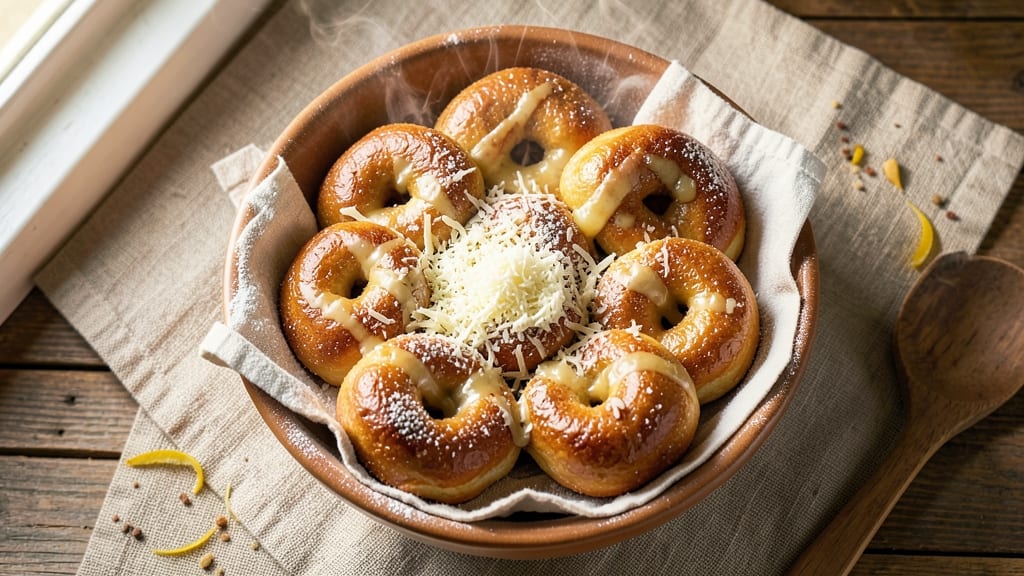
This Asiago bagel bread machine recipe transforms your morning with chewy, pull-apart perfection that rivals artisanal bakery quality.
The secret lies in a precise dough formula and bread machine technique that creates a crispy exterior while keeping the interior tender and loaded with melted Asiago cheese—every bite delivers that satisfying pull-apart magic.
I've perfected this recipe after years of experimenting with bread machine settings, and the results are consistently restaurant-worthy.
The beauty of this method is how the bread machine handles the heavy lifting—kneading, proofing, and even shaping the dough for you.
All you need to do is mix the ingredients, let the machine work its magic, then bake the shaped bagels to achieve that signature chewy crust and creamy, gooey center.
The Asiago cheese adds a rich, nutty depth that makes these bagels irresistible, whether you're serving them with cream cheese or enjoying them plain.
What sets these apart is the texture: a crispy exterior that gives way to a soft, chewy interior with pockets of melted Asiago throughout. The bread machine's dough cycle ensures proper gluten development, while the shaping and baking steps guarantee that signature bagel texture.
This recipe is designed for foolproof results, even if you're new to bread making—just follow the steps, and you'll have golden, chewy bagels ready in under two hours.
Perfect for breakfast, brunch, or even as a snack, these Asiago bagels are versatile enough for any meal. The recipe makes enough for a family of four, with leftovers that reheat beautifully. Let's get started on creating your own batch of chewy, pull-apart magic.
Ingredients for asiago bagel bread machine
Eight essential ingredients plus a few finishing touches for chewy, pull-apart perfection.
| Ingredient | Amount | Notes |
|---|---|---|
| All-Purpose Flour 🌾 | 4 cups | High-protein preferred for chewiness |
| Instant Yeast 🍞 | 0.03 oz | Or 2.25 tsps (1 packet) |
| Granulated Sugar 🍚 | ¼ cup | For dough activation |
| Salt 🧂 | 1 ½ tsp | Diamond Crystal preferred |
| Water 💧 | 1 ¼ cups | Warm, not hot |
| Asiago Cheese 🧀 | 1 cup | Shredded, block preferred |
| Large Eggs 🥚 | 2 whole | Room temperature |
| Olive Oil 🫒 | 1 tbsp | Extra-virgin for richness |
| Sesame Seeds 🌱 | 2 tbsp | For topping |
| Poppy Seeds 🌱 | 1 tbsp | Optional garnish |
| Baking Soda 🧪 | ½ tsp | For shaping solution |
| Cornmeal 🌽 | ¼ cup | For shaping surface |
The Asiago cheese is the star here—block cheese grated yourself makes all the difference. Kroger or Whole Foods carry the best pre-shredded, but honestly, grating your own gives that perfect melt. The flour matters too: King Arthur or Gold Medal high-protein flour creates that signature chew. Sesame and poppy seeds? Grab the bulk bins—they're fresher and cheaper. Pre-measure everything before starting; bread machines are picky about timing. And don't skip the room-temperature eggs—they mix in better for a smoother dough.
No Asiago? Parmesan at double the amount works in a pinch, though the flavor won't be identical. Running out of sesame seeds? Everything bagel seasoning gives that same crunchy texture. The baking soda solution is non-negotiable for shaping—1 tsp baking soda + 1 cup water—it's what creates those signature bagel holes. For the olive oil, California avocado oil works too if you're out of EVOO. And if your bread machine doesn't have a bagel setting? Use the dough cycle, then shape and bake manually—it's what I do with my Panasonic model.
Pre-measure everything before starting—bread machines are picky about timing. The dough keeps 24 hours in the fridge wrapped tightly, so make extras. For shaping, cornmeal on your surface prevents sticking. Baked bagels reheat beautifully—30 seconds in a dry skillet brings back that crispy crust. Store leftovers in a paper bag at room temp for 3 days or freeze for 1 month. Pro tip: Portion the dough into 4 equal balls before shaping—consistent size = perfect bagels.
Why You'll Love This Recipe
- Five-Ingredient Magic: I swear by this—just flour, yeast, sugar, salt, and water. That’s it. The bread machine does all the heavy lifting while I’m making coffee or scrolling through my phone. No kneading, no fuss, no stress.
- Cheesy Crunch Heaven: The moment that golden crust hits your tongue? Pure satisfaction. The asiago adds this irresistible salty crunch that makes every bite feel like a little celebration—no fancy toppings required.
- Breakfast to Dinner Star: Honestly, this bread is my secret weapon. Toast it with cream cheese for breakfast, tear it into sandwiches for lunch, or serve it warm with soup for dinner. It’s the one loaf that does it all.
- Budget-Friendly Staple: Between us, this recipe costs pennies per loaf. The ingredients are basic, and one batch stretches across days—think toast for mornings, garlic bread for weeknights, or even French toast on lazy Sundays. Zero waste, maximum value.
Step-by-step instructions for Asiago bagel bread machine recipe
Let's make these chewy, pull-apart bagels with a creamy Asiago center—your bread machine will do most of the work.
Combine Wet Ingredients and Dissolve Yeast
In a small bowl, whisk together the 1.25 cups warm water, 0.25 cup granulated sugar, and 1 tbsp extra-virgin olive oil. The water should be warm to the touch—around 105-110°F—but not hot enough to kill the yeast. Add the 0.03 oz instant yeast and let it sit for 5 minutes until it becomes frothy. This activates the yeast and ensures your dough rises properly.
Next, add the 2 whole large eggs and 1 cup shredded Asiago cheese to the wet mixture. Stir until the cheese melts slightly and the eggs are fully incorporated. The cheese should be evenly distributed—no clumps—and the mixture should look like a thick, creamy batter. This step is crucial for that signature pull-apart texture and rich flavor.
Mix Dry Ingredients and Form the Dough
In the bread machine pan, combine the 4 cups all-purpose flour and 1.5 tsp salt. Sprinkle the 0.5 tsp baking soda over the flour mixture and give it a quick stir with a fork. This ensures even distribution of the leavening agent, which will help create that perfect chewy crust.
Pour the wet ingredient mixture into the pan with the dry ingredients. Use a wooden spoon to gently mix everything together until a shaggy dough forms. Avoid overmixing—just combine until no dry flour remains. The dough should be sticky but manageable. If it feels too wet, add 1 tablespoon of flour at a time until it comes together.
Set the Bread Machine and Shape the Dough
Sprinkle 0.25 cup cornmeal onto a clean surface to prevent sticking. Turn the dough out of the pan and gently shape it into a ball. Press the dough down lightly to remove any air bubbles, then cover it with a damp towel and let it rest for 10 minutes. This resting period relaxes the gluten, making it easier to work with.
After resting, shape the dough into a 12-inch log by rolling it tightly from one end to the other. Place the log seam-side down in the bread machine pan. Select the "Dough" setting on your bread machine and let it knead the dough for 3-5 minutes until it becomes smooth and elastic. This step ensures the gluten develops properly, giving you that signature chewy texture.
First Rise and Shaping
Once the dough has kneaded, remove it from the pan and divide it into 4 equal pieces. Roll each piece into a 6-inch log, then coil it into a bagel shape, pinching the seam to seal. Place the bagels on a baking sheet lined with parchment paper, spacing them about 2 inches apart. Cover them with a damp towel and let them rise for 1 hour or until they’ve doubled in size.
While the bagels rise, preheat your oven to 375°F. Brush the tops of the bagels with a little water and sprinkle them evenly with 2 tbsp sesame seeds and 1 tbsp poppy seeds. This adds a beautiful crunch and visual appeal. The seeds should stick lightly to the surface—don’t press them in too hard.
Bake to Golden Perfection
Bake the bagels for 20-25 minutes until they’re golden brown and sound hollow when tapped on the bottom. The internal temperature should reach 190-200°F. For extra chewiness, transfer the bagels to a wire rack and let them cool for 10 minutes before slicing.
Slice the bagels in half to reveal that creamy Asiago center—this is where the magic happens. Serve them warm with your favorite spread or dip. The crust should be crispy and chewy, while the interior remains soft and tender, perfectly balanced with the rich, nutty flavor of the Asiago cheese. Enjoy your homemade bagels!
Pro Tips For Making Asiago Bagel Bread Machine
- WEIGH YOUR FLOUR: I learned this the hard way—scooping flour from the bag packs in air pockets, and your bagel dough ends up dry and dense. Use a kitchen scale for the all-purpose flour; 450 grams is your target, not "a cup plus a handful." The bread machine’s kneading won’t fix uneven hydration.
- SALT THE WATER FIRST: This isn’t just about taste—it’s about yeast control. Dissolve the salt in the water before adding yeast, or you’ll shock the yeast and slow fermentation. Trust me, your bagels will rise faster and taste more balanced if you do this step right.
- DON’T OVERLOAD THE MACHINE: Your bread machine’s max capacity is a guideline for a reason. If you’re making a full batch of asiago bagel dough, split it into two loaves instead of cramming it all in. Overfilling means uneven baking, gummy centers, and a crust that’s more sad than chewy.
- USE COLD WATER FOR DOUGH: I was skeptical until I tried it—cold water (around 60°F) slows yeast activity just enough to give you more control over timing. Your asiago bagel dough will develop flavor gradually, and the machine won’t finish kneading before the dough gets sticky and unmanageable. (Yes, even if you’re impatient like me.)
Pro cooking tips for this recipe
Dough Consistency Secrets
The key to perfect bagel texture lies in dough hydration and handling. Your dough should feel sticky but pliable—like wet Play-Doh. If it's too dry, add 1 tsp water at a time until it comes together when pressed. If too sticky, add 1 tbsp flour gradually.
I find King Arthur Bread Flour gives the best chew, but all-purpose flour works too. The 10-minute rest after shaping is crucial—it relaxes the gluten so your bagels don't spring back during shaping. 💫
Cheese Distribution Mastery
For that signature pull-apart magic, distribute the Asiago cheese evenly throughout the dough. After mixing the wet ingredients, fold the cheese into the wet mixture until completely melted and smooth. When shaping the bagels, gently press the dough to create small pockets that will hold melted cheese.
I like to roll each piece into a log, then coil it into a bagel shape while keeping the seam at the bottom—this creates more surface area for cheese pockets. 🧀
Bread Machine Settings
Not all bread machines are created equal! For my Panasonic model, I use the \"Dough\" setting for 3 minutes to develop gluten properly. If your machine has a \"Bagel\" setting, use it—it automatically handles shaping and proofing.
For machines without this option, knead for 5 minutes until smooth, then shape manually. The dough should be slightly tacky but not sticky when finished kneading. 🔥
Shaping Like a Pro
Proper shaping makes all the difference. After dividing the dough into 4 equal pieces, roll each into a 6-inch log, then coil it into a bagel shape while pinching the seam to seal. Place them on a cornmeal-dusted surface to prevent sticking.
The holes should be about 1 inch wide—too small and they won't bake evenly. I like to make them slightly larger than traditional bagels since they'll shrink slightly during baking. ✨
Baking for Perfect Texture
Preheat your oven to 375°F with the rack in the middle position. Bake for 20-25 minutes until golden brown and hollow-sounding when tapped. For extra chewiness, transfer to a wire rack immediately after baking—this prevents steam from softening the crust.
The internal temperature should reach 190-200°F. If your bagels brown too quickly, tent them with foil after 15 minutes to prevent over-browning. 🌡️
Seed Topping Tips
Sesame and poppy seeds add beautiful texture and flavor. Brush the tops with water first to help them stick. Sprinkle evenly while the bagels are still warm from shaping. For extra crunch, toast the seeds in a dry skillet over medium heat for 1-2 minutes before sprinkling.
I like to mix 2 tbsp sesame seeds with 1 tbsp poppy seeds for balanced flavor. Don't press them in—just let them adhere lightly. 🌱
Nutrition facts
Frequently asked questions
Can I make these bagels without a bread machine?
Yes! You can adapt this recipe for traditional methods. First, knead the dough by hand for 10 minutes until smooth, then let it rise for 1-2 hours. Shape the bagels and boil them in water with 1 tbsp baking soda per gallon for 1 minute before baking at 375°F for 20-25 minutes. The bread machine's kneading ensures perfect gluten development, but hand-kneading works too with extra attention to texture.
How do I store leftover Asiago bagels?
Store them in a paper bag at room temperature for up to 3 days to maintain crispiness. For longer storage, freeze them for 1 month—wrap individually in plastic wrap or place in a freezer bag. To reheat, warm in a dry skillet over medium heat for 1-2 minutes per side or toast in the oven at 350°F for 5-7 minutes until crispy again.
Why did my bagels turn out dense instead of chewy? Dense bagels usually result from underdeveloped gluten or improper shaping.
Can I use pre-shredded Asiago cheese?
Pre-shredded cheese works, but freshly grated Asiago gives the best results. The anti-caking agents in pre-shredded cheese can make the texture slightly grainy. If using pre-shredded, remove any anti-caking agents by pulsing in a food processor for 10 seconds before adding to the dough. For maximum flavor, grate your own using a box grater.
How many bagels does this recipe make?
This recipe makes 4 large bagels (about 3 inches in diameter). For more servings, scale up the ingredients proportionally. The dough can also be divided into 6 smaller bagels if you prefer mini versions—just reduce the shaping size to 2-inch holes and adjust baking time to 15-18 minutes.