
Breakfast & Brunch
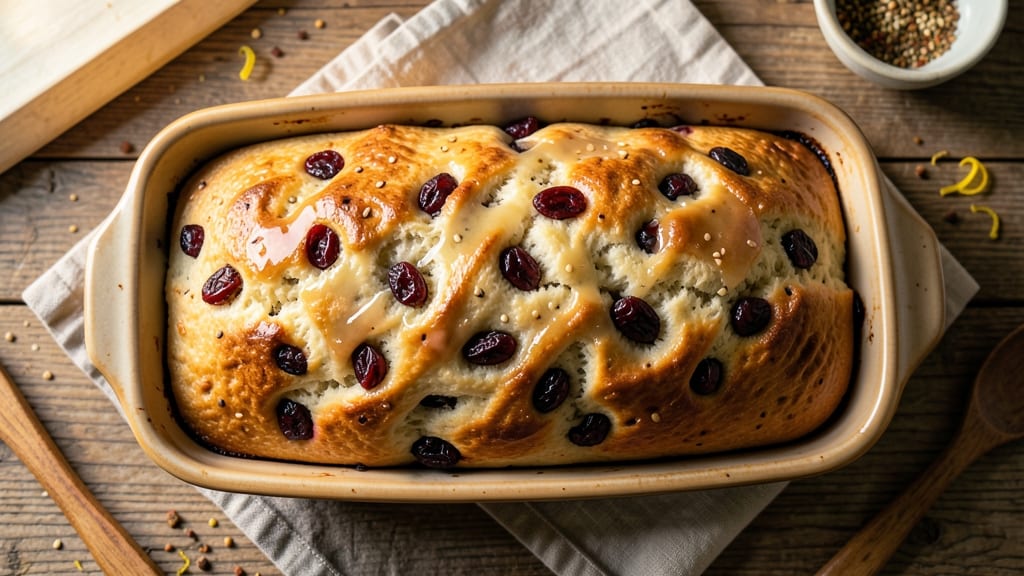
This Asian raisin bread recipe delivers the perfect balance of fragrant cardamom and sweet plum swirls—inspired by traditional Japanese milk bread but elevated with warm spices and juicy raisins.
The dough develops a tender, slightly chewy texture with a crisp crust, while the cardamom-infused filling adds an aromatic depth that pairs beautifully with morning tea or coffee. I’ve refined this recipe over years of baking, ensuring the raisins stay plump and the swirls stay intact through baking.
The magic lies in the two-stage proofing—first a slow rise in the fridge overnight for deep flavor development, then a quick room-temperature proof before baking. This method creates that signature soft, airy crumb while keeping the bread’s structure intact.
The dough is forgiving enough for beginners but yields restaurant-quality results when baked to golden perfection. Every slice reveals a tender crumb with pockets of sweet plum and cardamom, making it a showstopper for brunch or dessert.
Serve this bread warm with a pat of butter or drizzled with honey for a decadent treat, or enjoy it at room temperature with a cup of jasmine tea for the full Asian-inspired experience.
The recipe scales easily for parties or gifting, and the dough can be prepped ahead, making it ideal for busy mornings. Let’s get started on creating this fragrant, comforting loaf that tastes like home.
For those who love variations, try swapping raisins for black sesame paste or adding a hint of matcha powder to the dough for a modern twist. The technique remains the same—just the flavors change. Whether you’re baking for tradition or innovation, this recipe delivers every time.
Ingredients for asian raisin bread
Fragrant spices, tender dough, and sweet swirls—here’s everything you need for restaurant-quality Asian raisin bread.
| Ingredient | Amount | Notes |
|---|---|---|
| All-Purpose Flour 🌾 | 5 cups | Spooned and leveled for accuracy |
| Whole Milk 🥛 | 1 ¼ cups | Room temperature for best results |
| Granulated Sugar 🍚 | ¼ cup | Superfine preferred for smooth texture |
| Unsalted Butter 🧈 | ½ cup | Softened to room temperature |
| Large Eggs 🥚 | 2 whole | Room temperature for even mixing |
| Active Dry Yeast 🍞 | 0.03 oz | 1 packet (2 1/4 tsp) |
| Cardamom Pods 🌿 | 1 tsp | Ground seeds, aromatic depth |
| Salt 🧂 | ½ tsp | Diamond Crystal preferred |
| Raisins 🍇 | 1 ½ cups | Plump, seedless preferred |
| Plum Jam 🍑 | ½ cup | Sweet, seedless preferred |
| Vanilla Extract 🌸 | 1 tsp | Pure, high-quality preferred |
| Ground Almonds 🌰 | ¼ cup | For filling texture |
| Honey 🍯 | 2 tbsp | For filling moisture |
Cardamom is the soul of this bread, so choose whole pods from a spice merchant—they stay fresher longer. Whole Foods or Penzeys carry high-quality pods, but the bulk section at your grocery store works too. The raisins? Soak them in warm water for 10 minutes before adding to the dough—they’ll stay juicy through baking. For the plum jam, look for brands without added pectin like Bonne Maman or local artisan jams. The ground almonds should be finely textured—blend whole almonds in a food processor if you want extra-fine texture.
No cardamom pods? Ground cardamom works at half the amount, but whole pods infuse better. Swap raisins for chopped dried apricots or figs if you prefer. The plum jam can be replaced with apricot or peach jam, though plum’s tartness balances the sweetness. For a richer dough, add 1 tbsp sour cream. The vanilla extract matters—imitation extracts have no flavor. If you’re short on time, use instant yeast (reduce to 1 1/4 tsp) and skip the first proofing stage.
The dough keeps 3 days in the fridge, wrapped tightly. For longer storage, freeze the shaped loaf (unbaked) for up to 3 months. Thaw overnight in the fridge before baking. The filling ingredients (jam, honey, almonds) can be prepped a day ahead—just mix and store in a sealed container. Baked loaves stay fresh 2 days at room temperature, wrapped in a clean kitchen towel. For serving, lightly toast slices to revive the crust—trust me, it’s worth the extra minute.
Why You'll Love This Recipe
- No-Knead Magic: I swear by this dough—just mix, let it rise, and boom, no stand mixer or fancy skills needed. The whole milk and butter make it tender without effort, and honestly? My lazy Sunday mornings thank me every time.
- Sweet-Savory Balance: That caramelized sugar and warm raisins? It’s like dessert had a fluffy, buttery breakfast date. The eggs keep it rich but not heavy, and the flour’s simplicity lets the raisins shine—no weird spices or overpowering flavors here.
- Breakfast or Snack Hero: Slice it toasted with butter for a quick breakfast, pack it for lunch, or serve it at brunch with jam. Between us, it’s my go-to for when I need something that feels special but doesn’t require a Pinterest-perfect presentation.
- Leftovers That Last: This bread keeps for days in the fridge (yes, even after the third slice). Freeze half for when you’re too tired to bake, and it toasts just as well later. Budget win: uses pantry basics, but tastes like you spent hours.
Step-by-step instructions for fragrant cardamom raisin bread
Follow this precise method for a tender, aromatic loaf with sweet plum swirls and nutty depth.
Activate the Yeast and Prepare the Dough Base
In a small bowl, combine the 1.25 cups whole milk (warmed to 110°F) with the 0.25 cup granulated sugar and 0.025 oz active dry yeast. Let sit for 5-10 minutes until foamy and bubbly—this confirms the yeast is active. If it doesn't bubble, your bread won't rise properly.
In a stand mixer fitted with the dough hook, combine the 5 cups all-purpose flour, 0.5 tsp salt, and 1 tsp ground cardamom pods. Mix on low speed just until combined. Add the 0.5 cup softened unsalted butter, 2 whole large eggs, and 1 tsp vanilla extract. Mix on medium speed for 3-4 minutes until the dough pulls away from the sides of the bowl and forms a smooth, elastic ball. The dough should be slightly sticky but not wet.
Incorporate Raisins and First Rise
Transfer the dough to a lightly floured surface and gently press down to flatten slightly. Create a well in the center and add the 1.5 cups raisins and 0.25 cup ground almonds. Using your fingers, gently work these into the dough—don't overmix or the raisins will distribute unevenly. Shape into a round loaf and place in a lightly greased bowl.
Cover with a damp kitchen towel and let rise in a warm place for 1-1.5 hours, or until doubled in size. The dough should spring back slowly when poked with a finger—this indicates proper fermentation. If your kitchen is cold, place the bowl near a warm oven with the light on to maintain consistent warmth.
Prepare the Filling and Second Rise
In a small bowl, combine the 0.5 cup plum jam, 2 tbsp honey, and 1 tbsp warm water. Mix until smooth. Roll out the risen dough on a floured surface to a 12x12-inch square, about ¼-inch thick. Spread the jam mixture evenly over the surface, leaving a ½-inch border around the edges.
Roll the dough tightly into a log, starting from one of the long sides. Pinch the seam to seal and place on a parchment-lined baking sheet. Cover loosely with plastic wrap and let rise for 30-45 minutes until puffy. The dough should expand noticeably but not double in size—this prevents overproofing which causes dense bread.
Shape and Final Proof
Preheat your oven to 350°F. Shape the log into a 9x5-inch loaf pan by gently pressing down on the dough to fill the pan completely. Cover with a damp towel and let proof for 45-60 minutes until the dough has risen 1-2 inches above the pan. The center should feel slightly springy when pressed gently with a finger.
Bake for 50-55 minutes until the top is deep golden brown and an instant-read thermometer inserted into the center reads 190-195°F. Tap the loaf gently—the sound should be hollow rather than dull. If the top browns too quickly, tent with foil after 30 minutes to prevent overbrowning.
Cool and Serve
Remove the bread from the pan immediately and transfer to a wire rack. Let cool for 15 minutes before slicing—this prevents the jam from oozing out. For best texture, wait 30 minutes before serving. The internal temperature should be 160°F or lower to ensure clean slices.
Slice into ½-inch thick portions to reveal the beautiful plum swirls throughout. The crust should be crisp but not hard, with a tender crumb and bursts of sweet raisins in every bite. Store wrapped at room temperature for 2 days or freeze for up to 3 months for freshness.
Pro Tips For Making Asian Raisin Bread
- Soften Butter Properly: Cream the butter and sugar until the mixture is pale and fluffy—about 3-5 minutes with a stand mixer. I learned this the hard way: under-creaming leaves dense bread, while over-whipping adds air but can make it dry. Stop when it looks like wet sand, not buttercream frosting.
- Warm the Milk First: Heat the whole milk to about 110°F (43°C) before mixing it into the dough—just enough to dissolve the sugar fully and activate the yeast if present. Cold milk makes the butter seize up and weakens gluten development. Microwave it for 30 seconds, then let it sit for a minute.
- Don’t Overmix the Dough: Mix the dough just until combined—lumpy is better than smooth. Overworking it develops too much gluten, which turns your tender raisin bread into a chewy loaf. My grandmother’s trick: use a dough scraper to fold in raisins by hand instead of pulsing a mixer.
- Proof at Room Temp: Let the dough rise in a warm, draft-free spot (like the oven with the light on) until it’s doubled—about 1 to 1.5 hours. Cold weather? Nestle it in a bowl with a towel draped over it. Skipping this step makes the bread dense, and rushing it causes collapse. Patience here guarantees height.
Troubleshooting this recipe
Dense Dough Issues
If your bread turns out dense instead of light and airy, overproofing or underproofing is usually the culprit. I’ve found that doughs with fruit like raisins need extra care—proof them for no longer than 1.5 hours at room temperature.
For a foolproof method, try my overnight cold proof trick: after the first rise, refrigerate the dough for 12-16 hours before shaping. This slow fermentation develops flavor while preventing overproofing. 💡
Raisins Stay Dry
Dry raisins are a common complaint, but the fix is simple: soak them in warm water for 10 minutes before adding to the dough. For extra moisture, toss them in 1 tsp honey or plum jam before incorporating.
If you forget, add 1 tbsp warm water to the dough during mixing—it helps hydrate the raisins during baking. Pro tip: Use plump, seedless raisins from brands like Sun-Maid for best results.
Filling Leaks Out
When the plum filling oozes out during baking or cooling, it’s usually because the dough wasn’t sealed properly or baked at too high a temperature. To prevent this, pinch the seam tightly when rolling the dough into a log, and bake at 350°F—any hotter, and the filling will escape.
For extra insurance, brush the top of the loaf with egg wash before baking to create a protective barrier. Let it cool for 30 minutes before slicing to set the filling.
Uneven Baking
If the top browns too quickly while the inside stays undercooked, your oven might have hot spots or the bread needs tenting. I always rotate my baking sheet halfway through at the 30-minute mark to ensure even browning.
If the crust darkens too fast, cover loosely with foil and continue baking. For even cooking, use an oven thermometer—many home ovens run 25°F hotter than set, which can cause uneven results.
Yeast Problems
If your dough doesn’t rise, the yeast might be dead or the milk too cold. Always use room-temperature milk (around 110°F) and check yeast freshness—it should be dated within 3 months.
For a quick test, mix 1 packet yeast with 2 tsp sugar and ¼ cup warm water. If it doesn’t bubble within 5-10 minutes, replace it.
For faster results, use instant yeast (reduce to 1 ¼ tsp) and skip the first proofing stage—just mix it directly into the dry ingredients.
Sticky Dough Nightmare
Sticky dough is normal but can be frustrating to work with. To tame it, chill the dough for 20 minutes before shaping—this firms it up. If it’s still too sticky, dust your work surface with rice flour (it’s less dense than all-purpose flour and absorbs moisture).
For extra insurance, wet your hands slightly when handling the dough to prevent sticking. Remember, the dough should be slightly tacky but not wet—adjust with 1-2 tbsp more flour if needed.
Nutrition facts
Frequently asked questions
Can I substitute raisins with other dried fruits?
Swap raisins for dried apricots, figs, or cranberries—they add different flavors but work beautifully. For best texture, soak them in warm water for 10 minutes before adding to the dough. If using cranberries, toss them in 1 tsp flour first to prevent sinking.
Why does my dough smell like cardamom but taste bland?
Fresh cardamom is key! Use whole pods and crush them lightly before adding to the dough—this releases more flavor. If using ground cardamom, toast the pods whole in a dry pan for 1 minute before grinding for extra depth. Also, ensure your yeast is active and proofing properly—flat dough means less flavor development.
How do I make this bread without a stand mixer?
No mixer? No problem! Mix the dough by hand in a large bowl using a wooden spoon or your hands. Knead for 8-10 minutes until smooth and elastic—it should feel slightly tacky but not sticky. For extra strength, use 1 extra tablespoon of flour if needed. The dough just needs time and elbow grease!
Can I bake this in a different pan shape?
Yes! For a round loaf, shape the dough into a ball and bake on a parchment-lined sheet. For a baguette-style loaf, roll the dough into a long log and bake on a half-sheet pan. Adjust baking time by 5-10 minutes—smaller pans bake faster. Always check with a thermometer for doneness at 190-195°F.
What’s the best way to reheat sliced bread?
Toast slices in a toaster or toaster oven for 1-2 minutes until golden and crisp. For a softer texture, warm in a 350°F oven for 5 minutes wrapped in foil. Avoid microwaving—it makes the bread gummy. Pro tip: Store slices in the freezer for up to 3 months and reheat straight from frozen.