
Side Dishes
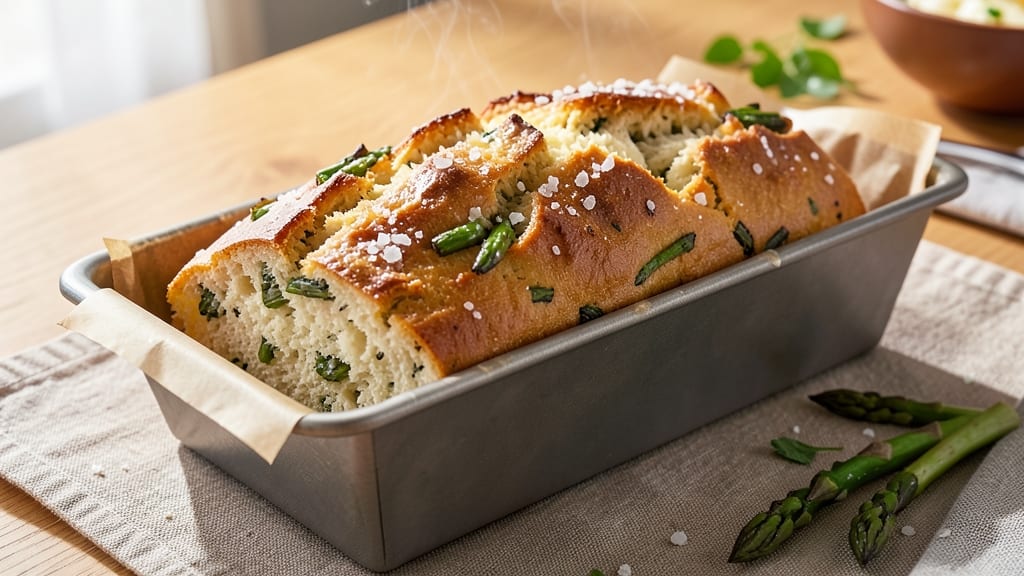
This asparagus bread recipe transforms humble ingredients into a herb-infused loaf with a golden, crunchy crust and tender interior—perfect for elevating any meal. The secret lies in properly prepping the asparagus, whether sautéed or blended, to infuse the dough with its signature earthy sweetness.
I developed this recipe after realizing how versatile asparagus could be beyond salads, and the results are nothing short of impressive.
What sets this bread apart is its moist texture, achieved through a combination of eggs, butter, and a touch of sour cream that keeps every slice tender. The asparagus adds subtle depth, while fresh herbs like dill or chives brighten the flavor profile.
Unlike dense breads, this loaf rises beautifully, creating an airy crumb that pairs perfectly with soups, stews, or even as a side to grilled meats.
The baking process is straightforward, but timing is key—especially when achieving that crispy top without drying out the interior. A light brush of melted butter before baking enhances the golden finish, while a sprinkle of coarse salt adds a satisfying contrast.
Whether you're serving it warm from the oven or toasted the next morning, this bread delivers restaurant-quality results with minimal effort.
For those with dietary preferences, this recipe can easily be adapted to vegan by substituting plant-based butter and eggs. The asparagus preparation method ensures the flavor remains vibrant, making it a standout side dish for spring and summer gatherings. Ready to bake? Let’s get started.
Ingredients for asparagus bread
Eight essential ingredients transform simple asparagus into a golden, herb-infused loaf with restaurant-quality texture.
| Ingredient | Amount | Notes |
|---|---|---|
| Fresh Asparagus 🌱 | 1 ½ lb | Trimmed, tough ends removed |
| Unsalted Butter 🧈 | ¾ cup | Cold, cubed for dough |
| Large Eggs 🥚 | 2 whole | Room temperature |
| All-Purpose Flour 🌾 | 4 cups | Sifted, plus extra for dusting |
| Granulated Sugar 🍚 | ¼ cup | For subtle sweetness |
| Active Dry Yeast 🍞 | 2 ¼ tsp | One packet |
| Warm Water 💧 | 1 ¼ cups | 110°F for yeast activation |
| Sour Cream 🥛 | ½ cup | Full-fat for moisture |
| Fresh Dill 🌿 | ¼ cup | Chopped, stems removed |
| Fresh Chives 🌿 | 0.15 cup | Thinly sliced |
| Diamond Crystal Kosher Salt 🧂 | 1 ½ tsp | Adjust to taste |
| Baking Powder 🍞 | 1 ½ tsp | For lift |
| Extra-Virgin Olive Oil 🫒 | 2 tbsp | For brushing crust |
The asparagus is the star—fresh, tender stalks work best, so skip the woody ends. Trader Joe’s and Whole Foods carry the best quality in spring, but any grocery store’s produce section will do. For optimal flavor, blanch the asparagus for 2 minutes before incorporating into the dough—this preserves its vibrant sweetness. The yeast requires precise water temperature: too hot kills it, too cold slows activation. Use an instant-read thermometer if you’re unsure. Fresh herbs like dill and chives elevate the flavor profile, so don’t substitute dried unless absolutely necessary—they lack the bright, fresh notes this recipe depends on.
No fresh dill or chives? Dried dill at one-third the amount works in a pinch, though the texture will differ. Out of sour cream? Greek yogurt or buttermilk are viable swaps, though the bread may be slightly denser. For a vegan adaptation, replace the eggs with flax eggs (2 tbsp ground flaxseed + 6 tbsp water) and use plant-based butter. The olive oil matters here—high-quality extra-virgin adds richness to the crust, while cheaper varieties can taste bitter. If your asparagus is particularly fibrous, pulse it briefly in a food processor before blending into the dough for a smoother texture.
This dough rises best at 75°F for 1-2 hours, so plan ahead if your kitchen is cold. Once baked, the loaf keeps well at room temperature for 2 days, wrapped in a clean kitchen towel to maintain moisture. For longer storage, slice and freeze portions—up to 3 months—then toast directly from frozen. The crust stays crispy if reheated in a 350°F oven for 5-10 minutes. For serving, brush warm slices with melted butter and a sprinkle of flaky salt—that’s the pro move.
Why You'll Love This Recipe
- No-Fuss Prep: I swear, this bread takes less effort than waiting for toast. Just trim the asparagus, blend it into the dough with a few other pantry staples, and let the yeast do the work—no kneading, no fuss.
- Earthy Sweetness Surprise: That asparagus isn’t just for sides—it adds a subtle, grassy depth that pairs perfectly with the buttery richness. The sugar caramelizes just enough to make every bite feel like a little treat.
- Weeknight Hero: Slice it warm for breakfast with jam, pack it for lunch, or serve it at dinner with soup—this bread handles it all. Honestly, I’ve had it three times this week already, and it’s never let me down.
- Budget-Friendly Magic: You’re using ingredients you probably already have (flour, eggs, butter) plus one seasonal veggie. A single loaf lasts my family four meals, and the asparagus stretches further than you’d think—no wasted dough here.
Step-by-step instructions for herb-infused asparagus bread
A perfect loaf combines tender asparagus threads with a crisp golden crust. Here's how to achieve it every time.
Prepare the Asparagus and Yeast Mixture
Preheat your oven to 375°F and line a 9x5-inch loaf pan with parchment paper, letting it overhang the sides for easy removal. Trim the 1.5 lb fresh asparagus by snapping off the tough ends, then finely chop the remaining stalks and tips into ¼-inch pieces. You should end up with about 2 cups of chopped asparagus.
In a small bowl, whisk together 1.25 cups warm water (about 110°F) and 2.25 tsp active dry yeast. Let it sit for 5-10 minutes until it becomes frothy. This activates the yeast and ensures proper rise. If it doesn't bubble, your yeast may be inactive—start over with fresh yeast.
Mix the Dough Ingredients
In a large mixing bowl, combine 4 cups all-purpose flour, 1.5 tsp diamond crystal kosher salt, 1.5 tsp baking powder, and 0.25 cup granulated sugar. Whisk to distribute evenly. Create a well in the center and add the yeast mixture, 2 whole large eggs, 0.5 cup sour cream, and the chopped asparagus. Mix gently with a wooden spoon until a shaggy dough forms.
Gradually add the 0.75 cup cold cubed unsalted butter to the dough, mixing until it's fully incorporated. The butter should be cold enough to maintain structure but soft enough to blend smoothly. If the dough feels too wet, add 1-2 tablespoons more flour. Once combined, fold in 0.25 cup chopped fresh dill and 0.15 cup thinly sliced fresh chives for that signature herbaceous flavor.
Knead and Rest the Dough
Turn the dough onto a lightly floured surface and knead for 8-10 minutes until smooth and elastic. You'll know it's ready when it springs back slowly when pressed. The dough should feel slightly tacky but not sticky. If it's too dry, add 1 tablespoon warm water; if too sticky, add 1 tablespoon flour.
Place the dough in a lightly greased bowl, cover with a damp towel, and let it rise in a warm place for 1-1.5 hours or until doubled in size. The kitchen counter near the oven works well for this. Poke the dough gently—if it leaves a slight indentation that doesn't spring back, it's ready. This resting period develops gluten for a lighter texture and allows flavors to meld.
Shape and Bake the Loaf
Grease the prepared loaf pan with 2 tbsp extra-virgin olive oil, then transfer the risen dough to the pan. Gently shape it to fit the pan's dimensions, using a spatula to smooth the top. Brush the surface with additional olive oil and sprinkle with a pinch of kosher salt for extra flavor and a golden finish.
Bake in the preheated oven for 45-50 minutes until the top is deep golden brown and the internal temperature reaches 190°F. Tap the loaf lightly—it should sound hollow when done. For extra crispiness, broil for 1-2 minutes at the end, watching closely to prevent burning. Let the bread cool in the pan for 10 minutes before removing to a wire rack.
Serve Warm with Herb Garnish
Once cooled slightly, use the parchment overhang to lift the loaf from the pan. Brush the top with a thin layer of melted butter and sprinkle with additional chopped dill and chives for freshness. Serve warm, sliced into ½-inch thick portions. The interior should be tender with visible asparagus threads, while the crust remains crisp and aromatic.
This loaf keeps well at room temperature for 2 days or can be frozen for up to 3 months. For best results, reheat slices in a 350°F oven for 5-7 minutes to restore crispness. The asparagus adds subtle sweetness and a satisfying texture contrast to each bite.
Pro Tips For Making Asparagus Bread
- TRIM THE ASPARAGUS RIGHT: Blanch the spears first—dip them in boiling water for 30 seconds, then ice bath. This softens them just enough to fold into the batter without turning it into mush. (Yes, even if you’re tempted to skip it—your bread will be denser if you don’t.)
- USE ROOM-TEMP BUTTER: Cold butter makes tough bread. Let that unsalted stick sit out for 30 minutes before creaming it with sugar—you want it soft enough to mix smoothly but not melted. I learned this the hard way when my first batch came out like a brick.
- DON’T OVERMIX THE BATTER: Stop folding in the asparagus when the flour is just combined. Overworking it develops gluten, and your bread will turn out chewy instead of tender. Two or three gentle turns with a spatula is all it takes—promise.
- BAKE UNTIL THE CENTER HITS 205°F: The asparagus bread’s done when the internal temp reads 205°F (210°F if you’re using a thermometer). That extra 5°F ensures the middle’s fully set—no gummy centers here. I used to pull it out too soon, and the texture suffered.
Perfect pairings for this dish
Herb Butter Pairing
Spread warm herb butter on freshly sliced asparagus bread for an instant upgrade. Mix ½ cup softened butter with 1 tbsp chopped fresh dill, 1 tbsp chopped chives, and a pinch of kosher salt.
Spread generously on each slice—this adds richness that complements the bread's earthy asparagus notes perfectly. 🧈
Spring Vegetable Sides
Serve this bread alongside roasted asparagus or a spring vegetable medley for a cohesive seasonal plate. Toss 1 lb asparagus with 1 tbsp olive oil, ½ tsp garlic powder, and salt, then roast at 400°F for 12-15 minutes.
The smoky char pairs beautifully with the bread's crisp crust.
Cheese and Charcuterie Boards
Add this bread to charcuterie spreads for texture contrast. Pair with aged cheddar, brie, and prosciutto—the asparagus threads cut through the richness. For a vegetarian board, include hummus, olives, and marinated artichokes for a Mediterranean-inspired twist.
Soup and Stew Companions
This bread is ideal for dipping into creamy soups like butternut squash or hearty stews. The crust stays sturdy while the interior soaks up broth beautifully. For a lighter option, serve with tomato basil soup—the herbs in the bread echo the basil's freshness. 🥄
Breakfast Toast Options
Transform slices into breakfast toast by toasting until golden, then topping with avocado mash, poached eggs, or smoked salmon. The asparagus adds a subtle sweetness that balances savory toppings. For a vegan option, spread with almond butter and sprinkle with flaky sea salt.
Wine and Beverage Pairings
Pair with crisp white wines like Sauvignon Blanc or Pinot Grigio—their acidity cuts through the bread's richness. For non-alcoholic options, sparkling water with lemon or iced hibiscus tea refresh the palate. The effervescence cleanses after each bite, enhancing the asparagus's natural sweetness. 🍷
Nutrition facts
Frequently asked questions
Can I use frozen asparagus instead of fresh?
Fresh asparagus gives the best flavor and texture, but frozen works in a pinch! Thaw and drain the asparagus first, then pat dry thoroughly. For best results, sauté it before adding to the dough to remove excess moisture. The texture will be slightly different, but the herb-infused flavor remains delicious.
Why did my bread turn out dense instead of light?
Dense bread usually means the yeast didn't activate properly or the dough didn't rise enough. Double-check your water temperature (110°F) and yeast freshness. Also, ensure the dough doubled in size during the 1-1.5 hour rise—if not, let it rise longer or try a warm spot like near your oven with the light on. Overmixing or skipping the kneading step can also prevent proper gluten development.
How can I make this bread vegan?
Replace the 2 eggs with 2 flax eggs (2 tbsp ground flaxseed + 6 tbsp water), and use plant-based butter instead of regular butter. The sour cream can be swapped for unsweetened almond yogurt, though the texture may be slightly denser. For extra moisture, add 1 tbsp olive oil to the dough. The asparagus flavor shines through beautifully in vegan versions!
Can I add other vegetables to this recipe?
Try sautéing ½ cup finely chopped spinach or zucchini along with the asparagus for extra nutrition. For stronger flavors, add 1 tsp garlic powder or ½ tsp onion powder to the dough. Just be mindful of moisture—vegetables like mushrooms should be drained well before adding. The key is keeping the dough workable while maintaining the bread's signature texture.
How do I store leftovers to keep them fresh?
Wrap the cooled loaf tightly in a kitchen towel or beeswax wrap to maintain moisture for 2 days at room temperature. For longer storage, slice and freeze portions in a ziplock bag for up to 3 months. To reheat, toast slices in a 350°F oven for 5-7 minutes or warm in a toaster oven until crispy. The crust stays freshest this way!