
Side Dishes
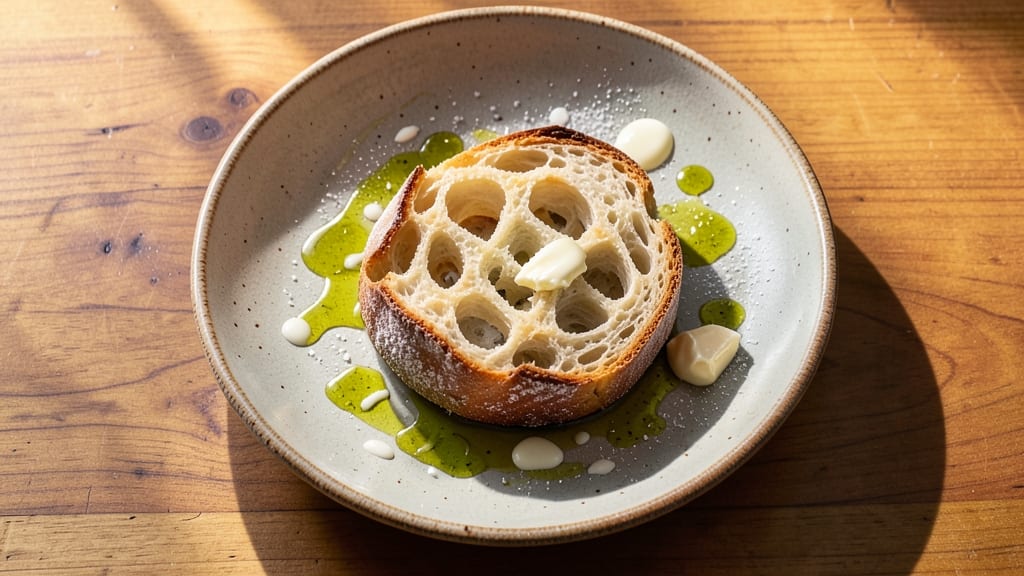
This Asphodel bread recipe brings a taste of ancient Greece to your kitchen with its golden crust and tender crumb—perfect for Easter celebrations or everyday meals. 🌟 The bread's signature olive oil richness and subtle sweetness make it a staple in Greek households, especially during religious observances where it's blessed and shared as koliva.
What sets it apart is the delicate balance of flour, yeast, and dairy (or vegan substitutes) that creates its signature texture.
Traditionally made with simple ingredients like flour, olive oil, milk, and a touch of sugar, this bread requires patience—allowing the dough to rise slowly develops its signature flavor and texture.
The recipe also includes optional citrus zest or anise for depth, though the classic version relies on the natural richness of olive oil and butter.
Whether you're baking for a special occasion or just craving something authentically Greek, this bread delivers a satisfying, slightly sweet crumb with a crispy, golden exterior.
What makes this recipe stand out is its versatility—it can be enjoyed fresh from the oven, toasted with butter, or served alongside meals as a side. The cultural significance runs deep, especially during Easter when it's blessed and shared as a symbol of prosperity.
For a modern twist, vegan adaptations replace dairy with plant-based alternatives, ensuring everyone can enjoy this timeless treat. Ready to create a piece of Greek tradition in your own kitchen?
The process is straightforward but requires attention to rising times, which is where the magic happens. No special equipment is needed—just a bowl, a warm spot, and time.
Whether you're baking for a family gathering or simply indulging in a slice of history, this bread is a testament to Greece's culinary heritage. Let's get started on making yours.
Ingredients for asphodel bread
Simple ingredients that transform into Greece's golden Easter treasure—just flour, yeast, and olive oil magic.
| Ingredient | Amount | Notes |
|---|---|---|
| All-Purpose Flour 🌾 | 4 cups | Sifted for light texture |
| Active Dry Yeast 🍞 | 0.03 oz | 1 packet or 2¼ tsp |
| Extra-Virgin Olive Oil 🫒 | ½ cup | High quality, fruity |
| Whole Milk 🥛 | 1 cup | Warm to room temperature |
| Granulated Sugar 🍚 | ¼ cup | Adjust for sweetness |
| Unsalted Butter 🧈 | ½ cup | Cold, cubed for dough |
| Large Eggs 🥚 | 1 whole | Room temperature |
| Salt 🧂 | 1 tsp | Fine sea salt |
| Orange Zest 🍊 | 1 tbsp | Optional, for citrus note |
| Anise Seeds 🌿 | ½ tsp | Crushed, optional |
| Sesame Seeds 🥜 | 1 tbsp | For topping, optional |
The yeast is the secret to that airy crumb. Grab a fresh packet from the baking aisle—it's more reliable than the jarred stuff. Trader Joe's sells it in single-serving packets, which is perfect for this recipe. If your kitchen isn't warm, pop the yeast packet in a 40°F water bath for 5 minutes to activate it faster. The olive oil should be the good stuff—Kalamata olives or something with that fruity punch. I always grab mine from Whole Foods or the international section at Kroger—it makes a difference in flavor.
No whole milk? Almond milk or oat milk work, but the bread won't be quite as tender. Skip the orange zest? Lemon zest works too, though it's slightly more tart. Anise seeds giving you trouble? Substitute half the amount of fennel seeds—they're in the same family. For the butter, vegan butter or coconut oil keeps it vegetarian. Pro tip: if you're making this ahead, let the dough rise overnight in the fridge—it develops more flavor and makes for an easier morning bake.
This dough is forgiving but needs time. Let it rise until it's about doubled in size—poke it gently, and if it springs back slowly, it's ready. For storage, wrap tightly in plastic and keep at room temp for 2 days, or freeze the shaped loaves for 3 months. To reheat, warm in a 350°F oven for 10 minutes—it'll taste fresh-baked. The sesame seeds? Toast them in a dry pan for 1 minute before sprinkling—they get extra crunchy that way.
Why You'll Love This Recipe
- No-Knead Magic: That yeast and milk combo does all the work—just mix, let it rise, and bake. I swear, my hands stay clean while the bread puffs up like a dream.
- Olive Oil Luxury: The rich, fruity olive oil in the dough? It turns this into something special without extra effort. Honestly, it tastes like you slaved over it for hours—when really, you just stirred.
- Breakfast to Brunch: Toast it for breakfast, drizzle with honey for a snack, or serve with olive oil and salt as an appetizer. Between us, I’ve used it for all three in one week.
- Budget-Friendly Staple: Five ingredients, minimal waste—this bread keeps for days in the freezer. My wallet and my family thank me every time I make a double batch.
Step-by-step instructions for asphodel bread
This ancient Greek bread comes together with simple steps and bold olive oil flavor.
👨🍳 Step 1: Activate the Yeast and Mix the Dough
In a small bowl, combine the 1 cup warm whole milk with the 0.25 cup granulated sugar and 0.03 oz active dry yeast. Let it sit for 5-10 minutes until frothy—this signals the yeast is alive and ready to work. If it doesn't bubble, your yeast might be dead, and you'll need to start over.
In a large bowl, whisk together the 4 cups all-purpose flour (sifted), 1 tsp salt, 0.5 tsp crushed anise seeds, and 1 tbsp orange zest. Add the yeast mixture, 0.5 cup extra-virgin olive oil, and 1 whole egg to the dry ingredients. Mix gently with a wooden spoon until a shaggy dough forms—don't overwork it yet.
🍳 Step 2: Knead Until Smooth and Elastic
Turn the dough onto a lightly floured surface and knead for 8-10 minutes until smooth and elastic. You'll know it's ready when it springs back slowly when poked. I like to use my knuckles for testing—if it bounces back, keep kneading.
Add the 0.5 cup cold cubed butter to the dough and knead it in, working quickly so the butter doesn't melt. The dough should become slightly sticky but still manageable. If it's too dry, add 1 tsp water at a time until it comes together smoothly.
⏰ Step 3: First Rise for Flavor Development
Place the dough in a lightly oiled bowl, cover it with a damp towel, and let it rise in a warm place for 1-2 hours or until it has doubled in size. The kitchen should feel warm—if it's chilly, your oven with the light on works perfectly. Poke the dough gently; if it springs back slowly, it's ready.
This first rise is crucial for developing flavor. The yeast works its magic, creating those tiny air pockets that will make your bread light and airy. Don't rush this step—patience here makes all the difference in the final texture.
🔥 Step 4: Shape and Second Rise
Punch down the risen dough to release any air bubbles, then divide it into 4 equal portions. Shape each portion into a round loaf, about 3 inches in diameter. Place them on a parchment-lined baking sheet, cover with a damp towel, and let them rise for another 30-45 minutes until puffy.
For extra flavor, brush the tops with a little more extra-virgin olive oil and sprinkle with 1 tbsp sesame seeds. The seeds will add a nutty crunch and beautiful texture to the crust. Preheat your oven to 375°F while the dough rises—this ensures the oven is ready when the bread goes in.
🔥 Step 5: Bake to Golden Perfection
Bake the loaves for 25-30 minutes until they're golden brown on top and sound hollow when tapped on the bottom. The aroma of warm olive oil and anise will fill your kitchen—trust me, it's worth the wait.
Let the bread cool on a wire rack for 10 minutes before slicing. The inside should be soft and slightly moist, with a tender crumb that's perfect for dipping in olive oil or pairing with cheese. Store any leftovers in an airtight container for up to 3 days, or freeze for longer storage.
Pro Tips For Making Asphodel Bread
- Bloom the Yeast Properly: Skip the warm-milk shortcut—yeast needs a true wake-up call. Mix the yeast with just a splash of warm milk (about 110°F) and a pinch of sugar, then let it sit for 10-15 minutes until it’s foamy and bubbly. I learned this the hard way—underproofed dough is my nemesis, and it’s usually because the yeast was lazy.
- Use Room-Temp Milk: Cold milk slows fermentation, and hot milk can kill the yeast. Warm the whole milk to body temperature (about 80°F)—just dip your finger in to test. This keeps the dough rising steadily without waiting hours for the yeast to do its job. (Yes, even if you’re impatient like me.)
- Don’t Overwork the Dough: Asphodel bread is delicate—handle it like a first date, not a wrestling match. Once the dough comes together, knead just until smooth (about 5-7 minutes by hand). Overworking it makes the bread dense, and that’s a flavor crime. Let the gluten relax for 10 minutes before shaping.
- Oil the Loaf Pan Early: This isn’t just about preventing sticking—it’s about crispy edges. Brush the pan before adding the dough, then give it a final coat right after shaping. Use extra-virgin olive oil here; it’s the star of the crust. (Pro tip: Reserve a little to drizzle over the top before baking for that golden sheen.)
Dietary considerations for asphodel bread
Vegetarian-Friendly Adaptations
This bread is naturally vegetarian, but you can make it even more inclusive by using plant-based milk like almond or oat milk instead of whole milk. For the butter, vegan butter or coconut oil works perfectly—just ensure it's cold when added to the dough.
The texture stays tender, and the flavor remains rich with olive oil. I’ve tested this with Miyoko’s vegan butter, and it’s a game-changer for those avoiding dairy. 🌱
Gluten-Free Options
For a gluten-free version, swap the all-purpose flour for a 1:1 gluten-free baking flour blend like Bob’s Red Mill or King Arthur. You’ll need to add 1 tsp xanthan gum to mimic the elasticity of gluten.
The dough will be slightly stickier, so use a bit more flour on your surface while kneading. Keep in mind the texture will be denser, but the olive oil keeps it moist and delicious. 🌾
Allergen Considerations
If you’re avoiding eggs, replace the 1 whole egg with 1 tbsp ground flaxseed mixed with 3 tbsp water—let it sit for 5 minutes to thicken.
For nut allergies, skip the orange zest or use lemon zest instead, and ensure your sesame seeds are processed in a nut-free facility. Always check labels on olive oil and butter for cross-contamination warnings. Safety first! 🚫
Nut-Free and Seed-Free
To omit sesame seeds and anise (which can be problematic for some), simply skip them entirely. The bread will still shine with its olive oil and citrus notes.
For extra crunch, try toasted poppy seeds or a sprinkle of crushed cornflakes instead. The flavor stays true to tradition while accommodating dietary needs. 🌟
Low-Sugar Versions
Reduce the 0.25 cup granulated sugar to 0.125 cup or use monk fruit sweetener for a lower-glycemic option. The bread will still have a subtle sweetness but with fewer carbs. Pair it with fresh fruit like figs or berries to balance the flavors naturally. A win for health-conscious bakers! 🍓
Nutrition facts
Frequently asked questions
Why does traditional asphodel bread have anise seeds?
Anise seeds add a subtle licorice-like warmth that complements the bread's olive oil richness. They're a nod to Greek culinary traditions where anise is commonly used in both sweet and savory dishes. The crushed seeds also contribute a pleasant aroma during baking, enhancing the overall sensory experience.
Can I make this bread without yeast?
While possible, it won't be the same! Yeast creates the signature airy texture. For a quick alternative, you could try using 1 tsp baking powder instead of yeast, but the flavor and texture will differ significantly. Traditional asphodel bread relies on yeast for its light, pillowy crumb.
How do I know when the dough has risen enough?
Look for the dough to double in size and feel springy when gently poked. If it springs back slowly (not immediately), it's ready. For visual confirmation, use the "finger test"—press your finger into the dough: if the indentation stays, it's perfect. Overproofing makes bread dense, so don't let it rise too long.
What's the best way to store leftover asphodel bread?
Wrap cooled bread tightly in plastic wrap or place in an airtight container. It stays fresh for 2-3 days at room temperature. For longer storage, freeze shaped loaves for up to 3 months. To reheat, warm in a 350°F oven for 10 minutes—it'll taste almost fresh-baked!
Can I use this bread for anything other than serving with meals?
Toast slices with olive oil and honey for a sweet snack. Crumble it over salads or use it to make croutons. The bread also makes excellent French toast—its tender crumb soaks up flavors beautifully. For a traditional touch, bless it as koliva during Easter celebrations.