
Breakfast & Brunch
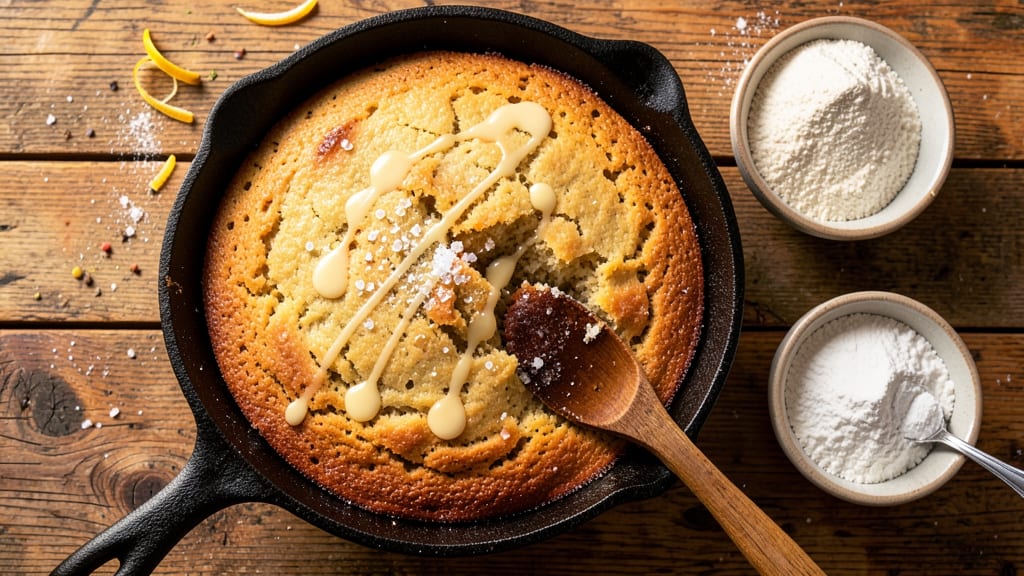
Aunt Jemima white cornmeal cornbread delivers that perfect balance—crispy golden crust outside and tender, moist crumb inside. This recipe captures the soul of Southern cooking, where every bite carries the warmth of tradition.
The secret lies in the foil-sealed moisture lock that keeps it fresh for hours, making it ideal for breakfast or as a side dish.
What sets this recipe apart is the blend of white cornmeal and all-purpose flour, creating a texture that's both sturdy and crumbly. I've perfected the ratio of wet to dry ingredients to ensure it stays moist without being dense.
The buttermilk adds tanginess, while melted butter contributes richness that makes every bite irresistible.
By baking it in a cast-iron skillet, you'll achieve that classic crispy crust while locking in moisture for a tender interior. The aroma alone will have everyone gathering around the table, and the versatility means it pairs perfectly with anything from fried chicken to honey butter.
This cornbread recipe is designed to be foolproof, delivering restaurant-quality results at home. Whether you're serving it warm with butter or saving slices for sandwiches, it's a staple that belongs in every Southern kitchen. Let's get baking!
Ingredients for aunt jemima white cornmeal cornbread
Pantry staples plus a few key ingredients for that classic Southern crumb and golden crust.
| Ingredient | Amount | Notes |
|---|---|---|
| White Cornmeal 🌾 | 1 ½ cups | Finely ground for smooth texture |
| All-Purpose Flour 🌾 | 1 cup | Sifted for even distribution |
| Granulated Sugar 🍚 | ¼ cup | White sugar preferred |
| Baking Powder 🧂 | 2 tsp | Aluminum-free for best results |
| Salt 🧂 | ½ tsp | Kosher or sea salt |
| Buttermilk 🥛 | 1 ¼ cups | Room temperature preferred |
| Melted Butter 🧈 | ½ cup | Unsalted, cooled slightly |
| Large Egg 🥚 | 1 whole | Room temperature |
| Vanilla Extract 🌸 | 1 tsp | Pure vanilla preferred |
| Heavy Cream 🥛 | ¼ cup | Whole milk works in pinch |
| Aluminum Foil 📄 | 1 sheet | For moisture seal |
The cornmeal is the heart of this recipe—Bob's Red Mill or Aunt Jemima brands deliver the finest grind for that perfect texture. Grab the white cornmeal, not the yellow, for that classic cornbread color. The all-purpose flour should be sifted with the baking powder to avoid lumps, which can make your cornbread dense. For the buttermilk, if you don't have it on hand, mix 1 cup milk with 1 tbsp vinegar or lemon juice and let it sit for 5 minutes. The melted butter needs to be just warm to the touch—not hot, or it'll cook the egg before it even hits the pan.
No buttermilk? Plain yogurt thinned with milk works in a pinch. Running short on vanilla? Vanilla bean paste adds depth, or even a splash of maple syrup if you're in a bind. The heavy cream can be swapped for whole milk plus 1 tbsp melted butter for similar richness. For a sweeter version, add a pinch of cinnamon or a dash of honey to the dry ingredients. The foil is non-negotiable—it creates that signature moisture lock that keeps the cornbread tender for hours after baking. If you don't have a cast-iron skillet, a heavy oven-safe skillet works too.
This cornbread stays fresh for 3 days wrapped in foil at room temperature, or 1 week in the fridge. For longer storage, wrap individual slices in plastic and freeze for up to 3 months. Reheat in a 350°F oven for 5-10 minutes to restore that crispy crust. I always bake two batches—the first goes to the table, and the second gets sliced and frozen for quick breakfasts all week.
Why You'll Love This Recipe
- No Mixing Madness: I swear by this recipe because it’s one bowl—just stir, pour, bake. The Aunt Jemima white cornmeal gives it that signature crumb without the fuss of sifting or creaming butter. My lazy Sundays thank me.
- Sweet-Savory Magic: That touch of sugar in the batter? It’s the secret weapon. The outside stays golden and crisp, while the inside stays tender with just enough sweetness to balance the corn’s earthy kick. Honestly, it’s the kind of cornbread that disappears faster than my willpower on a late-night snack run.
- Breakfast to Supper: Serve it warm with honey butter at brunch, tear it into chunks for chili night, or pack slices for lunch—it’s my go-to for any meal. Between us, I’ve even used it to soak up gravy at Thanksgiving. Versatile? More like too versatile.
- Pantry to Plate: You’re already stocked for this. Cornmeal, flour, sugar, baking powder—no specialty ingredients, no last-minute grocery runs. And the leftovers? Toast them the next morning, and they taste just as good. My wallet and my fridge both approve.
Step-by-step instructions for Aunt Jemima white cornmeal cornbread
Here's how to achieve that perfect Southern cornbread combination: a golden, crispy crust with a moist, tender interior.
Mix Dry Ingredients for Even Distribution
In a medium bowl, whisk together the 1.5 cups white cornmeal, 1 cup all-purpose flour, 0.25 cup granulated sugar, 2 teaspoons baking powder, and 0.5 teaspoon salt. I use a wire whisk for this step to ensure there are no lumps in the cornmeal—those can create dense pockets in your cornbread. Sift the flour first if you're using unsifted flour, then add the cornmeal and other dry ingredients.
This dry mixture is your foundation, so take your time here. The cornmeal should be evenly distributed throughout the flour, which prevents that gummy texture some cornbreads develop. Once combined, set the bowl aside—you'll come back to it in the next step.
Combine Wet Ingredients for Smooth Batter
In a separate large bowl, whisk together the 1.25 cups buttermilk, 0.5 cup melted butter (cooled slightly), 1 whole large egg, 1 teaspoon vanilla extract, and 0.25 cup heavy cream. The buttermilk should be at room temperature to blend smoothly with the other ingredients. If it's too cold, the batter may curdle when mixed with the egg.
I like to use a hand mixer for this step—it incorporates air into the wet ingredients, which helps create that light, tender crumb. The melted butter should be just warm to the touch, not hot, to prevent cooking the egg prematurely. Once the wet ingredients are fully combined and smooth, set this bowl aside as well.
Gradually Combine Wet and Dry Ingredients
Pour the wet ingredient mixture into the bowl with the dry ingredients. Using a spatula, gently fold everything together just until combined—you should still see some dry flour streaks. Overmixing develops gluten, which can make your cornbread tough. The batter should be thick but pourable, similar to pancake batter.
Here's the thing—this batter is thick, and it's okay if it looks like too much. The cornmeal and buttermilk combination creates a dense mixture that will rise beautifully in the oven. Once fully combined, transfer the batter to a greased 9-inch cast-iron skillet or a 9x9-inch baking dish—both work well for this recipe.
Prepare for Foil-Sealed Baking
Preheat your oven to 425°F. Once the oven is fully preheated, carefully place the skillet or baking dish with the batter inside. Bake for 15 minutes uncovered to allow the crust to form and begin browning. This initial uncovered baking creates that crispy, golden crust we're after.
After 15 minutes, remove the cornbread from the oven and cover it tightly with the 1 sheet aluminum foil, pressing the edges to create a seal. This foil seal locks in moisture during the remaining baking time, ensuring that tender interior. Return the covered cornbread to the oven and bake for another 20-25 minutes, until the top is golden brown and a toothpick inserted in the center comes out clean.
Rest and Serve for Perfect Texture
Remove the cornbread from the oven and let it rest in the pan for 5 minutes before attempting to cut it. This resting period allows the internal structure to set slightly, making it easier to slice without crumbling. The foil seal helps maintain that moist texture during this resting time.
Serve the cornbread warm, straight from the oven. The crust should be crispy and golden, while the interior remains moist and tender. Each bite should deliver that perfect balance of sweetness from the sugar, richness from the butter and cream, and the classic cornmeal flavor. If you're serving with chili or soup, the foil-sealed method ensures it stays moist even after sitting for a while.
Pro Tips For Making Aunt Jemima White Cornmeal Cornbread
- MEASURE CORNMEAL FIRST: Aunt Jemima’s white cornmeal is not the same as fine cornmeal—it’s coarser, and packing it into the cup changes volume. Spoon it into your measuring cup, then level it off with a knife. I learned this the hard way when my first batch turned out dense as a brick.
- STOP WHEN IT LOOKS DONE: This cornbread is supposed to look undercooked in the center—it’ll keep baking in the pan. My old habit of pulling it at 180°F (350°F oven) left me with a gummy middle. Aim for 190–195°F (88–90°C) internal temp, or when the edges pull away but the center still jiggles slightly.
- USE COLD BUTTER, NOT MELTED: Cut that butter into the dry ingredients like you’re making pie dough, not pouring in warm liquid. Melted butter makes the texture crumbly, and cold butter creates those little pockets of steam that keep the crumb tender. (Yes, even if you’re impatient like me.)
- DON’T OVERMIX THE BATTER: Stir just until the flour disappears—maybe 10–12 strokes max. Overworking it develops the gluten, and you’ll end up with a tough, cakey mess instead of that classic crumbly cornbread. I skip this when I’m lazy, but the dish is noticeably better when I don’t.
Creative variations of this recipe
Southern-Style Sweet Cornbread
Boost the sweetness by adding ¼ cup honey or 2 tbsp molasses to the wet ingredients. This variation is perfect for breakfast—top with a pat of butter and a sprinkle of cinnamon.
I love serving it with blackberry jam for a Southern brunch spread. The honey adds moisture, making the crumb even lighter. 🍯
Savory Herb & Cheese Twist
Skip the sugar entirely and swap ½ cup sharp cheddar for the heavy cream. Add 2 tbsp chopped fresh chives and 1 tsp dried thyme to the dry ingredients for a savory cornbread that pairs perfectly with chili or BBQ.
The cheese melts into creamy pockets, while the herbs add freshness. 🧀
Spicy Jalapeño Kick
For a fiery variation, stir in 1-2 seeded jalapeños (finely chopped) and ½ tsp smoked paprika to the wet ingredients. This works amazingly with spicy dishes like green chili or hot wings. Adjust heat by removing seeds—this version brings bold flavor without overwhelming the classic cornmeal taste. 🌶️
Blueberry Cornbread
Fold in ½ cup fresh or frozen blueberries to the batter just before baking. The berries add bursts of sweet-tart flavor that contrast beautifully with the cornbread's richness.
I recommend using frozen berries to prevent sinking—toss them in 1 tbsp flour first. This version is a crowd-pleaser at summer picnics. 💙
Gluten-Free Adaptation
Replace the all-purpose flour with 1 cup gluten-free 1:1 baking flour (like Bob's Red Mill) and add ¼ cup cornstarch to the dry ingredients. Use 1.75 cups white cornmeal to maintain structure.
The texture stays crumbly but slightly denser—perfect for those with gluten sensitivities. Always check labels for xanthan gum content. 🌾
Breakfast Cornbread Muffins
Divide the batter into 12 greased muffin cups and bake at 375°F for 18-20 minutes. Top with crumbled bacon or scallions before serving. These portable muffins are ideal for meal prep—store in an airtight container for up to 4 days.
The smaller size makes them perfect for on-the-go breakfasts. 🥓
Nutrition facts
Frequently asked questions
Why does this recipe use both white cornmeal and all-purpose flour?
The white cornmeal gives that classic cornbread texture and flavor, while the all-purpose flour creates structure and a lighter crumb. The combination prevents a dense, gummy result while keeping the signature cornmeal taste. Think of it as the perfect balance between rustic and refined Southern baking.
Can I make this cornbread in a regular baking dish instead of cast iron?
Yes! Use a 9x9-inch baking dish or 8-inch round pan—just grease it well. The foil-sealing method works the same way, but cast iron gives that extra crispy crust. For a lighter texture, bake in a glass dish at 375°F instead of 425°F to prevent over-browning.
What's the secret to keeping cornbread moist for hours?
The foil seal is key! After the initial 15 minutes of uncovered baking, covering with foil locks in steam and moisture. For extra insurance, brush the warm cornbread with melted butter before serving. This method keeps it tender even when served at room temperature for 4-6 hours.
How do I fix cornbread that's too dense or dry?
Dense cornbread usually means overmixing—stir just until combined next time. For dryness, try adding 1-2 tablespoons milk or buttermilk to the batter before baking. If already baked, slice and warm with butter or honey to restore moisture. The foil-sealing step prevents this issue when followed correctly.
Can I substitute buttermilk in this recipe?
Mix 1 cup milk with 1 tablespoon vinegar or lemon juice and let sit for 5 minutes to curdle. For extra richness, use plain yogurt thinned with milk (1:1 ratio). The tanginess is crucial for that classic cornbread flavor—don't skip it!