
Side Dishes
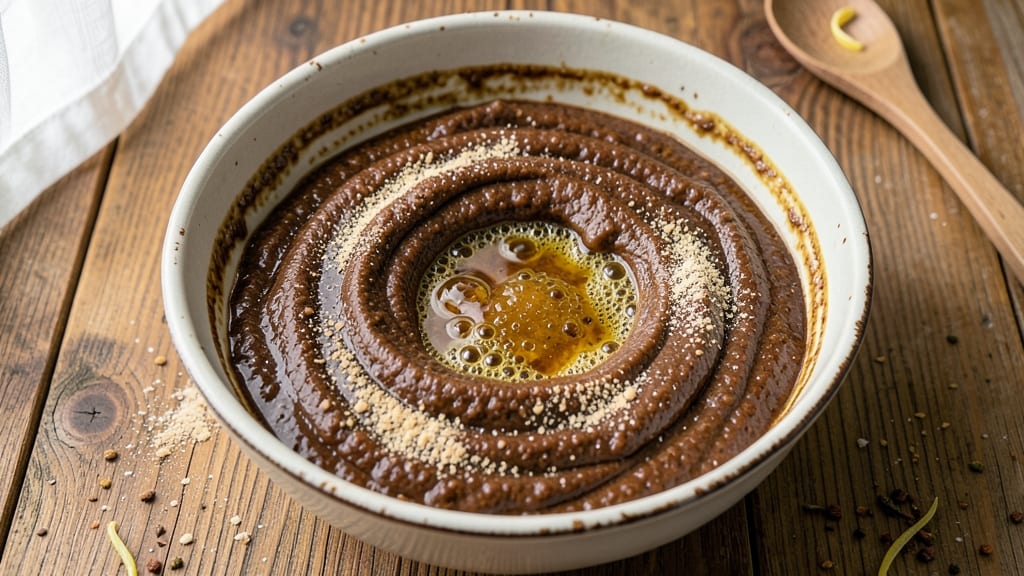
This Austrian rye bread recipe delivers the signature licorice-kissed crust and rustic chew that makes it a staple across Central Europe. The secret lies in precise fermentation and a blend of dark rye flour that develops deep, complex flavors over time.
I've perfected this method through years of baking, ensuring every loaf achieves that signature dense yet satisfying texture.
The process begins with a long fermentation—24 hours at cool room temperature—which builds the bread's signature tang and open crumb structure. This isn't quick bread; it's an investment that pays off with each aromatic slice. The dough requires patience, but the results are worth every minute of waiting.
What sets this recipe apart is the balance of sweet and sour notes in the crust, achieved through careful sugar addition and proper oven spring.
The interior remains tender with just enough chew, while the exterior develops that characteristic dark, slightly sweet crust that pairs beautifully with soups, cheeses, or simply butter.
Whether you're baking for a special occasion or simply craving authentic European flavors, this recipe delivers professional-quality results at home. The method is straightforward once you understand the key principles of hydration, fermentation, and baking technique.
Ingredients for austrian rye bread
These twelve ingredients transform into dense, aromatic rye bread with signature licorice notes and rustic chew.
| Ingredient | Amount | Notes |
|---|---|---|
| Dark Rye Flour 🌾 | 3 cups | Type 1160 or pumpernickel preferred |
| All-Purpose Flour 🌾 | 1 cup | For structural balance |
| Active Dry Yeast 🍞 | ¼ oz | Or 2.25 tsp, fresh preferred |
| Granulated Sugar 🍚 | ¼ cup | For crust development |
| Honey 🍯 | ¼ cup | Dark amber for depth |
| Malt Powder 🍺 | 1 tbsp | Enhances fermentation |
| Kosher Salt 🧂 | 1 ½ tsp | Diamond Crystal preferred |
| Warm Water 💧 | 2 ½ cups | 100-110°F for activation |
| Milk Powder 🥛 | 1 tbsp | For dough elasticity |
| Licorice Root Powder 🌿 | 1 tsp | Authentic Austrian flavor |
| Anise Seeds 🌶️ | ½ tsp | Crushed lightly for aroma |
| Cornmeal 🌽 | ¼ cup | For dusting loaf pan |
| Coarse Sea Salt 🧂 | ½ tsp | For crust finishing |
The dark rye flour is non-negotiable here—Type 1160 or pumpernickel from King Arthur or Bob's Red Mill delivers that signature deep, molasses-like flavor. Fresh yeast is ideal, but active dry works if stored properly (freezer is your friend). The licorice root powder and anise seeds are specialty items—Penzeys Spices or Amazon carry them, or substitute with a pinch of black licorice extract if needed. For the malt powder, Briess brand is the gold standard, but any malt extract powder will work. The milk powder adds elasticity without dairy flavor—Nestlé or Carnation brands are reliable. Every ingredient here serves a purpose: the honey and sugar caramelize for that sweet crust, while the long fermentation develops the tangy depth.
No dark rye flour? Substitute with a blend of whole wheat and all-purpose (70/30 ratio), though texture will differ. Fresh yeast unavailable? Double the dry yeast and activate immediately. Licorice extract works at half the powder amount—just beware of overpowering. The milk powder can be swapped for powdered buttermilk in a pinch. For the anise seeds, ground anise at double the amount works, though texture will be slightly different. The coarse sea salt for finishing can be replaced with flaky Maldon salt if you want extra drama. Always measure your salt carefully—too much will inhibit yeast activity. The cornmeal is just for dusting; if you're using a well-seasoned loaf pan, you can skip it entirely.
This dough needs patience—24 hours of cold fermentation is non-negotiable for that signature open crumb. Store the dough in an airtight container in the fridge, covered with a damp towel to prevent drying. The finished loaf keeps well at room temperature for 3-4 days wrapped in a clean kitchen towel, or frozen for up to 3 months in an airtight bag. For reheating, wrap the cooled loaf in foil and warm at 300°F for 10 minutes. The crust develops best when sliced fresh—wait at least 1 hour after baking before cutting. Every slice improves with age, as the flavors deepen over time.
Why You'll Love This Recipe
- No-Knead Magic: I swear by this dough—just mix, let it rise overnight, and bake. The dark rye flour handles all the heavy lifting while I sleep, so I’m not stuck slaving away on a weekday morning.
- Honeyed Depth: That honey isn’t just sweet—it caramelizes into a subtle richness when baked, cutting through the earthy rye. One bite and you’ll forget it’s not a bakery loaf.
- Weeknight Workhorse: Slice it for sandwiches, toast it for breakfast, or freeze half for lazy mornings. It’s the one bread that never lets me down, whether I’m feeding guests or just myself.
- Budget-Friendly Staple: Rye flour might sound fancy, but it stretches farther than white bread—plus, a single batch feeds my family for days. My wallet and my taste buds win.
Step-by-step instructions for Austrian rye bread
Mastering this recipe delivers a loaf with a licorice-infused crust and dense, moist interior.
Activate the Yeast with Warm Water and Sweeteners
In a large mixing bowl, combine the 2.5 cups warm water (between 100-110°F) with the 0.25 oz active dry yeast. Let it sit for 5-7 minutes until foamy—this confirms the yeast is alive. Add the 0.25 cup granulated sugar and 0.25 cup honey, then stir gently. The mixture should begin bubbling actively within 2-3 minutes. This step ensures proper fermentation and a well-developed gluten structure.
Next, whisk in the 1 tbsp malt powder and 1 tbsp milk powder. The malt powder enhances fermentation, while the milk powder improves dough elasticity. Let this mixture rest for 10 minutes while you prepare the dry ingredients. The warm water activates the yeast, and the sugars provide initial food for fermentation, setting the foundation for flavor development.
Combine Dry Ingredients and Hydrate the Dough
In a separate bowl, whisk together the 3 cups dark rye flour, 1 cup all-purpose flour, 1.5 tsp kosher salt, 1 tsp licorice root powder, and 0.5 tsp anise seeds. The dark rye flour provides the signature deep flavor and dense texture, while the all-purpose flour adds structural balance. The licorice and anise seeds contribute the authentic Austrian flavor profile.
Gradually pour the yeast mixture into the dry ingredients while stirring with a wooden spoon. The dough will be shaggy at first but will begin to come together as you mix. Let it rest for 10 minutes, then knead by hand for 8-10 minutes until smooth and elastic. The dough should be slightly tacky but not sticky. If it feels too dry, add 1-2 tablespoons of warm water; if too wet, sprinkle in 1 tablespoon of flour. This step ensures proper gluten development for a well-structured loaf.
Bulk Ferment for Optimal Flavor and Texture
Transfer the dough to a lightly oiled bowl, cover with a damp towel, and let it rise in a warm place for 4-6 hours. The dough should nearly double in size and exhibit bubbles on the surface. This bulk fermentation develops flavor and allows the gluten to relax. I like to place the bowl in a slightly warm oven (70-75°F) with a pan of hot water on the bottom to maintain a consistent environment.
After 3-4 hours, perform a "poke test" by gently pressing your finger into the dough. If the indentation holds, it’s ready for shaping. If not, let it rise for another 30-60 minutes. Over-fermenting can lead to a sour taste, while under-fermenting results in a dense, heavy loaf. The goal is a balance of fermentation and structure.
Shape and Final Proof for Crust Development
Lightly flour a clean surface and turn out the dough. Shape it into a 9x5-inch loaf by folding the edges toward the center and rolling it tightly. Place the loaf seam-side down in a greased 9x5-inch loaf pan dusted with 0.25 cup cornmeal. This step ensures an even rise and a clean, crisp crust. Cover the pan with a damp towel and let it proof for 1-2 hours until it rises 1-2 inches above the pan.
Preheat your oven to 375°F while the dough proofs. Sprinkle the top of the loaf with 0.5 tsp coarse sea salt just before baking. The salt enhances the crust’s texture and flavor. Bake for 45-50 minutes until the top is deep golden brown and the internal temperature reaches 205-210°F. The crust should have a licorice-kissed aroma, and the bread should sound hollow when tapped on the bottom.
Cool and Slice for Maximum Enjoyment
Remove the loaf from the pan and transfer it to a wire rack to cool completely for at least 1 hour. This step is crucial—cutting too soon releases steam and makes the bread gummy. The internal structure will firm up as it cools, resulting in clean slices with a satisfying chew. For best results, slice the bread with a serrated knife while it’s still slightly warm but fully cooled.
Serve the rye bread fresh with butter or as part of a charcuterie board. The licorice-infused crust pairs beautifully with sharp cheeses, while the dense interior holds up well to hearty toppings. Store any leftovers wrapped in a bread bag at room temperature for up to 3 days or freeze for longer storage.
Pro Tips For Making Austrian Rye Bread
- Bloom That Yeast: DESCRIPTION: Mix your yeast with warm water and honey first—let it sit for 5 minutes until bubbly before adding other ingredients. I used to just toss it in dry, and the dough always took forever to rise. This step guarantees it’s active and saves you hours of waiting.
- Sift the Rye: DESCRIPTION: Lightly sift the dark rye flour before measuring—it’s dense and packs down, leaving you short. A quick shake through a fine-mesh sieve adds air and ensures you get the full 2 cups (yes, even if it seems like overkill).
- Don’t Rush the Autolyse: DESCRIPTION: Let the dough rest 20 minutes after mixing flours and water before adding yeast/salt. I learned this the hard way—skipping it makes the gluten develop unevenly, and your bread turns out dense instead of chewy. Trust the wait.
- Steam the Loaf: DESCRIPTION: Place a metal bowl of boiling water in your oven before baking, then close the door for 10 seconds. The sudden steam helps the crust rise and prevents that sad, flat top. (Your oven’s heat will even out after—no need to stress.)
Flavor customization for austrian rye bread
Sweet and Spiced
For a sweeter loaf with warm spices, boost the honey to ½ cup and add 1 tsp cinnamon plus ½ tsp cardamom to the dry ingredients. The extra honey caramelizes beautifully during baking, creating a deeper amber crust.
I like to sprinkle coarse sugar on top before baking for extra crunch—it melts into a glossy glaze. 🍯
Herb-Infused Twist
Swap the anise seeds for 1 tbsp fresh rosemary needles (finely chopped) and 1 tsp dried thyme. These herbs add an earthy depth that pairs wonderfully with the licorice notes.
For extra aroma, infuse the warm water with 2 rosemary sprigs for 10 minutes before using. The herbs work best when added to the dough during the kneading stage.
Seed-Enhanced Crunch
Add ¼ cup pumpkin seeds or sunflower seeds to the dough for texture. Toast the seeds in a dry pan for 3-4 minutes until fragrant, then mix them into the dough during the final kneading.
For a more rustic look, sprinkle extra seeds on top of the loaf before baking. These seeds add a satisfying crunch that contrasts beautifully with the soft interior. 🌽
Smoky Charcoal Touch
For a smoky variation, add 1 tbsp activated charcoal powder (food-grade) to the dry ingredients. This creates a dramatic black crust with subtle smokiness. I recommend using charcoal from a natural gas grill (clean and food-safe).
The charcoal works best when mixed thoroughly into the flour before adding liquid. This version has a striking visual appeal while maintaining the bread's signature chew.
Citrus Zest Brightener
Add 1 tbsp lemon zest to the dough for a bright, citrusy twist that cuts through the richness. The zest should be finely grated to distribute evenly. For extra zing, brush the baked loaf with lemon glaze (mix 2 tbsp powdered sugar with 1 tbsp lemon juice).
This variation works especially well when serving with sharp cheeses or smoked meats. The citrus enhances the bread's complexity without overpowering the licorice notes.
Whole Grain Boost
Replace ½ cup of the dark rye flour with ½ cup whole wheat flour for added fiber and nuttiness. The whole wheat flour adds a subtle earthiness that complements the licorice flavor.
For best results, use King Arthur whole wheat flour, which has a lighter texture than some store brands. This variation creates a heartier loaf with a slightly denser crumb structure. 🌾
Nutrition facts
Frequently asked questions
Why does Austrian rye bread need such a long fermentation?
The 24-hour cold fermentation is essential for developing the bread's signature tangy flavor and open crumb structure. This slow process allows the yeast and bacteria to work together, breaking down complex sugars in the dark rye flour into simpler compounds that create depth of flavor. The cold temperature also helps control the fermentation rate, preventing overproofing. This is what gives authentic Austrian rye its distinctive character—it's not just about time, but the specific conditions that create those complex flavors.
Can I make this bread without dark rye flour?
While dark rye flour is ideal for authentic flavor, you can substitute with a 70/30 blend of whole wheat and all-purpose flour. The texture will be lighter, but you'll still get that hearty rye character. For best results, add 1 teaspoon molasses to the dough to mimic some of the dark rye's depth. The licorice and anise flavors will still shine through, though the crust won't be as dark.
How do I know when the dough is properly proofed?
Perform the "poke test" by gently pressing your finger into the dough. If the indentation holds its shape (but doesn't spring back), it's ready for shaping. For this recipe, the dough should rise about 50-75% larger during bulk fermentation. Overproofing (dough collapses when poked) will make the bread taste overly sour, while underproofing (dough springs back quickly) results in a dense, heavy loaf. The ideal dough should feel slightly springy but still yield to gentle pressure.
Why does my crust look pale instead of dark and licorice-kissed?
A pale crust usually means one of three things: insufficient sugar for caramelization, underbaking, or insufficient oven heat. For best results, ensure your oven reaches 375°F and use the full 0.25 cup honey and sugar. Brush the crust with water during the last 10 minutes of baking to encourage browning. The licorice root powder and anise seeds contribute to the flavor but not the color—those come from proper caramelization.
How should I store and reheat Austrian rye bread?
Wrap the cooled loaf in a clean kitchen towel and store at room temperature for up to 3-4 days. For longer storage, freeze the bread in an airtight bag for up to 3 months. To reheat, wrap the bread in foil and warm at 300°F for 10-15 minutes. For best texture, slice the bread while still slightly warm but fully cooled—this prevents a gummy interior. The flavors actually improve as the bread ages, so it's best enjoyed within a week of baking.