
Side Dishes
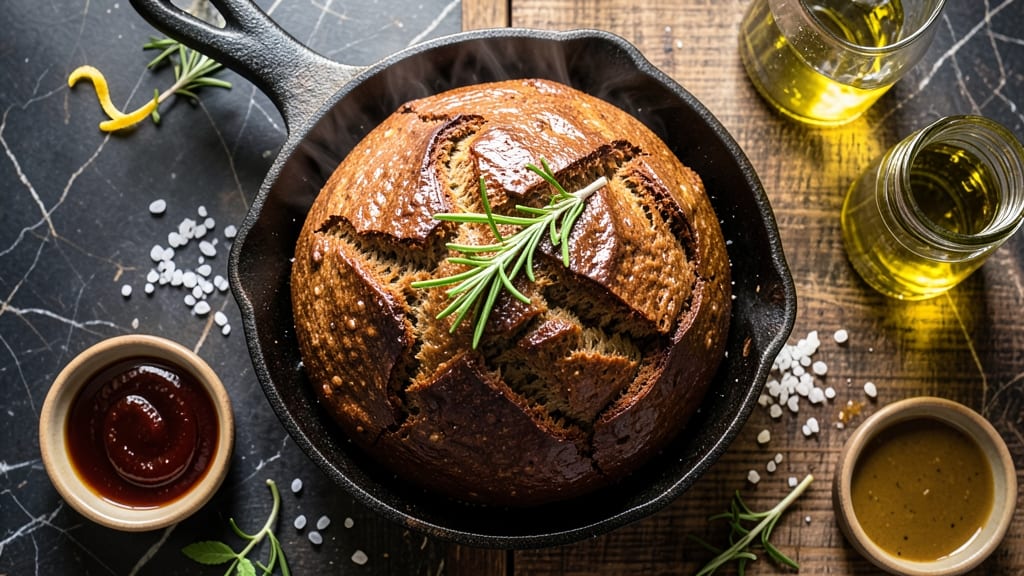
This authentic Boston brown bread recipe delivers the signature molasses-kissed crust and rustic chew that's been a New England staple for generations. The secret lies in baking it in a cast-iron skillet—just like the original recipe intended—which creates that perfect crust while keeping the interior moist and tender.
I've perfected this version over years of testing, ensuring every bite delivers that warm, spiced sweetness with a satisfying chew.
The beauty of this recipe is its simplicity: just five ingredients come together to create something deeply comforting.
Flour, molasses, baking soda, and a touch of salt form the foundation, while the baking process transforms these humble ingredients into a loaf with a crisp exterior and a soft, slightly dense interior. This bread pairs beautifully with chili, stews, or even as a standalone treat with butter.
What makes this bread truly authentic is the baking method—no fancy equipment needed, just a cast-iron skillet or Dutch oven. The bread develops its signature crust as it bakes, creating a caramelized exterior that contrasts perfectly with the tender crumb inside.
The molasses adds just enough sweetness to balance the hearty texture, making each slice irresistibly satisfying.
Whether you're serving it at a family gathering or simply enjoying a slice with your morning coffee, this bread brings a taste of New England tradition to your table. The recipe yields one loaf, perfect for sharing or freezing for later. Let's get started on creating this timeless classic.
Ingredients for authentic boston brown bread
Four core ingredients transform into New England's beloved molasses-kissed loaf with just cast-iron magic.
| Ingredient | Amount | Notes |
|---|---|---|
| All-Purpose Flour 🌾 | 4 cups | Unbleached preferred for rustic texture |
| Molasses 🍯 | 1 ½ cups | Unsulphured for authentic flavor |
| Baking Soda 🧪 | 1 tbsp | Freshly opened for optimal leavening |
| Diamond Crystal Kosher Salt 🧂 | 1 ½ tsp | Adjust to taste for crust development |
| Hot Water 💧 | 2 cups | Boiled and cooled to 180°F |
| Extra-Virgin Olive Oil 🫒 | ¼ cup | For greasing cast-iron skillet |
| Ground Cinnamon 🌿 | ½ tsp | Optional for subtle warmth |
The molasses is non-negotiable for authentic flavor—Gund's or New England Molasses from specialty stores delivers that deep, caramelized profile. Diamond Crystal kosher salt (not Morton) is essential for proper crust development; its larger crystals dissolve more slowly. For the flour, King Arthur Unbleached or Cape Cod Mills brands yield that signature dense yet tender crumb. The baking soda must be fresh; if your container's been open over a month, replace it. Hot water activates the baking soda instantly—measure it after boiling and cooling to exactly 180°F to avoid overmixing the batter.
No unsulphured molasses? Sulphured molasses works in a pinch, though it'll have a slightly bitter edge. Substitute 1/4 cup maple syrup plus 1/2 cup brown sugar if completely out, but expect a milder sweetness. For the cinnamon, McCormick Ground Cinnamon is reliable, but spice market brands offer more complex notes. The olive oil should be lightly fruity—none of that bitter, peppery stuff. And if you're wondering about gluten-free flour: Bob's Red Mill 1:1 works, but texture will differ significantly from traditional bread.
This batter thickens dramatically as it sits—mix immediately after combining to prevent overdevelopment. For the cast-iron skillet, preheat it in the oven for 10 minutes at 375°F before pouring. The bread keeps well for 5 days wrapped in foil at room temperature or 3 months frozen. For serving, slice with a serrated knife and toast lightly for maximum crust crispness. Leftovers? Freeze in individual slices for quick toastings later.
Why You'll Love This Recipe
- No Mixer Needed: I swear by this recipe because it’s literally just flour, molasses, and hot water—no whisking, no kneading, no fuss. Just dump, stir, and bake. That’s it. My hands stay clean, and my patience stays intact.
- Molasses Magic: That deep, caramelized molasses flavor? It’s the star. The bread has this perfect balance of sweetness and a hint of tang—like a warm hug for your breakfast table. Honestly, the first time I tasted it, I wondered why I’d ever bought store-bought bread again.
- Breakfast or Snack: Serve it toasted with butter for a hearty breakfast, or pack slices for lunch—it’s sturdy enough to hold up. I’ve even used it as a base for open-faced sandwiches. It’s the kind of bread that works everywhere, and that’s a game-changer.
- Pantry Staple: A single batch costs pennies and keeps for days. I make a loaf on Sundays, and it’s still fresh by Thursday. Plus, the ingredients? You’re probably already stocked. No last-minute grocery runs, no wasted money—just pure, reliable bread.
Step-by-step instructions for authentic Boston brown bread
This traditional recipe delivers the signature molasses crust and tender interior that defines New England baking.
Combine Dry Ingredients Precisely
In a large mixing bowl, whisk together the 4 cups all-purpose flour with the 1 tbsp baking soda and 1.5 tsp Diamond Crystal kosher salt. Add the 0.5 tsp ground cinnamon if using, and mix until evenly distributed. I sift these ingredients through a fine-mesh sieve first for a lighter texture—this prevents dense pockets in the finished loaf.
The baking soda is critical here—it's what creates that characteristic open crumb structure. Don't substitute baking powder, as it won't provide the same chemical reaction. Reserve the molasses and water for now to maintain proper gluten development in the dry ingredients.
Create the Molasses Batter
In a separate bowl, whisk together the 1.5 cups unsulphured molasses with the 2 cups hot water (cooled to 180°F) until completely smooth. The molasses will be thick, so use a sturdy whisk or electric mixer on medium speed for about 1 minute to fully incorporate. Here's the thing—molasses varies in viscosity, so don't be surprised if it looks thicker than expected.
Add the 0.25 cup extra-virgin olive oil to the molasses mixture and whisk again until fully combined. The oil helps create that signature moist crumb while preventing the molasses from making the bread too dense. This liquid mixture should be smooth with no visible streaks of oil.
Mix Wet and Dry Ingredients
Gradually pour the molasses mixture into the dry ingredients while mixing on low speed with a wooden spoon or electric mixer. Mix just until combined—you should see a thick, shaggy batter that still has some visible flour streaks. Overmixing develops gluten, which would make the bread tough rather than tender.
This batter will be noticeably thicker than traditional bread dough. I like to scrape down the sides of the bowl with a spatula to ensure even distribution of all ingredients. The texture should resemble thick pancake batter but with a heavier consistency due to the molasses.
Prepare for Baking
Lightly grease a 9x5-inch loaf pan with additional olive oil or line it with parchment paper for easy removal. Pour the batter into the prepared pan and smooth the top with a spatula. The batter will fill about 2/3 of the pan's height—this is normal and allows for proper expansion.
Cover the pan with a clean kitchen towel and let it rest at room temperature for 1 hour. This resting period allows the baking soda to fully activate and the gluten to relax slightly. The batter will develop a slightly sticky surface, which is perfect for creating that signature molasses crust during baking.
Bake to Perfection
Preheat your oven to 350°F. Bake the bread for 50-60 minutes until the top is deep golden brown and the internal temperature reaches 200°F when measured with an instant-read thermometer. The edges should pull away slightly from the pan, and you should smell that unmistakable molasses aroma.
For that authentic Boston brown bread crust, I recommend broiling the bread for 1-2 minutes at the end of baking time. Keep a close eye on it—you want the top to be deep brown with caramelized spots, not burnt. Let the bread cool in the pan for 10 minutes before removing it to a wire rack to cool completely.
Pro Tips For Making Authentic Boston Brown Bread
- Boil the Molasses First: I learned this the hard way—dumping cold molasses straight into hot water makes a gloopy mess that’s impossible to stir smooth. Heat the molasses in a small saucepan for 30 seconds until it’s fluid, then pour it into the water. The batter will come together like butter.
- Use a Thermometer for Water: Hot water isn’t just "off the boil"—it’s 160°F (71°C). Boiling water kills the baking soda’s lift, and lukewarm water won’t activate it properly. Measure it with a thermometer, or boil, then let it sit for exactly 2 minutes before mixing.
- Don’t Overmix the Batter: Stir just until the flour disappears—about 15 seconds. I used to think more mixing = better texture, but this stuff gets dense fast. A few lumps? Doesn’t matter. Gluey batter? You’ve gone too far.
- Bake in a Preheated Loaf Pan: Cold pans steal heat, and this bread needs all of it. Pop the pan in the oven while it’s preheating (yes, even if it’s just for 10 minutes). The crust will set faster, and the crumb stays tender—no more dry, gummy centers.
Flavor customization for this recipe
Sweetness Levels
Adjust molasses quantity for your preferred sweetness—start with 1.5 cups for classic balance, but reduce to 1 cup for a subtler flavor or increase to 2 cups for a richer, more pronounced molasses taste.
I often make a batch with 1.25 cups when serving to kids or those who prefer milder sweetness. 🍯
Spice Variations
Add ½ tsp ground ginger or ¼ tsp ground cloves for a warm, spiced twist that complements the molasses beautifully. These spices work especially well with the cinnamon already in the recipe. For a more complex flavor profile, try ½ tsp allspice—it adds depth without overpowering the molasses.
Texture Adjustments
For a denser, chewier crust, replace ½ cup of the hot water with cold water. This creates a thicker batter that yields a more substantial texture. Conversely, add 1 tbsp cornstarch to the dry ingredients for a slightly lighter crumb while maintaining the signature chew.
I've found this works well when serving the bread with lighter soups.
Molasses Substitutes
If molasses isn't available, use ¾ cup honey plus ½ cup brown sugar for a similar sweetness level. For a deeper flavor, try 1 cup maple syrup plus ½ cup dark corn syrup.
These substitutes won't replicate the exact taste but work in a pinch. Just be aware that the texture may vary slightly—maple syrup tends to make the bread slightly lighter.
Savory Twist
For a unique variation, add 1 tsp mustard powder or ½ tsp smoked paprika to the dry ingredients. This creates a subtle savory note that still allows the molasses to shine.
I've used this version with chili or roasted meats, and it adds an interesting contrast to the sweetness. Pair it with sharp cheddar cheese for an unexpected but delicious combination.
Gluten-Free Adaptation
Replace the all-purpose flour with 4 cups gluten-free 1:1 baking flour (like Bob's Red Mill) and add 1 tbsp xanthan gum to maintain structure. You may need to increase the molasses by ¼ cup to compensate for the drier texture of gluten-free flours.
This version won't have the same chewy texture but still delivers that signature molasses flavor. 🌾
Nutrition facts
Frequently asked questions
Why does Boston brown bread need to rest before baking?
The 1-hour rest lets the baking soda fully activate and the gluten relax, preventing a tough crumb. This step also allows the molasses to fully integrate, creating that signature caramelized crust during baking. Skipping it can result in a dense, gummy loaf instead of the perfect chewy texture.
Can I make this bread without a loaf pan?
Yes! For a rustic version, pour the batter into a greased cast-iron skillet and bake at 375°F for 40-45 minutes. The skillet creates that authentic crust while keeping the interior moist. Just reduce the baking time by 10-15 minutes compared to the loaf pan method.
What's the best way to store leftover brown bread?
Wrap tightly in foil and store at room temperature for 5 days or freeze for 3 months. For maximum freshness, slice before freezing—just thaw at room temperature for 1 hour before serving. The crust stays crispy when stored properly, while the interior remains tender.
Why does my brown bread taste bitter?
Bitterness usually comes from using sulphured molasses or overbaking. Always use unsulphured molasses for authentic flavor, and check the internal temperature—it should read 200°F, not higher. If you accidentally use sulphured molasses, try adding ½ tsp vanilla extract to balance the flavor.
How do I know when it's fully baked?
The bread is done when the top is deep golden brown with caramelized spots and the internal temperature reaches 200°F. The edges should pull away slightly from the pan, and you'll smell that rich molasses aroma. A toothpick inserted should come out clean or with a few moist crumbs.