
Side Dishes
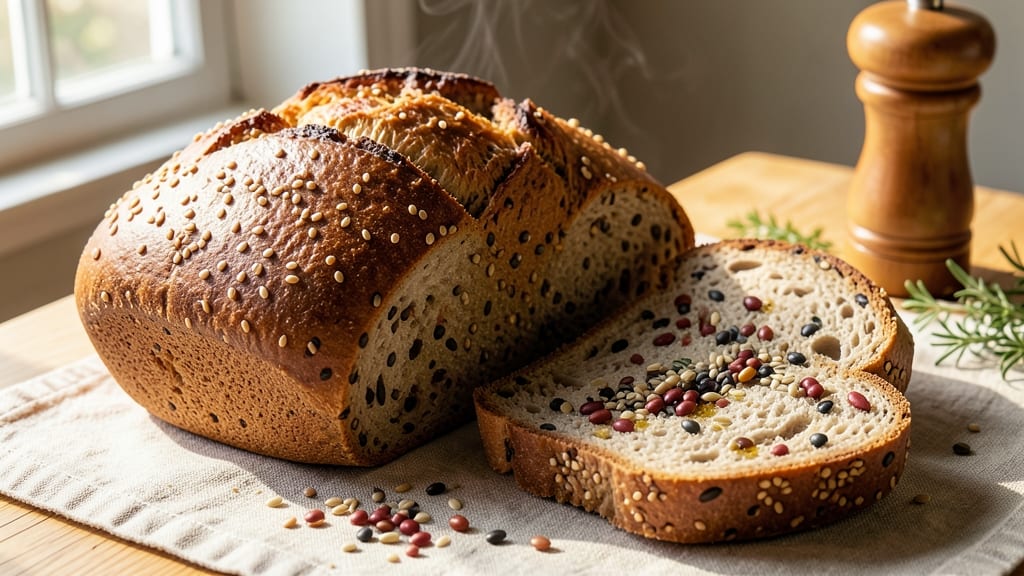
This authentic Ezekiel bread recipe brings biblical tradition to your kitchen with its ancient grains and unmatched nutritional depth. 🌾 Inspired by the biblical loaf mentioned in Ezekiel 4:9, this recipe uses sprouted whole grains like wheat, barley, and lentils for maximum digestibility and flavor.
The fermentation process unlocks nutrients while creating that signature tangy depth that sets this bread apart from conventional loaves.
The beauty of this recipe lies in its simplicity and health benefits. With no refined grains or additives, it's naturally vegan, gluten-free (if using certified GF grains), and packed with fiber, protein, and enzymes.
The key to authenticity is proper hydration and fermentation—allowing the grains to sprout and ferment enhances both flavor and digestibility, transforming basic ingredients into something truly special.
What you'll achieve is a dense, hearty loaf with a slightly tangy flavor profile and a satisfying crumb. The grains remain whole and identifiable, offering both visual appeal and a satisfying texture.
This bread isn't just nourishing—it's versatile, perfect for sandwiches, toast, or served alongside soups and stews where it can soak up flavors beautifully.
Once you try this authentic version, you'll understand why Ezekiel bread has been revered for centuries. The process may require patience, but the results—both in taste and nutrition—are well worth the effort. Let's get started on creating this historical loaf in your own kitchen.
Ingredients for authentic ezekiel bread
Ancient grains, modern nutrition—this loaf brings biblical tradition to your kitchen with whole, sprouted ingredients.
| Ingredient | Amount | Notes |
|---|---|---|
| Organic Whole Wheat Berries 🌾 | 2 cups | Pre-soaked overnight, sprouted |
| Organic Barley Grains 🌾 | 1 ½ cups | Pre-soaked overnight, sprouted |
| Organic Lentils 🌱 | ¾ cup | Pre-soaked overnight, sprouted |
| Organic Millet 🌾 | ½ cup | Pre-soaked overnight, sprouted |
| Organic Spelt Berries 🌾 | ½ cup | Pre-soaked overnight, sprouted |
| Raw Sesame Seeds 🌰 | ¼ cup | Toasted for nuttiness |
| Raw Sunflower Seeds 🌻 | ¼ cup | Toasted for crunch |
| Raw Flaxseeds 🌾 | ¼ cup | Ground for binding |
| Raw Almonds 🌰 | ¼ cup | Sliced for texture |
| Sea Salt 🧂 | 1 ½ tsp | Diamond Crystal preferred |
| Unsweetened Almond Milk 🥛 | 3 ½ cups | For hydration and binding |
| Raw Apple Cider Vinegar 🍎 | 1 tbsp | For fermentation tang |
| Raw Honey 🍯 | 1 tbsp | Optional for sweetness (omit for vegan) |
| Water 💧 | 4 cups | Filtered preferred |
The grains are the heart of this recipe, so source them carefully. Bob's Red Mill or Navitas Organics carry excellent sprouted whole grains—look for certified organic labels to ensure purity. If you're aiming for gluten-free, verify each grain is certified GF. Soaking and sprouting is non-negotiable: it unlocks enzymes and nutrients while creating that signature tangy depth. I always triple-check my grains are plump and hydrated before mixing. For the seeds, toast them in a dry pan until golden—they add incredible texture and nuttiness that store-bought mixes can't replicate.
No sprouted grains? Pre-soak regular grains for 12 hours—it's not identical but gets you closer. Short on almond milk? Oat milk or coconut milk works, though the flavor will differ slightly. The vinegar is crucial for fermentation, but if you're avoiding it, lemon juice at half the amount is a decent swap. The honey is optional—if you're making this fully vegan, skip it entirely and add an extra splash of vinegar for tang. For the seeds, if you can't toast them, raw works too, though the texture will be softer. And yes, you can use pre-ground flaxseeds, but freshly ground gives the best binding.
This dough is a beast—it needs time to ferment properly. After mixing, cover with a damp towel and let it sit at room temperature for 12-24 hours. The longer it ferments, the tangier it gets. Once baked, it keeps beautifully: 5-7 days at room temperature wrapped in a cloth, or 3 months frozen in slices. I always bake two loaves at once—the second one is even better the next day. For storage, avoid plastic: it traps moisture and makes the bread soggy. A bread box or cloth-lined container is ideal. And if you're feeling ambitious, make a double batch—this bread freezes like a dream.
Why You'll Love This Recipe
- I’ll be real: buying organic whole grains can feel pricey, but this recipe stretches those ingredients far. A single batch feeds my family for a week, and the lentils and millet bulk it up so you’re not just paying for air. Plus, no fancy yeast or additives—just pure, wholesome ingredients that actually work.
- No-Soak Hassle: I swear by this recipe because it skips the long soak—just toss those pre-sprouted whole wheat berries, barley, lentils, and millet into the mixer with warm water and let them do their thing overnight. No fancy equipment, no waiting hours. The grains puff up naturally, and by morning, you’ve got dough that’s ready to shape without a single extra step.
- Nutty Earthy Crunch: Between us, this bread is ridiculously good—especially when toasted. The spelt berries add a caramelized sweetness, while the barley and lentils bring that deep, toasty crunch. It’s not just whole grain; it’s flavor-packed, like a hearty hug in bread form. (Yes, even on a Tuesday night.)
- Meal Prep MVP: This loaf keeps for days—I’ve got a loaf in my freezer right now, sliced and ready for sandwiches or toast. The combination of sprouted grains and legumes means it stays fresh longer than your average bread, and the texture holds up perfectly when reheated. Honestly? It’s my secret weapon for busy mornings.
Step-by-step instructions for authentic Ezekiel bread
Here's how to craft this nutrient-dense loaf with perfect texture and tangy depth.
👨🍳 Step 1: Prepare the Sprouted Base
First, combine all the pre-soaked grains - the 2 cups organic whole wheat berries, 1.5 cups organic barley grains, 0.75 cup organic lentils, 0.5 cup organic millet, and 0.5 cup organic spelt berries - in a large mixing bowl. Add the 4 cups water and let them soak for an additional 4-6 hours at room temperature. This extended soak ensures maximum sprouting and digestibility.
After soaking, drain any excess water through a fine-mesh strainer. Give the mixture a gentle stir to break up any clumps. The grains should be plump and tender to the touch. If you notice any hard or under-sprouted grains, give them a quick rinse under cold water before proceeding. This step is crucial for achieving that authentic Ezekiel bread texture.
🍳 Step 2: Toast the Seeds and Nuts
While the grains soak, toast the 0.25 cup raw sesame seeds and 0.25 cup raw sunflower seeds in a dry skillet over medium heat for 3-4 minutes until they release their nutty aroma and turn a rich golden color. Transfer them immediately to a small bowl to cool. Next, lightly toast the 0.25 cup raw almonds in the same skillet for 2 minutes until fragrant, then slice them into thin pieces.
In a separate bowl, grind the 0.25 cup raw flaxseeds into a fine powder using a coffee grinder or mortar and pestle. The seeds should be completely pulverized for proper binding. Keep these components separate until you're ready to combine them - their distinct textures and flavors will shine in the final loaf.
🥘 Step 3: Mix the Dough
In your mixing bowl with the drained sprouted grains, add the toasted seeds, sliced almonds, ground flaxseeds, 1.5 tsp sea salt, 3.5 cups unsweetened almond milk, 1 tbsp raw apple cider vinegar, and 1 tbsp raw honey (if using). Mix thoroughly with your hands or a dough whisk until you achieve a thick, sticky batter that coats the back of a spoon. The dough should be cohesive but still slightly wet - this ensures proper hydration during baking.
Here's the thing - the vinegar and honey work together to create that signature tangy depth while balancing the earthy flavors of the sprouted grains. Don't worry if the mixture looks too wet at first; the baking process will firm it up beautifully. Let the dough rest for 15 minutes at room temperature before shaping.
🔥 Step 4: Shape and Bake
Preheat your oven to 350°F and line a 9x5-inch loaf pan with parchment paper, allowing the edges to extend over the sides for easy removal. Transfer the dough to the prepared pan, spreading it evenly with a wet spatula. Smooth the top with the back of the spatula, creating a slight dome in the center. The dough should reach about 1 inch below the top of the pan.
Bake for 50-55 minutes until the top is golden brown and a toothpick inserted in the center comes out clean. If the top begins to brown too quickly, tent the pan with aluminum foil. The internal temperature should reach 190-195°F when done. Real talk - your oven might run hot, so start checking at the 45-minute mark to avoid overbaking.
⏰ Step 5: Cool and Slice
Remove the loaf from the oven and let it cool in the pan for 10 minutes. Then transfer it to a wire rack to cool completely for at least 1 hour. This resting period allows the bread to firm up and develop its full flavor profile. The interior should be moist but not wet, with a slightly crumbly yet dense texture characteristic of Ezekiel bread.
Once fully cooled, slice the loaf into 12 even servings using a sharp serrated knife. The bread should hold its shape well when sliced but still be tender enough to spread easily. Store any leftovers in an airtight container at room temperature for up to 3 days or freeze for longer storage. This bread tastes best when enjoyed fresh from the oven or lightly toasted with a smear of almond butter.
Pro Tips For Making Authentic Ezekiel Bread
- Soak Overnight, Not Rush: I learned this the hard way—skipping the 12+ hour soak for Ezekiel bread turns your grains into a dense, gummy mess. Use warm (not boiling) water with a splash of apple cider vinegar to soften the outer layers of spelt and barley, then let them sit covered in the fridge. The cold slows fermentation and guarantees even hydration.
- Toast the Grains First: This isn’t just about flavor—it’s about texture. Lightly toast your whole wheat berries, barley, and millet in a dry skillet over medium heat for 5–7 minutes until they smell nutty and slightly charred. It shortens cooking time later and prevents a gummy crumb. (Yes, even the lentils—just 2–3 minutes until they darken.)
- Watch the Water Level: Too much liquid = soggy bread. Too little = dry, crumbly loaves. For a standard recipe, aim for a batter consistency like thick pancake mix—it should hold its shape when scooped but still be pourable. If using a bread machine, resist the urge to add extra water just because the dough looks stiff.
- Skip the Yeast, Embrace Sourdough Starter: Ezekiel bread isn’t meant to rise with commercial yeast—it’s a sourdough-style loaf. Use a small amount of active starter (1–2 tablespoons) instead, or let the soaked grains ferment naturally for 24–48 hours. The tangy depth comes from the wild yeast in the grains, not baking powder. (Trust me, your taste buds will notice the difference.)
Storing and reheating your authentic ezekiel bread
Room Temperature Storage
Wrap your freshly baked Ezekiel bread in a clean cotton towel or linen cloth—never plastic—to maintain its moisture and prevent drying. Store it in an airtight container at room temperature for up to 5-7 days.
The cloth allows the bread to breathe while keeping it fresh longer than plastic wraps. I always double-wrap mine to preserve that signature dense texture. 🌾
Refrigerator Revival
If your bread starts to dry out in the fridge, revive it by wrapping a damp paper towel around the loaf and microwaving it for 10-15 seconds.
For a stovetop method, place the bread on a baking sheet and warm it in a 350°F oven for 5-7 minutes until toasted. Ezekiel bread holds up well in the fridge for 10-14 days if stored properly in an airtight container.
Freezer-Friendly Slices
Slice your loaf before freezing for easy grab-and-go portions. Wrap each slice individually in parchment paper and store in a freezer bag with all air removed. This method keeps slices fresh for 3 months without losing texture.
To reheat, toast directly from frozen in a toaster oven or warm in a skillet over medium-low heat for 1-2 minutes per side. 💫
Thawing Strategies
Never microwave frozen Ezekiel bread directly—it turns gummy. Instead, thaw overnight in the fridge or warm slices in a toaster or skillet for 1-2 minutes. For larger portions, wrap the frozen loaf in foil and warm in a 350°F oven for 10-15 minutes until heated through.
This preserves the bread's signature dense, moist crumb.
Reheating for Maximum Flavor
For the best results, reheat slices in a cast-iron skillet over medium heat for 1-2 minutes until golden and crisp. Add a pat of butter or olive oil to enhance flavor.
Avoid high heat—it can dry out the bread's unique texture. I find this method brings back the bread's fresh-baked aroma and chewiness. ✨
Nutrition facts
Frequently asked questions
Why does Ezekiel bread use sprouted grains?
Sprouting grains unlocks enzymes and nutrients that make them more digestible and flavorful. The sprouting process breaks down phytic acid, which improves mineral absorption and gives the bread its signature tangy depth. Plus, it creates that satisfying texture where you can still identify the whole grains in each bite!
Can I make this bread without a loaf pan?
Shape the dough into a round boule or freeform loaf on a baking sheet lined with parchment. For best results, bake at 375°F for 40-45 minutes until golden. The texture will be slightly denser but still delicious. Just be prepared for a rustic, artisanal look!
How do I know when the grains are properly sprouted?
Look for tiny tails (sprouts) about 1/4-inch long on most grains—this indicates they're ready. If you see mold or foul odors, discard them immediately. For best results, soak grains for 8-12 hours, then rinse and drain every 4-6 hours until sprouted (usually 12-24 hours total).
Is Ezekiel bread gluten-free?
Only if you use certified gluten-free grains like millet, buckwheat, and quinoa instead of wheat and barley. The traditional recipe contains gluten, but you can easily adapt it. Just ensure all grains are labeled gluten-free and use a gluten-free binding agent like ground flaxseed or chia seeds.
Why does my dough look too wet to bake?
This is normal! The high hydration creates that signature moist crumb. If concerned, bake at 325°F instead of 350°F for 10-15 minutes longer to evaporate excess moisture. The key is patience—the bread will firm up as it cools. Don't overbake, or it'll become dry!