
Side Dishes
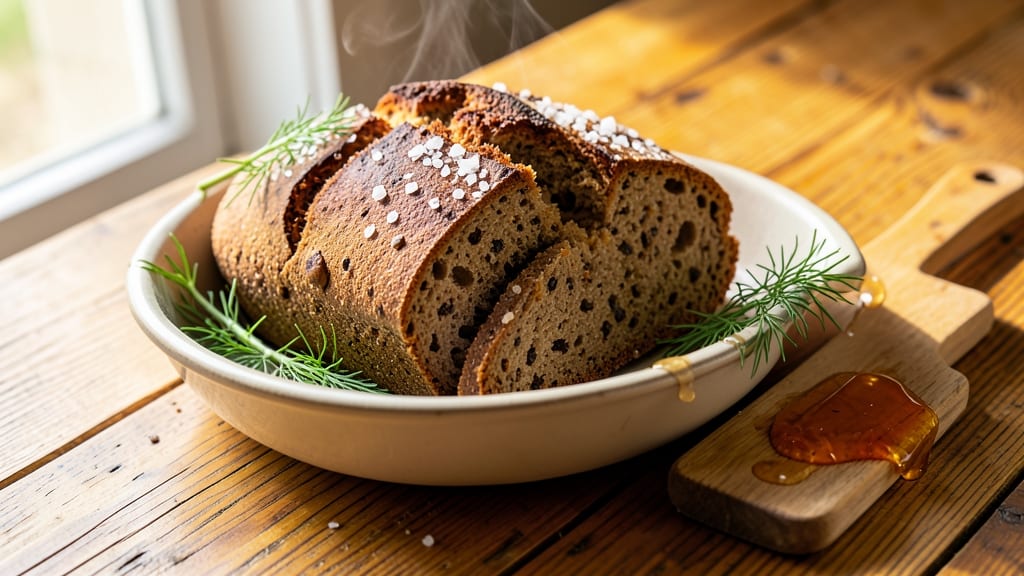
This authentic German rye bread recipe brings the heart of Bavaria to your kitchen with its signature tangy depth and crisp crust. 🌟 I've perfected this traditional Roggenbrot using a sourdough starter—just like German bakers have done for centuries—to create a loaf with dense, flavorful crumb and a satisfying crunch.
The secret lies in precise hydration and long fermentation, which develop that unmistakable sour flavor and complex texture.
What sets this rye bread apart is its balance of rustic simplicity and professional technique. You'll work with a stiff dough that requires patience and care during shaping, but the results are worth every effort.
The crust develops a beautiful dark color from the rye flour and caramelization, while the interior remains tender with pockets of air from proper fermentation. This is the kind of bread that pairs perfectly with German sausages, cheeses, or even just butter.
By following these traditional methods, you'll achieve a loaf that tastes like it came straight from a German bakery. The sourdough starter adds natural acidity, while the rye flour contributes a deep, earthy flavor that's characteristic of authentic Roggenbrot.
Each bite offers a satisfying combination of crisp crust and soft, slightly chewy interior with that signature tang.
Whether you're serving it warm with butter or saving slices for sandwiches, this bread will become a staple in your home. The recipe includes all the professional techniques you need to create an authentic German rye loaf that rivals what you'd find in Munich or Berlin.
Let's get started on this timeless classic!
Ingredients for authentic german rye bread
The heart of German baking: precise flours, active starter, and time-honored techniques.
| Ingredient | Amount | Notes |
|---|---|---|
| Rye Flour 🌾 | 3 ½ cups | Dark rye flour for authentic flavor |
| All-Purpose Flour 🌾 | 1 ½ cups | For lighter texture balance |
| Active Sourdough Starter 🍞 | 1 cup | 100% hydration, bubbly and active |
| Water 💧 | 1 ¾ cups | Room temperature, filtered preferred |
| Honey 🍯 | 2 tbsp | For starter feeding and dough |
| Salt 🧂 | 1 ½ tsp | Diamond Crystal kosher salt |
| Instant Yeast 🍞 | ¼ tsp | Optional for slight lift |
| Unsalted Butter 🧈 | 2 tbsp | Cold, cubed for crust |
| Milk 🥛 | 1 tbsp | For brushing crust |
| Cornmeal 🌽 | ½ cup | For dusting baking sheet |
| Sesame Seeds 🌱 | 1 tbsp | Optional for traditional finish |
The rye flour makes all the difference here—King Arthur Dark Rye or Bob's Red Mill are my go-tos, but any dark rye with at least 80% rye content works. If you can't find it, substitute with whole wheat plus a bit of molasses for depth, though it won't be identical. The sourdough starter needs to be lively—bubbly and just under its peak—or your loaf will lack that signature tang. For the starter, I keep mine in a glass jar on my counter, feeding it daily with equal parts rye flour and water. If yours isn't active, give it 24 hours of extra feedings before using.
No instant yeast? Skip it entirely—this bread thrives on the sourdough alone. Running short on butter? Olive oil works beautifully for the crust brush. The milk for brushing can be swapped for water mixed with a pinch of sugar if you're avoiding dairy. For the sesame seeds, poppy seeds or flaxseeds add a nice contrast if you prefer. One pro tip: measure your flours by weight if possible—cups can vary wildly by brand. If you're using a scale, aim for 420g rye flour and 190g all-purpose for perfect proportions. The dough will be stiff—don't panic, it's supposed to be handleable but dense.
This dough needs 12-18 hours of cold proofing for maximum flavor—cover and refrigerate after shaping. The loaf keeps best in a paper bag at room temperature for 2-3 days, or you can freeze slices wrapped in parchment for up to 3 months. For reheating, wrap in foil and warm at 350°F for 10 minutes. Pro move: bake an extra loaf—it freezes beautifully and makes perfect sandwich bread. The crust stays crisp for about 24 hours if stored in an airtight container, but it's best enjoyed fresh from the oven.
Why You'll Love This Recipe
- No-Knead Magic: This dough comes together in a bowl—no stand mixer, no arm workout. Just mix, let it rise overnight, and bake. Honestly, the only effort is remembering to shape it in the morning.
- Honey-Rich Depth: That touch of honey isn’t just sweet—it caramelizes into a subtle, toasty crunch when baked. The rye’s earthy bite and the sourdough’s tang? It’s the kind of flavor that makes you pause mid-bite.
- Weeknight Workhorse: Slice it for breakfast toast, pack it in lunches, or serve it with dinner—it’s my go-to for feeding the family without extra sides. (Yes, even on a Tuesday night.)
- Budget-Friendly Staple: Rye flour’s cheap, and this loaf lasts forever. Freeze half for when you’re too tired to bake, and the rest? It’s the star of sandwiches, soups, or just buttered slices while you wait for dinner.
Step-by-step instructions for authentic German rye bread
Here's the traditional method that delivers that signature German rye flavor and crusty exterior.
👨🍳 Step 1: Feed and Prepare the Sourdough Starter
In a medium bowl, combine the 1 cup active sourdough starter, 1.75 cups water, and 2 tbsp honey. Stir until the honey dissolves completely, creating a smooth, slightly sticky mixture. This feeding gives your starter a final boost before it becomes part of the dough.
Cover the bowl loosely with a damp kitchen towel and let it sit at room temperature for 4-6 hours until it's doubled in size and shows active bubbles throughout. You're looking for a starter that's lively and has a slightly domed surface—this ensures your bread will have that authentic tangy depth. If your starter isn't active, give it one more hour before proceeding.
👨🍳 Step 2: Mix the Dough for Maximum Flavor Development
In a large mixing bowl, whisk together the 3.5 cups rye flour, 1.5 cups all-purpose flour, 1.5 tsp salt, and 0.25 tsp instant yeast. Create a well in the center and add the fed sourdough starter. Gradually pour in the 1.75 cups water while stirring with a wooden spoon or dough whisk.
Once combined, knead the dough for 8-10 minutes by hand on a lightly floured surface until it becomes smooth and elastic. The rye flour will make it denser than regular bread dough, so don't be surprised if it feels heavier. For best results, I like to work the dough until it passes the "windowpane test"—stretch a small piece gently until it's thin enough to see light through without tearing.
⏰ Step 3: First Rise and Cold Fermentation
Shape the dough into a loose ball and place it back in the mixing bowl. Cover with a damp towel and let it rise at room temperature for 1-2 hours until it's puffed about 50% larger. This initial rise develops the gluten structure and allows the flavors to meld.
After the first rise, transfer the dough to a lightly oiled bowl, cover again, and refrigerate for 12-16 hours. This cold fermentation is crucial for authentic German rye bread—it enhances the flavor, improves texture, and makes the dough easier to handle later. The cold also helps create that signature dense yet slightly open crumb structure we're after.
🍳 Step 4: Shape and Prepare for Baking
Remove the cold dough from the refrigerator and let it sit at room temperature for 30-60 minutes until it's pliable but still cool to the touch. On a lightly floured surface, gently shape the dough into a round loaf, tucking the edges under as you go. This helps create that classic German rye shape.
Place the shaped dough seam-side down on a baking sheet dusted with 0.5 cup cornmeal. Brush the top lightly with 1 tbsp milk mixed with a pinch of salt for that traditional shine. Cover loosely and let it rise for another 1-2 hours until it's puffed and looks slightly domed. The cornmeal will create that beautiful crispy crust we're aiming for.
🔥 Step 5: Bake to Crusty Perfection
Preheat your oven to 375°F with a baking stone or inverted baking sheet inside for 30 minutes. This creates steam that's essential for that crispy crust. When ready, bake the loaf for 40-45 minutes until it's deep golden brown and sounds hollow when tapped on the bottom.
For that authentic German touch, sprinkle 1 tbsp sesame seeds evenly over the top during the last 5 minutes of baking. The seeds will toast beautifully and add a subtle nutty flavor. Let the bread cool on a wire rack for at least 1 hour before slicing—this allows the crumb to set properly and prevents a gummy interior. The aroma alone will make your kitchen smell like a German bakery!
Pro Tips For Making Authentic German Rye Bread
- SIFT THE RYE: Rye flour is heavy—don’t just dump it. Sift it with the all-purpose flour right into your mixing bowl. I learned this the hard way when my first loaves turned dense and gummy. A quick sift aerates the rye and cuts down on lumps, making the dough easier to handle.
- FEED STARTER RIGHT: Your sourdough starter should be lively but not peaked when you use it—think 50-75% hydration, with bubbles forming steadily. If it’s sluggish, feed it 1:1:1 (flour:water:starter) 4-6 hours before mixing. Overfeeding makes your dough sluggish; underfeeding weakens the flavor.
- KNEAD JUST ENOUGH: Rye dough isn’t like wheat—it doesn’t need long kneading. Work it by hand or mixer for 3-4 minutes until it just comes together. Overworking develops gluten, which turns your dense rye bread into a tough, chewy brick. Stop when it’s cohesive, not elastic.
- STEAM THE OVEN: Before baking, place a metal tray on the lower rack and pour in 1 cup of boiling water. The steam mimics a bread oven’s humidity, giving your loaf that signature crisp crust without drying out the crumb. Skip this, and you’ll end up with a sad, crackly exterior and a dry interior.
Health benefits of this recipe
Digestive Benefits
German rye bread is a fiber powerhouse, with rye flour containing 16-20g of dietary fiber per 100g—about 40% of your daily needs in a single slice! This high fiber content supports healthy digestion by promoting regular bowel movements and feeding beneficial gut bacteria.
The soluble fiber in rye helps lower cholesterol by binding to bile acids, while the insoluble fiber adds bulk to your stool. I've noticed my digestion improves noticeably when I include this bread in my daily meals. 💪
Blood Sugar Control
Unlike white bread, rye's low glycemic index (GI) prevents blood sugar spikes, making it an excellent choice for managing diabetes or insulin resistance. The complex carbohydrates and resistant starch in rye break down slowly, providing steady energy without glucose surges.
Studies show rye bread can reduce post-meal blood sugar spikes by up to 30% compared to wheat bread. I recommend pairing it with protein-rich toppings like smoked salmon or cheese to further stabilize blood sugar levels.
Heart Health Support
This bread is a natural heart protector thanks to its magnesium, potassium, and phytic acid content. The magnesium helps regulate blood pressure, while potassium balances sodium levels. Rye also contains plant lignans, compounds that may help reduce LDL ("bad") cholesterol.
The soluble fiber binds to cholesterol in your digestive tract, helping your body eliminate it. I make it a point to include rye bread in my weekly meals as part of my heart-healthy diet routine.
Protein and Micronutrients
A single slice of this authentic rye bread provides 4-5g of protein along with essential minerals like selenium, zinc, and copper. The selenium acts as a powerful antioxidant, while zinc supports immune function.
Rye also contains B vitamins, particularly B1 (thiamine) and B6, which are crucial for energy metabolism. These micronutrients make this bread more than just a carbohydrate source—they contribute to overall nutritional balance in your diet.
Weight Management Aid
The high fiber and protein content in rye bread help promote satiety, keeping you full longer and reducing overall calorie intake. The low calorie density (about 240 calories per 100g) combined with its ability to stabilize blood sugar makes it an excellent choice for weight management.
I've found that including rye bread in my meals helps curb cravings and prevents overeating later in the day. The resistant starch also acts as a prebiotic, feeding good gut bacteria that support metabolic health.
Antioxidant Rich
Rye flour contains unique antioxidants like ferulic acid and alkylresorcinols, which help combat oxidative stress in your body. These compounds have been linked to reduced inflammation and lower risk of chronic diseases. The dark color of rye bread indicates higher antioxidant levels compared to lighter breads.
I love knowing that every bite of this bread is not just delicious but also packed with protective compounds that support long-term health. 🌱
Nutrition facts
Frequently asked questions
Can I substitute the sourdough starter with commercial yeast?
The sourdough starter is essential for authentic German rye bread's signature tang and depth. You can use 1.5 tsp active dry yeast instead, but your bread will lack the complex flavor profile. For best results, maintain the starter method—it's worth the extra effort! If you're new to sourdough, start your starter 3-5 days before baking to ensure it's properly active.
Why does my rye bread dough feel so stiff?
Rye dough is naturally stiff due to the high fiber content in rye flour. This dense texture is normal and necessary for authentic German rye bread. The dough should be handleable but not sticky—add just enough flour to prevent sticking during kneading. If it's too dry, add 1 tbsp water at a time until it becomes pliable. The stiffness actually helps create that signature dense crumb structure.
How do I know when my rye bread is fully baked?
Your bread is done when it reaches an internal temperature of 190-200°F and develops a deep golden-brown crust. Tap the bottom—it should sound hollow. The crust should also pull away from the sides of the pan slightly. For extra confirmation, insert a toothpick: it should come out clean with a few moist crumbs. Let it cool completely before slicing to prevent a gummy interior.
Can I make this bread without a baking stone?
Place an inverted baking sheet on the lower oven rack 30 minutes before baking to create steam. This mimics a baking stone's effect. For even better results, preheat a metal baking pan on the middle rack while the stone heats below. The steam is crucial for that crisp crust—don't skip this step! If you're short on time, use a pizza stone or even a cast-iron skillet for excellent heat distribution.
What's the best way to store leftover rye bread?
Store your rye bread in a paper bag at room temperature for up to 3 days to maintain freshness. For longer storage, slice and freeze in airtight containers for up to 3 months. To reheat, wrap slices in foil and warm at 350°F for 5-10 minutes. The crust stays crisp for about 24 hours if kept in an airtight container. Pro tip: Toast frozen slices directly from the freezer for a crispy texture.