
Side Dishes
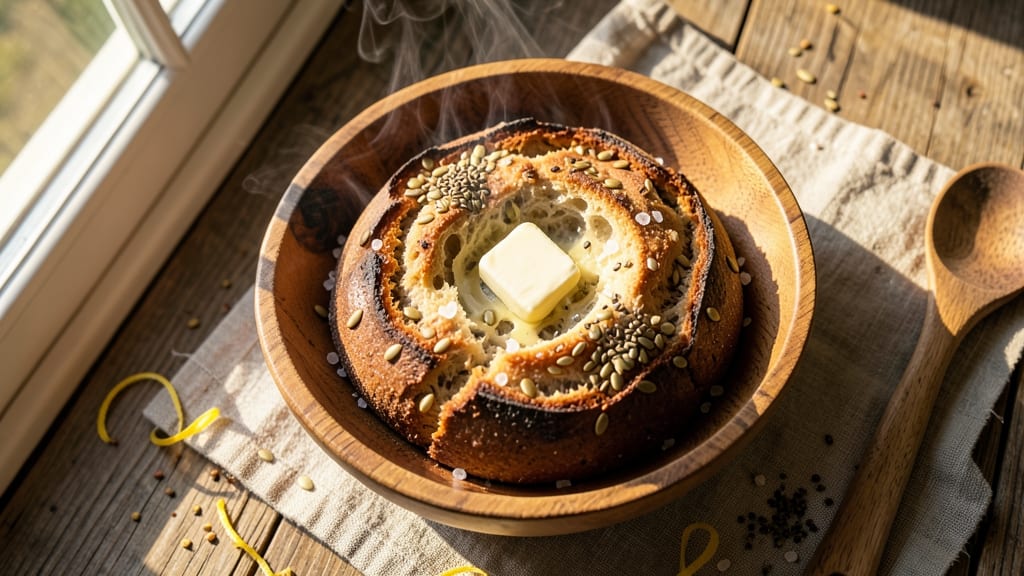
The authentic Irish brown soda bread recipe brings the heart of Ireland to your kitchen with its rustic crust and tender crumb. This traditional loaf relies on buttermilk for a natural rise, baking soda for lift, and whole wheat flour for that signature nutty flavor.
The secret lies in its simplicity—just a few ingredients, no yeast, and a baking time of 30–40 minutes at 425°F for a perfect golden crust.
What makes this recipe truly special is its cultural heritage and versatility. The bread’s dense texture and slightly sweet flavor pair beautifully with butter, Irish stew, or even as a side to hearty soups.
Unlike commercial versions, this recipe delivers an authentic taste with a crispy crust and soft interior—just like the loaves baked in Irish kitchens for generations.
For those who love customization, you can add raisins, caraway seeds, or even seeds for extra texture. The shaping and scoring techniques are just as important as the ingredients, ensuring that iconic cross pattern that lets steam escape for an even bake.
This bread is more than just a side—it’s a taste of tradition.
Ready to bake? The process is straightforward, and the results are unforgettable. Whether you’re serving it warm from the oven or toasting slices the next day, this Irish brown soda bread will become a staple in your home. Let’s get started on creating something truly special.
Ingredients for authentic irish brown soda bread
These traditional Irish ingredients create a rustic loaf with crispy crust and tender crumb.
| Ingredient | Amount | Notes |
|---|---|---|
| All-Purpose Flour 🌾 | 3 cups | Plus 2 tbsp for dusting |
| Whole Wheat Flour 🌾 | 1 cup | For nutty flavor profile |
| Buttermilk 🥛 | 1 ¼ cups | Room temperature preferred |
| Baking Soda 🧂 | 1 tbsp | Freshly opened for potency |
| Salt 🧂 | ½ tsp | Fine sea salt preferred |
| Unsalted Butter 🧈 | ½ cup | Cold, cubed for texture |
| Raisins 🍇 | ½ cup | Optional, plump variety |
| Caraway Seeds 🌿 | 1 tsp | Toasted for enhanced aroma |
| Sesame Seeds 🌾 | 1 tbsp | For decorative crust |
| Sunflower Seeds 🌻 | ¼ cup | Toasted for crunch |
| Coarse Sea Salt 🧂 | 1 tbsp | For scoring and finishing |
The flours are the heart of this bread—King Arthur or Bob's Red Mill all-purpose flours yield the best texture. For whole wheat, White Whole Wheat keeps the crumb lighter. Buttermilk should be homemade (milk + vinegar) if possible, but store-bought works. The baking soda needs to be freshly opened—old soda loses its lift. Caraway seeds? Penzeys Spices carries the best quality, but any grocery store's bulk section will do. Toast your seeds lightly in a dry pan before adding—they'll sing with flavor.
No buttermilk? Milk + lemon juice works in a pinch. Short on whole wheat? Substitute all-purpose, but the texture will be lighter. Want to skip raisins? Dried cranberries or chopped dates add sweetness without changing the bread's structure. Sesame seeds can be swapped for poppy seeds or flaxseeds if you prefer. The butter should be cold and cubed—don't melt it, or you'll lose that signature tender crumb. For a nutty twist, add 1 tbsp ground flaxseed to the dry ingredients.
Store the dough in the fridge for up to 24 hours if prepping ahead—it actually improves the flavor. Once baked, keep the loaf wrapped in a clean kitchen towel for 2-3 days to maintain freshness. For longer storage, slice and freeze portions in airtight bags—they reheat beautifully in a toaster or oven. The scoring pattern matters: deep cross cuts let steam escape for that iconic crust. Toast slices for 3-5 minutes to revive texture.
Why You'll Love This Recipe
- No Yeast, No Stress: I’ll be real—this bread takes zero waiting around. No yeast means no proofing, no watching the clock, just mix, shape, and bake. That buttermilk tang and baking soda lift do all the work while you sip tea and pretend you’re in a cozy Dublin kitchen.
- Tangy Crust, Soft Core: Honestly, the flavor punches way above its ingredients. That whole wheat flour gives it a nutty bite, while the buttermilk keeps it moist—crust crackles like a campfire, inside stays pillowy. (Yes, even on a Tuesday night.)
- Breakfast to Picnic Hero: Here’s what sold me—this bread does it all. Toast it with jam for breakfast, pack slices with cheese for lunch, or serve warm with stew. The mix of all-purpose and whole wheat flours keeps it sturdy enough to handle anything without falling apart.
- Leftovers That Last: Between us, this recipe makes two loaves with the same effort. One for today, one for tomorrow—no sad, dried-out bread here. The baking soda keeps it fresh for days, and the whole wheat adds fiber so you can justify eating it straight from the bag. (I won’t judge.)
Step-by-step instructions for authentic Irish brown soda bread
This traditional method delivers a crusty exterior, tender crumb, and that classic Irish flavor profile.
Prepare the Seeds and Mix Dry Ingredients
Toast the 1 tsp caraway seeds and 0.25 cup sunflower seeds in a dry skillet over medium heat for 2-3 minutes until fragrant and lightly golden. This enhances their aroma and prevents them from remaining raw in the finished bread. Transfer them to a small bowl and let cool completely.
In a large mixing bowl, combine the 3 cups all-purpose flour, 1 cup whole wheat flour, 1 tbsp baking soda, and 0.5 tsp salt. Use a whisk to break up any flour clumps and ensure even distribution. The whole wheat flour adds a subtle nutty depth that's characteristic of authentic Irish soda bread.
Cut in the Butter and Mix with Buttermilk
Add the 0.5 cup cold, cubed unsalted butter to the dry ingredients. Using your fingers or a pastry cutter, work the butter into the flour mixture until it resembles coarse crumbs with pea-sized butter pieces remaining. This cold butter method creates pockets of flavor that melt during baking, contributing to the bread's signature tenderness.
Make a well in the center of the bowl and pour in the 1.25 cups buttermilk all at once. Using a wooden spoon, gently mix just until the dough comes together—you'll see streaks of flour still visible, which is perfect. Overmixing develops gluten and produces a tougher bread. If the dough feels too sticky, add 1-2 tablespoons of the reserved flour from the 2 tbsp for dusting mentioned in the ingredients.
Fold in Raisins and Form the Dough
Gently fold in the 0.5 cup raisins (if using) and the cooled toasted seeds using a rubber spatula. The raisins should be distributed evenly throughout the dough. Avoid pressing them in too firmly—just fold them in so they're incorporated without breaking the dough structure.
Turn the dough out onto a lightly floured surface and shape it into a round loaf about 1 inch thick. I like to use a rolling motion with my hands, keeping the edges slightly thicker than the center. This shape creates the classic Irish soda bread profile with a slightly domed top.
Score and Bake for Rustic Crust
Preheat your oven to 425°F with a baking sheet inside to preheat. Place the shaped dough on the hot baking sheet and immediately sprinkle the top with 1 tbsp sesame seeds and 1 tbsp coarse sea salt. Using a sharp serrated knife or razor blade, score the top in a cross pattern about ½ inch deep. This allows the bread to expand properly and creates that signature rustic look.
Bake for 30-35 minutes until the bread is deep golden brown and sounds hollow when tapped on the bottom. The internal temperature should reach 190-200°F. The crust should be crisp and slightly crackled, while the interior remains tender with a slightly dense texture—this is what makes traditional Irish soda bread so satisfying.
Cool and Serve Traditionally
Remove the bread from the oven and let it cool on a wire rack for at least 15 minutes before slicing. This resting period allows the crumb to set properly. I find the bread tastes best when served warm or at room temperature, with a generous spread of Irish butter or clotted cream on the side.
For an authentic touch, serve with your favorite Irish tea or coffee. The bread's slightly dense crumb and crisp exterior make it perfect for soaking up tea or pairing with soups and stews. Each slice should reveal a tender crumb with pockets of flavor from the seeds and raisins, and that beautiful golden crust you worked so hard to achieve.
Pro Tips For Making Authentic Irish Brown Soda Bread
- Measure Buttermilk Precisely: Pour the buttermilk into a measuring cup first—it’s thicker than milk and won’t settle like water. I learned this the hard way when my first loaf turned out dense because I eyeballed it. Use a liquid measure and fill it to the brim, then level it off with a knife.
- Skip the Overmixing: Stir the dough just until the flour is barely incorporated—lumps are fine. Overworking it develops gluten, and that’s the fast track to a tough, chewy loaf. Think "messy but together," not "smooth and homogeneous."
- Let the Dough Rest: Give the dough a 10-minute rest before shaping—even if you’re eager to bake. This lets the baking soda activate fully and makes the crumb tender. I used to rush this, and my bread always ended up gummy inside.
- Bake on High Heat: Preheat the oven to 425°F (220°C) and bake uncovered—no tenting needed. The high heat creates that signature crisp crust and ensures the bread rises properly. I was skeptical until I tried it; now I won’t bake it any other way.
Health benefits of this dish
Whole Grain Goodness
The combination of all-purpose and whole wheat flour in this recipe delivers a powerful nutritional punch. Whole wheat provides 4 grams of fiber per cup, supporting digestive health and keeping you full longer.
The fiber content also helps regulate blood sugar levels, making this bread a smart choice for anyone watching their carb intake. 🌾
Protein Powerhouse
While not a high-protein bread by design, the whole wheat flour and buttermilk contribute about 5 grams of protein per serving. The addition of seeds (sunflower, sesame) boosts this further, providing healthy fats and extra protein.
For a protein boost, consider adding 1 tablespoon ground flaxseed to the dry ingredients—it adds 2 grams of protein per tablespoon without altering the bread's texture significantly.
Natural Leavening Benefits
This bread relies on baking soda rather than commercial yeast, making it a great option for those with yeast sensitivities. The baking soda creates a quick rise that's gentle on digestion while still producing a light, airy crumb.
The buttermilk's acidity reacts with the baking soda to create carbon dioxide bubbles, which is why it's crucial to use fresh baking soda—old soda loses its potency and results in a dense loaf.
Rich in Antioxidants
The whole wheat flour and seeds provide a variety of antioxidants that combat oxidative stress. Sunflower seeds, for example, are packed with vitamin E, a powerful antioxidant that supports skin health.
Caraway seeds contribute thymol, a compound with antimicrobial properties. Together, these ingredients create a bread that's not just delicious but also nourishing for your body.
Low-Fat Option
While traditional Irish soda bread often includes butter, this recipe uses only ½ cup—about 113 calories from fat per loaf. The butter contributes to the bread's signature tenderness, but you can reduce it to ¼ cup (saving about 100 calories) without significantly affecting the texture.
For a truly low-fat version, substitute the butter with ¼ cup unsweetened applesauce—it adds moisture while keeping the bread tender. 💛
Gluten-Free Adaptation
While this recipe isn't naturally gluten-free, you can adapt it using a 1:1 gluten-free flour blend like Bob's Red Mill or King Arthur. Replace the all-purpose and whole wheat flours with the blend and add ½ teaspoon xanthan gum to improve texture.
Keep in mind the bread will have a slightly denser crumb, but it will still deliver that authentic Irish flavor profile with the same nutritional benefits—just without the gluten. The buttermilk and baking soda reaction remains the same, ensuring proper rise.
Nutrition facts
Frequently asked questions
Why does this bread need to be scored before baking?
The deep cross pattern isn't just decorative—it's functional! Scoring allows steam to escape during baking, preventing the bread from splitting open. It also creates that iconic rustic look while ensuring even browning. The traditional Irish cross pattern actually helps the bread rise more evenly in the center.
Can I substitute buttermilk if I don't have any?
Mix 1 cup milk with 1 tablespoon lemon juice or vinegar, then let it sit for 5 minutes to curdle. This homemade version works perfectly and gives you more control over the acidity level. Store-bought buttermilk works too, but fresh is always better for authentic flavor.
What makes this bread "authentic" compared to store-bought?
The authenticity comes from three key elements: whole wheat flour for that nutty Irish flavor, baking soda (not yeast) for the natural rise, and the buttermilk reaction that creates the signature tender crumb. Store-bought versions often use refined flour and commercial leavening agents that alter the traditional taste and texture.
How do I store leftovers to keep them fresh?
Wrap the cooled loaf tightly in plastic wrap or place it in an airtight container with a paper towel underneath to absorb moisture. It stays fresh for 3-4 days at room temperature. For longer storage, slice and freeze portions in airtight bags—they reheat beautifully in a toaster or oven for 3-5 minutes.
Can I add other seeds or mix-ins besides raisins and caraway?
Try poppy seeds, flaxseeds, or chopped nuts for extra texture. For a savory version, omit the raisins and add 1 tablespoon dried herbs like rosemary or thyme. Just