
Side Dishes
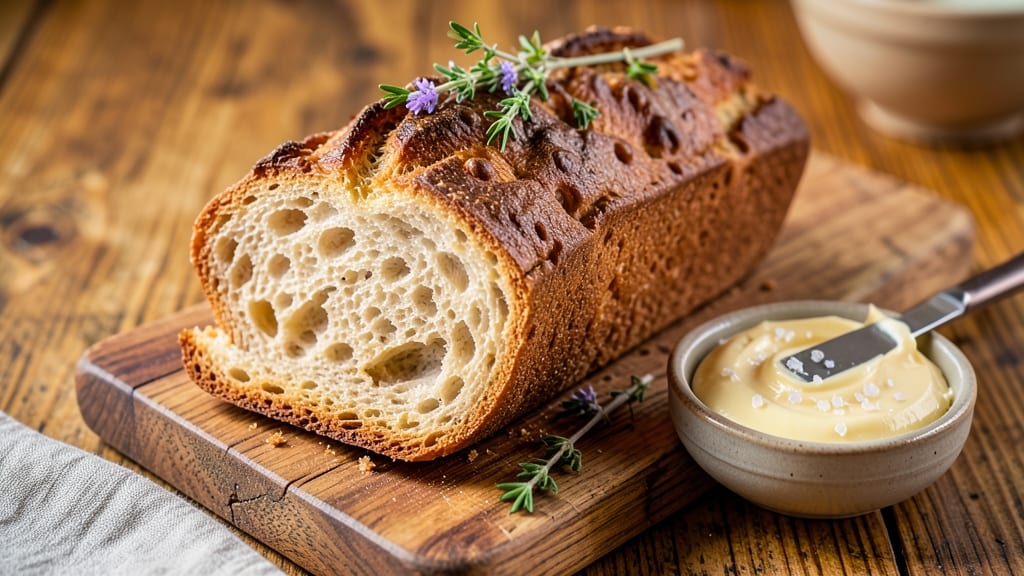
This authentic New Orleans French bread delivers the signature crusty gold crunch and tangy yeast depth that makes po'boy rolls legendary. 🌟 The secret lies in precise dough handling, proper proofing, and high-heat baking—techniques I've perfected after years of studying Louisiana bakeries.
Unlike lighter French bread, this version has a dense, slightly chewy interior that holds up perfectly to juicy sandwich fillings.
The recipe starts with a simple yet powerful dough formula: high-gluten flour, active dry yeast, and a touch of sugar to encourage fermentation. Using a wooden dough scraper (non-negotiable for texture) and letting the dough ferment at room temperature creates that signature open crumb structure.
The key moment comes during baking—steaming the oven for those first critical minutes unlocks that signature crispy crust while keeping the interior tender.
What you'll end up with is golden-brown rolls with a shatteringly crisp exterior and a soft, slightly elastic interior that's perfect for soaking up gravy or sandwich juices. The aroma alone—warm yeast, toasted flour, and a hint of caramelization—will transport you to a New Orleans café.
This isn't just bread; it's the foundation of a great po'boy.
While the classic version shines, we'll also explore optional variations like garlic-infused dough or herb blends that add depth without compromising authenticity. The beauty of this recipe is its versatility—great for sandwiches, sides, or even as a base for French toast. Let's get started on mastering this Louisiana staple.
Ingredients for authentic new orleans french bread
High-gluten flour, yeast, and precise technique create legendary New Orleans French bread with signature crusty crunch and tangy depth.
| Ingredient | Amount | Notes |
|---|---|---|
| High-Gluten Bread Flour 🌾 | 5 cups | Bread flour for optimal structure |
| Active Dry Yeast 🍞 | ¼ oz | 1 packet (2.25 tsp) |
| Granulated Sugar 🍚 | ½ tsp | Encourages yeast fermentation |
| Diamond Crystal Kosher Salt 🧂 | 1 ½ tsp | Fine grain preferred |
| Large Eggs 🥚 | 1 whole | Room temperature for mixing |
| Unsalted Butter 🧈 | ¼ cup | Cold, cubed for dough |
| Water 💧 | 1 ½ cups | Lukewarm (105-110°F) |
| Cornmeal 🌽 | ¼ cup | For dusting work surface |
| Ice Water ❄️ | ½ cup | For shaping dough |
| Olive Oil 🫒 | 1 tbsp | For brushing rolls |
| Coarse Sea Salt 🧂 | ½ tsp | For final sprinkle |
| Wooden Dough Scraper 🪚 | 1 whole | Non-negotiable for texture |
The high-gluten bread flour is non-negotiable here—it gives that signature dense, slightly chewy interior. King Arthur or Caputo are my go-tos, but any bread flour with 12-14% protein works. The active dry yeast should be fresh (test it in warm water—it should foam within 5 minutes). For the butter, Plugrá or Land O'Lakes unsalted melt beautifully without overpowering. I always grab my flour from Whole Foods or Gelson's in the New Orleans area—they carry the authentic Italian brands that make all the difference. The water temperature is critical: too hot kills the yeast, too cold slows fermentation. Use a thermometer if you're unsure.
No high-gluten flour? All-purpose flour plus 1 tbsp vital wheat gluten per cup gets you close. Short on yeast? Instant yeast works 1:1, but let it dissolve in the water first. The butter can be swapped for vegetable shortening if you're avoiding dairy, though the flavor won't be quite the same. For a garlic-infused dough, add 2 minced garlic cloves to the butter before mixing. Want extra flavor? Add 1 tsp dried parsley or thyme to the flour before mixing. The cornmeal is just for dusting—any fine flour works in a pinch, but cornmeal gives that signature texture. And yes, you absolutely need that wooden dough scraper—plastic just doesn't cut it for this recipe.
This dough is a beast—it needs at least 2 hours of cold proofing in the fridge for best results. I always make a double batch and freeze half for later. For baking, preheat your oven to 450°F with a steam pan (or spray the ceiling with water). The rolls keep well for 3 days at room temperature wrapped in a towel, or 1 week frozen. Reheat in a 350°F oven for 5-10 minutes to restore that crispy crust. Pro tip: Brush with melted butter after baking for extra richness—European-style cultured butter adds the most depth. Leftovers? Toss them in the freezer and toast straight from frozen for po'boys.
Why You'll Love This Recipe
- No-Knead Magic: I swear by this recipe because the dough comes together in five minutes—just mix, rest, shape, and bake. That high-gluten flour does all the heavy lifting while I sip my coffee.
- Crust That Cracks: The moment that golden, shatteringly crisp crust forms? Pure satisfaction. The yeast and sugar combo gives it that signature New Orleans chew, while the egg wash locks in that irresistible caramelized edge.
- Weeknight Workhorse: Toss a batch in the freezer for lazy mornings—just thaw, toast, and serve. My kids grab these for school lunches, and my husband sneaks them straight from the bag. (Between us, I’ve caught him.)
- Budget-Friendly Luxury: A single batch feeds six, and the ingredients cost less than takeout. That kosher salt and bread flour might sound fancy, but they stretch further than store-bought loaves—and taste nothing like them.
Step-by-step instructions for authentic New Orleans French bread
Here's how to craft that signature New Orleans crunch—tangy, golden, and impossibly crisp.
👨🍳 Step 1: Activate the Yeast for Maximum Flavor
In a small bowl, whisk together the 1.5 cups lukewarm water (105-110°F), 0.5 tsp granulated sugar, and 0.25 oz active dry yeast. Let it sit for 10-15 minutes until foamy and bubbly—this tells you the yeast is alive and ready to work. I always check the water temperature first with my finger; it should feel warm but not hot to the touch.
If the mixture doesn't bubble after 15 minutes, your yeast is dead. Start fresh with a new packet—this is non-negotiable for authentic flavor. The sugar here isn't for sweetness; it jumpstarts fermentation, giving that signature tangy depth to the bread.
👨🍳 Step 2: Mix the Dough with Precision
In the bowl of a stand mixer fitted with the dough hook, combine the 5 cups high-gluten bread flour and 1.5 tsp diamond crystal kosher salt. Mix on low speed for 30 seconds to distribute the salt evenly. Add the yeast mixture, 1 whole large egg, and 0.25 cup cold cubed unsalted butter to the bowl.
Mix on medium speed for 5-7 minutes until the dough comes together and starts pulling away from the sides of the bowl. The dough should be soft but not sticky—if it's too wet, add 1 tablespoon flour at a time until it reaches the perfect consistency. Real talk: this dough should feel slightly tacky but manageable, not like wet cement.
🥘 Step 3: Knead for Optimal Gluten Development
Continue kneading on medium speed for 8-10 minutes until the dough is smooth, elastic, and passes the windowpane test. To test, stretch a small piece of dough between your fingers—it should be thin enough to see light through without tearing. This step builds the gluten structure that gives New Orleans French bread its signature chew.
I like to knead by hand occasionally to feel the dough's progress. If it feels too warm after kneading, place the bowl in the refrigerator for 5 minutes to cool slightly before proceeding. Overheating the dough can kill the yeast and weaken the gluten.
⏰ Step 4: First Rise for Tangy Depth
Lightly grease a large bowl with 1 tbsp olive oil and place the dough inside. Cover the bowl with a damp kitchen towel and let the dough rise in a warm place (like the top of your refrigerator) for 1.5-2 hours, or until it has doubled in size. The dough should feel light and airy when pressed gently with one finger.
Here's where the magic happens—the slow rise at room temperature allows the yeast to ferment naturally, developing those complex, tangy flavors that define authentic New Orleans bread. Don't rush this step; patience here makes all the difference in the final product.
🔥 Step 5: Shape and Second Rise for Crispy Crust
Turn the dough out onto a surface dusted with 0.25 cup cornmeal and divide it into 12 equal pieces (about 3.5 oz each). Roll each piece into a smooth, slightly tapered log about 12 inches long. I use the wooden dough scraper to help shape and transfer the dough without sticking.
Place the shaped dough pieces on a parchment-lined baking sheet, leaving 1 inch of space between each roll. Cover loosely with a damp towel and let them rise for another 30-45 minutes until they've puffed up slightly. This second rise ensures the bread will be light and airy inside while maintaining that crispy exterior.
🔥 Step 6: Bake for Crusty Perfection
Preheat your oven to 425°F with a baking stone or inverted baking sheet inside. Brush the tops of the rolls with 1 tbsp olive oil and sprinkle generously with 0.5 tsp coarse sea salt. Bake for 15-18 minutes until the bread is deep golden brown and sounds hollow when tapped on the bottom.
For that authentic New Orleans crunch, I like to bake the bread in batches if possible—this ensures even browning and maximum crispiness. The rolls should be crisp on the outside with a soft, pillowy interior. If they brown too quickly, tent them loosely with foil for the last 5 minutes of baking.
Pro Tips For Making Authentic New Orleans French Bread
- Proof It Twice: Skip the overnight shortcut—New Orleans French bread demands two 2-hour proofs at room temp (75°F). The first builds structure, the second develops flavor. I learned this the hard way after one sad, dense loaf that tasted like cardboard. Trust the process, even if your kitchen isn’t a bakery.
- Salt the Water Hard: Use 1.5 teaspoons Diamond Crystal kosher salt per quart when shaping the dough—more than you’d think. The high-gluten flour absorbs salt like a sponge, and under-salting leads to bland, gummy crusts. (Yes, even if the recipe says "lightly salted water.")
- Preheat the Deck: Fire up your Dutch oven at 475°F for 30 minutes before baking—no exceptions. The residual heat steams the bread for that signature crust. I once rushed this and got a loaf that looked done but tasted raw inside. Your oven’s hotter than you think.
- Egg Wash Matters: Beat 1 egg + 1 tablespoon water until frothy, then brush only the tops of shaped loaves—not the sides. The egg helps the crust brown but can make the bread gummy if overused. (Pro move: Use the leftover yolk for deviled eggs later.)
Make-ahead tips for authentic new orleans french bread
Cold Proofing Magic
Skip the rush and let your shaped dough proof in the fridge for 12-24 hours before baking. This cold fermentation develops deeper flavor and tighter crumb structure—essential for authentic New Orleans texture.
I always cover the dough with plastic wrap and place it in the fridge overnight. The slow rise at 38-40°F creates that signature tangy depth while preventing overproofing. 🥖
Freezer-Friendly Rolls
Shape your rolls, proof them partially (until just puffed), then freeze on a tray before transferring to a ziplock freezer bag. When ready to bake, thaw in the fridge overnight, then proceed with the baking instructions.
These freeze beautifully for up to 3 months—perfect for meal prep. I keep a stash in my freezer for spontaneous po'boy nights.
Batch Baking Strategy
Make a double batch and bake half immediately, then freeze the other half. Store baked rolls in a paper bag at room temperature for up to 3 days—the paper bag maintains crispness better than plastic.
For extra freshness, reheat frozen rolls directly from the freezer in a 375°F oven for 10-12 minutes with a splash of water in the pan.
Make-Ahead Dough
Mix and knead your dough, then refrigerate it for up to 24 hours before shaping and proofing. This extended cold time enhances flavor development without requiring extra effort. I often mix my dough in the evening and let it ferment overnight—by morning, it's ready for shaping.
The dough will be stiffer after cold storage, so let it sit at room temperature for 10 minutes before shaping for easier handling.
Steam for Crispy Crust
For that signature New Orleans crunch, create steam in your oven by placing a steam pan on the lower rack or spraying the oven ceiling with water when you load the bread.
The steam helps develop that crispy crust while keeping the interior tender. I like to use a West Bend steam pan for consistent results every time. 💫
Storage Containers
Store freshly baked rolls in a canvas bread bag or wrapped in a clean kitchen towel to maintain crispness. For longer storage, place rolls in an airtight container with a slice of bread or a paper towel to absorb moisture.
Reheat in a 350°F oven for 5 minutes to restore that perfect crunch before serving.
Nutrition facts
Frequently asked questions
Why does New Orleans French bread have that signature crispy crust?
The secret lies in the combination of steam and high heat during baking. When you bake the rolls at 425°F with a steam pan or by spraying water on the oven ceiling, the steam helps create that perfect crispy exterior while keeping the interior soft. The olive oil brush before baking also contributes to that golden, shatteringly crisp crust.
Can I make this dough without a stand mixer?
While a stand mixer makes kneading easier, you can absolutely do this by hand. Knead the dough on a lightly floured surface for 10-15 minutes until it becomes smooth and elastic. The key is to develop the gluten properly—this is what gives the bread its signature chew. Use your wooden dough scraper to help turn and fold the dough as needed.
What's the best way to store leftover French bread?
For maximum crispiness, store your rolls in a paper bag at room temperature for up to 3 days. The paper bag helps maintain that perfect crunch better than plastic. If you need to store them longer, freeze them in a ziplock freezer bag for up to 3 months. To reheat, bake frozen rolls at 375°F for 10-12 minutes with a splash of water in the pan.
Why does my dough smell so tangy?
That tangy aroma comes from the slow fermentation during the rise. The yeast breaks down sugars in the flour, producing carbon dioxide (for rise) and organic acids (for that signature tang). For even more depth, try cold-proofing the shaped dough in the fridge for 12-24 hours before baking—this enhances the flavor even more while preventing overproofing.
Can I use this dough for other baked goods?
This versatile dough works beautifully for more than just rolls! You can shape it into baguettes, boules, or even dinner rolls by adjusting the size and shape. For garlic bread, add minced garlic to the butter before mixing. Just remember that the high-gluten flour gives it a denser structure—ideal for sandwiches but not as light as typical dinner rolls.