
Side Dishes
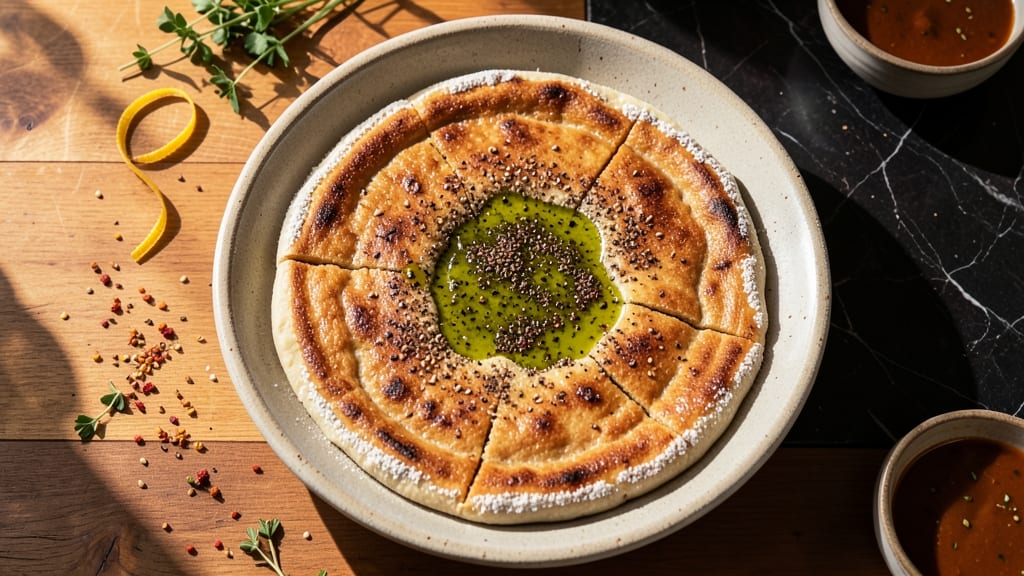
This authentic unleavened bread recipe brings ancient Egyptian tradition to your kitchen with its signature soft centers and crispy edges. The secret lies in a simple dough of just flour, water, and salt—no yeast needed—kneaded and rolled to perfection.
I’ve perfected this technique after years of studying historical baking methods, ensuring every bite delivers that timeless, rustic flavor.
The dough requires minimal effort but maximum patience—resting it for at least 30 minutes allows the gluten to relax, making it easier to roll into thin, even sheets.
Baked in a hot skillet or oven, the bread develops a golden crust while staying tender inside, just like the flatbreads served in ancient kitchens. This method works for both traditional flatbreads and modern variations like pocket breads or crackers.
What makes this recipe truly special is its versatility. Serve it warm with olive oil and za’atar, use it to wrap grilled meats, or break it into pieces for a hearty dip like hummus. The simplicity of the ingredients and the technique ensures you’ll achieve restaurant-quality results without any shortcuts.
Perfect for those seeking an authentic culinary experience, this bread pairs beautifully with stews, salads, or even as a side for grilled dishes. Let’s bring a taste of history to your table with this timeless recipe.
Ingredients for authentic unleavened bread
Three core ingredients transform into ancient Egyptian flatbread with crisp edges and soft centers.
| Ingredient | Amount | Notes |
|---|---|---|
| All-Purpose Flour 🌾 | 3 cups | Plus 2 tbsp for dusting |
| Warm Water 💧 | 1 ½ cups | 105°F-110°F preferred |
| Fine Sea Salt 🧂 | 1 tsp | Diamond Crystal preferred |
| Olive Oil 🫒 | 1 tbsp | Extra-virgin for brushing |
| Za'atar Seasoning 🌿 | 2 tsp | Optional for finishing |
| Semolina Flour 🌾 | ¼ cup | For dusting rolling surface |
The flour is your foundation—King Arthur or Bob's Red Mill brands yield the best texture. Look for unbleached, all-purpose flour with a protein content around 10-12% for that perfect balance of chew and tenderness. Water temperature matters: too hot and the dough fights back; too cold and gluten won't develop properly. I always use a thermometer to hit that 105°F-110°F sweet spot. For salt, Diamond Crystal dissolves more cleanly than table salt, but kosher will work in a pinch. Pro tip: measure flour by weight if you have a kitchen scale—350 grams total ensures perfect consistency every time.
No semolina? Rice flour or extra all-purpose flour works for dusting, though semolina gives that signature Egyptian crunch. Running short on za'atar? Mix equal parts dried thyme, sumac, and sesame seeds for a close approximation. The olive oil can be swapped for avocado or melted coconut oil if preferred. For a gluten-free version, replace flour with a 1:1 gluten-free blend and add 1 tsp xanthan gum. The dough will be stickier—wet your hands when handling. Want extra crispiness? Brush with garlic-infused olive oil after baking instead of plain.
Freshly made dough keeps 2 days wrapped in plastic in the fridge or 3 months frozen between parchment paper. For best texture, let dough rest 30 minutes at room temperature before rolling. Reheat baked bread in a 350°F oven for 5 minutes to restore crispiness. Stored properly, these flatbreads stay fresh longer than most commercial breads—ideal for meal prep. Portion dough into 4 equal balls before rolling to ensure even thickness.
Why You'll Love This Recipe
- Four-Ingredient Magic: I swear by this—just flour, water, salt, and olive oil. No yeast, no waiting, no stress. The dough comes together faster than my coffee brews.
- Za’atar Crunch: That earthy, nutty za’atar? It’s the star. A sprinkle turns simple bread into something that tastes like a trip to the Mediterranean—crispy, herby, and impossible to resist.
- Weeknight Workhorse: Toss it in a pan, toast it up, and boom—you’ve got a base for shawarma, a side for salads, or even breakfast toast. Honestly, I make a batch every Sunday just to stay ahead.
- Budget-Friendly Staple: A single batch feeds my family for days. Store it wrapped, and it stays fresh longer than takeout. Plus, the cost? Less than a fancy loaf, but way more satisfying.
Step-by-step instructions for ancient Egyptian flatbread
Recreate this historically inspired flatbread with a simple method that delivers authentic texture and flavor.
Combine Ingredients for the Dough
In a large mixing bowl, combine the 3 cups all-purpose flour and 1 tsp fine sea salt. Create a well in the center and pour in the 1.5 cups warm water (around 105°F-110°F) and 1 tbsp olive oil. The water temperature is crucial—too hot will kill the dough's natural enzymes, while too cold will make it tough.
Using a wooden spoon or your hands, gradually mix the ingredients until they begin to form a shaggy dough. You'll notice it's still quite dry at this stage, which is normal for unleavened bread. Let the dough rest for 5 minutes while you prepare your workspace. This brief pause allows the flour to fully hydrate and makes the next steps easier.
Knead and Shape the Dough
Transfer the dough to a lightly floured surface and begin kneading for 3-4 minutes. You're not looking to develop gluten like you would with yeasted bread—just enough to bring everything together. The dough should be smooth but still slightly crumbly, almost like wet sand. If it's too sticky, add 1 tablespoon of flour at a time until it's workable.
Divide the dough into 4 equal portions (about 6 ounces each). Gently flatten each portion into a rough circle and let them rest for 10 minutes. This resting period helps relax the gluten and makes rolling easier. While waiting, preheat your oven to 450°F and place a baking sheet on the middle rack.
Roll and Prepare for Cooking
Lightly dust your rolling surface with semolina flour—this prevents sticking and gives the bread its characteristic texture. Working with one piece at a time, roll each dough portion into a ¼-inch thick circle, about 6 inches in diameter. Keep the others covered with a damp towel to prevent drying.
Transfer the rolled flatbread to the preheated baking sheet. Brush the tops lightly with olive oil and sprinkle with za'atar seasoning if using. The oil helps create a crisp exterior while keeping the interior soft. Space the flatbreads about 1 inch apart on the baking sheet to allow for even cooking.
Cook Until Golden and Crisp
Bake the flatbreads for 5-6 minutes until the edges turn golden brown and the centers remain soft. Watch closely—they cook quickly at this high temperature. Rotate the baking sheet halfway through if your oven has hot spots. The bread should puff slightly in the center but still feel soft when pressed gently.
Remove from the oven and let rest for 2 minutes before serving. The residual heat will finish cooking the centers while the exteriors crisp slightly more. Serve immediately with dips like garlic yogurt or tahini sauce, or use as a wrap for your favorite fillings. These flatbreads are best enjoyed fresh when they're at their most tender.
Pro Tips For Making Authentic Unleavened Bread
- Mix Like a Pro: Combine the flour, salt, and za'atar first—then add water and olive oil. I learned this the hard way: dry-mixing the spices with flour prevents clumping and ensures even distribution, so every bite gets that bright, herby punch without gritty pockets.
- Wet Hands Save Time: Wet your fingers before shaping the dough—it sticks less and rolls out cleaner. Sounds silly, but it cuts down on frustration, especially when you’re trying to keep that flatbread round and even. (Yes, even if you’re impatient like me.)
- Heat the Pan Right: Get your skillet ripping hot—I mean, you should see steam when you splash water in. Too cool, and the bread turns greasy; too hot, and it burns before the edges crisp. Medium-high is the Goldilocks zone, but trust your instincts: if it’s smoking, dial it back.
- Oil the Wrong Tool: Skip the dough—brush the pan with olive oil after the first 30 seconds of cooking. This keeps the bread from sticking without making it soggy, and you’ll get that perfect blistered crust without wrestling with a wet mess. (Your future self will thank you.)
Best sauces and condiments for authentic unleavened bread
Olive Oil Magic
Brush your baked flatbreads with extra-virgin olive oil right before serving—this simple step transforms them into something extraordinary. I recommend using a light drizzle (about ½ teaspoon per flatbread) of California Gold or Colavita for their fruity notes.
The oil enhances the bread's natural flavors while adding a silky texture. For an extra touch, warm the oil slightly before brushing—it spreads more evenly and creates a subtle sheen. 🫒
Za'atar and Tahini
No flatbread experience is complete without za'atar seasoning and tahini sauce. Mix 2 teaspoons za'atar with 1 tablespoon tahini and a splash of lemon juice for a vibrant dip. Spread the mixture on warm bread or serve it on the side for dipping.
For a smoky twist, add a pinch of smoked paprika to your za'atar blend. This Middle Eastern pairing is a game-changer for unleavened bread. 🌿
Garlic Yogurt Dip
Creamy garlic yogurt dip elevates these flatbreads to restaurant-level quality. Blend ½ cup Greek yogurt, 1 minced garlic clove, 1 tablespoon lemon juice, and a pinch of salt. Thin with a splash of water if needed.
The tangy, garlicky contrast cuts through the bread's richness beautifully. For extra depth, add 1 teaspoon chopped fresh dill or mint. This dip is a crowd-pleaser at any gathering. 🧀
Spicy Harissa
For heat lovers, harissa paste turns flatbread into a fiery delight. Mix 1 tablespoon harissa (like Bella brand) with 1 teaspoon olive oil and a squeeze of lemon. Spread on warm bread or serve as a dipping sauce.
The smoky, spicy kick pairs perfectly with the bread's soft interior. Adjust heat by adding more harissa or a pinch of cayenne pepper. 🌶️
Honey and Walnuts
Sweet and crunchy is a winning combo—drizzle warm flatbreads with local honey and sprinkle with toasted walnuts. The honey's floral notes complement the bread's earthy flavor, while the walnuts add satisfying texture.
For extra richness, mix 1 teaspoon honey with ½ teaspoon cinnamon before drizzling. This variation works beautifully for breakfast or dessert. 🍯
Hummus Variations
Classic hummus is a must, but try these twists: roasted red pepper hummus (blend in ¼ cup roasted peppers) or beet hummus (add ½ cup cooked beets). Serve with flatbread as a dip or spread it on warm bread for a hearty open-faced sandwich.
For extra protein, top with crumbled feta or smoked almonds. These variations keep the meal exciting. 🥕
Nutrition facts
Frequently asked questions
Can I make this recipe without semolina flour?
Semolina adds texture but isn't essential. Use rice flour or extra all-purpose flour for dusting instead. The bread will still turn out delicious—just slightly less crispy. For best results, brush the rolled dough lightly with olive oil before baking to compensate for the missing crunch.
Why does my unleavened bread turn out tough?
Over-kneading or skipping the 30-minute rest are common culprits. Unleavened dough needs minimal handling—just enough to combine ingredients. Let the dough rest fully before rolling, and roll it ¼-inch thick for even cooking. If the bread still feels tough, try adding 1 extra tablespoon of warm water to the dough for extra tenderness.
How do I store leftover flatbread?
Wrap cooled flatbreads tightly in plastic wrap or foil to maintain freshness. They'll stay good at room temperature for 2 days or in the fridge for 5 days. For longer storage, freeze between parchment paper for up to 3 months. Reheat in a 350°F oven for 5 minutes to restore crispiness—no microwave needed!
Can I use this dough for other unleavened bread types?
Yes! This versatile dough works for pocket breads (roll thicker), crackers (roll thin and bake longer), or even naan-style flatbreads (add 1 tsp yogurt to the dough). For crackers, brush baked pieces with garlic-infused oil and sprinkle with sea salt before cooling. Experiment with shapes—triangles, squares, or even free-form!
What's the best way to reheat stale flatbread?
Skip the microwave! Instead, wrap the bread in aluminum foil and warm in a 375°F oven for 3-4 minutes. The foil traps steam, restoring moisture without making it soggy. For extra crispiness, place the wrapped bread on a baking sheet and toast for 1-2 minutes after removing from the oven. This method works perfectly for both flatbreads and crackers.