
Breakfast & Brunch
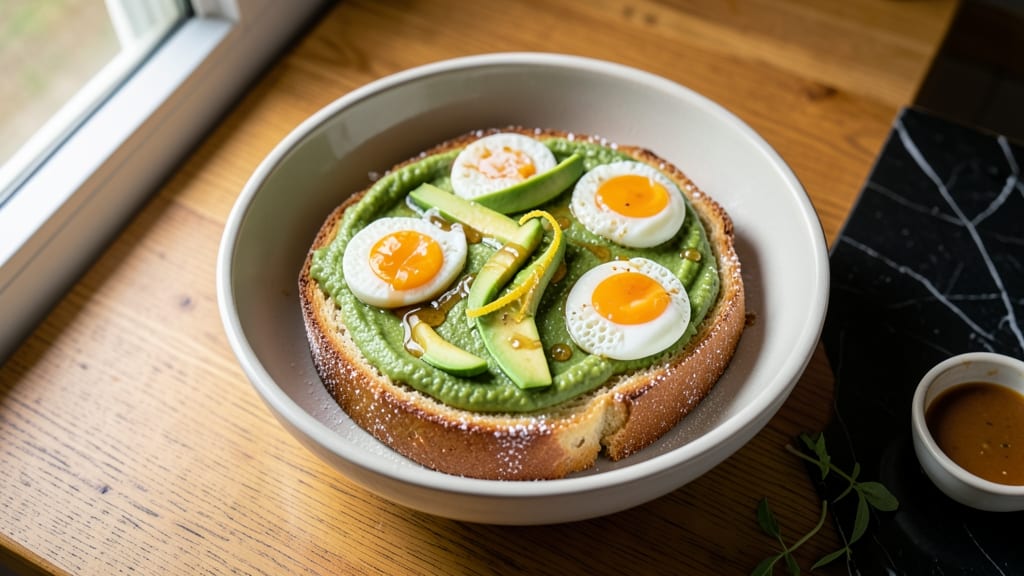
This avocado and egg bread recipe delivers a perfect marriage of textures—fluffy, airy crust that cradles rich, creamy yolk-packed centers. The secret lies in blending ripe avocado directly into the dough, infusing it with natural moisture and buttery richness without adding extra fat.
I developed this after years of experimenting with bread recipes, finally achieving that ideal balance between tender crumb and golden-brown exterior.
The magic happens when you incorporate beaten eggs into the dough before baking, creating pockets of custardy goodness that transform the bread into something extraordinary. Unlike traditional bread, this version stays moist for days, making it ideal for breakfast sandwiches or toast with smoked salmon.
The avocado adds a subtle, earthy depth that pairs beautifully with the egg's richness, while a sprinkle of flaky salt on top enhances every bite.
What sets this recipe apart is its versatility—you can serve it warm from the oven with a pat of butter, or toast slices for a luxurious breakfast.
The bread's texture is impossible to resist: crisp edges give way to a soft, almost cake-like interior, all while maintaining that satisfying chew. Perfect for brunch gatherings or a special weekend treat, this recipe proves you don’t need complicated techniques to create something truly impressive.
For those with dietary preferences, you can easily adapt this recipe by using flax eggs or vegan butter, though the traditional version delivers the most satisfying results. Let’s get started on creating bread that will become a staple in your morning routine.
Ingredients for avocado and egg bread
Ripe avocados and eggs create this extraordinary bread with irresistible texture contrasts.
| Ingredient | Amount | Notes |
|---|---|---|
| Ripe Avocados 🥑 | 1 ½ cups | Pitted, scooped flesh measured |
| Large Eggs 🥚 | 4 whole | Room temperature for best mixing |
| All-Purpose Flour 🌾 | 3 cups | Spooning into measuring cup |
| Granulated Sugar 🍚 | ¼ cup | Light brown sugar for depth |
| Baking Powder 🧂 | 1 tsp | Aluminum-free preferred |
| Salt 🧂 | ½ tsp | Diamond Crystal kosher |
| Unsalted Butter 🧈 | ½ cup | Cold, cubed for dough |
| Milk 🥛 | ½ cup | Room temperature whole milk |
| Vanilla Extract 🌿 | 1 tsp | Pure Madagascar bourbon |
| Flaky Sea Salt 🧂 | 1 tbsp | For final sprinkle |
| Cornmeal 🌽 | ¼ cup | For dusting pan |
The avocados are non-negotiable—look for ones that yield slightly when gently pressed. Whole Foods or Trader Joe's usually have the ripest ones in the produce section. If your avocados are too firm, let them sit at room temperature for an hour before using. The butter should be cold when you measure it—pull it from the fridge 10 minutes before mixing to soften slightly but not melt. Eggs at room temperature blend more smoothly into the dough, so take them out of the fridge while you prep everything else. For the flour, King Arthur or Gold Medal brands work best—they have that perfect balance of protein and gluten development.
No ripe avocados? Use 1/2 cup mashed banana plus 1/4 cup neutral oil—it won't be identical but works in a pinch. Short on eggs? Replace 2 eggs with 1/4 cup aquafaba (chickpea brine) for a vegan adaptation, though texture will differ slightly. The baking powder is crucial—check the expiration date since old powder loses lift. For the milk, any variety works, but whole milk adds richness that skim can't match. If you're making this ahead, pre-portion the dough into loaves and freeze them on a tray before wrapping—bake straight from frozen by adding 10-15 minutes to the time.
This bread keeps beautifully—wrap tightly in plastic wrap and store at room temperature for up to 3 days. For longer storage, slice and freeze between parchment paper for up to 2 months. The texture improves overnight as the avocado's natural oils redistribute. To reheat, wrap slices in a damp paper towel and warm in a 350°F oven for 5-7 minutes. The golden crust is best enjoyed fresh from the oven, but the creamy interior stays perfect for days. For extra decadence, brush warm slices with melted butter and sprinkle with flaky salt right before serving.
Why You'll Love This Recipe
- No Fuss Mixing: I swear by this—just mash the avocado, crack in eggs, fold in dry ingredients. No food processor, no complicated steps. My lazy Sundays love this.
- Creamy Crunch Combo: That soft, avocado-rich crumb with the golden, slightly crispy top? It’s the best of both worlds. The sugar caramelizes just enough to make every bite feel special.
- Breakfast or Snack Star: Serve warm with butter for breakfast, toast slices for a quick snack, or even pack them for lunch. Honestly, I’ve eaten this at 8 AM and 8 PM the same day.
- Budget-Friendly Staple: Uses pantry basics—flour, sugar, eggs—and turns them into something that tastes like a treat. Leftovers? They reheat perfectly in the toaster or oven.
Step-by-step instructions for avocado and egg bread
Here's how to create a bread with a tender, fluffy crust and rich, creamy yolk centers that balance perfectly.
Prepare the Avocado Base
In a food processor, combine the 1.5 cups ripe avocados and process until completely smooth—no chunks should remain. This creates the bread's signature moist, velvety texture. Scrape down the sides as needed to ensure even blending.
Transfer the avocado puree to a large mixing bowl. Add the 4 whole large eggs, 0.25 cup granulated sugar, and 1 tsp vanilla extract. Whisk together until fully combined and smooth. The mixture should be thick but pourable. Here's the thing—ripe avocados are key; if they're underripe, the bread will taste bland and the texture will suffer.
Mix the Dry Ingredients
In a separate bowl, sift together the 3 cups all-purpose flour, 1 tsp baking powder, and 0.5 tsp salt. This ensures even distribution of leavening and prevents lumps in your batter. Whisk gently to combine, then make a well in the center.
Gradually pour the dry ingredients into the wet mixture while stirring on low speed with an electric mixer. Add the 0.5 cup unsalted butter and 0.5 cup milk alternately, mixing just until incorporated. You're aiming for a thick, spoonable batter—not too runny, not too stiff. The reason we mix gently is to avoid overdeveloping the gluten, which would make the bread dense instead of light and airy.
Fold in the Cornmeal and Prepare the Pan
Lightly dust a 9-inch round cake pan with the 0.25 cup cornmeal, tapping out any excess. This creates a crisp, golden crust that's perfect for slicing. Line the bottom with parchment paper for easy removal, then dust the paper with a thin layer of cornmeal.
Pour the batter into the prepared pan and smooth the top with a spatula. Sprinkle evenly with the 1 tbsp flaky sea salt—this enhances the flavor and adds a beautiful contrast to the creamy interior. Preheat your oven to 350°F while the batter rests for 10 minutes at room temperature. This step ensures even baking and prevents cracking.
Bake to Golden Perfection
Place the pan in the center rack of your preheated oven and bake for 45-50 minutes, or until a toothpick inserted into the center comes out clean. The edges should be golden brown, and the top should spring back gently when touched. Here's where it gets tricky—avocado bread can dry out if overbaked, so keep an eye on it after 40 minutes.
When done, remove from the oven and let the bread cool in the pan for 15 minutes before transferring to a wire rack. This resting period allows the bread to set properly, making it easier to slice without crumbling. The internal temperature should be around 200°F—use an instant-read thermometer if you're unsure. The result should be a tender, moist crumb with a delicate crust that holds its shape beautifully.
Serve Warm for Maximum Creaminess
Slice the bread into 4 equal wedges using a sharp serrated knife. Serve warm for the best texture—this is when the yolk centers are at their most luscious. The contrast between the warm, creamy interior and the slightly crisp edges is what makes this bread so special.
For an extra touch, dust the slices with a pinch of flaky sea salt before serving. Store any leftovers in an airtight container at room temperature for up to 2 days, or refrigerate for up to 5 days. To revive, warm slices in a 350°F oven for 5-7 minutes—this restores the bread's softness and enhances its natural flavors.
Pro Tips For Making Avocado And Egg Bread
- Mash Avocados First: Skip the "add it raw" step—mash the avocados until completely smooth before mixing with eggs and flour. I learned this the hard way when I got lumpy bread because of uneven distribution. A fork works, but a food processor saves elbow grease and guarantees a uniform texture.
- Use Room-Temp Eggs: Cold eggs make for a denser bread—let them sit out for 15-20 minutes before cracking. I used to rush this, and the bread turned out gummy. Warm eggs blend better with the avocado and create a lighter crumb.
- Don’t Overmix the Batter: Stir just until combined—overmixing develops gluten and makes the bread tough. I used to go full speed, thinking more mixing = better texture, but now I stop as soon as the dry ingredients disappear.
- Bake Until Golden, Not Just Set: Check for doneness at 325°F (163°C) when the top springs back and turns golden, not just pale. I used to pull it too soon, and the center stayed raw. A toothpick test helps, but color is the real giveaway.
Best sauces and condiments for these flavors
Creamy Avocado Aioli
This homemade avocado aioli is my go-to for this bread—it takes just 5 minutes to blend and adds a luxurious, tangy contrast to the rich egg centers.
Mash 1 ripe avocado with 2 tbsp Greek yogurt, 1 tbsp lemon juice, 1 clove roasted garlic, and 2 tbsp olive oil. Thin with 1-2 tbsp water until smooth, then season with ½ tsp salt and ¼ tsp black pepper.
Drizzle over warm slices for an instant flavor boost. 🥑
Sweet Honey Butter
For a sweet-savory balance, melt ¼ cup unsalted butter with 2 tbsp local honey and a pinch of flaky salt in a small saucepan over low heat. Let it cool slightly before brushing onto warm bread slices.
The honey caramelizes beautifully against the bread's crust, while the butter enhances the avocado's natural richness. I love using Manuka honey for its floral depth. 🍯
Spicy Chipotle Cream
When you want heat, this smoky chipotle cream is perfect. Mix ½ cup sour cream with 1 tbsp adobo sauce (from canned chipotles), 1 tsp lime juice, and ½ tsp cumin. Thin with 1 tbsp water if needed.
The smoky chipotle pairs beautifully with the bread's creamy texture, adding a kick that balances the avocado's mildness. Store leftovers in an airtight container for up to 3 days. 🌶️
Fresh Herb Compote
Brighten every bite with a herbaceous compote made from ¼ cup chopped fresh herbs (I use dill, chives, and parsley), 1 tbsp white wine vinegar, 1 tsp honey, and a pinch of salt.
Let it sit for 10 minutes to infuse, then spoon over slices. The acidity cuts through the richness, while the herbs add freshness that complements the avocado's earthiness. 🌿
Smoked Paprika Olive Oil
For a simple yet sophisticated drizzle, whisk together ¼ cup extra-virgin olive oil with 1 tsp smoked paprika, ½ tsp garlic powder, and ¼ tsp cayenne pepper. Drizzle over warm bread and sprinkle with flaky salt.
The smoky, slightly spicy notes enhance the bread's natural flavors without overpowering them. This works beautifully as a finishing touch for brunch gatherings. ✨
Caramelized Onion Jam
For a gourmet touch, make a quick caramelized onion jam by cooking 1 cup thinly sliced onions in 1 tbsp butter over low heat for 20-25 minutes until golden. Add 1 tbsp balsamic vinegar and 1 tsp brown sugar, then simmer for 5 more minutes.
Spread a thin layer on toasted bread slices for a sweet, tangy contrast. The onions add depth that pairs perfectly with the avocado's creaminess. 🧅
Nutrition facts
Frequently asked questions
Can I make this bread without a food processor?
For the avocado base, simply mash the 1.5 cups ripe avocados with a fork until completely smooth in a bowl. You may need to press through a fine-mesh strainer to remove any remaining lumps. The texture will be slightly less refined, but the bread will still turn out delicious.
Why does my bread turn out dense instead of fluffy?
Overmixing the dough is the most common cause. Mix just until the ingredients are combined—overworking develops too much gluten, making the bread dense. Also, ensure your avocados are ripe (they should yield slightly when pressed) and your eggs are room temperature. Cold eggs can create pockets of uncooked batter inside.
How do I store leftovers to keep them fresh?
Wrap the bread tightly in plastic wrap and store at room temperature for up to 3 days. For longer storage, slice and freeze between parchment paper for up to 2 months. To revive, warm slices in a 350°F oven for 5-7 minutes—this restores the soft, creamy texture. Avoid refrigerating unsliced bread, as it can dry out.
Can I substitute the eggs for a vegan version?
Yes! Replace the 4 eggs with 1/4 cup aquafaba (chickpea brine) per egg, or use 1/4 cup ground flaxseed mixed with 3/4 cup water (let sit for 5 minutes to thicken). The texture will be slightly different—less custardy, more cake-like—but still delicious. For best results, add 1/2 tsp baking soda to help with rise.
What's the best way to reheat slices?
Wrap slices in a damp paper towel and warm in a 350°F oven for 5-7 minutes. This method restores the bread's softness without making it soggy. For quick reheating, use the microwave for 10-15 seconds, but the oven method gives the best texture. Always reheat from room temperature for even warming.