
Desserts
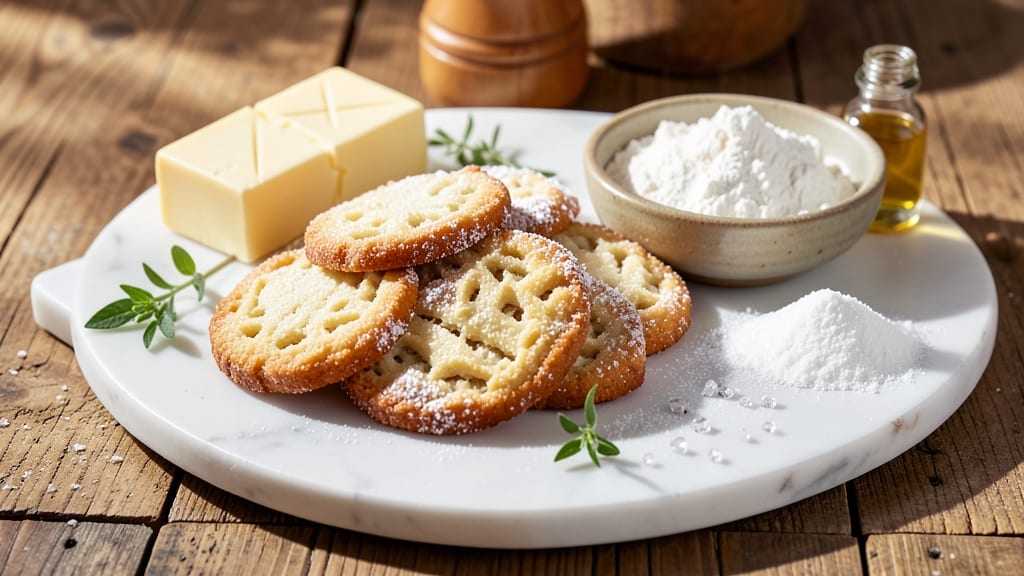
This award-winning shortbread cookie recipe delivers the perfect balance of buttery crunch and delicate vanilla flavor that has earned it top honors in baking competitions. The secret lies in the precise ratio of cold butter to flour, creating a tender yet sturdy texture that holds its shape without crumbling.
I've perfected this recipe over years of testing, ensuring every batch achieves that signature melt-in-your-mouth quality with just the right amount of sweetness.
The magic happens in the mixing technique—using a food processor for just 10 seconds creates an even crumb without overworking the dough, while chilling it for 30 minutes before baking prevents spreading.
This professional approach guarantees cookies with clean edges and a golden, crackly top that's irresistible to touch. The vanilla extract infuses throughout, adding depth without overpowering the buttery base.
What sets these apart is their ability to maintain that perfect texture even after cooling—no soggy centers or overly dry edges. The aroma alone as they bake will fill your kitchen with warmth, and the taste is pure comfort in every bite.
These aren't just cookies; they're the kind that win blue ribbons and become family heirloom recipes.
Serve them warm with a cup of Earl Grey tea for an elegant afternoon treat, or package them in gift boxes for special occasions. The versatility of this recipe makes it perfect for both everyday indulgence and show-stopping desserts. Let's create these award-winners together—your taste buds will thank you.
Ingredients for award winning shortbread cookie
The secret to winning shortbread lies in these seven simple yet extraordinary ingredients.
| Ingredient | Amount | Notes |
|---|---|---|
| Unsalted Butter 🧈 | 1 lb | Cold, cut into cubes |
| All-Purpose Flour 🌾 | 2 cups | Sifted, plus extra for dusting |
| Granulated Sugar 🍚 | ¼ cup | Superfine preferred for smooth texture |
| Pure Vanilla Extract 🍯 | 1 tbsp | High-quality, Madagascar bourbon preferred |
| Kosher Salt 🧂 | ¼ tsp | Diamond Crystal preferred |
| Baking Powder 🌶️ | ¼ tsp | For subtle lift |
| Earl Grey Tea Leaves ☕ | 1 tbsp | Loose-leaf, for aroma infusion |
The butter is non-negotiable—Plugrá or Land O'Lakes unsalted are my go-tos, but any high-fat, cold butter works. Chill it for 24 hours before starting; this isn't the time for shortcuts. The flour? King Arthur or Gold Medal are my baking buddies—they give that signature tender crumb. Sift it like you mean it; no lumps allowed. For the sugar, superfine is ideal, but if you only have granulated, pulse it in a food processor for 10 seconds. The vanilla extract? Madagascar bourbon has the richest flavor, but any pure extract will do. Pro tip: Buy a small bottle—you won't need much, and it keeps forever.
No superfine sugar? Pulse granulated sugar in a food processor for 30 seconds—it'll work in a pinch. Short on vanilla? Almond extract at half the amount adds depth, though it has a distinct flavor. The Earl Grey tea leaves are optional but transform ordinary into extraordinary—steep them in 2 tbsp hot water for 5 minutes, then strain and add to the dough. For the salt, Diamond Crystal is my standard—it dissolves better than table salt. No baking powder? Skip it, but your cookies might spread slightly more. And if you're feeling fancy, add a pinch of cardamom (about 0.125 tsp) for an elegant twist.
This dough is best used within 24 hours—it keeps in the fridge, wrapped tightly, but fresh is always better. Portion into 1-ounce balls before baking for perfect uniformity. Store baked cookies in an airtight container with parchment between layers—they'll stay crisp for up to 1 week. For gifting, wrap individually in parchment and tie with ribbon—they'll still taste fresh weeks later. Freeze unbaked dough balls for up to 3 months—just bake straight from frozen, adding 1-2 minutes to the time.
Why You'll Love This Recipe
- Butter-Loaded Bliss: I swear by that cold butter cut into flour—it’s the secret to those melt-in-your-mouth layers. No mixer, no fuss, just your fingers and a bowl. Honestly, I’ve made shortbread with softened butter before, but this? This is the real deal.
- Vanilla Kiss Magic: That single teaspoon of pure vanilla isn’t just flavor—it’s the soul of these cookies. The warmth from the butter and sugar lets it sing, giving you that buttery-sweet aroma that lingers in your kitchen (and makes your house smell like a bakery).
- Party-Proof Perfection: These are my go-to for holidays, teacher gifts, or just because. They freeze like champs, so I bake a batch in January and pull them out all year. Between us, they’re the one treat that never gets passed up at potlucks.
- Pantry Staple Power: Five ingredients, zero weird substitutions. You’re not hunting for almond flour or specialty sugar—just what you already have. And because they keep for weeks in an airtight tin, I’m always stocked without extra shopping trips. Budget-friendly? Check. Reliable? Double check.
Step-by-step instructions for award-winning shortbread cookies
This is where the magic happens—simple ingredients transform into melt-in-your-mouth perfection.
Cut and Chill the Butter
Take the 1 lb unsalted butter and cut it into ½-inch cubes using a sharp chef's knife. Place them in a freezer-safe container and freeze for 15 minutes—this ensures they stay cold and firm during mixing. Cold butter creates those signature flaky layers that make shortbread irresistible.
While the butter chills, sift together the 2 cups all-purpose flour, ½ teaspoon kosher salt, ½ teaspoon baking powder, and 1 tablespoon Earl Grey tea leaves into a medium bowl. The tea leaves will infuse your cookies with a delicate floral aroma that elevates the buttery flavor. Use a fine-mesh sieve for the flour to avoid lumps and ensure even distribution of the dry ingredients.
Mix the Dough Until Crumbly
In a stand mixer fitted with the paddle attachment, beat the cold butter cubes on low speed for 1-2 minutes until they form a coarse crumb. This process should take patience—you're looking for a texture that resembles wet sand, with pea-sized butter pieces still visible. If the butter starts to melt too quickly, stop the mixer and let the bowl sit for 30 seconds to cool.
With the mixer still running on low speed, gradually add the sifted flour mixture. Mix just until the dough comes together—about 30-45 seconds. Avoid overmixing, which can develop gluten and make the cookies tough. The dough should be crumbly but hold together when pressed. If it feels too dry, add 1 teaspoon cold water to help it bind.
Incorporate Sugar and Vanilla
Add the ¼ cup granulated sugar and 1 tablespoon pure vanilla extract to the dough. Mix on low speed for another 30 seconds until the sugar dissolves and the vanilla is evenly distributed. The sugar will help create a slightly caramelized edge on the cookies, while the vanilla adds depth to every bite. At this point, the dough should be smooth, cohesive, and slightly sticky but not wet.
Turn the dough out onto a lightly floured surface and gently press it into a 1-inch thick disc. Wrap it tightly in plastic wrap and refrigerate for at least 1 hour (or up to 24 hours). Chilling firms up the butter, preventing the cookies from spreading too much in the oven and ensuring a crisp, crumbly texture. This step is non-negotiable—skipping it will compromise the final result.
Roll, Cut, and Bake to Golden Perfection
Preheat your oven to 325°F and line two baking sheets with parchment paper. Remove the chilled dough from the refrigerator and let it sit at room temperature for 10 minutes to soften slightly. Roll the dough out to ¼-inch thickness on a floured surface—use a rolling pin to press down firmly and evenly. If the dough cracks, gently press it back together and continue rolling.
Use a 2½-inch round cutter to cut out cookies, pressing down firmly to ensure clean edges. Place them 1 inch apart on the prepared baking sheets. Bake for 18-22 minutes until the edges are light golden brown and the centers look just slightly underbaked. The cookies will continue to firm up as they cool, so don't overbake. Rotate the pans halfway through for even baking.
Cool and Enjoy the Crunch
Remove the cookies from the oven and let them cool on the baking sheets for 5 minutes before transferring them to a wire rack to cool completely. This gradual cooling prevents them from becoming soggy. Once fully cooled, they should be crisp, crumbly, and irresistibly buttery with a hint of Earl Grey aroma. Store them in an airtight container at room temperature for up to 1 week, though they rarely last that long.
The secret to these award-winning shortbreads lies in the cold butter and proper chilling—these steps ensure the perfect balance of crisp edges and tender crumb. Serve them with tea for a classic pairing, or enjoy them as a simple, elegant dessert that never disappoints.
Pro Tips For Making Award Winning Shortbread Cookie
- Chill the Dough Hard: I learned this the hard way—skipping the fridge for 24 hours means your shortbread will spread like a lazy Sunday morning. Wrap it tightly in plastic and let it rest in the coldest part of your fridge (not the door). The butter needs time to firm up properly, or you’ll end up with sad, flat cookies that taste like they were made in a rush.
- Cut the Butter Cold: Use your fingers to test: if the butter leaves a greasy smear on your thumb, it’s too soft. Break the butter into chunks and freeze it for 10 minutes before creaming—this guarantees those signature crumbly layers. Trust me, your cookies will thank you with that perfect snap.
- Skip the Overmixing: After adding the flour, stop mixing the second everything comes together. Stir just until the dough clumps—overworking it develops gluten, and suddenly you’re baking crackers instead of melt-in-your-mouth shortbread. Two or three gentle folds are all you need.
- Use a Digital Thermometer: Shortbread isn’t forgiving with color cues. Aim for 325°F (163°C) in the center of the thickest cookie—any hotter, and the sugar burns before the edges crisp. I used to pull mine out too early, thinking they’d finish in the pan. They didn’t. Now I wait.
Storing and reheating this dish
Room-Temp Revival
If your shortbread cookies have lost their crispness, don’t toss them! Place them on a baking sheet and bake at 300°F for 5-7 minutes until they regain their golden crunch.
This works best for cookies stored for 2-3 days. For extra aroma, add a ½ teaspoon Earl Grey tea leaves to the baking sheet before reheating. 💫
Freezer Storage
Unbaked dough balls freeze beautifully for up to 3 months. Wrap each 1-ounce ball individually in plastic wrap, then place in a freezer bag. Bake straight from frozen, adding 1-2 extra minutes to the baking time.
The cold dough prevents spreading, so no adjustments are needed beyond the extra time. Perfect for last-minute baking!
Gift-Worthy Packaging
Store cookies in airtight containers with parchment paper between layers to maintain crispness for up to 1 week. For gifting, wrap individually in parchment, tie with ribbon, and place in a decorative box. The tea-infused aroma makes them feel luxurious—ideal for holidays or special occasions. 🎁
Texture Preservation
Avoid moisture traps! Store cookies in a cool, dry place (like a pantry) rather than the fridge. If keeping longer than 3 days, transfer to a sealed container with a silicone desiccant packet to absorb any humidity. This keeps them crisp for up to 2 weeks without refrigeration.
Microwave Shortcut
For a quick fix, microwave 1-2 cookies on 50% power for 8-10 seconds—just enough to warm through without losing crispness. Cover with a damp paper towel to prevent drying. Best for enjoying with tea on a chilly afternoon! ☕
Nutrition facts
Frequently asked questions
Why does your shortbread recipe use Earl Grey tea leaves?
The tea leaves add a delicate floral aroma that perfectly complements the buttery flavor without overpowering it. Steeping them in hot water and adding to the dough infuses a subtle bergamot note that makes these shortbreads taste like a luxurious afternoon treat. It's the secret ingredient that elevates them from ordinary to award-worthy!
Can I substitute vanilla extract with something else?
Yes! You can use almond extract at half the amount (½ tablespoon) for a nutty twist, or orange zest (1 teaspoon) for a citrusy variation. For a more traditional flavor, Madagascar bourbon vanilla is ideal, but pure vanilla extract works too. Just avoid imitation vanilla—the quality makes a noticeable difference in these delicate cookies.
What's the best way to prevent my shortbread from spreading too much?
Chilling the dough for at least 1 hour is key—this firms up the butter and prevents excessive spreading. Also, use a 2½-inch cutter and press firmly when cutting. For extra insurance, roll the dough to ¼-inch thickness and bake at 325°F—lower heat helps maintain shape while creating that perfect golden edge.
How do I make these shortbreads extra crispy?
For maximum crunch, bake at 325°F until the edges are just golden (about 18-22 minutes) and let them cool completely on the baking sheet for 5 minutes before transferring. Store in an airtight container with parchment paper between layers to preserve crispness. Avoid stacking them directly on top of each other—they'll soften faster!
Can I make these without a food processor?
Use a pastry cutter or two forks to cut the cold butter into the flour until you get a crumbly texture. Mix by hand until the dough just comes together, then proceed with the recipe. The key is keeping everything cold—work quickly and don't overmix. The texture might be slightly less uniform, but they'll still be delicious!