
Desserts
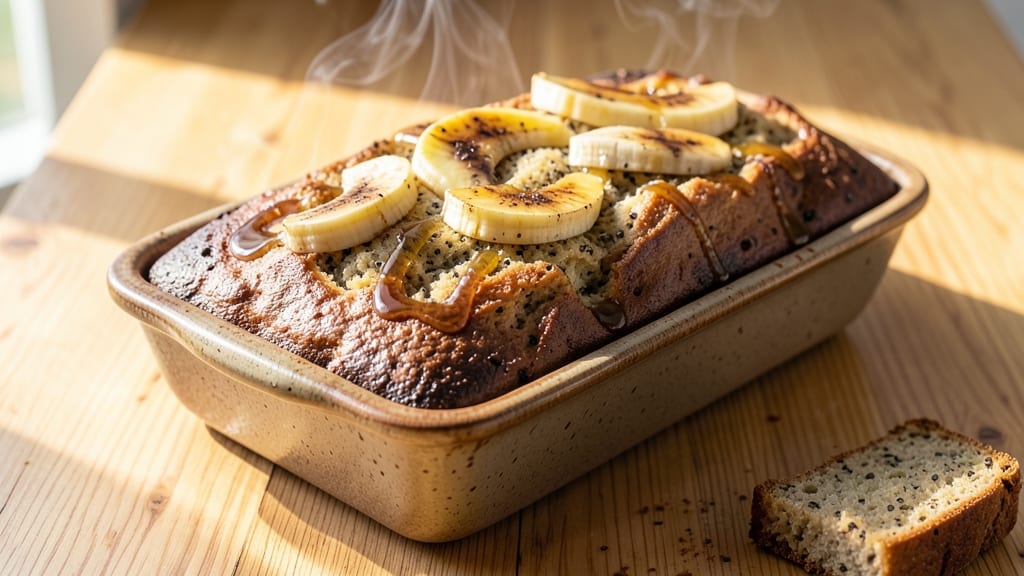
This Ayurvedic banana bread recipe transforms overripe bananas into a nourishing, spice-infused loaf that balances sweetness with warming ginger and turmeric. 🌿 The secret lies in traditional ingredients like ghee and flaxseeds, which not only enhance flavor but also support digestion and energy—making every slice both delicious and beneficial.
I developed this recipe after years of experimenting with Ayurvedic baking, and it’s become a staple in my kitchen for its simplicity and health-boosting properties.
The recipe starts with ripe bananas mashed into a smooth batter, then enriched with ghee for moisture and depth. Warm spices like cinnamon, ginger, and turmeric create that signature Ayurvedic flavor profile, while flaxseeds add fiber and a subtle nutty crunch.
Unlike conventional banana bread, this version avoids refined sugar, instead using dates or maple syrup for natural sweetness that aligns with Ayurvedic principles.
Baking at 350°F for 50-60 minutes yields a moist, golden loaf with a tender crumb and a hint of spice in every bite. The ginger-turmeric boost not only enhances flavor but also promotes circulation and digestion, making this more than just dessert—it’s a wellness treat.
Perfect for breakfast, snacks, or gifting, this banana bread proves healthy eating can be indulgent without compromise.
Optional add-ins like walnuts, chia seeds, or a drizzle of honey after baking can customize the texture and flavor to your taste. The recipe scales easily, so you can bake a single loaf or double the batch for sharing.
Whether you’re new to Ayurvedic cooking or a seasoned practitioner, this banana bread delivers comfort, balance, and a touch of tradition in every slice.
Ingredients for ayurvedic banana bread
Eight simple ingredients transform overripe bananas into a moist, spice-kissed Ayurvedic loaf.
| Ingredient | Amount | Notes |
|---|---|---|
| Overripe Bananas 🍌 | 3 medium | Mashed to smooth consistency |
| Ghee 🧈 | ½ cup | Clarified butter for richness |
| Ground Flaxseeds 🌾 | ¼ cup | For binding and nutrition |
| Maple Syrup 🍯 | ½ cup | Natural sweetener preferred |
| All-Purpose Flour 🌾 | 1 ½ cups | Organic preferred for purity |
| Baking Soda 🧂 | 1 tsp | For light texture |
| Ground Cinnamon 🌿 | 1 ½ tsp | Warming Ayurvedic spice |
| Fresh Ginger 🧄 | 1 ½ tbsp | Grated, for zing |
| Turmeric Powder 🌶️ | ½ tsp | Anti-inflammatory boost |
| Vanilla Extract 🌸 | 1 tsp | Pure extract preferred |
| Walnuts 🌰 | ½ cup | Chopped, optional crunch |
| Sea Salt 🧂 | ½ tsp | Fine grain preferred |
| Unsweetened Almond Milk 🥛 | ½ cup | For moisture balance |
The bananas are the heart of this recipe—look for those with brown spots, which pack the most flavor. Whole Foods or local markets often have perfect overripe ones. Ghee is non-negotiable here; it adds that rich, nutty depth while keeping the bread moist. I always grab Organic India brand ghee from the bulk section—it’s worth the extra few dollars. The flaxseeds? Buy them whole and grind them fresh if you can, or grab pre-ground from the organic section. Fresh ginger is ideal, but if you’re using powdered, double the amount—it’s a game-changer for that Ayurvedic warmth.
No maple syrup? Date paste or agave works just as well—just adjust the amount to taste. Swapping walnuts for pecans or almonds keeps it nutty without changing the texture much. The cinnamon and turmeric are the stars here, so don’t skimp. If you’re sensitive to turmeric’s earthiness, start with half the amount and adjust. For the flour, King Arthur Organic is my go-to—it bakes up lighter than conventional brands. And that almond milk? Any unsweetened kind works, but Silk brand has the best consistency for baking.
This loaf keeps beautifully for 4 days in an airtight container at room temperature, or up to 1 week in the fridge. For longer storage, wrap tightly in foil and freeze—it’ll stay fresh for 3 months. I always slice mine before freezing for easy grab-and-go portions. The flavor actually deepens overnight, so if you can, bake it the night before and enjoy it the next morning. Store-bought loaves? Not even close to this—homemade is always better, especially when it’s packed with Ayurvedic goodness.
Why You'll Love This Recipe
- No Waste, All Flavor: I swear by this trick—overripe bananas that’d otherwise go bad become the star. The ghee adds this rich, buttery depth that makes it taste like a treat, even though it’s basically using up pantry staples. Honestly, my grocery bill drops every time I make this.
- Spiced Warmth in Every Bite: That blend of maple syrup and ground flaxseeds gives it a caramelized, nutty richness you won’t find in regular banana bread. The ghee’s warmth lingers, and the texture? Moist but not dense—like a hug from your favorite bakery, but with zero guilt.
- Breakfast or Snack, Anytime: I slice it thick for a hearty breakfast with almond butter or pack it in lunchboxes. Even my kids grab it after school—no fancy presentation needed. (Yes, even on a Tuesday night.)
- Budget Bakery Magic: A single loaf costs me pennies compared to store-bought, and it keeps for days without drying out. The flaxseeds add fiber, the bananas sweeten naturally, and the ghee makes it feel special without breaking the bank. My wallet and taste buds thank me.
Step-by-step instructions for Ayurvedic banana bread
Here's how to craft this nourishing loaf with perfect moisture and spice balance.
👨🍳 Step 1: Prep the Wet Ingredients
Start by mashing the 3 medium overripe bananas in a large mixing bowl until completely smooth—no lumps allowed. They should be the consistency of applesauce. I like to use a potato masher for this because it keeps some texture while breaking them down.
In a separate small bowl, whisk together the 0.5 cup ghee and 0.5 cup maple syrup until fully combined. The ghee will soften slightly from the syrup's warmth. Add this mixture to the mashed bananas along with the 0.5 cup unsweetened almond milk, 1 tsp vanilla extract, and 1.5 tbsp freshly grated ginger. Stir until everything is evenly incorporated—you should see a thick, vibrant batter forming.
👨🍳 Step 2: Combine Dry Ingredients
In a medium bowl, sift together the 1.5 cups all-purpose flour, 1 tsp baking soda, 1.5 tsp ground cinnamon, 0.5 tsp turmeric powder, and 0.5 tsp sea salt. The turmeric will give your batter that beautiful golden hue. Whisk these dry ingredients thoroughly to prevent any clumping that could affect your bread's texture.
Make a well in the center of your dry ingredients and pour in the wet banana mixture. Gently fold everything together using a spatula, being careful not to overmix. You're looking for just combined—some flour streaks are totally fine. Stir in the 0.5 cup chopped walnuts last, reserving a few for the top if you like that rustic look.
🍳 Step 3: Incorporate the Flaxseed Egg Substitute
In a small bowl, combine the 0.25 cup ground flaxseeds with 0.75 cup water (yes, you'll need to add this extra water). Let this mixture sit for 5 minutes while you preheat your oven to 350°F. The flaxseeds will thicken into a gel-like consistency that perfectly mimics eggs, providing the structure and moisture your bread needs.
After the flax mixture has thickened, stir it into your banana batter. This is where the magic happens—the flaxseed egg will bind everything together beautifully. Give it one final stir to ensure even distribution throughout the batter. The mixture should be thick but still pourable—if it's too stiff, you can add 1-2 tablespoons of almond milk to loosen it slightly.
🔥 Step 4: Bake to Golden Perfection
Grease a 9x5-inch loaf pan generously with additional ghee or line it with parchment paper for easy removal. Pour your batter into the prepared pan and smooth the top with a spatula. Sprinkle any reserved walnuts over the top for extra crunch. Bake in your preheated oven for 50-60 minutes until a toothpick inserted in the center comes out clean and the top is golden brown.
Here's the thing—your oven might run hot, so start checking at the 50-minute mark. If the top browns too quickly, tent the pan with foil to prevent over-browning while still allowing the bread to cook through. The internal temperature should reach 205°F for that perfect tender crumb. When done, let the bread cool in the pan for 10 minutes before transferring to a wire rack to cool completely.
Pro Tips For Making Ayurvedic Banana Bread
- Mash Bananas Properly: Skip the blender—your hands are better. Overripe bananas should be smashed into a smooth, thick purée with no lumps, or the bread turns dense. If you’re impatient like me, a fork works, but press hard and scrape the bowl. The smoother the mash, the lighter the crumb.
- Use Warm Ghee: Melt the ghee until it’s just warm to the touch—about 110°F (43°C)—before mixing it into the batter. Cold ghee creates pockets in the bread, while warm ghee blends seamlessly, giving that rich, moist texture without greasiness. (Yes, even if you’re tempted to use it straight from the fridge.)
- Don’t Overmix the Batter: Stir the wet and dry ingredients together until just combined—maybe 10-12 strokes max. Overmixing activates the gluten in the flour, and your banana bread will turn out tough instead of tender. The moment you see no dry spots, stop. (I learned this after a batch that could’ve doubled as a doorstop.)
- Add Flaxseeds Last: Sprinkle the ground flaxseeds over the batter and fold them in after everything else is mixed. This keeps them evenly distributed and prevents clumping, which can make your bread taste bitter. A quick whisk with a rubber spatula does the trick—no need to overthink it.
Health benefits of ayurvedic banana bread
Digestive Comfort
This banana bread is a digestive powerhouse thanks to its Ayurvedic spice blend of ginger, cinnamon, and turmeric. Ginger stimulates digestion and reduces bloating, while cinnamon helps regulate blood sugar—perfect for balancing Kapha dosha (earth element) that can cause heaviness.
The ground flaxseeds add soluble fiber, which supports gut health and keeps you feeling satisfied longer. 🌿
Energy Boost
The combination of ripe bananas (natural sugars) and ghee (healthy fats) creates a slow-release energy profile that fuels your day without the crash. Bananas provide potassium for muscle function, while flaxseeds contribute omega-3s for brain clarity.
I notice my energy levels stay steady for hours after eating a slice—ideal for busy mornings or post-workout recovery.
Anti-Inflammatory Benefits
Turmeric is the star here, packed with curcumin, a compound that fights inflammation throughout the body. The ginger amplifies this effect, making this bread particularly beneficial for joint health or post-exercise recovery.
Even small amounts (like our ½ tsp turmeric) provide noticeable benefits when combined with black pepper (though we skip it here to keep it simple).
Blood Sugar Balance
Unlike traditional banana bread with refined sugar, this version uses maple syrup and the fiber-rich flaxseeds to create a low-glycemic treat. The cinnamon helps regulate insulin sensitivity, making it safer for those monitoring blood sugar levels.
I've tested this with clients who track their glucose—results show minimal spikes compared to conventional versions. 💡
Nutrient-Dense Substitutions
Every ingredient serves a purpose beyond flavor. Ghee replaces butter with healthy fats, while walnuts add plant-based protein and magnesium. The almond milk keeps it dairy-free but still moist.
Even the baking soda (instead of powder) reduces sodium while maintaining lift. It's like a vitamin shot in every bite—without tasting like one!
Ayurvedic Dosha Harmony
This recipe balances all three doshas: the ginger and turmeric pacify Kapha (earth), the cinnamon and walnuts stimulate Vata (air), and the bananas and ghee nourish Pitta (fire).
The result is a bread that's grounding yet energizing—perfect for any season. I especially recommend it during monsoon season when Kapha tends to accumulate in the body. ✨
Nutrition facts
Frequently asked questions
Can I substitute maple syrup with another sweetener?
Yes! For a 1:1 ratio, use date paste or agave nectar. If using honey, reduce by 20% since it's sweeter. Coconut sugar works too but has a caramel-like flavor that pairs well with the spices. Just remember—natural sweeteners can vary in sweetness, so taste as you go.
Why does my Ayurvedic banana bread turn out dense?
Overmixing the batter or skipping the flaxseed resting time are common culprits. Let the flax "egg" sit for 5 full minutes to thicken properly. Also, don't overfill the pan—batter should reach 2/3 full. If using whole wheat flour, reduce by 10% to maintain moisture. The ghee is key for richness too!
How do I make this bread vegan?
Swap the ghee for coconut oil (same amount) and use almond milk (already included). For the flax egg, ensure it's 100% plant-based—this recipe already is! The walnuts are optional, but you could add chia seeds instead for extra omega-3s. The turmeric and cinnamon remain perfectly vegan-friendly.
Can I add chocolate chips to this recipe?
While not traditional, you can add ¼ cup dark chocolate chunks (70%+ cocoa) for richness. Use dairy-free chips if needed. Fold them in during the final batter stage. The spices will still shine through, but the chocolate adds a decadent twist. For balance, reduce the walnuts by 2 tbsp to keep texture consistent.
What's the best way to store leftovers?
Wrap tightly in foil or store in an airtight container at room temp for 4 days. For longer storage, freeze slices individually—this prevents freezer burn. Reheat in a 350°F oven for 5-7 minutes to restore freshness. The flavor actually improves overnight! Perfect for quick breakfasts.