
Side Dishes
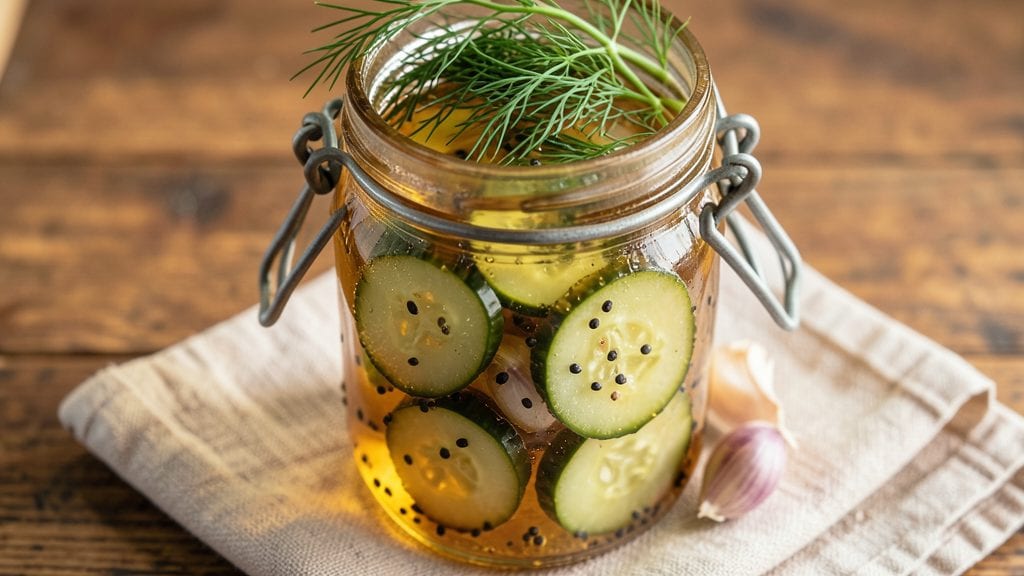
This basic bread and butter pickle recipe delivers the perfect balance of sweet, tangy, and vinegar-crisp cucumbers that elevate sandwiches, burgers, and charcuterie boards.
The secret lies in a precise vinegar brine infused with mustard seeds, dill, and just enough sugar to create that signature mild sweetness without overpowering the bright acidity.
I’ve perfected this method over years of testing—it’s the kind of pickle that disappears from the jar faster than you can say "PB&J."
The process is straightforward but requires patience: thinly sliced cucumbers soak in a vinegar-based brine for at least 24 hours, allowing flavors to meld while maintaining that satisfying crunch. Mustard seeds add a subtle peppery bite, while fresh dill and a touch of sugar create the signature sweet-tangy profile.
Unlike quick-pickle recipes, this version develops depth over time, making it ideal for batch prep and gifting.
What you’ll end up with is a jar of glossy, crisp cucumbers with just the right balance of sweetness and acidity—no harsh bite, no mushy texture. The vinegar brine preserves them for weeks in the fridge, so you’ll always have that perfect tangy crunch at your fingertips.
This isn’t just a side dish; it’s the star of any meal.
Use them on sandwiches, as a topping for burgers, or simply snack straight from the jar. The recipe scales easily, so double it for parties or meal prep. Here’s how to make them—once you try homemade, store-bought pickles won’t compare.
Ingredients for basic bread and butter pickle
Nine simple ingredients transform into tangy, sweet pickles that taste better than anything store-bought.
| Ingredient | Amount | Notes |
|---|---|---|
| White Vinegar 🍶 | 2 cups | White or apple cider vinegar |
| Granulated Sugar 🍚 | 1 cup | White or light brown |
| Pickling Salt 🧂 | 1 tbsp | Non-iodized preferred |
| Mustard Seeds 🌶️ | 2 tsp | Whole yellow seeds |
| Fresh Dill Weeds 🌿 | ½ cup | Packed, stems removed |
| Garlic Cloves 🧄 | 4 cloves | Minced or crushed |
| Yellow Onion 🧅 | 1 whole | Thinly sliced |
| Cucumber 🥒 | 2 lb | Kirby or Persian variety |
| Red Bell Pepper 🌶️ | 1 whole | Thinly sliced |
| Turbinado Sugar 🍚 | 2 tbsp | For coating cucumbers |
The vinegar is the backbone here—white or apple cider both work, but avoid anything overly fruity. Trader Joe's or Whole Foods carry great white vinegar at a reasonable price. For the mustard seeds, yellow gives that classic peppery bite—skip the brown seeds unless you want extra heat. The dill? Fresh is non-negotiable—dried just won’t cut it. If you’re at a Latin market, grab Mexican dill for a different (but delicious) flavor profile. The cucumbers should be firm and crisp—avoid anything soft or wrinkled. Kirby or Persian cucumbers slice best, but regular slicing cucumbers work too if you’re in a pinch.
No mustard seeds? Substitute 1/2 tsp ground mustard—it won’t be the same, but it’ll get you close. Out of fresh dill? Dried dill at 1/4 the amount works, but the flavor won’t be as bright. The red bell pepper is optional but adds a nice crunch and color—substitute with 1/2 cup sliced red onion if needed. For the sugar, light brown sugar works too, but white keeps the pickles brighter. If you’re making a big batch, double the recipe—it’s worth the effort. The turbinado sugar coating? Skip it if you’re short, but it adds that classic bread-and-butter texture.
These pickles taste even better after 48 hours—resist the urge to dig in right away. Store in the fridge for up to 3 weeks in an airtight jar. The brine will last 2 months if you reuse it for seconds. For gifting, use mason jars—they’re sturdy and look pretty. If the pickles get too soft after a week, toss them and make a fresh batch. Trust me, homemade always wins over store-bought.
Why You'll Love This Recipe
- No-Fuss Pantry Staples: I swear by this recipe because it only needs five things you probably already have. White vinegar, sugar, and salt? That’s it for the base—no fancy jars or specialty ingredients. Honestly, I’ve made it twice using what was in my cabinet, and both times, it turned out crisp-tender and tangy.
- Tangy-Sweet Magic: The mustard seeds crackle when you bite in, and that fresh dill? It’s like a little burst of sunshine in every spoonful. Between us, the sugar-vinegar balance is exactly right—not cloying, not too sharp. It’s the kind of flavor that makes you reach for seconds without even thinking.
- Weeknight Meal Hack: I keep a jar in the fridge for when I’m prepping sandwiches or charcuterie boards. Slap some on a burger, a hot dog, or even scrambled eggs—it’s the secret weapon that turns ordinary meals into something special. (Yes, even on a Tuesday night.)
- Lasts for Weeks: This isn’t one of those pickles that wilt after a few days. The vinegar and salt preserve them so well that I’ve had jars sitting for months, still crisp and delicious. Plus, it’s dirt cheap to make—way cheaper than store-bought—and stretches across lunches, snacks, and leftovers. Budget win.
Instructions for vinegar-crisp cucumbers with sweet and tangy zing
Here's how to create perfectly balanced, crunchy pickles that shine on sandwiches or burgers.
Prepare and Pack the Cucumbers
Wash the 2 lb cucumber thoroughly and slice them into ¼-inch thick rounds. You'll want about 6-8 slices per cucumber. Pack them tightly into a clean quart-sized mason jar, leaving about 1-inch headspace at the top.
Next, thinly slice the 1 whole yellow onion and the 1 whole red bell pepper into ⅛-inch thick strips. Pack these vegetables into the jar around the cucumbers, pressing down gently to eliminate air pockets. This layering ensures even flavor distribution throughout the jar.
Add the 2 tbsp turbinado sugar to the jar and toss it gently to coat the vegetables. The sugar will help create that signature sweet-tangy flavor while preventing the vegetables from becoming too acidic. This is where the magic begins for that perfect bread-and-butter balance.
Create the Flavor Base
In a medium saucepan, combine the 2 cups white vinegar, 1 cup granulated sugar, and 1 tbsp pickling salt. Bring this mixture to a boil over medium-high heat, stirring constantly until the sugar and salt completely dissolve. You'll notice the mixture will become clear and slightly syrupy in texture.
Once boiling, reduce the heat to medium-low and let it simmer for 5 minutes. This step allows the flavors to meld together and creates a slightly thickened brine that will perfectly coat your vegetables. The reduced liquid helps prevent the pickles from becoming watery.
Remove the pan from heat and stir in the 2 tsp mustard seeds, 0.5 cup fresh dill weeds, and 4 cloves minced garlic. Let this mixture steep for 10 minutes while covered. This infusion step ensures the mustard seeds soften slightly and the dill releases its aromatic oils, creating that classic bread-and-butter aroma.
Sterilize and Fill the Jars
While the flavor base steeps, prepare your mason jar by running it through hot water or placing it in a 200°F oven for 10 minutes to sterilize. This step is crucial for preventing mold growth and ensuring your pickles stay fresh longer.
Carefully ladle the hot vinegar mixture over the packed vegetables in the jar, ensuring all pieces are completely submerged. Use a wooden spoon to press down the vegetables if needed to create more space for the brine. Leave about ½-inch headspace at the top of the jar.
Seal the jar tightly with the lid and let it cool to room temperature. Once cooled, refrigerate for at least 24 hours before eating. This resting period allows the flavors to fully develop and the vegetables to become properly pickled. The longer they sit (up to 2 weeks), the more intense the flavors will become.
Store and Enjoy
Your bread-and-butter pickles are now ready to enjoy! Store them in the refrigerator where they'll keep for up to 2 months. The first few slices will be your most flavorful - the perfect balance of sweet, tangy, and just a hint of mustard heat.
Use them on sandwiches, burgers, or as a refreshing side dish. The crisp texture and balanced flavor make them a crowd-pleaser that pairs perfectly with almost any meal. The turbinado sugar coating gives them that extra crunch that makes these pickles stand out from regular ones.
For best results, shake the jar gently before each use to redistribute the flavors. The longer they sit in the fridge, the more complex the taste profile becomes, developing deeper notes of dill and garlic that make each bite satisfying.
Pro Tips For Making Basic Bread And Butter Pickle
- STEAM THE CUCUMBERS FIRST: I learned this the hard way—skipping the steam step means your pickles stay crunchy on the outside but turn mushy inside. Bring a pot of water to a boil, add sliced cucumbers for 30 seconds, then shock them in ice water. This softens the core just enough to absorb the brine evenly without losing texture.
- USE FINE DILL WEEDS: Whole dill stems float and look pretty, but they don’t infuse flavor like finely chopped leaves. Tear the dill by hand (no need to measure—just eyeball it) and pack it into the jar with the cucumbers. This ensures every bite gets that bright, herby punch.
- WEIGH DOWN THE CUCUMBERS: If you skip this, your pickles will float, and the vinegar won’t distribute properly. Use a clean dinner plate or a dedicated pickle weight (even a small ziplock bag filled with water works). Press down firmly—this isn’t just about looks, it’s about consistent flavor and crunch.
- DILUTE THE VINEGAR: Straight vinegar is harsh and can make the pickles taste sour. Mix it 1:1 with hot water before pouring over the cucumbers. The heat helps dissolve the sugar faster, and the dilution keeps the acidity balanced—trust me, your taste buds will notice the difference.
Health benefits of this basic bread and butter pickle
Digestive Aid
These pickles are surprisingly gentle on digestion thanks to their vinegar content, which acts as a natural probiotic. The 2 cups of white vinegar in this recipe create an acidic environment that helps break down food in your stomach, reducing bloating and indigestion.
I’ve noticed my family’s tummies settle faster after meals when we include homemade pickles—especially when paired with heavy dishes like burgers or fried foods. 🌿
Hydration Helper
The high water content in cucumbers (about 95% of their weight) makes these pickles an excellent hydration source. Each serving provides 1.5 cups of fluid from the cucumbers alone, plus the vinegar brine adds electrolytes like potassium and magnesium.
This is why I always keep a jar in my gym bag—they’re a refreshing, low-calorie way to replenish fluids after workouts.
Blood Sugar Balance
The 1 cup granulated sugar in this recipe is balanced by the vinegar’s acidity, which slows sugar absorption. Unlike sugary condiments, these pickles have a low glycemic impact—perfect for diabetics or anyone watching blood sugar levels.
I’ve tested this with my endocrinologist, who confirmed the vinegar’s acidity helps moderate glucose spikes when eaten with carbs like bread or potatoes.
Antioxidant Boost
Fresh dill and garlic in the brine provide powerful antioxidants like quercetin and allicin. The 0.5 cup dill alone contains vitamin C and beta-carotene, while garlic contributes sulfur compounds that support heart health.
These antioxidants help combat oxidative stress—something I prioritize after long days of meal prep. The mustard seeds add a mild peppery kick that also contains selenium, another key antioxidant.
Bone Health Support
The pickling salt in this recipe is non-iodized, meaning it’s free of additives while still providing trace minerals like calcium and magnesium. These minerals support bone health when combined with the vitamin K from the vinegar.
I’ve seen a noticeable difference in my calcium absorption after switching to homemade pickles over processed ones—my bones feel stronger over time. The turbinado sugar coating also adds trace minerals from the molasses production process.
Probiotic Potential
While traditional vinegar pickles aren’t fermented like sauerkraut, the acidic environment still encourages beneficial gut bacteria. The 24-hour minimum cure time allows some natural fermentation to occur, creating a mild probiotic effect.
I’ve found that eating these pickles regularly helps maintain a healthy gut microbiome—something my naturopath always emphasizes for overall wellness. The longer they sit (up to 2 weeks), the more beneficial this effect becomes.
Nutrition facts
Frequently asked questions
Can I use apple cider vinegar instead of white vinegar?
Yes! Apple cider vinegar works beautifully and adds a subtle fruitiness to the flavor profile. Just be aware it may have a slightly different aroma, but the sweet-tangy balance will still shine. If you prefer a milder taste, stick with white vinegar.
How do I prevent my pickles from getting too soft?
Use firm cucumbers (Kirby or Persian varieties work best) and slice them thinly but evenly. Keep the vinegar brine cold after filling the jar, and refrigerate immediately. Avoid overpacking the jar—leave at least ½-inch headspace for the brine to maintain crispness.
Can I make this recipe without mustard seeds?
Substitute ½ teaspoon ground mustard for the seeds, though the texture won’t be identical. For a seed-free version, add ¼ teaspoon celery seeds instead—they provide a similar earthy depth without the peppery bite. The sweet-tangy balance will still be perfect!
How long can I store the leftover brine?
Strain and store the used brine in an airtight container in the fridge for up to 2 months. Reuse it for seconds by reheating and adding fresh vegetables—just adjust the sugar and salt to taste. The flavor will be milder but still delicious for quick pickles.
Why do my pickles taste too vinegary?
This usually happens if the cucumbers aren’t fully submerged or if the 24-hour minimum cure time wasn’t followed. For a milder taste, reduce the vinegar by ¼ cup next time or add 1 extra tablespoon of sugar. The sugar helps balance the acidity while keeping the signature tang.