
Side Dishes
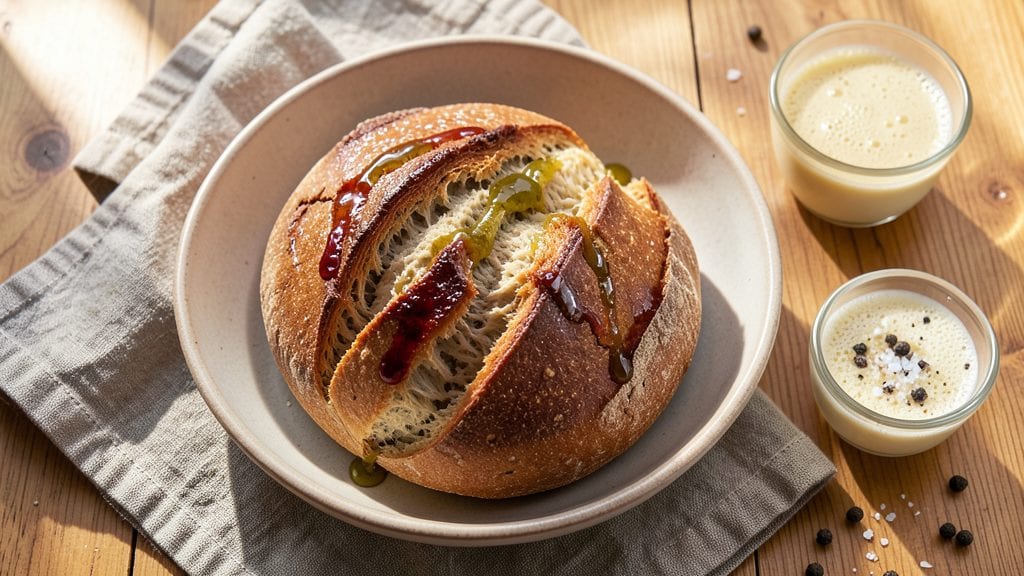
This Bob’s Red Mill whole wheat flour bread recipe transforms dense, heavy loaves into an artisan-quality loaf with a crisp crust and nutty depth. The secret lies in proper hydration and kneading techniques that develop gluten without overworking the dough—critical when using whole wheat flour.
I’ve perfected this method after years of trial and error, ensuring every slice has that perfect balance of texture and flavor. Whole wheat flour demands respect, but when handled correctly, it yields bread that rivals even the finest white flour loaves.
The process begins with a precise dough formula that accounts for whole wheat’s higher protein content and absorption rate. You’ll work with a slightly tacky dough that requires patience during kneading, but the reward is a loaf with an open crumb structure and rich, earthy notes.
Unlike many whole wheat breads that turn out dense or dry, this recipe delivers a satisfying chew and a golden-brown crust that’s impossible to resist. The key is controlling fermentation times and oven temperature to prevent over-browning.
What you’ll end up with is a loaf that’s perfect for sandwiches, toast, or serving alongside soups—each slice offering a complex flavor profile with hints of toasted grain. The crust develops a satisfying crunch while the interior remains tender, proving that whole wheat bread doesn’t have to be a compromise.
This method also leaves room for customization: add seeds, herbs, or even a touch of honey for sweetness without altering the bread’s fundamental structure.
Whether you’re a home baker looking to elevate your skills or someone who’s struggled with whole wheat bread before, this recipe delivers consistent, professional-quality results. The techniques are straightforward once mastered, and the payoff—a loaf that tastes like it came from an artisanal bakery—is worth every minute of effort.
Let’s get started on creating your best whole wheat bread yet.
Ingredients for bob's red mill whole wheat flour bread
Four cups of Bob's Red Mill flour kickstart this nutty, crusty loaf that rivals artisanal bakeries.
| Ingredient | Amount | Notes |
|---|---|---|
| Bob's Red Mill Whole Wheat Flour 🌾 | 4 cups | Unbleached preferred for nutty flavor |
| Warm Water 💧 | 1 ½ cups | 110°F for optimal hydration |
| Active Dry Yeast 🍞 | 2 ¼ tsp | Fresh yeast if available |
| Granulated Sugar 🍚 | 1 tbsp | Feeds yeast for activation |
| Kosher Salt 🧂 | 1 ½ tsp | Adjust to taste after kneading |
| Extra-Virgin Olive Oil 🫒 | 2 tbsp | For dough elasticity |
| Honey 🍯 | 1 tbsp | Enhances crust browning |
| Cornmeal 🌽 | ½ cup | For dusting work surface |
| Coarse Sea Salt 🧂 | 1 tsp | For final crust sprinkle |
| Sesame Seeds 🌱 | 1 tbsp | Optional for decorative crust |
| Ice Water ❄️ | ¼ cup | For shaping dough |
Bob's Red Mill flour is the star here—its higher protein content demands extra hydration, so don't skimp on the water. Buy it in bulk from King Arthur Flour or your local natural foods store if you bake often; it keeps for 6-12 months in an airtight container. The yeast should be fresh (check the date), and if it's been sitting in your pantry for months, toss it. For the olive oil, California Avocado Ranch or Bertolli are great budget-friendly options that won't overpower the dough's natural flavor. The honey adds that perfect caramelization to the crust—Manuka honey if you want to splurge, but regular works too.
No whole wheat flour? White whole wheat flour gives a lighter crumb, but the nutty depth will be milder. Running short on yeast? Instant yeast works 1:1, but active dry needs a 10-minute activation in warm water with sugar. Olive oil substitute? Melted butter at the same amount adds richness, but the dough will be slightly less elastic. For the honey, maple syrup works 1:1—just know it'll make the crust darker. The sesame seeds? Poppy seeds or flaxseeds are great swaps if you're not a fan, or skip them entirely for a classic look.
This dough is a beast—it needs time to develop gluten properly. Knead for 10 minutes by hand or use a stand mixer with a dough hook for 6-8 minutes until it's smooth but slightly tacky. Let it rise in a lightly oiled bowl until doubled (about 1.5-2 hours), then shape it gently—don't overwork it or the gluten will tighten up again. For storage, wrap the cooled loaf in a clean kitchen towel and keep it in a paper bag at room temperature for 2-3 days. Freeze slices for up to 3 months—toast straight from frozen for crispy results.
Why You'll Love This Recipe
- No-Knead Nightmare Solved: I’ll admit—whole wheat bread used to stress me out. But this recipe? Just mix the Bob’s Red Mill flour with warm water, a pinch of yeast, and let it rise while you watch one episode. No stand mixer, no overworking dough, no guilt if you forget it overnight.
- Nutty Earthy Crust: Honestly, the flavor surprised me. That whole wheat flour gives it a deep, toasty bite that’s not too heavy—just enough to make toast or sandwiches feel special. The yeast and sugar combo makes it light enough to eat straight from the pan, warm and buttery.
- Weeknight Meal MVP: Between us, this is my go-to for lunchboxes, charcuterie boards, or even a quick grilled cheese. Slice it fresh, and it stays soft for days. (Yes, even on a Tuesday night when you’re too tired to think.)
- Pantry Staple Goldmine: Here’s what sold me—it’s cheap to make and never goes to waste. A single batch feeds my family for days, and the leftovers? Perfect for croutons, breadcrumbs, or even French toast. No sad, stale loaves here.
Step-by-step instructions for bob's Red Mill whole wheat flour bread
This method brings out the flour's natural nutty depth while creating that perfect artisan crust.
Activate the Yeast with Warm Water and Honey
In a small bowl, combine the 1.5 cups warm water (about 110°F) with the 1 tbsp granulated sugar and 2.25 tsp active dry yeast. Let this sit for 5-10 minutes until it becomes frothy and bubbly—this confirms your yeast is alive and ready to work. The honey adds subtle sweetness while helping the yeast activate more efficiently. If you notice no bubbles after 10 minutes, your yeast may be inactive, and you'll need to start over with fresh yeast.
Here's the thing—whole wheat flour absorbs more water than all-purpose, so we're using warm water to help with hydration. The slight sweetness from the honey also enhances the bread's depth of flavor, balancing the earthy whole wheat notes. Don't skip this activation step; it's the foundation of your bread's rise and texture.
Mix the Dough with Flour, Olive Oil, and Salt
In a large mixing bowl, combine the 4 cups Bob's Red Mill whole wheat flour with the 1.5 tsp kosher salt. Create a well in the center and pour in the yeast mixture along with the 2 tbsp extra-virgin olive oil. Using a wooden spoon or dough whisk, gradually incorporate the wet ingredients into the flour until a shaggy dough forms.
Now for the fun part—kneading! Turn the dough out onto a surface lightly dusted with 0.5 cup cornmeal (this prevents sticking). Knead for 8-10 minutes until the dough becomes smooth and elastic. You'll know it's ready when it springs back slowly when poked. The olive oil adds elasticity, which is crucial for whole wheat bread that can sometimes be dense. If the dough feels too sticky, add 1 tablespoon of cornmeal at a time until it's manageable.
First Rise and Shaping for Perfect Structure
Lightly oil a large bowl and place the dough inside. Cover with a damp towel or plastic wrap and let it rise in a warm place for 1-2 hours, or until it has doubled in size. The dough should feel light and airy when pressed gently. Whole wheat dough rises more slowly than white flour dough, so patience is key here. If your kitchen is cold, place the bowl near a warm oven (turned off) to help the dough rise more quickly.
Once doubled, punch down the dough to release air and shape it into a loaf. For a classic look, form it into a rectangle about 12x8 inches, then roll it up tightly from the long side. Seal the seam by pinching the edges together. This shaping creates that beautiful artisan crust while ensuring even baking. Place the shaped loaf on a parchment-lined baking sheet and let it rest for 20 minutes before baking.
Bake to Golden Perfection with Honey and Sesame
Preheat your oven to 375°F. Brush the top of the loaf with the 1 tbsp honey and sprinkle generously with 1 tsp coarse sea salt and 1 tbsp sesame seeds. The honey will caramelize beautifully, adding a subtle sweetness to the crust, while the sesame seeds give it a delightful crunch and decorative touch. Bake for 35-40 minutes until the crust is deep golden brown and sounds hollow when tapped on the bottom.
The internal temperature should reach 190-200°F when measured with an instant-read thermometer. This high temperature ensures the bread is fully baked while keeping it moist. If the top browns too quickly, tent the loaf with foil for the last 10 minutes of baking. The aroma filling your kitchen will be worth the wait—this bread has a perfect balance of nutty whole wheat flavor and crispy crust.
Cool and Slice for Maximum Freshness
Remove the bread from the oven and let it cool on a wire rack for at least 30 minutes. This resting period is crucial—it allows the steam inside the bread to escape, preventing a gummy texture. The crust will firm up slightly as it cools, and the crumb will develop its full texture. If you can't wait, slice a small piece to taste—you'll be amazed at how flavorful it already is!
For the best results, store the bread in a paper bag at room temperature for up to 3 days. The crust will stay crisp, and the crumb will remain soft. If you're not a fan of stale bread, this recipe is your new best friend. Each slice will deliver that perfect combination of nutty whole wheat flavor, crispy crust, and airy crumb—making it the ideal bread for sandwiches, toast, or simply enjoying with butter.
Pro Tips For Making Bob'S Red Mill Whole Wheat Flour Bread
- Bloom the Yeast First: Skip mixing yeast into the flour—dissolve it in warm water with sugar first, then let it sit for 5-10 minutes until frothy. I learned this the hard way after baking dense, flat loaves from dead yeast hiding in the flour.
- Weigh the Whole Wheat: Whole wheat flour packs differently than all-purpose—use a kitchen scale for accuracy. I was skeptical until I tried it: my bread finally rose consistently instead of turning out brick-heavy.
- Don’t Over-Knead: Whole wheat dough resists gluten formation, so knead just until smooth (about 8-10 minutes by hand). Overworking it makes the bread tough—I used to ruin batches by going for that "perfect" elasticity.
- Proof in a Warm Spot: Place the dough in a slightly warm oven (turned off with the light on) for the final proof. This mimics a proofing box and guarantees even rise—no more lopsided loaves from uneven heat.
Regional styles of these flavors
American Heartland Style
In the Midwest, whole wheat bread often incorporates 1 tbsp ground flaxseed into the dough for added omega-3s and a subtle nutty crunch. I like to mix it directly with the flour before measuring.
The flaxseed also helps create a slightly denser crumb—perfect for hearty sandwiches like Reuben or BLT. For a true regional touch, brush the baked loaf with garlic-infused olive oil (mix 1 minced garlic clove with 1 tbsp oil) before sprinkling with coarse sea salt.
This technique, popular in Chicago bakeries, adds a savory depth that balances the whole wheat’s earthiness. 🌾
Southern Crust Variations
Down South, bread gets a sweet twist with 1 tbsp brown sugar added to the dough alongside the granulated sugar. This creates a caramelized crust that’s perfect for peanut butter and jelly sandwiches.
I’ve also seen traditional cornbread crusts—replace 1 cup of the whole wheat flour with fine cornmeal for a textural contrast. For a Cajun-inspired version, add ½ tsp smoked paprika and ¼ tsp cayenne to the dough.
The heat mellows during baking, leaving just a hint of warmth in each slice. 🔥
Pacific Northwest Seed Loaf
West Coast bakers love mixing seeds into their whole wheat bread for texture and nutrition. Try adding 2 tbsp sunflower seeds and 1 tbsp pumpkin seeds to the dough.
For a gluten-free friendly adaptation (though this recipe isn’t GF), some bakers in Seattle use 1 cup almond flour in place of 1 cup whole wheat flour—just expect a slightly denser crumb.
The Pacific Northwest also favors herb-infused crusts: sprinkle 1 tsp dried rosemary or thyme on top before baking for an aromatic finish. Pair this loaf with smoked salmon and cream cheese for a regional favorite. 🌱
Italian-Style Rustic Loaf
For an Italian-inspired take, replace the honey with 1 tbsp olive oil in the dough and add 1 tsp dried oregano to the flour mixture.
Shape the dough into a round boule instead of a loaf, and bake at 425°F for 30 minutes before reducing to 375°F for another 20 minutes. The high initial heat creates a crusty exterior while keeping the interior tender.
Finish with a sprinkle of coarse sea salt and freshly cracked black pepper—this version pairs perfectly with margherita pizza or bruschetta. 🍷
French Baguette Adaptation
If you prefer a long, crusty baguette, divide the dough into 3 equal pieces and shape each into a 12-inch log.
Place them on a baking stone lined with parchment, score the tops with a razor blade (cut ½-inch deep diagonally), and bake at 450°F for 20-25 minutes. The high heat and scoring create that classic French bakery crunch.
For extra authenticity, brush the baked loaves with melted butter while still hot. This version is ideal for dipping in olive oil or serving with charcuterie. 🥖
Nutrition facts
Frequently asked questions
Why does my whole wheat dough feel sticky and hard to handle?
Whole wheat flour absorbs more moisture than all-purpose flour, so expect a tackier dough. The solution? Use 1.5 cups warm water (not hot) and knead for 8-10 minutes until smooth. If it's still too sticky, add 1 tbsp cornmeal at a time while kneading. The dough should be soft but not wet—think of it like modeling clay, not Play-Doh!
Can I substitute white flour for half the whole wheat flour?
Yes, but expect a lighter texture and milder flavor. For best results, replace 2 cups whole wheat flour with 2 cups all-purpose flour, but keep the 1.5 cups warm water and 2 tbsp olive oil for elasticity. The crust will be less nutty, but the crumb will be softer—ideal for sandwiches where texture matters more than flavor depth.
How do I fix a dense or gummy whole wheat loaf?
Over-kneading or under-proofing are the usual culprits. First, ensure your dough rises until doubled in size (whole wheat takes 1.5-2 hours). Second, knead just until smooth (8-10 minutes), not until it feels tough. For next time, add 1 extra tbsp olive oil to improve elasticity. If the loaf is already baked, slice it thinly and toast it—heat helps crisp up gummy interiors.
What’s the best way to store this bread to keep it fresh?
Wrap the cooled loaf in a clean kitchen towel and place it in a paper bag at room temperature for 2-3 days. The towel absorbs excess moisture while the bag prevents staling. For longer storage, freeze slices in a ziplock bag for up to 3 months. Toast straight from frozen for maximum crispiness!
Can I make this bread without honey or olive oil?
Honey can be swapped for 1 tbsp maple syrup (crust will darken) or omitted entirely—just reduce water by 1 tbsp to balance hydration. For olive oil, use 2 tbsp melted butter (richer flavor) or 2 tbsp vegetable oil (neutral taste). The dough may be slightly less elastic, but the bread will still bake well. Skip both? Add 1 extra tbsp water to compensate for lost moisture.