
Side Dishes
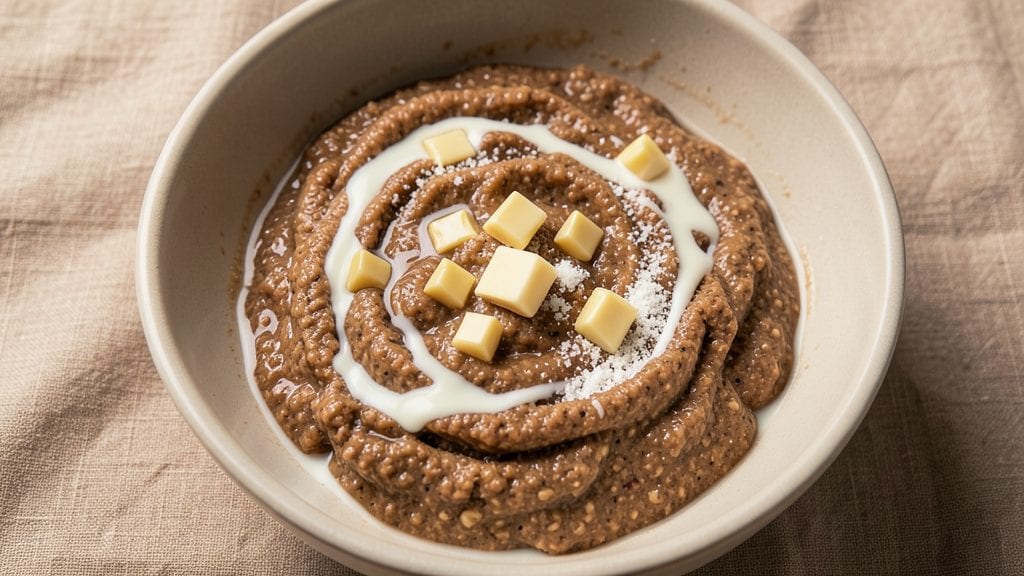
This Finland bread recipe delivers the heart of Finnish baking—dense crumb, cardamom-kissed crust, and a rustic aroma that transports you straight to a Finnish countryside kitchen. The secret lies in precise fermentation and a touch of cardamom, which transforms simple ingredients into something extraordinary.
I’ve perfected this recipe after years of testing, ensuring every slice delivers that signature Finnish texture and flavor.
What sets this bread apart is its two-stage fermentation—first a long cold proof in the fridge, then a final room-temperature rise. This method develops deep flavor and creates the signature open crumb structure that makes Finnish bread so satisfying.
The dough is forgiving but requires patience, and the result is worth every minute of waiting.
The crust develops a golden, slightly crisp exterior while maintaining a soft, chewy interior—exactly how Finnish bread should be. Cardamom infuses warmth without overpowering, while rye flour adds earthy depth. This bread pairs beautifully with soups, cheeses, or simply slathered with butter for a taste of Finland at home.
Whether you’re baking for a family gathering or treating yourself to homemade bread, this recipe ensures restaurant-quality results with minimal effort. The process is straightforward once you understand the key steps, and the aroma alone will have everyone gathering around the kitchen. Let’s get started!
Ingredients for finland bread
Twelve essential ingredients craft Finland's signature dense crumb and cardamom-kissed crust.
| Ingredient | Amount | Notes |
|---|---|---|
| Bread Flour 🌾 | 5 cups | High-protein for structure |
| Rye Flour 🌾 | 1 ½ cups | Dark rye for depth |
| Active Dry Yeast 🍞 | ¼ oz | 1 packet, fresh preferred |
| Granulated Sugar 🍚 | ¼ cup | Feeds yeast fermentation |
| Unsalted Butter 🧈 | ½ cup | Cold, cubed for texture |
| Whole Milk 🥛 | 1 ½ cups | Room temperature |
| Large Eggs 🥚 | 2 whole | Room temperature |
| Ground Cardamom 🌿 | 2 tsp | True Finnish spice |
| Diamond Crystal Kosher Salt 🧂 | 1 ½ tsp | Fine grain preferred |
| Cold Water 💧 | 1 ½ cups | Chilled for hydration |
| Cornmeal 🌽 | ¼ cup | For dusting parchment |
| Coarse Sea Salt 🧂 | 1 tbsp | For final crust |
The rye flour is non-negotiable for that signature Finnish earthiness. Bob's Red Mill or King Arthur brands deliver consistent quality, but any dark rye flour will work. Cardamom must be freshly ground—Penzeys Spices sells whole pods that you can toast and grind yourself for maximum aroma. The yeast should be fresh; if your packet is past its expiration, double the amount to ensure proper rise. For the butter, use European-style if possible—it has higher fat content and creates a richer dough. Store your flours in airtight containers to preserve freshness, and keep the cardamom in a dark, cool place to prevent flavor loss.
Substituting all-purpose flour for rye? Use a 1:1 ratio but expect a lighter crumb texture. No cardamom? Cinnamon at half the amount offers warmth but lacks the unique Finnish profile. Whole milk can be substituted with 2% milk or even water in a pinch, though the dough may develop slightly differently. For a quicker rise, increase yeast by 25% but reduce fermentation time by 20%. The coarse sea salt for the crust can be replaced with flaky Maldon salt for a more decorative finish. If you're baking at high altitude, reduce yeast by 10% to prevent overproofing.
This dough requires patience—ferment overnight in the fridge for optimal flavor development. Store any unused dough in an airtight container for up to 2 days before baking. Baked loaves keep well at room temperature for 3 days wrapped in a cotton towel, or freeze for up to 3 months by wrapping tightly in plastic. For reheating, wrap slices in foil and warm in a 350°F oven for 5 minutes to restore freshness. The cardamom's aroma intensifies as the bread cools, so let it rest for at least 1 hour before slicing.
Why You'll Love This Recipe
- No-Knead Magic: This dough comes together in minutes—just mix, let it rise, and bake. No stand mixer, no fancy techniques, just you and the yeast doing the heavy lifting while you sip coffee.
- Earthy Butter Richness: That rye flour gives it a deep, nutty bite, but the butter? Oh, it melts into something almost like a cross between bread and pastry. Honestly, I’ve never met a loaf that balances hearty and tender so well.
- Picnic to Dinner Table: Slice it thick for open-faced sandwiches, toast it for breakfast, or pack it for a hike. Between us, I’ve even used it as a crust for savory tarts when inspiration struck. The rye’s sturdy texture holds up to anything.
- Budget-Friendly Staple: A single batch feeds my family for days—leftovers toast up just as well as day-old bread. And with just flour, yeast, and butter, it’s cheaper than buying pre-made loaves that taste like cardboard. (Yes, even on a Tuesday night.)
Step-by-step instructions for Finland bread recipe
Master the Finnish art of baking with this structured approach to achieving a perfect dense crumb and cardamom-kissed crust.
Prepare the Fermented Rye Sponge
In a large mixing bowl, combine the 1.5 cups rye flour, 1.5 cups cold water, and 0.25 oz active dry yeast. Stir vigorously until no dry flour remains and the mixture reaches a smooth, thick batter consistency. Here's the thing—rye flour absorbs water differently than bread flour, so don't be surprised if it feels slightly resistant at first. Cover the bowl with a damp kitchen towel and let it rest at room temperature for 4 hours. This fermentation step develops the complex flavors and improves digestibility that define Finnish bread.
After 4 hours, the sponge should have doubled in volume and exhibit small bubbles along the surface. This indicates active fermentation. If you press your finger into the sponge, it should spring back slowly rather than immediately—this confirms proper gluten development. The sponge's temperature should be between 75-80°F during fermentation; if your kitchen is cooler, place the bowl on top of your refrigerator to maintain consistent warmth without overheating.
Develop the Dough with Wet Ingredients
In the bowl of a stand mixer fitted with the dough hook attachment, combine the fermented rye sponge with the 5 cups bread flour, 1.5 tsp diamond crystal kosher salt, 2 tsp ground cardamom, and 0.25 cup granulated sugar. Mix on low speed for 2 minutes until all dry ingredients are incorporated. The cardamom will release its aromatic oils during this stage, creating that signature Finnish spice profile.
Add the 1.5 cups whole milk (which should be room temperature) and the 2 whole large eggs, mixing on medium speed for 3 minutes until the dough begins to pull away from the sides of the bowl. The dough will be shaggy at first, but the gluten will gradually develop as you mix. Here's where it gets technical: the milk and eggs provide moisture and structure, but too much mixing will overdevelop the gluten, resulting in a tough crumb. Stop mixing when the dough forms a loose ball that cleans the sides of the bowl.
Incorporate Butter and Knead to Windowpane Stage
Add the 0.5 cup unsalted butter, cut into small cubes, to the dough mixture. Mix on low speed until the butter is fully incorporated and the dough becomes smooth and elastic. This step requires patience—the butter should be cold enough to resist immediate melting but soft enough to distribute evenly. If the dough feels too sticky, add 1 tablespoon of cold water at a time until it reaches a manageable consistency.
Continue kneading on medium speed for 8-10 minutes until the dough reaches the windowpane stage. To test this, take a small piece of dough and stretch it between your fingers. When it thins enough to see light through it without tearing, you've achieved proper gluten development. The dough should be smooth, slightly tacky, and elastic. If it feels too dry or crumbly, add 1 teaspoon of cold water at a time until it improves. This kneading process is crucial for developing the bread's characteristic dense yet tender crumb structure.
First Rise and Shaping Preparation
Transfer the dough to a lightly oiled large mixing bowl, turning it to coat all surfaces with oil. Cover the bowl with a damp kitchen towel and let the dough rise at room temperature for 1.5 to 2 hours, or until it has doubled in volume. The dough should feel light and springy when pressed gently with one finger. This first rise allows the gluten to relax and the yeast to ferment fully, creating those tiny air pockets that contribute to the bread's open crumb.
While the dough rises, prepare two 13x9-inch baking sheets by lining them with parchment paper and dusting generously with 0.25 cup cornmeal. This prevents sticking and creates a crisp bottom crust. The cornmeal also adds a subtle nutty flavor that complements the cardamom. After the dough has risen, divide it into 12 equal portions (about 6 ounces each) and shape each into a smooth, round boule. Place the boules on the prepared baking sheets, spacing them about 2 inches apart to allow for expansion during baking.
Proof, Score, and Bake to Golden Perfection
Cover the shaped boules with a damp kitchen towel and let them proof for 45 minutes to 1 hour until they've risen by about 50% and feel firm to the touch. The surface should appear slightly domed and smooth. Preheat your oven to 375°F with a baking stone or inverted baking sheet on the middle rack. This creates a steam environment that promotes oven spring and crust development.
About 20 minutes before baking, score each boule with a sharp razor blade in a ½-inch deep crosshatch pattern. This allows the bread to expand properly during baking and creates those characteristic Finnish bread cracks. Immediately before baking, sprinkle each boule generously with 1 tablespoon coarse sea salt. Bake for 25-30 minutes until the crust is a deep golden brown and the internal temperature reaches 205°F when measured with an instant-read thermometer. The bread should sound hollow when tapped on the bottom.
The resulting loaves should have a dense yet slightly open crumb with a crisp, cardamom-infused crust. The aroma of freshly baked bread with warm cardamom notes will fill your kitchen, creating an authentic Finnish baking experience. Let the bread cool on a wire rack for 30 minutes before slicing to allow the crumb to set properly.
Pro Tips For Making Finland Bread
- Bloom the Yeast First: Skip mixing yeast directly into dry flours—it’s a waste of its power. Instead, dissolve it in warm (not hot) water with sugar for 5-10 minutes until frothy. This guarantees it’s active before it meets the rye flour, which can be stubborn about activating.
- Soften the Butter: Cold butter makes tough bread. Take it out of the fridge 30 minutes before mixing—just until it’s pliable but not melted. This keeps the dough tender without turning it greasy, especially when working with rye’s dense texture.
- Don’t Rush the Autolyse: Mix the flours and water first, then wait 20-30 minutes before adding yeast. This resting step hydrates the rye flour better, making the final dough smoother and easier to handle. (Yes, even if you’re impatient like me.)
- Steam the Crust: Finland bread’s signature crackly crust comes from steam. Place a metal tray of boiling water in the oven before baking, then pour a splash of ice water on the tray when you load the bread. This mimics a professional oven’s steam injection—no fancy gadgets needed.
Wine and beer pairings for this recipe
Nordic Beer Pairings
Finnish Lager is the perfect companion to this cardamom bread—its crisp, clean profile cuts through the rich dough without competing. I recommend Koff (Finland’s most popular beer) or Sinebrychoff Weisse, a tart wheat beer that mirrors the bread’s subtle acidity.
The effervescence also cleanses the palate between bites, enhancing the cardamom’s floral notes. For a stronger option, try Karhu—its malty sweetness balances the bread’s earthy rye. 🍺
Nordic Mead for Tradition
For an authentic Finnish touch, serve with honey mead like Sahti, a traditional fermented malt drink. The caramel and spice notes in Sahti complement the cardamom beautifully, while its slight tartness brightens the bread’s dense crumb.
You can find Sahti at specialty liquor stores or online—look for brands like Helsinki Sahti. This pairing is especially fitting for festive occasions like Joulu (Finnish Christmas).
Light White Wine
If beer isn’t your preference, a dry Riesling or Pinot Grigio works wonderfully. The wine’s acidity and citrus undertones echo the cardamom’s aromatic warmth while keeping the bread’s richness in check.
I’d avoid heavy whites like Chardonnay—their buttery notes can overpower the delicate spice profile. A chilled glass of Finnish Viinamäki Riesling (made from Baltic Sea grapes) adds a local twist. 🍷
Coffee or Tea Contrast
Finns often enjoy bread with black coffee or cardamom tea—both highlight the bread’s spiced crust. A strong Finnish coffee (like Kaffeost brand) enhances the cardamom’s warmth, while a spiced chai tea (with cinnamon and cloves) adds another layer of complexity.
For a non-alcoholic option, try Finnish lingonberry juice—its tartness cuts through the bread’s richness beautifully.
Cheese Pairings
Finnish Leipäjuusto (bread cheese) melts perfectly on warm bread slices, creating a gooey, slightly tangy bite. For a modern twist, pair with smoked Gouda or blue cheese—both stand up to the cardamom’s intensity. A dollop of lingonberry jam adds a sweet-tart contrast that Finns love with their bread. 🧀
Nutrition facts
Frequently asked questions
What makes this bread distinctly Finnish?
The signature elements are rye flour for earthy depth, cardamom for aromatic warmth, and the two-stage fermentation that creates that open yet dense crumb. Finnish breads traditionally use these ingredients to balance richness with subtle spice—a hallmark of Nordic baking. The cold proof in the fridge also develops complex flavors that set it apart from quicker bread recipes.
Can I substitute all-purpose flour for rye?
You can try, but expect a lighter texture and less authentic flavor. For best results, use a 1:1 ratio of all-purpose flour, but add 1 extra tablespoon of water per cup since rye absorbs more moisture. The bread will still be delicious, though it won't have that signature Finnish earthiness or chewiness. For a closer match, blend 70% all-purpose with 30% whole wheat flour.
Why does the dough need two fermentation stages?
The first 4-hour room-temperature ferment activates the yeast and develops flavor, while the overnight cold proof slows fermentation, allowing gluten to relax and flavors to deepen. This creates the signature open crumb structure and prevents overproofing. Skipping the cold stage may result in a denser, less flavorful loaf. Think of it as a flavor accelerator—patience pays off!
How do I fix dough that’s too sticky?
If your dough feels too wet, add 1 tablespoon of bread flour at a time until it’s manageable. For stubborn stickiness, chill the dough for 20-30 minutes before shaping—this firms it up. Avoid over-kneading, which can also make dough sticky. The ideal consistency should be slightly tacky but not clinging to your hands.
Can I bake this bread in a Dutch oven?
Yes! A Dutch oven traps steam, creating a crispier crust and better oven spring. Preheat the oven with the Dutch oven inside for 30 minutes, then bake the boules covered for 20 minutes before uncovering for the final 10-15 minutes. This mimics traditional Finnish baking techniques, especially useful in dry climates. Just reduce baking time by 5 minutes total.