
Side Dishes
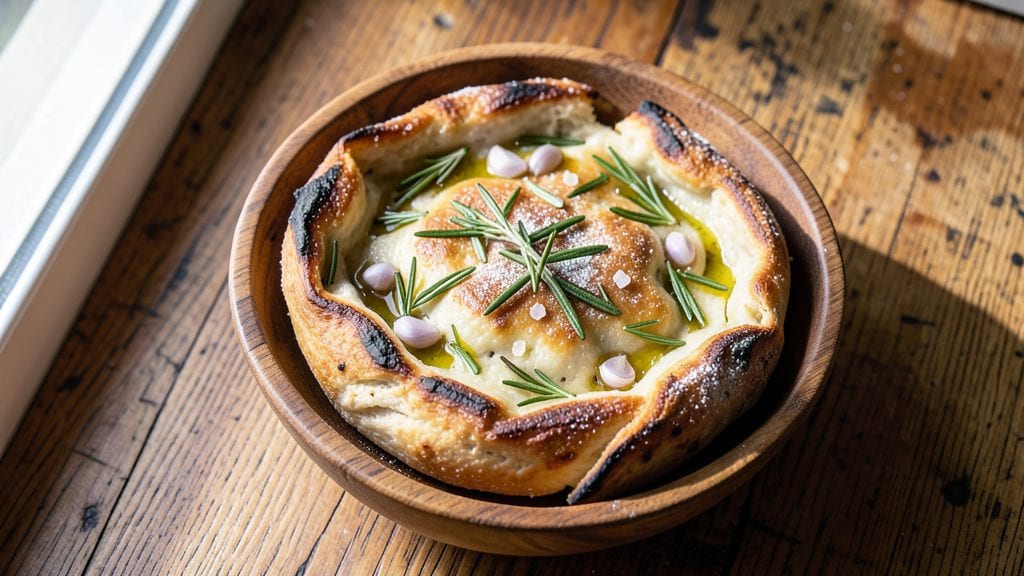
This Tuscan olive oil loaf delivers the crusty crunch and rustic charm of authentic stecca bread, a traditional Italian staple that transforms any meal.
The secret lies in its simple yet precise method—just flour, water, olive oil, and salt—shaped into those signature sticks that bake up with a golden crust and tender interior.
I developed this recipe after years of perfecting the texture, ensuring every bite delivers that satisfying contrast between crispy exterior and soft center.
What makes stecca bread truly special is its versatility and foolproof nature—no yeast required, no complicated techniques, just a few basic ingredients and about 30 minutes of active time.
The dough comes together quickly, and shaping it into sticks is simpler than you might expect, though the key to success lies in handling it gently to maintain structure. This bread pairs beautifully with soups, stews, or simply as a side to any Italian feast.
The result is a loaf with an irresistible aroma of fresh olive oil and a texture that's both sturdy enough to hold up to hearty meals and tender enough to melt in your mouth.
Each stick develops a golden-brown crust that crackles with every bite, while the interior remains soft and slightly chewy—a perfect balance that makes this bread worth the effort. Once you try homemade stecca, store-bought versions simply won't compare.
For those who love tradition with a modern twist, you can experiment with adding rosemary or garlic to the dough, or even shaping it into smaller rounds for appetizers.
The beauty of this recipe is its adaptability while maintaining that authentic Tuscan flavor profile. Let's get started on creating your own batch of this classic Italian bread.
Ingredients for stecca bread
Four simple ingredients, one golden crust—this Tuscan olive oil loaf is your new go-to bread.
| Ingredient | Amount | Notes |
|---|---|---|
| All-Purpose Flour 🌾 | 3 cups | Sifted for best texture |
| Extra-Virgin Olive Oil 🫒 | ¾ cup | High quality, fruity |
| Water 💧 | 1 cup | Room temperature preferred |
| Fine Sea Salt 🧂 | 1 ½ tsp | Adjust to taste |
| Fresh Rosemary 🌿 | 1 tbsp | Finely chopped, optional |
| Garlic Cloves 🧄 | 2 cloves | Minced, optional |
| Cornmeal 🌽 | ¼ cup | For dusting work surface |
The olive oil is non-negotiable here—look for extra-virgin with a fruity aroma, not the cheap stuff. Trader Joe's and Whole Foods carry great options, but any reputable grocery store should have a decent bottle. Fresh rosemary and garlic add that Tuscan touch, but I often skip them when I'm in a hurry. The flour? King Arthur or Gold Medal are my go-tos—they give that perfect balance of chewiness and crispiness. Sift it first, trust me. And if you're worried about the dough sticking, grab some cornmeal—it's a game-changer for shaping.
No rosemary? Dried works at half the amount, but fresh is better. Short on olive oil? Avocado oil is a decent swap, though it won't have that authentic flavor. The water should be room temp—cold water makes the dough tough. If you're feeling fancy, add a pinch of sugar to the dough for a subtle sweetness. And if you're making this ahead, the dough keeps for 24 hours in the fridge—just let it sit at room temp for 30 minutes before shaping.
This bread is best made fresh, but leftovers keep 3 days in a bread bag at room temp. For longer storage, freeze the shaped sticks (unbaked) for up to 3 months)—bake straight from frozen, adding 5-10 minutes. The crust gets extra crispy when reheated—wrap in foil and warm in a 350°F oven for 5 minutes. I always make a double batch—one for toasting, one for dipping in soups.
Why You'll Love This Recipe
- No-Knead Magic: I swear, this dough comes together with just flour, olive oil, and water—no mixer, no fuss. Honestly, my hands get greasy, but that’s the only mess you’ll make.
- Herb-Packed Crunch: That fresh rosemary and olive oil? It’s like a Mediterranean vacation in every bite. The crust gets crispy enough to shatter, but the inside stays soft—chef’s kiss with a sprinkle of salt.
- Weeknight Saver: Between us, I’ve pulled this out for pizza dough, garlic bread, and even breakfast toast. It’s my go-to when I’m too tired for yeast or don’t want to wait hours.
- Budget-Friendly Staple: Five ingredients, zero waste—this dough stretches for days. I’ll be real: it’s not the prettiest, but the taste makes up for it, and my wallet thanks me.
Step-by-step instructions for Tuscan olive oil loaf with crusty crunch
This rustic Tuscan loaf delivers a perfect balance of crispy crust and tender crumb—just like Nonna used to make.
Mix Dough Until Just Combined
In a large mixing bowl, combine the 3 cups all-purpose flour and 1.5 teaspoons fine sea salt. Make a well in the center and add the 0.75 cup extra-virgin olive oil, 1 cup room-temperature water, 1 tablespoon finely chopped fresh rosemary, and 2 minced garlic cloves. Here's the thing—don't overmix. Use a wooden spoon or your hands to gently fold everything together until a shaggy dough forms.
I like to press the dough against the sides of the bowl to ensure all the flour is incorporated. You'll know it's ready when the dough pulls away cleanly from the bowl and forms a smooth, elastic ball. If it feels too sticky, add 1 tablespoon more flour at a time until it comes together nicely. The dough should be soft but manageable—not too wet or dry.
Knead Until Silky Smooth
Lightly dust a clean work surface with 0.25 cup cornmeal and turn out the dough. Knead for 8-10 minutes by folding the dough over itself and pressing down firmly. You're looking for a smooth, elastic texture that springs back when pressed. This step develops the gluten, which gives the bread its signature chewy interior and crispy crust.
Here's a pro tip: If the dough feels too sticky, add more cornmeal 1 tablespoon at a time—it prevents sticking without making the bread too dense. Once the dough is smooth and elastic, shape it into a loose round ball. Cover it with a damp towel and let it rest for 30 minutes at room temperature. This resting period relaxes the gluten, making the dough easier to shape later.
Shape and Score for Perfect Crust
After the dough rests, divide it into 4 equal pieces (about 4 ounces each). Roll each piece into a 12-inch-long log, tapering the ends slightly. This is where the magic happens—place each log seam-side down in a 9x5-inch loaf pan (or a similar-sized baking dish). The logs should fit snugly but not overlap.
Use a sharp knife or razor to score the tops of the logs in a diagonal crisscross pattern. This isn't just for looks—it helps the bread expand evenly and creates that gorgeous crusty texture. Brush the tops lightly with a little extra olive oil to enhance browning. Let the shaped loaves rest, uncovered, for 15 minutes while you preheat the oven.
Bake Until Golden and Crisp
Preheat your oven to 375°F. Bake the loaves for 35-40 minutes until the crust is deep golden brown and sounds hollow when tapped on the bottom. The internal temperature should reach 190°F—this ensures a perfectly baked crumb.
Real talk: Don't open the oven during baking unless absolutely necessary. The steam inside helps create that crispy crust, and every time you peek, you risk drying out the bread. If the tops brown too quickly, tent loosely with foil. Once baked, transfer the loaves to a wire rack and let them cool for 10 minutes before slicing. This resting time allows the crumb to set, preventing a gummy texture.
Pro Tips For Making Stecca Bread
- Chill the Dough: DESCRIPTION: After mixing, let it sit covered for at least 30 minutes—no, don’t skip this. I used to rush straight to shaping, and the bread turned out dense. The flour needs time to hydrate properly, especially with the olive oil. If you’re short on time, stick it in the fridge for an hour.
- Chop Rosemary Fine: DESCRIPTION: Don’t just tear it—pulse it in a food processor or finely chop with a knife. Whole sprigs burn easily and leave uneven flavor. A tablespoon of finely minced rosemary (not packed) blends seamlessly into the dough without overpowering. (And yes, even if you’re using fresh, it’s worth the effort.)
- Shape Tightly, Not Loosely: DESCRIPTION: Press the dough into a compact, even rectangle—no gaps, no air pockets. I learned this after my first batch spread unevenly and baked like a pancake. Use your hands to flatten it firmly, then roll it out to about ¼-inch thickness for that classic stecca texture.
- Preheat Pan Properly: DESCRIPTION: Get a dry, cold cast-iron skillet screaming hot over medium-high heat—no oil yet. If you preheat with oil, it’ll smoke and burn the bread before it even gets a chance to brown. Once hot, add just enough olive oil to coat the bottom (about 2 tablespoons), then swirl to cover. Timing matters—wait until the oil shimmers before adding the dough.
Essential equipment for this recipe
Dough Mixing Tools
Start with a large mixing bowl—I use a stainless steel Cambro because it’s durable and easy to clean. For mixing, a wooden spoon or your hands work best to avoid over-developing gluten too early.
If you prefer electric mixers, use the dough hook attachment on low speed for just 30 seconds—this prevents over-kneading, which can make the bread dense. For small batches, a hand mixer works fine, but avoid high speeds. 🌾
Kneading Surface
A lightly floured work surface is essential, but I prefer cornmeal over flour for kneading stecca dough—it prevents sticking without making the bread tough. A large bamboo mat or a silicone baking mat works well too.
If you’re short on space, a round pizza peel can double as a kneading surface. For kneading, use floured hands or a dough scraper to keep everything contained.
Shaping Tools
For shaping the 12-inch logs, use a rolling pin or your hands to gently press and roll the dough. A bench scraper helps divide the dough into 4 equal 4-ounce pieces cleanly.
To create the signature diagonal crisscross pattern, use a sharp chef’s knife or a razor blade—just be careful not to cut too deep. I keep a small bowl of water nearby to dip my fingers in while shaping to prevent sticking.
Baking Equipment
You’ll need a 9x5-inch loaf pan (or similar) for baking—Nordic Ware makes a great non-stick version. For even browning, I recommend a baking stone or steel placed on the middle rack.
A digital oven thermometer ensures your oven is at the correct 375°F—many home ovens run hot or cold. If your oven lacks even heat, rotate the pans halfway through baking. 🔥
Cooling Rack
After baking, transfer the bread to a wire cooling rack to prevent soggy bottoms. A stainless steel rack is ideal because it conducts heat away quickly. If you’re in a hurry, a clean kitchen towel laid flat works in a pinch, but it won’t crisp the bottom as effectively.
Let the bread cool for at least 10 minutes before slicing—this ensures a clean break and prevents a gummy texture.
Optional Extras
For a crispier crust, add a steam pan (like a Nordic Ware Steam Pan) to the oven rack below your bread. The steam creates a more dramatic oven spring.
If you’re adding rosemary or garlic, a microplane makes quick work of mincing. For storage, bread bags or beeswax wraps keep the bread fresh longer than plastic containers. 💫
Nutrition facts
Frequently asked questions
Why does stecca bread have that signature stick shape?
The traditional stick shape comes from Tuscan baking traditions where bread was shaped to fit old wooden molds. This shape creates a perfect surface area for crispy crust development while keeping the interior tender. The tapered ends also help distribute heat evenly during baking, preventing soggy centers.
Can I make stecca bread without a loaf pan?
Shape your sticks directly on a baking sheet lined with parchment paper. For extra crispiness, bake on a preheated baking stone or steel. Just space them about 1 inch apart so they brown evenly. The crust will be slightly thicker than pan-baked versions, but just as delicious.
What's the secret to getting that perfect crispy crust?
Three key factors: 375°F oven temperature, scoring the dough before baking, and using high-quality olive oil. The oil creates steam during baking that develops that signature crackly crust. Brush the tops with extra oil before baking for maximum crispiness, and resist opening the oven door during the first 25 minutes of baking.
How long can I keep stecca bread fresh?
At room temperature, it stays fresh for 3 days in a bread bag or wrapped in a clean towel. For longer storage, freeze the shaped (unbaked) sticks for up to 3 months. To reheat, wrap in foil and warm at 350°F for 5 minutes—this restores that perfect crust-to-crumb contrast.
Can I add other herbs besides rosemary?
Yes! Try thyme, oregano, or even fennel pollen for a Tuscan-inspired twist. Just use 1 teaspoon of dried herbs or 1 tablespoon of fresh, finely chopped. Avoid strong herbs like sage which can overpower the delicate olive oil flavor. The key is to keep the herb amount minimal—this bread shines with subtle seasoning.