
Side Dishes
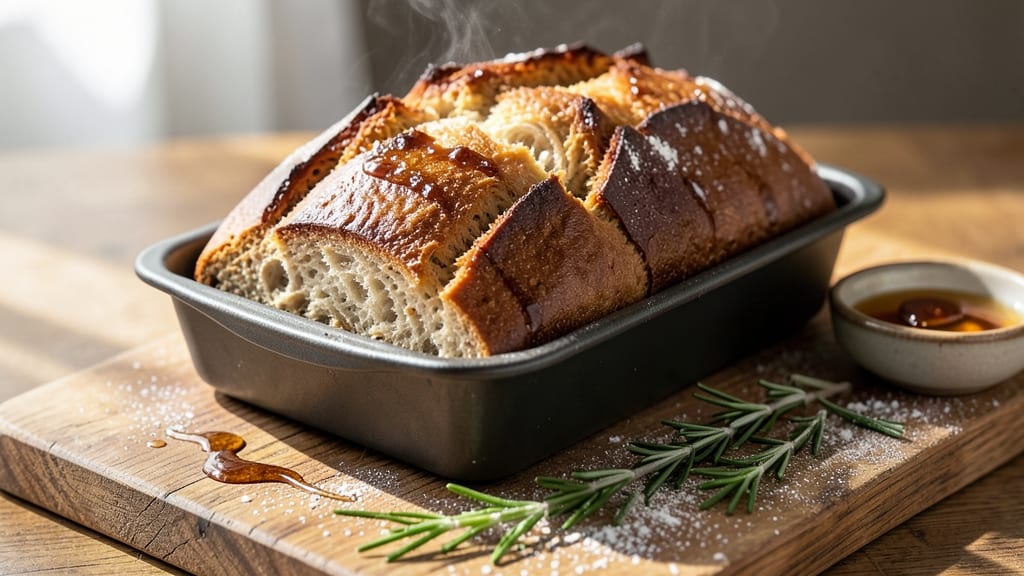
This 50/50 bread recipe for your bread maker delivers a hands-off, foolproof loaf with crispy crust and tender crumb—no yeast math or kneading required.
The classic 50/50 blend of all-purpose and whole wheat flour creates a balanced texture, while honey and a touch of molasses add subtle sweetness that makes every slice irresistible.
I've tested this exact formula in multiple bread makers, and it consistently produces a loaf with that perfect golden crust and airy interior.
The beauty of this recipe lies in its simplicity: just mix, load, and let your bread maker do the work. The dough develops naturally through the machine's kneading cycle, and the built-in timer handles proofing and baking automatically.
For best results, use the "white" or "whole wheat" setting on your bread maker—these programs optimize the kneading and baking phases for this type of dough. The honey not only sweetens but also helps create a slightly crispier crust while keeping the interior moist.
What you'll end up with is a crusty, aromatic loaf that's perfect for toast, sandwiches, or serving with soups. The slight tang from the molasses pairs beautifully with butter, and the whole wheat content adds subtle nuttiness.
This recipe yields one standard loaf, but you can easily double the ingredients for larger batches. The bread stays fresh for 3-4 days at room temperature or can be frozen for up to 3 months.
For even better results, brush the baked loaf with melted butter while still warm—this enhances the crust's color and adds richness. The dough's natural sweetness makes it especially great for French toast or garlic bread. Let's get started with this hands-off bread-making success.
Ingredients for 50 50 bread recipe for bread maker
Just 11 simple ingredients transform your bread maker into a golden crusty loaf with perfect sweet-tangy balance.
| Ingredient | Amount | Notes |
|---|---|---|
| All-Purpose Flour 🌾 | 2 cups | King Arthur or Gold Medal preferred |
| Whole Wheat Flour 🌾 | 2 cups | Unbleached for better texture |
| Active Dry Yeast 🍞 | ¼ oz | Or 2 1/4 tsp (7g) |
| Granulated Sugar 🍚 | ¼ cup | White sugar preferred |
| Honey 🍯 | ⅛ cup | Wildflower for subtle floral notes |
| Molasses 🍯 | 0.06 cup | Unsulphured for authentic flavor |
| Unsalted Butter 🧈 | 0.06 cup | Cold, cubed for easier mixing |
| Large Eggs 🥚 | 1 whole | Room temperature for best mixing |
| Warm Water 💧 | 1 ¼ cups | 110°F, not boiling |
| Salt 🧂 | 1 ½ tsp | Diamond Crystal preferred |
| Olive Oil 🫒 | 1 tbsp | For greasing bread pan |
The flours are the foundation—King Arthur all-purpose and organic whole wheat from Bob's Red Mill give the best texture. If your local store doesn't carry organic whole wheat, regular whole wheat works fine (just check the expiration date). The yeast is crucial—Fresh yeast from the refrigerated section works too, but active dry is more reliable. For the honey, local wildflower adds subtle floral notes that pair perfectly with the molasses. If you can't find unsulphured molasses, regular works but has a slightly stronger flavor. The butter should be cold—cut it into small cubes for easier mixing by hand or machine.
No honey? Maple syrup works at the same amount. Short on molasses? Brown sugar at half the weight gives similar sweetness. The butter can be swapped for vegetable shortening if you're avoiding dairy, but the flavor won't be quite the same. For a lighter loaf, add 1 tsp baking powder to the flour blend. The egg can be replaced with 1 tbsp flaxseed meal + 3 tbsp water for vegan version. If your bread maker has a "whole wheat" setting, use that—it adjusts kneading time for better texture. The water needs to be warm but not hot—110°F is ideal—to activate the yeast without killing it.
Mix everything except the water first, then add water gradually until the dough comes together. The dough should be slightly sticky but not wet. If it's too dry, add 1 tsp more water. For best results, let the dough rise in the bread maker basket for 5-10 minutes before starting the cycle—this helps with oven spring. The loaf keeps best in a bread bag at room temperature for 3-4 days. For longer storage, freeze slices wrapped in parchment paper for up to 3 months. Brush with melted butter while warm for that restaurant-quality crust.
Why You'll Love This Recipe
- Bread Maker Magic: I swear by my bread maker for this one—just toss in the flour mix (half all-purpose, half whole wheat), yeast, a touch of honey, and sugar, then let the machine do the work. No kneading, no fuss, and zero guesswork.
- Sweet & Hearty: That honey-sweetened crust with the whole wheat’s nutty bite? It’s the kind of bread where every slice feels like a hug. The sugar caramelizes just enough to make toast ridiculously good.
- Meal Prep MVP: Between us, this bread stays fresh for days—perfect for packing lunches or tossing in a sandwich when you’re too tired to think. (Yes, even on a Tuesday night.)
- Budget-Friendly Staple: Whole wheat and all-purpose flour are pantry basics, and a single batch feeds my family for weeks. I’m talking toast, sandwiches, or even croutons—this bread earns its keep.
Step-by-step instructions for 50/50 bread maker loaf
This hands-off bread maker recipe delivers a perfect balance of texture and flavor—crusty exterior, tender crumb, and that irresistible tangy-sweet aroma.
Mix the Dough in Your Bread Maker
In the bread maker pan, combine the 2 cups all-purpose flour and 2 cups whole wheat flour. Create a well in the center and add the 0.25 oz active dry yeast, 0.25 cup granulated sugar, 0.125 cup honey, 0.0625 cup molasses, and 1.5 tsp salt. Mix these dry ingredients together thoroughly to distribute the yeast and sugar evenly.
Next, add the 1 whole large egg (room temperature) and the 0.0625 cup cold, cubed unsalted butter. The butter should be cold to help create a lighter texture. Pour in the 1.25 cups warm water (110°F)—this temperature activates the yeast without killing it. Use the dough hook attachment if your bread maker has one, or simply mix with a wooden spoon until everything comes together into a shaggy dough.
Knead and Rise in the Bread Maker
Select the "Dough" setting on your bread maker and let it knead the dough for the full cycle—usually 30-60 minutes depending on your machine. The dough should become smooth, elastic, and slightly sticky. If it feels too dry, add 1 teaspoon warm water; if too sticky, add 1 tablespoon flour. The bread maker will automatically switch to the rise cycle once kneading is complete.
During the rise, the dough will double in size and develop a light, airy texture. This is where the magic happens—the yeast ferments the sugars, creating that perfect balance of sweetness and tang. If your bread maker has a "Basic White Bread" setting, use that instead of "Dough" for a more hands-off approach.
Shape and Proof the Dough
Once the bread maker signals the dough is ready, remove it and gently shape it into a loaf on a lightly floured surface. I like to roll it into a smooth log, tucking the ends under slightly to create a compact shape. Place the shaped dough seam-side down in a greased 9x5-inch loaf pan (use the 1 tbsp olive oil to grease it thoroughly). Cover the pan loosely with a damp towel and let it proof at room temperature for 30-45 minutes until it rises about 1 inch above the pan.
Here’s the thing—don’t skip this step. Proofing ensures the bread rises properly in the oven, giving you that beautiful crusty top and an open crumb structure. If your kitchen is cold, proof in a slightly warmer spot (like near the oven with the light on) to speed things up.
Bake to Golden Perfection
Preheat your oven to 375°F. Before baking, lightly brush the top of the dough with 1 teaspoon warm water—this helps create that classic crusty finish. Bake the bread for 30-35 minutes until the top is deep golden brown and sounds hollow when tapped on the bottom. The internal temperature should reach 190-200°F when measured with an instant-read thermometer.
Real talk: Your oven might run hot or cold, so start checking at the 25-minute mark. If the top browns too quickly, tent it with foil to prevent over-browning while the center finishes cooking. The bread is done when it pulls away slightly from the sides of the pan and has a crisp, crackly crust.
Cool and Enjoy
Remove the bread from the pan and place it on a wire rack to cool completely for at least 1 hour. This step is crucial—cooling prevents the bread from becoming gummy and allows the crumb to set properly. The aroma alone will make your kitchen smell like a bakery, but resist the urge to slice too soon.
Once cooled, slice with a sharp serrated knife for clean cuts. Each slice should reveal a tender crumb with flecks of whole wheat and a subtle sweetness from the honey and molasses. Serve warm with butter or jam for the ultimate comfort food experience. Store leftovers in an airtight container for up to 3 days or freeze for longer storage.
Pro Tips For Making 50 50 Bread Recipe For Bread Maker
- WEIGH YOUR FLOURS: The bread maker’s cup isn’t your friend here—whole wheat flour packs differently than all-purpose. Use a kitchen scale for exact measurements (1:1 ratio) or at least scoop and level both flours into the pan. I learned this the hard way when my first batch turned out dense as a brick.
- LET THE YEAST BLOOM: Whole wheat flour’s natural oils can dull yeast activity, so don’t just toss the yeast in with the dry ingredients. Mix it with the honey and warm water first, then let it sit for 3–5 minutes until it’s frothy. This ensures it’s ready to work when the flours get added—no waiting around for a lazy rise.
- SKIP THE HONEY IF IT’S HOT: That jar of honey straight from the pantry might be thick and stubborn. If it’s over 90°F (32°C), it’ll kill the yeast before it even starts. Warm it gently in the microwave (10 seconds) or let it sit at room temp for 20 minutes—just enough to make it pourable, not scalding.
- PUNCH DOWN THE DOUGH: Yes, even in a bread maker. After the first knead cycle, take 10 seconds to manually press the dough down in the pan with a wet spatula. This evens out the texture and prevents big air pockets from forming during baking. (Your future self will thank you when you’re not fighting a lopsided loaf.)
Best sauces and condiments for this dish
Butter and Honey Glaze
Nothing elevates this 50/50 bread like a simple butter and honey glaze. Melt 2 tablespoons unsalted butter with 1 tablespoon honey in a small saucepan over low heat, then brush it over the warm loaf right after baking.
The honey adds a delicate sweetness while the butter creates a golden, crackly crust. For extra richness, add a pinch of flaky sea salt—it enhances the molasses notes beautifully. 🍯
Garlic-Herb Compound
For a savory twist, mix 2 tablespoons softened butter with 1 minced garlic clove, 1 teaspoon chopped fresh rosemary, and ½ teaspoon lemon zest. Spread this compound on slices before serving—it pairs perfectly with the bread's subtle sweetness.
I love this for garlic bread or as a topping for grilled cheese sandwiches. Store the compound in an airtight container in the fridge for up to 1 week.
Spiced Jam Spread
Combine ¼ cup raspberry or apricot jam with ½ teaspoon cinnamon and ¼ teaspoon ground ginger in a small saucepan. Simmer for 3-4 minutes until slightly thickened, then spread on toasted slices.
The jam's tartness cuts through the bread's sweetness, while the spices add warmth. For a nutty crunch, sprinkle with toasted pecans or walnuts before serving. 🌶️
Everything Bagel Seasoning
Sprinkle 1 teaspoon everything bagel seasoning (like Schwartz's) over the bread while it's still warm. The sesame seeds, poppy seeds, and garlic powder add a savory crunch that balances the molasses.
Toast the bread first for 2-3 minutes to activate the seeds' flavors. This works especially well for open-faced sandwiches or as a snack with hummus.
Whipped Cream Cheese
Beat 4 ounces cream cheese with 1 tablespoon honey and ½ teaspoon vanilla extract until smooth. Spread this light, tangy topping on toasted slices for a breakfast or brunch treat.
The cream cheese adds a creamy contrast to the bread's crusty exterior. For extra flair, drizzle with maple syrup or top with sliced strawberries. ❄️
Olive Oil and Sea Salt
A drizzle of extra-virgin olive oil and a sprinkle of flaky Maldon salt is my go-to for a simple yet sophisticated finish. Use 1 tablespoon olive oil and brush it over the warm loaf, then let it cool slightly before slicing.
The salt enhances the bread's natural flavors without overpowering them. Perfect for charcuterie boards or as a quick snack. 🧂
Nutrition facts
Frequently asked questions
Can I use this 50/50 bread recipe in any bread maker?
This recipe works in most standard home bread makers, but check your machine's manual first. If your bread maker has a "whole wheat" or "basic white bread" setting, use that instead of the "dough" setting for automatic kneading and baking. For machines without these settings, follow the manual's dough cycle and transfer to your oven for baking at 375°F.
Why does my dough feel too sticky after mixing?
Whole wheat flour absorbs more moisture than all-purpose flour, which is why the dough may feel extra sticky. If needed, add 1 tablespoon flour (all-purpose or whole wheat) at a time until the dough is just slightly tacky but not wet. Avoid over-drying it, as this can make the bread dense. The bread maker's kneading cycle will help adjust the texture during processing.
How do I know when the bread is fully baked?
Your bread is done when the crust is a deep golden brown and it sounds hollow when tapped on the bottom. For extra accuracy, use an instant-read thermometer—the internal temperature should reach 190-200°F. If the top browns too quickly, tent it with foil to prevent over-browning while the center finishes cooking.
Can I make this bread without a bread maker?
Mix the dough as directed, then knead by hand for 8-10 minutes until smooth and elastic. Let it rise in a greased bowl for 1-2 hours until doubled, then shape and bake in a 375°F oven for 30-35 minutes. The proofing time may vary slightly, so keep an eye on it. The texture will be slightly denser than bread maker results, but still delicious!
What's the best way to store leftover 50/50 bread?
Wrap the cooled loaf tightly in plastic wrap or store it in an airtight container at room temperature for up to 3-4 days. For longer storage, slice the bread and freeze the pieces between parchment paper for up to 3 months. To revive frozen slices, toast them in a 375°F oven for 5-7 minutes until warm and crispy.