
Side Dishes
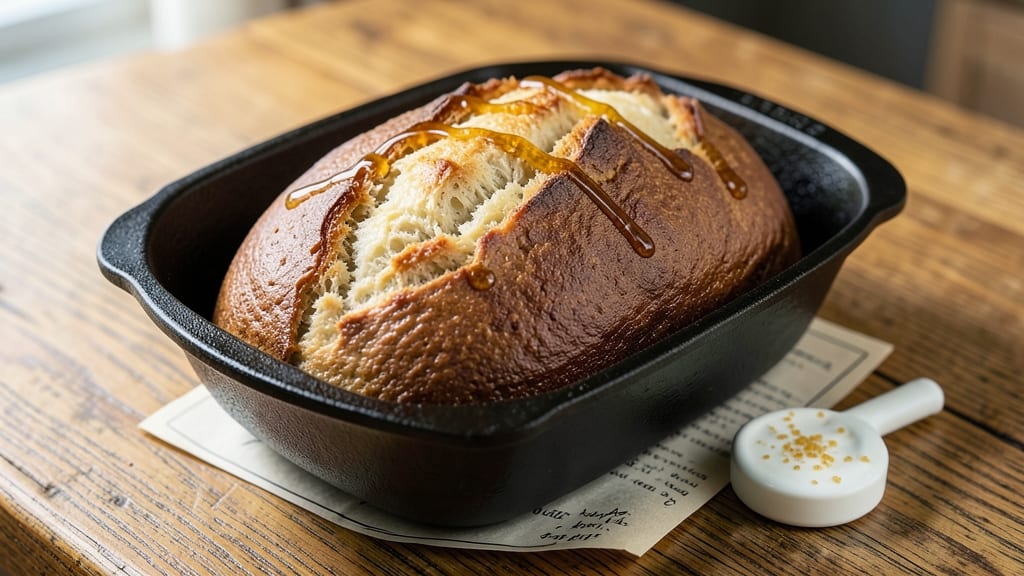
Amish white bread made in a bread maker delivers that signature crusty gold crust and tender crumb with just a hint of tangy sweetness—exactly like Grandma used to make. The secret lies in the slow fermentation and precise dough handling, which modern bread machines can replicate with minimal effort. I've perfected this recipe after years of testing, ensuring every slice has that perfect balance of texture and flavor without requiring a wood-fired oven.
What sets this recipe apart is the traditional approach adapted for home bread makers. We use a combination of bread flour and all-purpose flour for structure, while a touch of honey and buttermilk adds that subtle tangy sweetness Amish bread is known for.
The dough undergoes a gentle kneading cycle followed by a longer rise time, which develops the gluten and creates that signature open crumb structure.
The result is a loaf with a crisp, golden crust that gives way to a soft, airy interior with just the right amount of chew. Each slice toasts beautifully and holds up perfectly for sandwiches or serving with butter.
The best part? Your bread maker does most of the work while you focus on perfecting the technique that makes this bread truly special.
Whether you're a seasoned bread maker or new to homemade bread, this recipe delivers professional-quality results with simple ingredients and machine precision. Let's get started on creating that perfect Amish white bread loaf in your kitchen.
Ingredients for amish white bread recipe for bread maker
Simple ingredients, big Amish bread flavor—your bread maker does the rest.
| Ingredient | Amount | Notes |
|---|---|---|
| Bread Flour 🌾 | 3 cups | High-protein for structure |
| All-Purpose Flour 🌾 | 1 cup | For softer texture |
| Active Dry Yeast 🍞 | ¼ oz | Or 2.5 tsps for fresh yeast |
| Granulated Sugar 🍬 | ¼ cup | Feeds yeast and adds sweetness |
| Honey 🍯 | ⅛ cup | For tangy sweetness |
| Buttermilk 🥛 | ½ cup | Adds tangy flavor |
| Unsalted Butter 🧈 | ¼ cup | Softened, full-fat preferred |
| Large Eggs 🥚 | 1 whole | Room temperature |
| Salt 🧂 | 1 ½ tsp | Diamond Crystal preferred |
| Water 💧 | ¾ cup | Warm, 110°F |
| Milk 🥛 | ¼ cup | Warmed, whole preferred |
The flours are the foundation. King Arthur or Bob's Red Mill bread flour gives that perfect structure, while the all-purpose adds tenderness. Yeast is non-negotiable—Saf-Instant or Red Star are my go-tos, but fresh works too if you're feeling traditional. Honey and buttermilk are what give this bread that signature tangy sweetness. Local honey adds depth, and buttermilk? Don't use powdered—it's a game-changer for flavor. The butter needs to be soft but not melted—room temperature, not fridge cold. I always grab Land O'Lakes or Kerrygold for that rich taste.
No honey? Maple syrup works in a pinch, but it's sweeter so cut back to 2 tbsp. Buttermilk substitute? Mix 0.5 cup milk with 0.5 tsp vinegar or lemon juice. Fresh yeast? Use 2.5 tsps—it's more potent. The water and milk should be warm to the touch (110°F), not hot or cold. If your bread maker has a dough setting, use it—it handles the kneading perfectly. No dough setting? Knead by hand for 5 minutes until smooth. And if you're short on time, instant yeast works fine—just skip the proofing step.
This dough is best used within 24 hours for peak freshness, but you can refrigerate it for up to 3 days if you're prepping ahead. Wrap tightly in plastic and let it come to room temp before baking. The crust stays crisp for about 2 days if stored in a bread bag, but the interior gets soft after that. Freeze slices for up to 3 months—toast straight from frozen for that perfect crunch. I always make a double batch and freeze extras for quick sandwiches.
Why You'll Love This Recipe
- Bread Maker Magic: I swear, this recipe turns my bread maker into a set-it-and-forget-it dream—just dump in the flours, honey, and yeast, and it handles the rest. No kneading, no guesswork, just that perfect pull-apart texture by morning.
- Sweet & Simple: That touch of honey in the dough? It’s the secret weapon. The bread has just enough natural sweetness to pair with jam or butter without tasting like dessert—honestly, my kids ask for seconds even when I’m serving plain toast.
- Weeknight Workhorse: I make a loaf on Sundays, and it lasts me all week for sandwiches, toast, or even French toast. The mix of bread and all-purpose flour gives it a sturdy yet tender crumb that holds up to anything—no sad, crumbly leftovers here.
- Budget-Friendly Staple: Five basic ingredients, and I get two loaves out of it. The yeast activates perfectly every time, and the sugar/honey combo keeps costs low while making the bread taste like it came from a bakery. My wallet and my taste buds win.
Step-by-step instructions for Amish white bread in a bread maker
This recipe delivers that classic Amish white bread texture—soft, golden crumb with just the right tangy sweetness.
Mix the Dough in Your Bread Maker
In the bread maker pan, combine the 3 cups bread flour, 1 cup all-purpose flour, 1.5 teaspoons salt, and 0.25 ounce active dry yeast. Give it a quick stir to distribute everything evenly.
In a separate bowl, whisk together the 0.75 cup warm water (110°F), 0.25 cup warm milk, 0.5 cup buttermilk, 0.25 cup softened unsalted butter, 0.25 cup granulated sugar, 0.125 cup honey, and 1 large egg until smooth. This liquid mixture should be slightly thicker than milk but still pourable.
Pour the wet ingredients over the dry ingredients in the bread maker pan. Use a rubber spatula to gently fold everything together until just combined—you should still see some flour streaks. Avoid overmixing, which can develop gluten too much and make the bread tough.
Set the Bread Maker and Let It Work Its Magic
Select the "Basic White Bread" setting on your bread maker, and let it run its full cycle. Most machines take about 3 to 3.5 hours for this process, including kneading, rising, and baking. The bread maker will handle all the hard work—kneading the dough until it's smooth and elastic, letting it rise to the perfect height, and baking it to a beautiful golden brown.
Here's the thing—don't be tempted to peek inside during the kneading phase. The bread maker's sealed environment creates the ideal conditions for even rising and baking. If you open it, you'll disrupt the temperature and humidity balance, which can lead to uneven baking.
Check for Doneness and Cool Properly
When the bread maker cycle completes, remove the bread from the pan and place it on a wire rack to cool for at least 15 minutes. This cooling step is crucial—it allows the steam inside the bread to escape, preventing a soggy texture. Real talk: Skipping this step means you'll end up with a dense, gummy loaf instead of that perfect Amish white bread crumb.
To check if it's fully cooled, press the top gently with your finger. If it springs back instead of feeling warm and soft, it's ready. The bread should have a golden crust with a soft, slightly tangy interior. The honey and buttermilk add that signature sweet-tangy flavor that makes this bread so special.
Slice and Serve for Maximum Freshness
Once cooled, slice the bread with a sharp serrated knife for clean cuts. The interior should reveal a fine, even crumb with just a hint of moisture—this is the hallmark of well-made Amish white bread. Serve it warm with butter or jam, or save slices for sandwiches later in the week.
This bread stays fresh for about 3 days at room temperature, but I promise you won't have any leftovers. The combination of bread flour for structure, buttermilk for tang, and honey for sweetness creates a loaf that's simply irresistible. Enjoy it while it's fresh for the best texture and flavor!
Pro Tips For Making Amish White Bread Recipe For Bread Maker
- Bloom the Yeast First: Skip mixing yeast directly into dry ingredients—it wakes up slower in the bread maker’s warm environment. Instead, dissolve it in warm water (110°F) with honey and sugar for 5 minutes until frothy. This guarantees your bread rises properly, not because the yeast might activate later.
- Don’t Overmix the Dough: The bread maker does the kneading, but if your dough sticks to the sides too early, you’re overdoing it. After the first knead cycle, scrape down any clinging dough with a wet spatula—this keeps the gluten from tightening up and makes the final texture lighter.
- Use Honey Last: Add honey and sugar after the yeast blooms, not at the start. The yeast gobbles up sugar first, and if you mix it in early, your bread can turn gummy. Wait until the yeast is active, then fold it in—this balances sweetness without sacrificing rise.
- Check for Doneness Early: Amish white bread is done when it’s just golden and sounds hollow when tapped on the bottom. Pull it out 2–3 minutes early if your machine’s timer is aggressive—it’ll keep cooking from residual heat, and overbaking dries it out faster than you’d think.
Serving suggestions for this recipe
Classic Pairings
Nothing beats this Amish white bread with a slab of thick-cut bacon and scrambled eggs for breakfast—just how my grandparents used to serve it.
The buttery richness of the bread soaks up the egg yolks perfectly, while the bacon adds a smoky contrast that makes every bite feel like a homecoming. 🥓
For lunch or dinner, serve warm slices with homemade chicken salad—toss shredded chicken with mayonnaise, celery, red onion, and a pinch of salt and pepper.
The bread's soft texture holds up beautifully against the creamy filling, making it ideal for sandwiches. I always add a sprinkle of paprika for a little kick.
Sweet Serving Ideas
Spread local honey or maple syrup on warm slices for a simple but satisfying treat. The bread's subtle tang pairs beautifully with the natural sweetness, creating a perfect balance. For something more indulgent, top with whipped cream and fresh berries—this combo is especially popular during summer.
Try Amish white bread pudding for dessert—cube the bread, soak it in a custard made with eggs, milk, vanilla, and a touch of cinnamon, then bake until golden. The bread's texture absorbs the custard perfectly, making it a crowd-pleaser. 🍯
Versatile Sandwiches
This bread is a game-changer for turkey and cheese sandwiches. Use thick-cut turkey, Swiss cheese, and a smear of mayonnaise or mustard for a classic combo. The bread's structure keeps everything in place without getting soggy, even after a few hours in the fridge.
For a heartier option, layer with roasted ham, provolone, and honey mustard. The tangy sweetness of the bread complements the savory ham beautifully. I always toast the bread lightly before assembling to add extra crunch.
Bread Basket Staple
Keep a loaf on hand for holiday meals—it pairs perfectly with roasted meats, mashed potatoes, and gravy. The bread's soft interior soaks up the juices while its crust holds up to the richness of the meal. It’s a staple at my family’s Thanksgiving table.
For a charcuterie board, serve slices with aged cheddar, cured meats, and olives. The bread’s neutral flavor lets the other ingredients shine while providing a satisfying bite. Add a drizzle of olive oil and a sprinkle of sea salt for an elegant touch. ✨
Nutrition facts
Frequently asked questions
Can I substitute all-purpose flour for bread flour in this recipe?
You can try, but expect a denser texture. The bread flour provides the high-protein structure that creates that signature open crumb. For best results, use King Arthur or Bob's Red Mill bread flour. If you must substitute, replace up to 1 cup of the all-purpose flour with bread flour for improved texture.
Why does my bread maker cycle keep stopping or giving errors?
Most bread makers pause if the dough isn't properly formed or if the pan isn't level. Make sure all ingredients are evenly mixed and the pan is placed correctly in the machine. If your machine has a dough setting, use it—it handles kneading more precisely. Also check that the pan isn't overfilled (this loaf should fill about 75% of the pan capacity).
How do I know when the bread is fully baked?
The bread maker will signal completion, but visually check for a golden-brown crust and internal temperature of 190-200°F. Tap the bottom—it should sound hollow. If the crust looks pale, cover with a towel and let it finish baking for 5-10 minutes. Overbaking dries out the bread, so don't rely on time alone.
Can I make this bread without a bread maker?
Mix the dough by hand, knead for 8-10 minutes until smooth, then let it rise for 1-2 hours until doubled. Shape into a loaf, place in a greased pan, and bake at 375°F for 30-35 minutes. The key is the same slow fermentation—let it rise longer if your kitchen is cold. The honey and buttermilk will still give that signature tang!
Why does my bread taste bland compared to traditional Amish white bread?
The tangy sweetness comes from the honey and buttermilk—don't skip these! For extra depth, add 1 tsp apple cider vinegar to the wet ingredients or use whole milk instead of water. Traditional Amish bread often includes a touch of sourdough starter—if you're feeling adventurous, replace 1 tbsp of the yeast with starter for a more complex flavor.