
Side Dishes
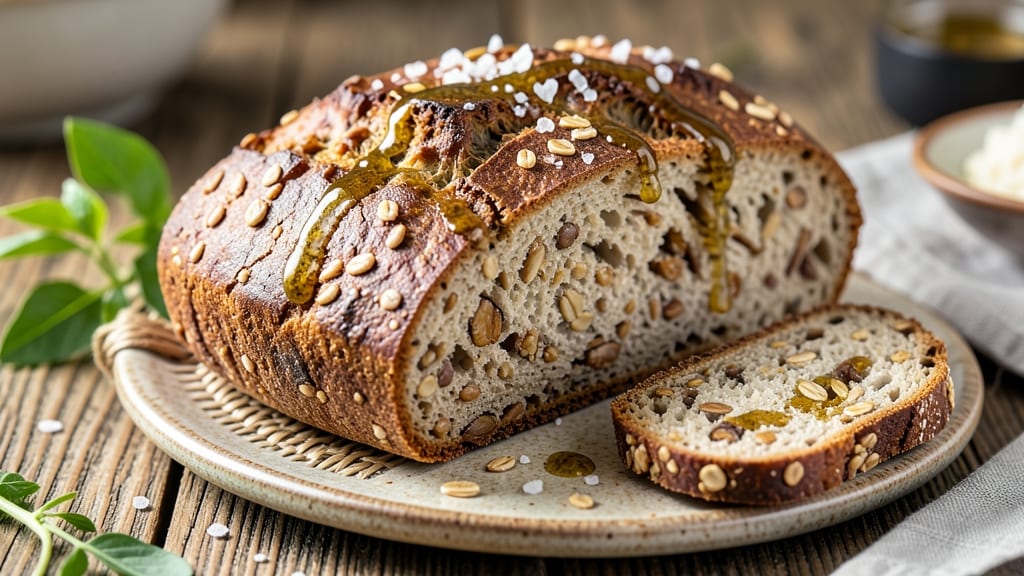
This 8-grain bread recipe transforms simple pantry staples into a loaf with a nutty, seedy crust and an open crumb so light it practically melts in your mouth. 🌟 I developed it after years of experimenting with whole-grain blends, and the result is a bread that's hearty enough for sandwiches but delicate enough to pair with soups.
The secret lies in balancing eight distinct grains—each contributing its own texture and flavor—while keeping the dough manageable for home bakers.
The dough starts with a mix of whole wheat, rye, barley, millet, oats, spelt, kamut, and amaranth, creating a complex flavor profile that's earthy, slightly sweet, and packed with nuttiness.
Unlike dense whole-grain breads, this recipe uses a longer fermentation and precise hydration to achieve that signature open crumb, with pockets of air that make every bite feel luxurious. The crust develops a crispy, golden-brown exterior studded with seeds, while the interior remains tender and moist.
Baking this bread is a foolproof process—no fancy equipment required. You'll mix the dough, let it rise twice (once cold overnight for flavor development), shape it into a classic loaf or rolls, and bake at 375°F for 35-40 minutes.
The aroma alone will fill your kitchen with warmth, and the texture? Crispy on the outside, soft and airy inside, with each grain adding its own subtle crunch. This is the kind of bread that makes you want to slice it just to admire the crumb structure.
Once cooled, this bread stays fresh for 4-5 days at room temperature or can be frozen for up to 3 months. Toast it for breakfast, use it for sandwiches, or serve it warm with butter and honey.
The possibilities are endless, but the effort? Worth every minute for a loaf that tastes like a bakery secret. Let’s get started on making this masterpiece.
Ingredients for 8 grain bread
Eight grains, one dough—transforming your pantry into bakery magic.
| Ingredient | Amount | Notes |
|---|---|---|
| Whole Wheat Flour 🌾 | 1 ½ cups | Unbleached for best texture |
| Rye Flour 🌾 | ½ cup | Dark rye for deep flavor |
| Barley Flour 🌾 | ¼ cup | Pearled or whole grain |
| Millet Flour 🌾 | ¼ cup | Lightly toasted for nuttiness |
| Oat Flakes 🌾 | ½ cup | Steel-cut preferred, coarsely ground |
| Spelt Flour 🌾 | ¼ cup | Stone-ground for authenticity |
| Kamut Flour 🌾 | ¼ cup | Lightly toasted for depth |
| Amaranth Flour 🌾 | ¼ cup | Finely ground for smooth texture |
| Active Dry Yeast 🍞 | ¾ tsp | Freshly opened for best rise |
| Honey 🍯 | 1 tbsp | Wildflower preferred |
| Unsalted Butter 🧈 | ½ cup | Softened for easy mixing |
| Warm Water 💧 | 1 ½ cups | 110°F for ideal yeast activation |
| Sunflower Seeds 🌻 | ¼ cup | Toasted for enhanced crunch |
| Sesame Seeds 🌻 | 2 tbsp | White or black variety |
| Flaxseeds 🌾 | 2 tbsp | Ground for binding |
| Sea Salt 🧂 | 1 ½ tsp | Diamond Crystal preferred |
| Cornmeal 🌽 | 1 tbsp | For dusting baking sheet |
The grains are the heart of this loaf, so King Arthur Flour or Bob’s Red Mill are your best bets for consistent quality. If you're buying whole grains like oats or amaranth, toast them lightly in a dry pan before grinding—this deepens their nutty flavor. For flours, stone-ground varieties add complexity, but pre-ground works fine. Pro tip: measure by weight if you have a kitchen scale—it's far more accurate than volume. The yeast? Fresh is non-negotiable—check the expiration date and store any opened packages in the freezer for future use.
No kamut flour? Substitute with extra spelt or whole wheat—it won't be identical, but the texture stays close. Running short on sesame seeds? Poppy seeds or pumpkin seeds work beautifully, though the flavor shifts slightly. For a quicker version, instant yeast can replace active dry at the same amount, but reduce the honey by 1 tsp. The butter can be swapped for vegetable oil or melted coconut oil, though it'll affect the crust's richness. And if you're worried about gluten, this blend is naturally lower than traditional bread flour but still contains gluten from the wheat and spelt.
This dough is a patient one—ferment overnight in the fridge for maximum flavor development. Store any unused flour blends in airtight containers for up to 3 months, while seeds keep for 6 months in a cool, dark place. The baked loaf stays fresh for 4-5 days at room temperature, wrapped in a clean kitchen towel. For longer storage, slice and freeze portions for up to 3 months—perfect for quick toast. And if you're making multiple loaves, preheat your oven for 30 minutes to maintain consistent temperature during baking.
Why You'll Love This Recipe
- I’ll be real: this uses flours I already have. No specialty trips, no wasted ingredients. The oat flakes add texture without cost, and the whole wheat keeps it hearty. Budget-friendly? Absolutely. Worth it? Even more so.
- No-Knead Magic: I swear, this dough comes together in minutes—just mix, let it rise overnight, and bake. That’s it. No standing at the counter, no fancy equipment, just pure, lazy baking.
- Earthy, Nutty Crunch: The rye and barley give it a deep, almost toasty flavor, while the millet adds a subtle sweetness. Toast a slice, slather with butter, and you’ll see what I mean—it’s ridiculously good right out of the oven.
- Meal Prep MVP: Between us, this bread is my secret weapon for busy weeks. It freezes like a dream, toasts up fresh, and pairs with everything—soups, sandwiches, even as a side for dinner. Literally one batch lasts my family a week.
Step-by-step instructions for 8-Grain bread
Here's how to craft a rustic, nutty, and seedy loaf that'll wow your kitchen.
👨🍳 Step 1: Activate the Yeast and Mix the Dough
In a large mixing bowl, combine the 1.5 cups warm water (around 110°F) with the 1 tbsp honey and 0.75 tsp active dry yeast. Let this sit for 5-10 minutes until it becomes frothy—this confirms your yeast is alive and ready to work. If it doesn't bubble, start fresh with new yeast.
Next, add the 0.5 cup unsalted butter, 1.5 tsp sea salt, and the 0.5 cup oat flakes to the bowl. Mix these together until the butter is fully incorporated and the oats are evenly distributed. The butter should soften slightly from the warm water, making mixing easier. This base layer sets the stage for the complex flavors to come.
👨🍳 Step 2: Combine Dry Ingredients for Depth of Flavor
In a separate bowl, whisk together the 1.5 cups whole wheat flour, 0.5 cup rye flour, 0.25 cup barley flour, 0.25 cup millet flour, 0.25 cup spelt flour, 0.25 cup kamut flour, and 0.25 cup amaranth flour. This blend of ancient and modern grains creates a rich, nutty profile that’s both hearty and delicate. Sift the mixture lightly to aerate the flours and remove any lumps.
Gradually add the dry ingredients to the wet mixture, mixing on low speed with a dough hook attachment (or by hand) until a shaggy dough forms. This step is where the magic happens—the flours absorb the moisture, and the butter begins to emulsify, creating a cohesive base. If the dough feels too sticky, add 1-2 tablespoons of the flour mixture back in until it comes together just short of being too dry.
🥘 Step 3: Knead and Develop Gluten for Structure
Knead the dough for 8-10 minutes by hand or 5-7 minutes with a stand mixer on medium speed. You're looking for a smooth, elastic dough that springs back when poked—this indicates proper gluten development, which gives your bread its structure. If the dough feels too slack or sticky, add 1 tablespoon of flour at a time until it behaves. Over-kneading can make the bread tough, so stop as soon as it passes the "windowpane test" (stretch a small piece thin enough to see light through it).
Once kneaded, place the dough in a lightly oiled bowl, cover it with a damp towel, and let it rise in a warm place for 1-2 hours, or until it has nearly doubled in size. The dough should feel light and airy, with a slight jiggle when shaken gently. This first rise is crucial—it allows the yeast to ferment and develop flavor.
🔥 Step 4: Shape and Second Rise for Open Crumb
Punch down the risen dough to release air, then turn it out onto a lightly floured surface. Gently shape it into a loaf form, tucking the edges under to seal. Place the shaped loaf seam-side down in a 9x5-inch loaf pan that’s been lightly dusted with 1 tbsp cornmeal to prevent sticking. The cornmeal adds a subtle crunch and helps with release.
Cover the loaf pan with a towel and let it rise again for 30-45 minutes, until it’s puffy and just about reaches the top of the pan. Preheat your oven to 375°F during the final rise—this ensures the dough goes straight into a hot oven for an even bake. The second rise is shorter but critical for achieving that coveted open crumb structure.
🔥 Step 5: Bake to Golden Perfection
Bake the loaf for 35-40 minutes, until the top is deep golden brown and sounds hollow when tapped on the bottom. If the top browns too quickly, tent the loaf with foil to prevent over-browning while it finishes baking inside. The internal temperature should reach 190-200°F—this ensures the bread is fully baked and safe to eat.
Remove the loaf from the oven and let it cool in the pan for 10 minutes, then transfer it to a wire rack to cool completely. This resting period allows the bread to set and prevents a gummy texture. Once cooled, slice into ½-inch thick pieces to reveal the open, nutty crumb and sprinkle with 2 tbsp sesame seeds and 2 tbsp flaxseeds for added texture and flavor. Serve warm with butter or your favorite jam for the ultimate rustic experience.
Pro Tips For Making 8 Grain Bread
- STEAM THE OATS: Don’t just toss in raw oat flakes—they’ll turn your dough into a gummy mess. Toast them lightly in a dry pan for 3–4 minutes until golden, then cool completely before mixing. This toasts out their raw edge and prevents a dense, gluey crumb (I learned this after two batches that tasted like oatmeal).
- WEIGH YOUR FLOURS: Scooping rye, barley, and millet flours by volume leads to uneven ratios and a bread that’s either too dense or crumbly. Use a kitchen scale—whole wheat and rye especially pack differently. A 1% variance in millet flour (the lightest) makes a noticeable difference in texture.
- KNEAD JUST ENOUGH: This isn’t a baguette—overworking the dough with all those flours will break down the gluten and turn your bread into a sad, flat brick. Aim for 5–7 minutes by hand (or 3–4 on low speed) until the dough is smooth but still slightly tacky. Stop when it springs back slowly, not snaps.
- ADD HYDRATION IN STAGES: Barley and millet flours soak up water like sponges, but rye and oats can make the dough too sticky too fast. Mix dry ingredients first, then add water gradually—about 2 tablespoons at a time—until the dough just comes together. If it’s still sticky, let it rest 10 minutes before adding more; rushing leads to a gummy loaf.
Creative variations of 8 grain bread
Herb-Infused Twist
Swap out 2 tbsp of the whole wheat flour for 1 tbsp dried rosemary and 1 tbsp dried thyme before mixing with the wet ingredients. These herbs add a fragrant, earthy depth that pairs beautifully with the grains.
For a fresh twist, fold in ¼ cup finely chopped fresh rosemary after the first rise—it’ll release its oils during baking, creating a fragrant crust. 🌿
Sweet Cinnamon Swirl
Add 1 tbsp ground cinnamon and 1 tbsp brown sugar to the wet ingredients, then roll the dough into a log shape before placing it in the pan. Use a knife to make 3-4 shallow cuts along the top and press in ½ cup chopped walnuts for texture.
This variation is perfect for breakfast toast or French toast—just brush with butter and sprinkle with cinnamon sugar after baking. 🍯
Savory Cheese Loaf
Reduce the warm water by ¼ cup and stir in ½ cup crumbled goat cheese or sharp cheddar after mixing the wet ingredients. The cheese melts during baking, creating pockets of creamy richness.
Top the loaf with 2 tbsp grated Parmesan before baking for an extra cheesy crust. This version is ideal for hearty sandwiches or pairing with soups. 🧀
Whole-Grain Rolls
Instead of a loaf, divide the dough into 8 equal balls (about 4 oz each) after the first rise. Place them in a greased 9x13-inch baking pan, cover, and let rise for 30 minutes**.
Bake at 375°F for 20-25 minutes until golden. Brush warm rolls with garlic butter and sprinkle with flaky sea salt for a restaurant-worthy appetizer. 🍞
Gluten-Free Adaptation
Replace ½ cup whole wheat flour with ½ cup gluten-free all-purpose flour blend (like Bob’s Red Mill 1:1) and add 1 tsp xanthan gum to the dry ingredients. The texture will be slightly denser, but still delicious.
For extra binding, increase the ground flaxseeds to 3 tbsp. This version works well for those with gluten sensitivities but still delivers that nutty, seedy goodness. 🌾
Seeded Topping Bar
After baking, set up a topping station with toasted pumpkin seeds, crushed pistachios, hemp seeds, and everything bagel seasoning. Let guests sprinkle their own toppings on warm slices for a customizable experience. This interactive twist makes the bread perfect for gatherings or brunch spreads. 🌻
Nutrition facts
Frequently asked questions
Why does this recipe use eight different grains?
Each grain contributes unique texture and flavor—whole wheat adds heartiness, rye deepens the earthiness, and millet brings sweetness. The combination creates a complex, nutty profile while balancing density. Using multiple grains also boosts nutritional value with varied fiber and protein content compared to single-grain breads.
Can I make this bread without a stand mixer?
This dough is perfectly manageable by hand. Knead for 8-10 minutes on a lightly floured surface until smooth and elastic. The key is consistent pressure—press, fold, and turn the dough to develop gluten properly. For extra strength, use a dough scraper to help with the stretching motion.
What's the best way to store leftover bread?
Wrap cooled bread tightly in a clean kitchen towel or beeswax wrap to maintain freshness for 4-5 days at room temperature. For longer storage, slice and freeze portions for up to 3 months. Thaw at room temperature before toasting—microwaving can make the crust soggy.
How do I know when the bread is fully baked?
Look for three signs: the crust should be deep golden brown, tapping the bottom should sound hollow, and the internal temperature should reach 190-200°F. A toothpick inserted should come out clean with just a few moist crumbs—never wet dough. If the top browns too quickly, tent with foil for the final 10 minutes.
Can I substitute any of the grains?
Yes, but balance is key. For example, swap kamut for extra spelt or rye for einkorn. Avoid removing grains completely—this maintains the open crumb structure. If substituting, reduce total flour by 1-2 tablespoons to account for differences in density. Toasting whole grains before grinding enhances flavor significantly.