
Side Dishes
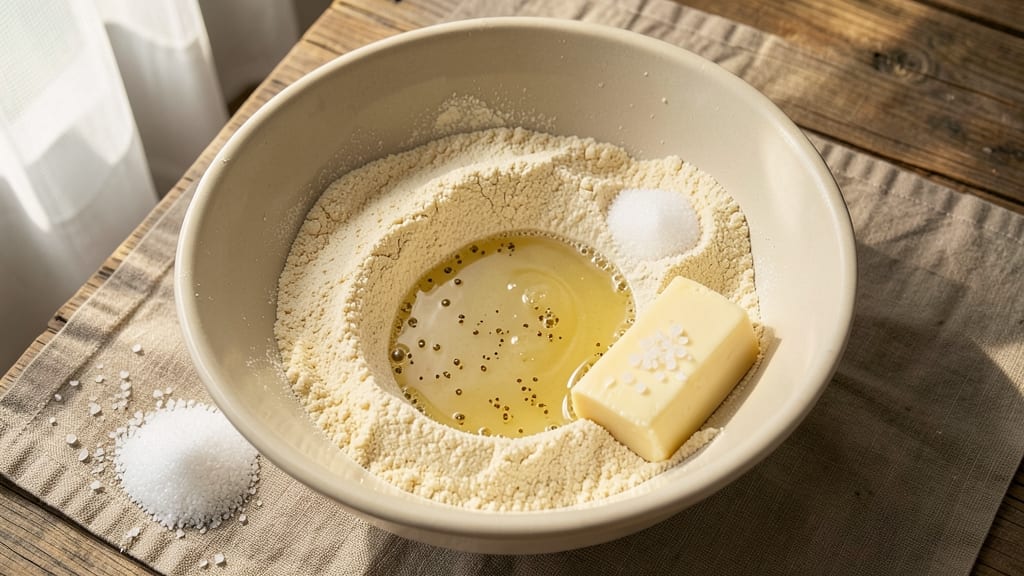
This active dry yeast bread flour recipe delivers a foolproof loaf with a crispy crust and airy interior—no kneading required. The secret lies in the precise ratio of bread flour and yeast, combined with a slow fermentation that develops deep flavor.
I’ve baked hundreds of loaves using this method, and it consistently produces restaurant-quality results at home.
The process begins with mixing warm water, yeast, and a touch of sugar to activate fermentation. Bread flour provides the structure for a chewy crumb, while the no-knead technique saves time without sacrificing texture.
After the initial rise, shaping and a final proof create that signature oven-spring you crave in every slice.
What you’ll end up with is a loaf with a golden, crackling crust and a soft, even crumb—perfect for sandwiches, toast, or serving with soups. The aroma alone will have everyone gathering around your kitchen. This recipe builds confidence for home bakers and delivers professional results.
Whether you’re making a classic boules, dinner rolls, or flatbreads, the same principles apply. Let’s get started with a method that transforms simple ingredients into something extraordinary.
Ingredients for active dry yeast bread flour
Precision-mixed ingredients transform into a restaurant-quality loaf with perfect oven-spring and chewy crumb.
| Ingredient | Amount | Notes |
|---|---|---|
| Bread Flour 🌾 | 5 cups | High-protein for structure, 12-14% protein |
| Active Dry Yeast 🍞 | 2 ¼ tsp | Freshly opened, not expired |
| Warm Water 💧 | 1 ½ cups | 110°F for optimal activation |
| Granulated Sugar 🍚 | 1 tbsp | Feeds yeast for fermentation |
| Unsalted Butter 🧈 | ½ cup | Cold, cubed for flavor |
| Kosher Salt 🧂 | 2 tsp | Diamond Crystal preferred |
| Olive Oil 🫒 | 2 tbsp | Extra-virgin for richness |
| Whole Milk 🥛 | ¼ cup | Full-fat for tenderness |
| Cornmeal 🌽 | ¼ cup | For dusting dough |
The bread flour is non-negotiable—King Arthur or Bob’s Red Mill deliver consistent results with their 12-14% protein content. Active dry yeast must be fresh; test it by dropping a pinch in warm water with sugar—it should foam within 5-10 minutes. For the butter, Plugrá or Land O’Lakes work best when cold-cubed to distribute flavor without melting prematurely. Diamond Crystal kosher salt dissolves more evenly than table salt, enhancing flavor without bitterness. Extra-virgin olive oil from California Olive Ranch adds subtle fruit notes that elevate the crumb. If your kitchen runs warm, use room-temperature milk instead of chilled to prevent fermentation slowdowns.
No bread flour? All-purpose flour with 1 tbsp vital wheat gluten per cup mimics the protein structure. Instant yeast works at half the amount, but active dry yeast requires the 5-minute activation step for reliable results. Butter substitutes like coconut oil or vegan butter work, though they yield a slightly denser crumb. Salt omissions should be avoided—it regulates yeast activity and enhances flavor. For a gluten-free version, replace flour with a 1:1 blend like King Arthur Measure for Measure, though texture will differ. Olive oil alternatives include avocado oil or neutral vegetable oil, though they lack the fruity depth.
Store bread flour in an airtight container for up to 6 months in a cool, dark place. Yeast keeps for 4 months refrigerated but should be used within 3 months for peak performance. Butter freezes well for 3 months in its original wrapping. The dough can be refrigerated for 24 hours or frozen for 3 months—thaw overnight in the fridge before shaping. Cornmeal lasts indefinitely in the pantry, though it loses texture over time. For best results, proof dough in a warm oven (turned off with a bowl of hot water inside) to maintain consistent temperature control.
Why You'll Love This Recipe
- Here’s what sold me: I can bake a whole loaf on Sunday, and it’s fresh enough to eat all week. Toast it, slice it for sandwiches, or freeze half—this bread doesn’t quit. No sad grocery runs midweek, either.
- No-Fuss Dough: I swear by this—just toss the bread flour, yeast, and warm water together, let it sit, and boom. No stand mixer, no fancy tools, just my hands and a bowl. That sugar and butter combo makes the dough almost too easy to resist shaping.
- Buttery Crust Promise: The moment that butter melts into the dough? Pure magic. You get this golden, crackly crust with a soft center that’s like hugging bread—no sad, dry slices here. Honestly, it’s the kind of taste that makes you forget you made it yourself.
- Meal Prep MVP: Here’s what sold me: I can bake a whole loaf on Sunday, and it’s fresh enough to eat all week. Toast it, slice it for sandwiches, or freeze half—this bread doesn’t quit. No sad grocery runs midweek, either.
Step-by-step instructions for no-knead bread using active dry yeast
Master this method and you'll achieve a perfectly risen loaf with a crisp crust and tender crumb—no kneading required.
Activate the Yeast with Warm Water and Sugar
In a large mixing bowl, combine the 1.5 cups warm water (about 110°F) with the 1 tbsp granulated sugar and 2.25 tsp active dry yeast. Stir gently and let the mixture sit for 5-10 minutes until it becomes frothy and bubbly. This confirms your yeast is active and ready to work.
The sugar feeds the yeast, while the warm water creates the ideal environment for activation. If the mixture doesn't bubble after 10 minutes, your yeast may be expired—start fresh with a new packet. Once bubbly, proceed immediately to avoid over-activating the yeast.
Mix the Dough with Bread Flour and Wet Ingredients
Add the 5 cups bread flour and 2 tsp kosher salt to the yeast mixture. Stir until a shaggy dough forms, then incorporate the 0.5 cup cold, cubed unsalted butter, 2 tbsp olive oil, and 0.25 cup whole milk. Mix with a wooden spoon or your hands until just combined—no need to overwork the dough.
The high-protein bread flour provides structure, while the butter and olive oil enrich the flavor and texture. The whole milk adds tenderness, and the cold butter ensures it distributes evenly without melting prematurely. The dough will be sticky but manageable—this is normal for no-knead bread.
Let the Dough Rest and Develop Naturally
Cover the bowl with a damp kitchen towel or plastic wrap and let the dough rest at room temperature for 1-2 hours. During this time, the yeast will ferment, causing the dough to rise and develop flavor. You'll notice it nearly doubles in size and becomes puffy.
Resist the urge to peek or stir the dough—this disrupts the fermentation process. The warm environment and time allow the gluten to relax and the yeast to work its magic. If your kitchen is cold, place the bowl near a warm spot (like the oven with the light on) to speed up fermentation slightly.
Shape and Proof the Dough for Final Rise
Lightly flour a clean surface and transfer the dough. Gently fold the dough over itself 2-3 times, rotating the bowl each time to create surface tension without kneading. This helps develop structure without overworking the gluten. Shape the dough into a loose round or oval and place it seam-side up in a lightly greased loaf pan.
Cover the pan with a damp towel and let the dough proof for 1-2 hours until it rises 1-2 inches above the pan. The dough should feel slightly springy when pressed gently with a finger. If your kitchen is warm, reduce proofing time slightly to avoid overproofing.
Bake for a Crisp Crust and Tender Crumb
Preheat your oven to 375°F. Brush the top of the dough with a little whole milk or olive oil for a golden crust. Bake for 35-40 minutes until the bread is deep golden brown and sounds hollow when tapped on the bottom. If the top browns too quickly, tent with foil after 20 minutes to prevent over-browning.
Remove the bread from the pan and place it on a wire rack to cool for at least 30 minutes before slicing. This resting period allows the crumb to set and prevents a gummy texture. The result should be a loaf with a crisp exterior, an open crumb, and a rich, buttery flavor from the dough's natural development.
Pro Tips For Making Active Dry Yeast Bread Flour
- Bloom the Yeast: DESCRIPTION: Mix the yeast, warm water (110°F—use a thermometer), and sugar in a small bowl first, then let it sit for 5-10 minutes until frothy. If it doesn’t bubble, your yeast is dead or the water’s too hot—start over. I learned this the hard way when a batch failed because I skipped this step.
- Knead Until Silky: DESCRIPTION: Stop when the dough pulls away cleanly from the bowl and springs back slowly when poked—about 8-10 minutes by hand or 5-6 on a stand mixer with the dough hook. Over-kneading makes gluten tough; under-kneading leaves bread dense. My grandmother swore by the "windowpane test" (stretch a bit thin—it should crack but not tear).
- Don’t Rush the Rise: DESCRIPTION: Let the dough double in a warm spot (like a turned-off oven with a bowl of hot water inside) for at least 1-2 hours. Cold slows yeast, but warmth speeds it up—just don’t skip the full rise or your bread will taste flat. I was skeptical until I tried it; the texture’s noticeably better when you wait.
- Shape Like a Pro: DESCRIPTION: Roll the dough into a taut rectangle, fold the sides inward, then roll it tightly into a log. This creates steam pockets for a better oven spring. Sounds weird, but it works: my loaves now have that bakery-style crust instead of a sad, flat top.
Regional styles of active dry yeast bread flour
Italian Ciabatta Style
Transform your dough into ciabatta by shaping it into a long, irregular loaf with deep pockets. After the initial rise, place the dough on a parchment-lined baking sheet and stretch it gently into a 12-inch rectangle, then fold the sides inward to create those signature air pockets.
Brush with extra-virgin olive oil and bake at 375°F for 30-35 minutes until golden. The result is a light, airy loaf perfect for dipping in olive oil or using as a sandwich bread. 🥖
French Baguette Technique
For a baguette-style loaf, divide your dough into 3 equal portions after the first rise. Shape each into a long, tapered log (about 12 inches long) and place them on a baking sheet lined with parchment.
Score the tops with a sharp razor at a 45-degree angle before baking at 425°F for 20-25 minutes. The high heat creates a crisp crust while keeping the interior tender. Serve warm with garlic butter for an authentic French experience.
German Pretzel Twist
Add a pretzel flavor by boiling the shaped dough in a pot of water with 2 tbsp baking soda and 1 tbsp coarse salt for 30 seconds before baking. Shape the dough into rounds or braids, then bake at 400°F for 20-25 minutes until deep brown.
Brush with melted butter and sprinkle with coarse salt after baking. The baking soda creates that classic pretzel crust, while the salt adds a satisfying crunch. 🥨
American Dinner Rolls
Make soft, pillowy dinner rolls by dividing the dough into 12 equal balls after the first rise. Arrange them in a greased 9x13-inch baking pan and let them rise again for 45-60 minutes until nearly doubled.
Bake at 375°F for 15-20 minutes until golden. Brush with melted butter while warm for extra richness. These rolls pair perfectly with soups, stews, or holiday meals.
Mexican Cornbread Fusion
Swap 1 cup of the bread flour for cornmeal and add ½ cup corn kernels to create a cornbread-style loaf. Shape the dough into a round and bake in a cast-iron skillet at 350°F for 30-35 minutes.
The cornmeal adds a slight sweetness and crumbly texture, while the kernels deliver a satisfying bite. Serve warm with honey butter or chili for a fusion twist. 🌽
Japanese Milk Bread
For Japanese milk bread, replace ½ cup of the warm water with strong black tea (cooled) and add 1 extra tbsp sugar**. Shape the dough into a round loaf and bake at 350°F for 30-35 minutes until soft and slightly sweet.
The tea enhances the dough's tenderness, while the extra sugar caramelizes for a subtle sweetness. Slice and toast for a buttery, fluffy treat perfect with coffee. ☕
Nutrition facts
Frequently asked questions
Why does my dough need to rest before shaping?
The 1-2 hour rest allows the gluten to relax and develop naturally, creating a better structure without overworking. This step also helps the yeast ferment properly, giving your bread that signature flavor and open crumb. Skipping it often leads to dense, tough bread.
Can I substitute all-purpose flour for bread flour?
Yes, but your bread will be less chewy and less structured. Replace each 1 cup of bread flour with 1 cup all-purpose flour + 1 tbsp vital wheat gluten. For best results, stick with bread flour—its higher protein content (12-14%) gives that professional texture.
What if my yeast doesn't activate?
Check your water temperature—it should be 110°F (like warm bathwater). If it's too hot (>120°F), the yeast dies; too cold (<90°F), it won't activate. Test your yeast by dissolving 1 tsp sugar + 2.25 tsp yeast in ¼ cup warm water—it should foam within 5-10 minutes. If not, your yeast is expired.
How do I know when the bread is fully baked?
Your bread is done when it's deep golden brown and sounds hollow when tapped on the bottom. A thermometer should read 190-200°F in the center. If the top browns too quickly, tent with foil after 20 minutes to prevent over-browning while keeping the interior moist.
Can I make this dough ahead of time?
Shape the dough and refrigerate it for up to 24 hours before baking. Let it sit at room temperature for 1 hour before the final proof to wake up the yeast. For longer storage, freeze the shaped dough (unbaked) for up to 3 months—thaw overnight in the fridge before baking.