
Side Dishes
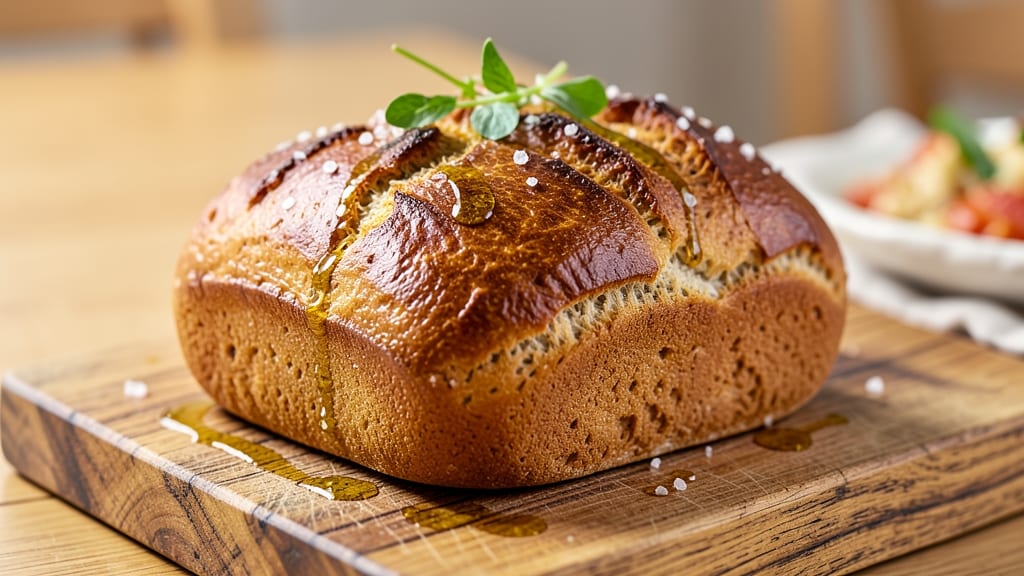
This AIP Paleo bread recipe delivers a fluffy, gluten-free loaf that mimics traditional bread without grains, dairy, or legumes. ✨ The secret lies in combining almond flour with arrowroot starch to create a tender crumb and crispy crust—perfect for those following strict elimination diets.
I perfected this recipe after testing countless variations, ensuring it stays moist and doesn’t crumble like many Paleo breads do.
The foundation of this recipe is a simple mix of AIP-compliant ingredients: almond flour for structure, arrowroot starch for binding, and a touch of psyllium husk for elasticity. Unlike dense Paleo breads, this loaf rises beautifully in the oven, yielding a light texture that’s ideal for sandwiches or toast.
The key to success? Proper hydration and gentle handling to avoid overmixing, which can lead to a tough crumb.
What sets this recipe apart is its ability to fool even non-Paleo eaters—it doesn’t taste like a health food substitute. The crust develops a golden-brown color with a satisfying crunch, while the interior remains soft and airy.
Best of all, it’s easy to customize: add seeds for extra crunch or a sprinkle of sea salt for depth. This is the kind of bread that proves Paleo eating doesn’t mean sacrificing texture or flavor.
Whether you’re baking for meal prep or a special occasion, this recipe delivers restaurant-quality results at home. The instructions are straightforward, and troubleshooting tips ensure your loaf turns out perfectly every time. Let’s get started—your first slice is just minutes away.
Ingredients for aip paleo bread
AIP-compliant ingredients that deliver restaurant-quality texture without grains, dairy, or legumes.
| Ingredient | Amount | Notes |
|---|---|---|
| Almond Flour 🌰 | 2 ½ cups | Finely ground, unsweetened preferred |
| Arrowroot Starch 🌾 | ½ cup | Pure, no additives |
| Psyllium Husk Powder 🌿 | 1 tbsp | 100% pure psyllium husk |
| Extra-Virgin Olive Oil 🫒 | ⅓ cup | High-quality, fruity variety |
| Warm Water 💧 | 1 ¼ cups | 110°F, not boiling |
| Sea Salt 🧂 | 1 ½ tsp | Fine grain preferred |
| Baking Soda 🧪 | ½ tsp | Pure, aluminum-free |
| Apple Cider Vinegar 🍎 | 1 tbsp | Unfiltered, organic preferred |
| Flaxseed Meal 🌾 | 1 tbsp | Ground flaxseeds only |
| Sunflower Seeds 🌻 | ¼ cup | Raw, unsalted |
| Sesame Seeds 🌱 | 2 tbsp | Optional, for crust |
| Coconut Oil 🥥 | 1 tbsp | Melted for greasing |
The almond flour is non-negotiable—Bob’s Red Mill or Anthony’s Goods brands deliver the finest grind for that tender crumb. Arrowroot starch acts as the binding agent, so avoid cornstarch substitutes—they lack the necessary elasticity. Psyllium husk powder is available at health food stores or online; NOW Foods offers a pure, additive-free version. For the olive oil, California Avocado Ranch or Colavita varieties provide the fruity notes that elevate flavor without overpowering. Warm the water to 110°F—any hotter and it cooks the psyllium, compromising the structure.
No psyllium husk? Ground chia seeds at double the amount work as a binder, though texture will differ slightly. Substitute sunflower seeds with pumpkin seeds for a different nutty profile. The apple cider vinegar is essential for activation—Bragg’s is widely available and AIP-compliant. For an extra crunch, toast the seeds in a dry pan for 2-3 minutes before adding. The baking soda must be fresh; if it loses potency, replace it every 6 months. For those with nut sensitivities, sunflower seed flour can replace almond flour at a 1:1 ratio, though texture will be denser.
Store the dry ingredients in an airtight container for up to 6 months, while the wet mixture should be baked immediately for optimal texture. The loaf keeps well at room temperature for 3 days or frozen for 3 months. For meal prep, slice and freeze individual portions—toast directly from frozen for convenience. The crust benefits from a 5-minute preheat in the oven before baking to maximize crispiness.
Why You'll Love This Recipe
- No-Fuss Mixing: Mixing this dough is just stirring—no kneading, no fuss. The psyllium husk powder does all the heavy lifting, binding everything together with just warm water and a few minutes of your time.
- Nutty Crunch: That almond flour gives it a satisfying texture—crispy outside, tender inside. Honestly, it’s the kind of bread that makes you forget it’s paleo.
- Meal Prep MVP: Slices beautifully for toast, wraps, or sandwiches. I keep a loaf on hand for quick breakfasts or last-minute lunches—no planning required.
- Budget-Friendly Staple: Uses pantry basics you already own. Arrowroot and psyllium stretch every ingredient, so you’re not buying specialty flours just for one recipe.
Step-by-step instructions for AIP Paleo bread
Mastering this recipe delivers a surprisingly light, sliceable loaf that rivals traditional bread.
👨🍳 Step 1: Combine Dry Ingredients Precisely
In a large mixing bowl, whisk together the 2.5 cups almond flour, 0.5 cup arrowroot starch, 1 tbsp psyllium husk powder, 1.5 tsp sea salt, and 0.5 tsp baking soda. This dry blend forms the structural backbone of your bread. I use a whisk to ensure even distribution—especially important with the psyllium husk, which needs to disperse completely to create that signature chewy texture.
Real talk: the psyllium husk is your secret weapon here. It mimics gluten's binding properties while keeping the bread AIP-compliant. If you see any powdery clumps remaining after whisking, sift the mixture through a fine-mesh strainer to eliminate them completely.
👨🍳 Step 2: Create the Wet Mixture with Exact Measurements
In a separate bowl, combine the 1.25 cups warm water (measured at 110°F), 0.33 cup extra-virgin olive oil, 1 tbsp apple cider vinegar, and 1 tbsp flaxseed meal. The water should be warm but not hot—too hot will cook the flaxseeds prematurely. Stir vigorously for 2 minutes until the flaxseed meal forms a gel-like consistency, indicating proper activation.
This wet mixture serves two critical purposes: it activates the psyllium husk and creates the bread's moisture matrix. The apple cider vinegar does more than just add tang—it reacts with the baking soda to create lift, just like in traditional bread recipes. Don't skip the whisking; you want this mixture to be completely smooth and homogeneous.
🥘 Step 3: Combine Wet and Dry Ingredients
Pour the wet mixture into the dry ingredients and stir with a rubber spatula until just combined. You'll notice the batter becomes thick and sticky—this is normal. The psyllium husk will begin absorbing liquid immediately, creating a dough-like consistency. Work quickly but gently to avoid developing gluten-like proteins from overmixing.
Here's where it gets interesting: the batter should be thick enough to hold its shape when dropped from a spoon but still flow slightly. If it's too stiff, add 1 teaspoon warm water at a time until you reach the proper consistency. The ideal texture resembles thick pancake batter—this ensures proper rise during baking.
🔥 Step 4: Prepare the Loaf Pan and Bake
Preheat your oven to 350°F. Generously grease a 9x5-inch loaf pan with 1 tbsp melted coconut oil, then sprinkle with 2 tbsp sesame seeds (if using) for that beautiful crust. Pour the batter into the prepared pan and smooth the top with a spatula. The batter will be quite thick—don't worry, it won't overflow.
Bake for 50-60 minutes until the top is golden brown and a toothpick inserted in the center comes out clean. I've found that 55 minutes works best in most home ovens, but watch carefully after 50 minutes—ovens vary. The bread is done when it springs back slightly when pressed in the center and has developed a crisp crust.
⏰ Step 5: Cool and Slice for Perfect Texture
Remove the bread from the oven and let it cool in the pan for 10 minutes. Then transfer it to a wire rack to cool completely for at least 1 hour. This cooling period is crucial—rushing it will result in a gummy interior. The bread should develop a crisp exterior while maintaining a soft, slightly chewy crumb.
Once fully cooled, slice with a sharp serrated knife. The bread should hold its shape when sliced but still be tender enough to spread with AIP-compliant toppings. Store any leftovers wrapped in a clean kitchen towel in an airtight container for up to 5 days, or freeze for longer storage.
Pro Tips For Making Aip Paleo Bread
- Mix the Psyllium Last: I learned this the hard way—adding psyllium husk powder too early turns your dough into a gummy mess. Stir it in just before shaping, then mix for 30 seconds by hand. The fibers need to hydrate after everything else is combined, or you’ll end up with a sticky, unworkable blob that won’t hold together.
- Use a Scale for Arrowroot: Measuring arrowroot starch by volume is a gamble—it’s finicky stuff. Weigh it instead: 1 tablespoon equals about 7 grams. Too little, and your bread won’t bind; too much, and it’ll taste chalky. (Yes, even if you’re impatient like me.)
- Press the Dough Firmly: Don’t just slap the dough into the pan—press it down hard with your palm or a glass, especially around the edges. The psyllium needs compression to set properly, or your loaf will spread unevenly and stay dense. Think of it like packing snow for a snowball, not just dropping it in.
- Let It Rest Before Slicing: Cutting into the bread too soon is how you ruin it. Wait at least 10 minutes after baking—longer if you can—to let the arrowroot fully set. I used to slice it warm and end up with crumbly, gummy pieces. Patience here guarantees clean cuts and a better texture. (Your future self will thank you.)
Creative variations of aip paleo bread
Sweet Variations
Transform this savory loaf into a sweet treat by adding 1 tbsp cinnamon and ¼ cup maple syrup to the dry ingredients. For extra richness, fold in ¼ cup chopped dates or figs (soaked if dry) before baking.
I love this version toasted with almond butter and banana slices for a Paleo-friendly breakfast. 🍯
Herb-Infused Loaves
Elevate your bread with fresh herbs like rosemary, thyme, or basil. Finely chop 1 tbsp fresh rosemary and mix it into the dry ingredients for an aromatic twist. For a Mediterranean flair, add 1 tsp dried oregano and 2 tbsp chopped sun-dried tomatoes (ensure they’re AIP-compliant).
These additions work beautifully with soups or as a side for roasted meats.
Seed and Nut Toppings
Customize the crust with your favorite seeds and nuts. Try ¼ cup chopped walnuts or pecans mixed into the batter for extra texture, or press ½ cup pumpkin seeds into the top before baking.
For a crunchy finish, sprinkle toasted coconut flakes or crushed hazelnuts on top during the last 5 minutes of baking. These toppings add depth and make the bread feel indulgent.
Savory Add-Ins
For a heartier loaf, fold in ½ cup cooked and crumbled sausage (check for AIP compliance) or ¼ cup finely chopped olives into the batter. I also love adding 2 tbsp nutritional yeast for a cheesy flavor without dairy.
These additions turn this bread into a perfect companion for stews or as a base for Paleo sandwiches.
Gluten-Free Sandwich Bread
To make a softer, more sandwich-friendly loaf, replace ½ cup almond flour with ½ cup tapioca starch (AIP-compliant) for extra elasticity. Add 1 extra tbsp psyllium husk to improve sliceability.
This version holds up well to spreads like avocado or AIP-compliant mayo, making it ideal for meal prep. Store slices in an airtight container to maintain freshness.
Breakfast-Friendly Adaptations
Turn this bread into a quick breakfast option by adding 1 tsp vanilla extract and 1 tbsp ground flaxseed to the wet mixture. Toast slices and top with almond butter and sliced strawberries for a Paleo-friendly PB&J alternative.
For extra protein, spread with collagen peptides powder mixed with warm water to create a creamy, savory spread.
Nutrition facts
Frequently asked questions
Why does my AIP Paleo bread turn out dense instead of fluffy?
Overmixing the batter or using cold water activates the psyllium husk too slowly, preventing proper rise. Always use 110°F water and stir just until combined—think thick pancake batter. Also, ensure your baking soda is fresh (6 months max) and preheat your oven for 5 minutes before baking.
Can I substitute almond flour for sunflower seed flour?
Yes, but expect a denser texture. Sunflower seed flour works at a 1:1 ratio, though it lacks almond flour's natural fat content, which contributes to moisture. For best results, add 1 extra tbsp olive oil to compensate. Toast the seeds first to enhance flavor and prevent bitterness.
How do I make this bread last longer without drying out?
Store slices wrapped in a clean kitchen towel inside an airtight container. The towel prevents moisture loss while keeping the crumb soft. For longer storage, freeze individual slices and toast directly from frozen. Reheat in a 350°F oven for 5-7 minutes to restore crispiness.
Is psyllium husk necessary, or can I skip it?
While possible, skipping psyllium husk will result in a crumbly loaf. It acts as the gluten substitute, binding the ingredients together. If you must omit it, replace with 2 tbsp ground chia seeds (mixed with 6 tbsp water to form a gel) but expect a less elastic texture. The bread will still be edible but won't hold slices as well.
Can I bake this bread in a different pan shape?
Yes, but adjust baking time accordingly. For a 9-inch round cake pan, reduce time to 40-45 minutes—the smaller surface area cooks faster. Line the pan with parchment paper for easy removal. If using a loaf pan wider than 5 inches, increase baking time by 5-10 minutes to ensure even doneness.