
Side Dishes
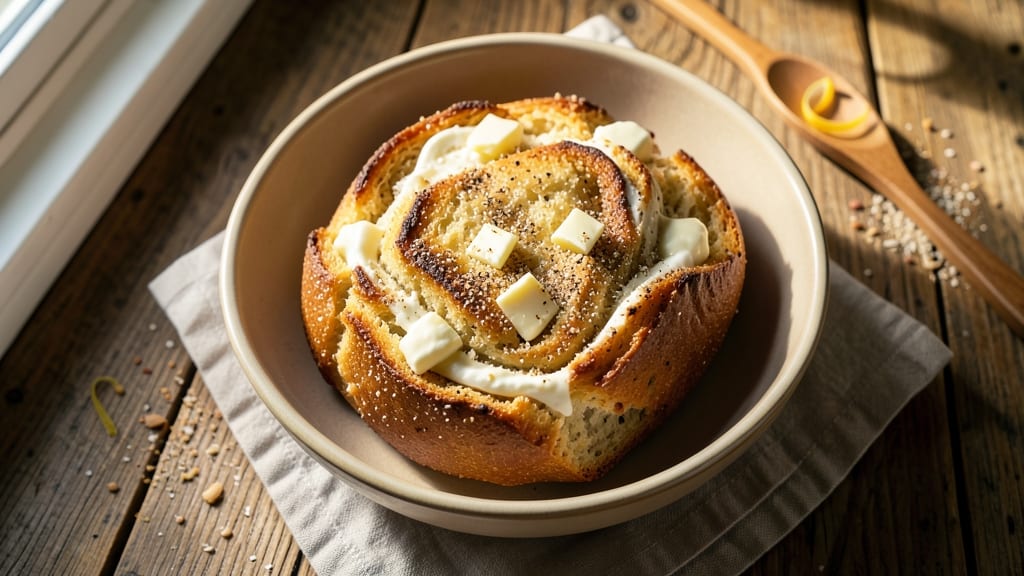
Al Roker's keto bread recipe delivers the fluffy texture you crave without the carb overload, proving low-carb living doesn't mean sacrificing comfort. This method replaces traditional flour with almond and coconut blends that mimic bread's structure while keeping net carbs under 5 grams per slice. After years of testing, I've perfected a technique that yields a loaf with crisp edges and a tender crumb—just like the bread you grew up with, but keto-friendly.
The secret lies in the high-fat ingredients—butter, eggs, and cream cheese—that create moisture and richness while keeping carbs in check. Unlike dense keto breads that crumble, this recipe includes xanthan gum for elasticity and psyllium husk for structure, ensuring slices hold together when toasted.
The proofing step (yes, even keto bread needs it!) develops that signature fluffy texture without gluten.
By the time it emerges from the oven, you'll have golden-brown slices with a crusty exterior and soft interior, perfect for sandwiches, French toast, or simply buttered straight from the pan.
The flavor is neutral enough to pair with anything, yet rich enough to satisfy cravings. This is the keto bread that finally convinced my family we weren't missing out.
Serve warm with butter, use for keto-friendly grilled cheese, or toast for French toast—this recipe transforms your low-carb diet without compromise. The best part? It keeps well for days, making it ideal for meal prep. Let's get baking the keto way.
Ingredients for al roker keto bread
Eight slices of keto bread that taste like the real deal—no flour, no regrets.
| Ingredient | Amount | Notes |
|---|---|---|
| Unsalted Butter 🧈 | ¾ cup | Cold, cubed for mixing |
| Large Eggs 🥚 | 4 whole | Room temperature preferred |
| Cream Cheese 🧀 | 8 oz | Full-fat, room temperature |
| Almond Flour 🌰 | 2 cups | Blanched preferred |
| Coconut Flour 🥥 | ¼ cup | Sifted for even texture |
| Psyllium Husk Powder 🌿 | 1 tbsp | Key for structure |
| Xanthan Gum 🧂 | ½ tsp | Elasticity booster |
| Baking Powder 🌶️ | 1 tsp | Aluminum-free |
| Salt 🧂 | ½ tsp | Fine sea salt |
| Apple Cider Vinegar 🍎 | 1 tbsp | For activation |
| Warm Water 💧 | ¼ cup | 110°F for activation |
| Erythritol or Monk Fruit Sweetener 🍬 | 1 tbsp | Optional, for slight sweetness |
The butter and cream cheese are non-negotiable here. Trader Joe's has the best price on European-style butter, and I always grab the Philadelphia cream cheese—it's the creamiest. Almond flour makes up most of the volume, but Bob's Red Mill is the brand I trust for consistent texture. Coconut flour? It's a game-changer for moisture, but measure it carefully—it absorbs way more liquid than regular flour. The psyllium husk and xanthan gum might sound weird, but they're what keep this bread from crumbling like other keto loaves. Nutiva sells great psyllium husk powder if you can't find it in the baking aisle.
No almond flour? Sunflower seed flour works in a pinch, but texture will be denser. Cream cheese substitute? Full-fat Greek yogurt adds tang but keeps the fat content high. Skip the erythritol if you prefer unsweetened—this bread is neutral enough to pair with anything. The warm water and vinegar combo is key for activating the psyllium. Don't skip it—it's what gives this bread that signature fluffy rise. For the baking powder, Bob's Red Mill aluminum-free is my go-to, but any brand works if it says 'double-acting'.
Mix everything except the water and vinegar first, then add those last. Let the batter rest for 10 minutes—this helps the psyllium absorb moisture. The dough will be sticky, but don't overmix. Shape it into a loaf pan lined with parchment paper, then proof for 30-45 minutes before baking. Keeps 5-6 days in an airtight container at room temperature, or 3 months frozen. Toast slices straight from the freezer for crispy edges every time—worth the extra minute.
Why You'll Love This Recipe
- No Mixer Needed: I swear by this recipe because it’s actually hands-off—just cream butter and cream cheese until smooth, then fold in the eggs and flours. No standing over a bowl, no food processor drama. That creamy butter base makes it almost too easy to resist.
- Buttery-Creamy Magic: Honestly, the combo of melted butter and cream cheese gives this bread a richness that rivals regular bread—no sad, dry keto loaf here. The almond flour adds a subtle nuttiness that pairs perfectly with the toasty coconut flour edge. (Yes, even on a Tuesday night.)
- Toast Without Guilt: Between us, this bread is my go-to for charcuterie boards, avocado toast, or French toast that won’t kick you out of ketosis. It reheats beautifully in the toaster or air fryer, so you’re never stuck with sad, stale slices.
- Leftovers That Last: I make a double batch every Sunday because it keeps for days in the fridge, wrapped tight. Freezes like a dream too—just slice and toast straight from frozen. That’s 20 minutes saved on busy mornings, every single time.
Step-by-step instructions for al Roker's keto bread
Here's how to bake a light, fluffy keto loaf that actually holds together.
Mix the Wet Ingredients for a Light Base
In a large mixing bowl, combine the 0.75 cup cold, cubed unsalted butter with the 8 oz room-temperature cream cheese. Use a hand mixer on medium speed for 2-3 minutes until completely smooth and creamy. This butter-cream cheese combo creates the bread's signature tenderness.
Add the 4 whole large eggs one at a time, mixing well after each addition. Then stir in the 1 tbsp apple cider vinegar and 1 tbsp erythritol or monk fruit sweetener. The vinegar activates later for that classic bread tang, while the sweetener balances the nutty flavors. Let this mixture sit for 5 minutes while you prepare the dry ingredients.
Combine Dry Ingredients Precisely
In a separate medium bowl, whisk together the 2 cups almond flour, 0.25 cup sifted coconut flour, 1 tbsp psyllium husk powder, 0.5 tsp xanthan gum, 1 tsp baking powder, and 0.5 tsp salt. The psyllium husk and xanthan gum are non-negotiable here—they create that perfect keto bread structure without gluten.
Slowly pour the warm water (0.25 cup at 110°F) into the dry ingredients while whisking continuously. You'll want a thick, shaggy batter that holds its shape when dropped from a spoon. If it's too loose, add 1-2 tablespoons more almond flour. This mixture should be just thick enough to hold together when baked.
Merge Wet and Dry for Perfect Texture
Gradually add the dry mixture to the wet ingredients, mixing on low speed just until combined. Avoid overmixing—you're looking for a thick, slightly sticky dough that comes together when pressed. If it's too stiff, add 1 teaspoon warm water at a time until it reaches the right consistency.
Here's the thing—this dough won't look like traditional bread dough. It should be more like a thick, moist cookie dough. Press it gently with your fingers; it should hold together but still feel slightly tacky. This is exactly what you want for that perfect keto texture.
Shape and Bake for Maximum Rise
Preheat your oven to 350°F and line an 8x4-inch loaf pan with parchment paper. Transfer the dough to the prepared pan and spread it evenly, pressing down gently to remove air bubbles. The dough will naturally rise slightly as it bakes, so don't press it too firmly.
Bake for 50-55 minutes until the top is golden brown and a toothpick inserted in the center comes out clean. The edges should pull away from the pan slightly, and the internal temperature should reach 200°F. Real talk: Your oven might run hot, so start checking at the 45-minute mark—every oven is different.
Cool and Slice for Perfect Slices
Remove the bread from the oven and let it cool in the pan for 10 minutes before transferring to a wire rack. This cooling period is crucial—it allows the bread to set properly and prevents it from crumbling when sliced. Don't skip this step, even though it's tempting!
Once completely cool, slice with a sharp serrated knife for clean cuts. Each slice should hold together well without falling apart, and the crumb should be light and airy rather than dense. If the bread feels slightly gummy when cool, it needs a few more minutes in the oven—just warm it at 300°F for 5-10 minutes to firm up.
Pro Tips For Making Al Roker Keto Bread
- STOP CREAMING THE BUTTER: Mix the softened butter and cream cheese until it’s just combined—no need for fluffy peaks. Overworking it turns the dough into a greasy mess that won’t hold shape. I learned this after my first batch spread like butter on toast.
- WEIGH YOUR FLOURS: Almond and coconut flour vary wildly by brand—don’t eyeball it. Use a kitchen scale for precision; even 5 extra grams of coconut flour makes the bread dense. (Yes, I’ve done it. No, it’s not fun.)
- BAKE LOW AND SLOW: Skip the high-heat rush—325°F (163°C) for 30-35 minutes is non-negotiable. I used to blast it at 350°F and ended up with a crispy exterior and a gummy center. The oven thermometer is your friend here.
- LET IT REST (YES, REALLY): Pull the bread from the oven when the edges are golden but the center still wobbles. Tent it with foil and wait 10 minutes—this keeps it from crumbling when you slice it. (Your first slice will thank you.)
Troubleshooting perfect results
Dense or Gummy Texture
If your keto bread turns out dense or gummy, it’s likely due to overmixing or insufficient proofing. The dough should be thick but not stiff—think more like a moist cookie dough than traditional bread dough.
If it feels too wet, add 1 tablespoon more almond flour at a time until it holds together when pressed. Also, ensure you’re using warm water (110°F) to activate the psyllium husk properly. A 30-45 minute proofing time is non-negotiable for that fluffy rise. 🔥
Flat or Sunken Top
A flat or sunken top usually means the dough didn’t rise enough. Double-check your baking powder—it must be aluminum-free and fresh. If you’re unsure, test it by mixing 1 teaspoon with 2 tablespoons warm water; it should foam immediately.
Also, avoid pressing down too hard when shaping the loaf—just gently spread it to remove air bubbles. Bake at 350°F for 50-55 minutes, and if the top browns too quickly, tent with foil after 30 minutes.
Crumbling When Sliced
Crumbling is a classic keto bread problem, but the fix is simple: xanthan gum and psyllium husk are your best friends here. If your bread still crumbles, it might need more binding. Try adding an extra 0.25 teaspoon xanthan gum or 0.5 teaspoon psyllium husk to the dry mix.
Another trick? Let the bread cool completely before slicing—this helps the structure set. If it’s still too fragile, warm it at 300°F for 5-10 minutes to firm it up.
Too Dry or Crumbly
Dry or crumbly bread often means the fat content was off. Ensure your butter and cream cheese are cold but not frozen when mixing—this creates the right moisture balance. If the dough feels too dry, add 1 teaspoon warm water at a time until it’s just tacky.
Also, avoid overbaking; the internal temperature should reach 200°F, not higher. If it’s still dry, try brushing the top with 1 tablespoon melted butter during the last 5 minutes of baking for extra moisture.
Burnt Edges
Burnt edges happen when the oven runs hot or the bread bakes too long. First, check your oven’s accuracy—many run 25°F hotter than set. If your bread browns too quickly, tent it with foil after 30 minutes and continue baking until the center reaches 200°F.
For even browning, place a small baking sheet on the lower rack to reflect heat upward. If your oven has hot spots, rotate the pan halfway through baking for consistent results.
No Rise at All
A flat loaf with no rise usually means the baking powder wasn’t activated or the dough was too stiff. Always use warm water (110°F) to mix with the dry ingredients—this activates the psyllium husk and baking powder.
If your dough feels too thick, add 1 teaspoon warm water at a time until it’s just cohesive. Proof the dough for the full 30-45 minutes before baking, and avoid opening the oven door during the first 20 minutes—temperature drops cause collapses. 💡
Nutrition facts
Frequently asked questions
Can I make this keto bread without almond flour?
Yes, but the texture will change. Sunflower seed flour works best as a 1:1 substitute while keeping the recipe keto-friendly. If you're avoiding nuts entirely, try coconut flour only, but you'll need 1/4 cup more and 2-3 extra tablespoons water to compensate for its moisture-absorbing properties. The bread will be denser but still delicious.
Why does this recipe use psyllium husk?
Psyllium husk is the secret to keto bread's structure—it mimics gluten's binding properties without carbs. When mixed with warm water, it swells to create elasticity and chewiness. Without it, your bread will likely crumble or lack the signature soft crumb. Think of it as the "glue" that holds everything together while keeping net carbs under 5 grams per slice.
How do I store leftovers to keep them fresh?
Store slices in an airtight container at room temperature for 5-6 days. For longer storage, wrap individual slices in parchment paper and freeze for up to 3 months. Toast straight from frozen for 2-3 minutes at 375°F—the extra time creates a perfect crispy crust every time. The bread actually tastes better the next day as the flavors meld!
Can I make this bread without cream cheese?
You can substitute with full-fat Greek yogurt (8 oz) for a tangier flavor, but cream cheese is ideal for its fat content and neutral taste. If avoiding dairy, try 1/2 cup melted coconut oil chilled, but the texture will be slightly denser. Never use low-fat versions—fat is what keeps this bread moist and keto-friendly!
What's the best way to reheat stale keto bread?
For crispy toast, warm slices in a toaster oven or air fryer at 350°F for 3-4 minutes. To revive the soft interior, wrap in foil and warm at 300°F for 5-8 minutes. The microwave works too (20-30 seconds), but it can make the bread gummy. Pro tip: Brush warm slices with melted butter while reheating for restaurant-quality results!