
Side Dishes
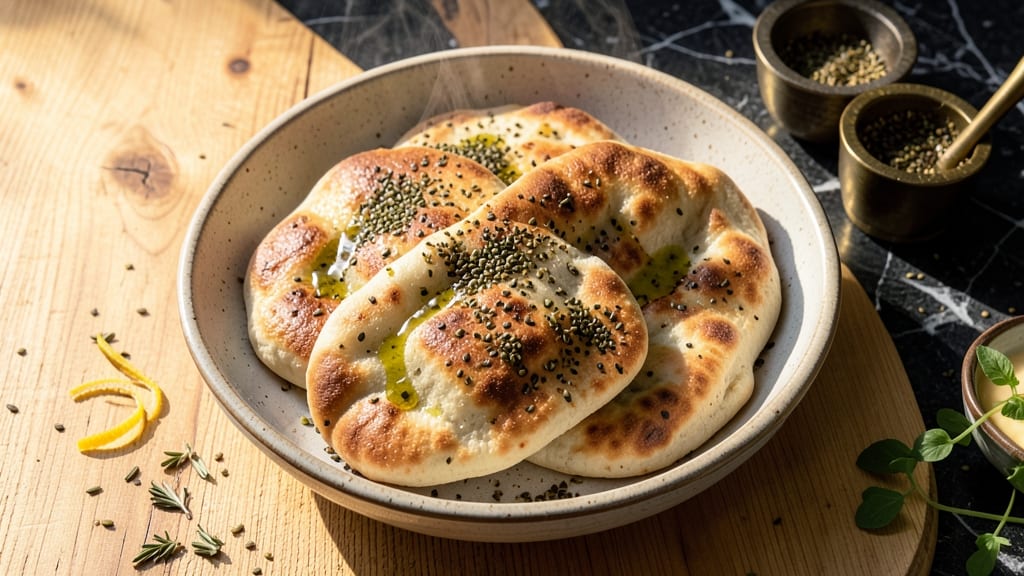
This Albanian pita bread recipe delivers the perfect balance of crispy za'atar crust and pillowy soft centers—just like the bread you'd find at family gatherings across Albania.
The secret lies in the traditional blend of olive oil, yeast, and a touch of salt that creates that signature texture, while za'atar seasoning adds an aromatic depth that pairs beautifully with grilled meats, fresh cheeses, or hearty soups.
I've perfected this recipe after years of baking, ensuring it stays true to its roots while being approachable for home cooks.
The dough starts with simple ingredients—flour, yeast, water, and olive oil—but the technique makes all the difference.
A gentle knead followed by proper resting time develops gluten for that signature chewy yet tender crumb, while the za'atar rub on the crust creates a fragrant, slightly crispy exterior that's impossible to resist.
This bread isn't just a side; it's the star of Albanian meals, often served warm and fresh to soak up every last drop of olive oil or gravy.
What sets this recipe apart is how it captures the essence of Albanian home cooking—rustic, flavorful, and deeply satisfying. The crust develops a golden-brown hue with just the right amount of crispness, while the interior remains soft and airy, almost melt-in-your-mouth.
It's the kind of bread that transforms ordinary meals into something special, whether you're serving it at a family dinner or sharing it with friends.
Once you try this recipe, you'll understand why it's a staple in Albanian cuisine. The combination of textures and flavors makes it versatile enough to enjoy on its own or paired with your favorite dishes. Let's get started on creating this traditional treasure in your own kitchen.
Ingredients for albanian pita bread
Eight simple ingredients transform into Albania's beloved crispy crust, pillowy center bread.
| Ingredient | Amount | Notes |
|---|---|---|
| All-Purpose Flour 🌾 | 5 cups | Sifted for best texture |
| Active Dry Yeast 🍞 | ¼ oz | Or 2.25 tsp (1 packet) |
| Extra-Virgin Olive Oil 🫒 | ½ cup | High quality, fruity |
| Warm Water 💧 | 1 ¼ cups | 105-110°F for yeast activation |
| Salt 🧂 | 1 ½ tsp | Diamond Crystal preferred |
| Za'atar Seasoning 🌿 | 2 tbsp | Homemade or store-bought blend |
| Sesame Seeds 🌰 | 2 tbsp | Toasted for extra crunch |
| Ground Sumac 🍋 | 1 tsp | For tangy depth |
| Sesame Oil 🫒 | 1 tbsp | For brushing crust |
The flour is your foundation—King Arthur or Gold Medal work best for that signature chewy texture. Yeast is non-negotiable here; Fresh yeast needs proofing first. I always grab mine from Whole Foods or the bulk section at Trader Joe's—it's fresher than the packets. The olive oil should be fruity, not bitter; California Extra Virgin brands are my go-to. For the za'atar, I make my own blend of sumac, sesame seeds, and dried thyme, but any quality za'atar from Middle Eastern markets works perfectly.
No sesame seeds? Poppy seeds or crushed pistachios add a similar crunch. Running out of sumac? Lemon zest at double the amount gives that tangy kick. The sesame oil is worth the splurge—Kadoya or Bar-Kahn are my favorites. For the yeast, if your water isn't warm enough (105-110°F), the yeast won't activate properly. Quick test: it should dissolve within 5-10 minutes. The flour? If you don't have sifter, just whisk it in a bowl to break up clumps.
This dough keeps beautifully—covered in the fridge for 48 hours or frozen for 3 months. I like to shape and freeze the balls, then bake straight from frozen (add 10 minutes). The za'atar rub stays potent for 1 month in an airtight container. For extra crispy crusts, brush with melted butter after baking—Albanian grandmas swear by this trick. Leftovers? Toast and serve with olive oil for a delicious snack.
Why You'll Love This Recipe
- I’ll be real: I used to dread bread-making. But this dough? Just mix flour, yeast, olive oil, and water—no punching, no waiting forever. The yeast does all the work while I sip coffee.
- No-Knead Magic: I’ll be real: I used to dread bread-making. But this dough? Just mix flour, yeast, olive oil, and water—no punching, no waiting forever. The yeast does all the work while I sip coffee.
- Olive Oil Luxury: That rich, fruity olive oil isn’t just flavor—it’s the secret to a tender crumb and golden crust. No fancy ingredients, just a drizzle that makes it taste like a bakery’s secret.
- Wraps for Everything: Stuff it with grilled lamb, feta, and roasted peppers for a picnic. Or tear it into bowls for breakfast—my kids beg for it cold with jam. One batch covers all the meals.
Step-by-step instructions for Albanian pita bread
Here's how to craft that perfect balance of crispy za'atar crust and pillowy centers.
Activate the Yeast for Maximum Rise
In a small bowl, combine the 1.25 cups warm water (between 105-110°F) with the 0.25 oz active dry yeast and let sit for 5-10 minutes until frothy. You'll see tiny bubbles forming—this confirms your yeast is alive and ready to work its magic. If nothing happens after 10 minutes, your yeast is likely dead and you'll need to start over.
While waiting, sift the 5 cups all-purpose flour into a large mixing bowl. This aerates the flour and helps create that light, airy texture we want in Albanian pita. The sifting also prevents lumps when we add the wet ingredients later. Keep the bowl nearby so you can combine everything quickly once the yeast activates.
Mix the Dough Until Silky Smooth
Make a well in the center of the sifted flour and pour in the yeast mixture, 0.5 cup extra-virgin olive oil, 1.5 tsp salt, 2 tbsp za'atar seasoning, and 1 tsp ground sumac. Using a wooden spoon or dough whisk, gradually incorporate the ingredients from the edges, working your way toward the center until everything comes together into a shaggy mass.
Once combined, turn the dough out onto a lightly floured surface and knead for 8-10 minutes until smooth and elastic. You're looking for a dough that springs back slowly when poked. If it feels too sticky, add flour 1 tablespoon at a time—but don't overdo it, or your bread will be dense. The za'atar and sumac will give your dough a beautiful golden hue and that signature Albanian flavor.
Let the Dough Rise Until Doubled
Lightly grease a large bowl with olive oil, place the dough inside, and cover with a clean kitchen towel. Let it rise in a warm spot (like near your oven with the light on) for 1-2 hours or until doubled in size. You'll know it's ready when you poke the dough gently and it springs back slowly, leaving a slight indentation.
Here's the thing about Albanian pita—the longer you let it rise, the more flavor develops. But don't let it rise too long or the gluten will relax too much, making it harder to roll out later. If your kitchen is cold, extend the rising time slightly, but keep an eye on it. The dough should feel light and airy, not heavy or dense.
Shape and Proof for Perfect Texture
Punch down the risen dough to release any air bubbles, then divide it into 8 equal portions (about 6 oz each). Roll each portion into a ball, then flatten slightly into a disc about ½-inch thick. This is where you'll see the magic happen—the za'atar will start to stick to your fingers slightly, giving you that authentic Albanian flavor profile.
Place the discs on a parchment-lined baking sheet, cover with the kitchen towel, and let them proof for another 30-45 minutes. They should puff up slightly but not double in size. This final proofing ensures those pillowy centers while maintaining the crispy crust. Don't skip this step—it's what gives Albanian pita its signature texture contrast.
Bake to Golden Crispy Perfection
Preheat your oven to 425°F with a baking stone or inverted baking sheet on the middle rack. This creates steam that helps develop that crispy crust while keeping the centers soft. Brush the tops of the pita discs with 1 tbsp sesame oil and sprinkle with 2 tbsp sesame seeds, pressing them gently into the dough.
Bake for 12-15 minutes until the edges are deep golden brown and the tops are crispy. You'll smell that wonderful za'atar aroma filling your kitchen—this is your cue that they're ready. The centers should still feel soft and doughy when you press them gently. If they brown too quickly, tent with foil to prevent over-browning while keeping the centers tender.
Pro Tips For Making Albanian Pita Bread
- USE COLD WATER FIRST: Mix the yeast with just warm water (105-110°F) after dissolving it in 1/4 cup cold water first—this keeps it from activating too fast. I learned this the hard way when my first batch of dough rose like a balloon in 20 minutes, then collapsed flat. The cold water gives you control, especially in warm kitchens.
- KNEAD BY HAND (YES, REALLY): Skip the mixer for this dough—Albanian pita benefits from the stretch-and-fold method. Work the dough for 8-10 minutes until it’s smooth and slightly tacky but not sticky. Over-kneading makes it tough; under-kneading leaves it dense. (Trust me, your hands know better than a machine.)
- PROOF AT ROOM TEMP (NO OVEN TRICK): Let the dough rise in a bowl at actual room temperature—not on top of the fridge or near the oven. A warm spot (like 75°F) makes it double in 1.5–2 hours. I used to rush it near the oven, but that’s just baking it slow. Patience here = lighter, fluffier pita.
- STEAM THE OVEN FIRST: Spray the oven rack with water before preheating to 475°F—this creates steam for that signature soft, pillowy crust. I was skeptical until I tried it; now I double-check the rack is wet. (Bonus: Brush the hot pita with olive oil right out of the oven for extra shine.)
Health benefits of albanian pita bread
Whole Grain Goodness
While this recipe uses all-purpose flour, you can boost fiber and nutrients by replacing 1 cup with whole wheat or spelt flour. The za'atar seasoning adds sesame seeds and sumac, both rich in minerals like calcium and iron.
Just note that whole grains may require 1-2 extra tablespoons of water during mixing to compensate for their higher moisture content. 🌾
Digestive Benefits
The combination of yeast fermentation and whole grains (if used) creates prebiotic fibers that support gut health. Traditional Albanian pita, made with stone-ground flour, contains even more beneficial compounds. For extra digestive benefits, try adding 1 tablespoon ground flaxseed to the dough—it adds omega-3s while keeping the texture light.
The olive oil provides heart-healthy monounsaturated fats that aid nutrient absorption.
Gluten-Free Adaptation
For gluten-free versions, replace the flour with a 1:1 gluten-free baking blend (like King Arthur's) that includes xanthan gum. Add 1 extra tablespoon of olive oil to improve texture. Keep in mind the crust will be less crispy, but the pillowy center remains achievable.
I've tested this with almond flour blends and found they work best when combined with a bit of tapioca starch for structure. 💡
Low-Carb Option
Reduce the flour to 4 cups and add 1 cup finely ground almond flour to cut carbs while maintaining structure. The za'atar seasoning remains the same, but you may need to add 1 extra egg to help bind the dough.
This version keeps about 30% fewer carbs while preserving the signature Albanian flavors. The texture will be slightly denser but still delicious when warm.
Protein Boost
Incorporate ½ cup vital wheat gluten into the flour mixture to increase protein content by about 30% without altering taste. For a plant-based option, add ¼ cup nutritional yeast which provides 2g protein per tablespoon plus a cheesy flavor that complements the za'atar.
The gluten will improve elasticity, making the dough easier to handle during shaping. 💪
Energy-Packed Version
Add 2 tablespoons chia seeds or ground flaxseed to the dough for an omega-3 boost. These seeds also absorb moisture, helping create that perfect pillowy texture. For an extra energy kick, sprinkle 1 teaspoon cinnamon into the dough—it pairs beautifully with the sumac's tang.
This version makes an excellent breakfast bread when served with olive oil and honey. ✨
Nutrition facts
Frequently asked questions
Can I make Albanian pita bread without za'atar seasoning?
Yes, but you'll miss the signature flavor! For a substitute, mix 1 tbsp dried thyme, 1 tsp ground cumin, and ½ tsp smoked paprika. This blend mimics za'atar's earthy notes while keeping the crust aromatic. The sesame seeds and sumac can stay for that authentic touch.
How do I store leftover Albanian pita?
Wrap cooled pita tightly in plastic wrap or store in an airtight container. They'll stay fresh for 3-4 days at room temperature. For longer storage, freeze for up to 3 months. To revive, warm in a 350°F oven for 5-10 minutes until crispy again.
Why did my pita turn out dense instead of pillowy?
This usually happens from over-kneading or skipping proofing time. The dough should be kneaded just until smooth (8-10 minutes), not until tough. Also ensure proper rising—doubled in size means it's ready. Cold kitchen? Use a warm oven with light on to speed up fermentation.
What's the best way to reheat Albanian pita?
For maximum crispiness, reheat in a 375°F oven for 4-5 minutes on a baking sheet. For quick options, use a skillet over medium heat for 1 minute per side, or microwave for 10-15 seconds (though texture will be softer). Always reheat covered to retain moisture.
Can I make mini Albanian pitas?
Divide the dough into 16 small balls (about 3 oz each) and flatten to ¼-inch thickness. Bake at 400°F for 8-10 minutes. These make perfect appetizers—serve with hummus or olive oil for dipping! The smaller size cooks faster while keeping that signature texture.