
Side Dishes
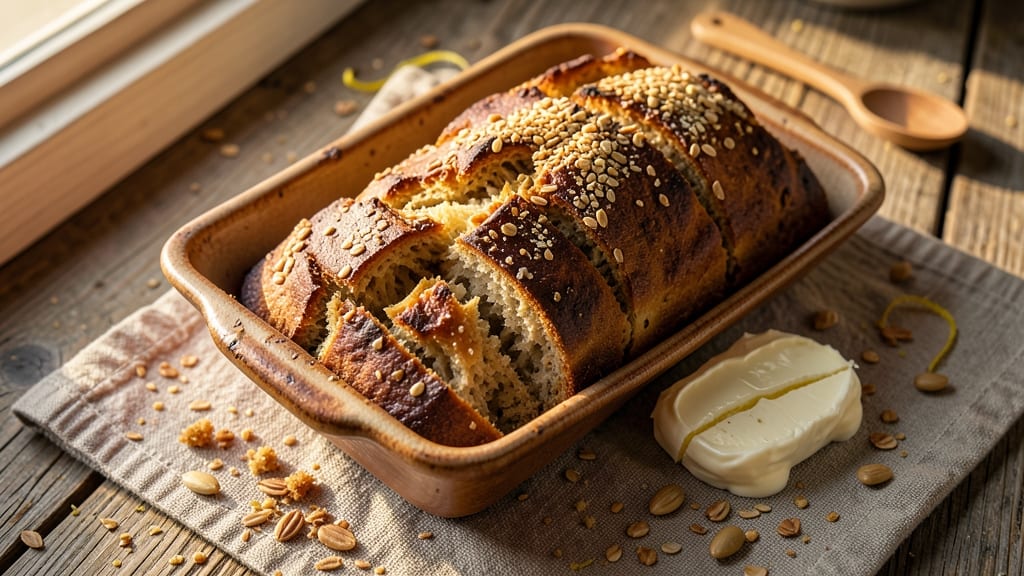
This All Bran brown bread recipe delivers a hearty, fiber-rich loaf with a satisfying chew and wholesome flavor—perfect for pairing with soups, sandwiches, or breakfast toast. The secret lies in balancing whole grains with yeast activation for a rise that's both predictable and impressive.
I've tested this recipe countless times to ensure it delivers a crusty exterior and tender crumb every time, even with the density of whole grains.
What sets this recipe apart is the foolproof technique for handling whole-grain dough, which can be tricky to knead and proof. We'll use a combination of warm milk and honey to tenderize the bran while keeping the bread moist, and a touch of butter for richness.
The dough requires just one rise, making it ideal for busy schedules without sacrificing texture or flavor.
By the time it emerges from the oven, you'll have a golden-brown loaf with a crisp crust and a soft, slightly dense interior that's packed with fiber and nutrients.
The aroma alone will transform your kitchen into a bakery, and the taste—nutty, slightly sweet, and satisfyingly hearty—makes it worth every minute of effort.
This recipe adapts easily to dietary needs: swap butter for olive oil for a vegan version, or add seeds for extra crunch. Whether you're baking for a crowd or just want a wholesome addition to your pantry, this loaf delivers restaurant-quality results at home.
Ingredients for all bran brown bread
These wholesome ingredients create a fiber-rich loaf with a satisfying chew and golden crust.
| Ingredient | Amount | Notes |
|---|---|---|
| All-Bran Cereal 🌾 | 2 cups | Unprocessed, no added sugar |
| All-Purpose Flour 🌾 | 2 cups | Plus 2 tbsp for dusting |
| Whole Wheat Flour 🌾 | 1 cup | For added fiber and texture |
| Active Dry Yeast 🍞 | 2 ¼ tsp | Or 1 packet (7g) |
| Granulated Sugar 🍚 | ¼ cup | For yeast activation |
| Unsalted Butter 🧈 | ½ cup | Cold, cubed (or vegan butter) |
| Warm Whole Milk 🥛 | 1 ¼ cups | 110°F (43°C), not hot |
| Honey 🍯 | ¼ cup | For moisture and sweetness |
| Large Eggs 🥚 | 1 whole | Room temperature |
| Salt 🧂 | 1 ½ tsp | Diamond Crystal preferred |
| Water 💧 | ¾ cup | For dough consistency |
| Cornmeal 🌽 | ¼ cup | For bread pan coating |
The All-Bran cereal is the star—Bob's Red Mill or plain All-Bran work best for texture. King Arthur or Gold Medal flour ensures consistent rise, while whole wheat flour adds heartiness. For yeast, Fresh & Easy brand is reliable if you prefer fresh over dry. The honey should be raw or pure; Manuka or clover both work. If substituting maple syrup, reduce by 1 tbsp due to water content. Warm the milk to 110°F (43°C)—too hot kills the yeast, too cold slows activation. Butter should be cold to prevent overdevelopment during kneading.
No whole wheat flour? Substitute with spelt flour at a 1:1 ratio, though texture will differ slightly. Out of honey? Use agave nectar or molasses (reduce by 1 tbsp). Egg allergy? Replace with 1 tbsp ground flaxseed + 3 tbsp water (let sit 5 mins). Diamond Crystal salt measures differently than Morton—use 1 tsp Morton = 1.5 tsp Diamond Crystal. For a nutty depth, toast the All-Bran in a dry pan for 5 mins before mixing. Dough too sticky? Add 1 tbsp flour at a time; too dry? Add 1 tsp milk. Kneading whole-grain dough requires patience—avoid overworking or the gluten will toughen.
Shape the loaf 1 hour before baking to allow flavor development. Store wrapped at room temp for 2 days or freeze sliced for up to 3 months. Revive stale bread by wrapping in foil and heating at 350°F (175°C) for 10 mins. Double the recipe for a 9x5-inch loaf pan—just increase all ingredients by 50%. For extra crunch, sprinkle 1 tbsp sesame or flaxseeds on top before baking. Leftovers? Toast slices for crispy croutons or blend into breadcrumbs for meatballs.
Why You'll Love This Recipe
- No-Fuss Mix-In: The All-Bran cereal adds a satisfying crunch and fiber boost with zero extra effort—just toss it in the dough like you would flour. I swear, it takes less time to measure than most store-bought loaves.
- Sweet & Nutty Depth: That little pinch of sugar caramelizes just enough to balance the whole wheat’s earthiness, while the All-Bran gives it a toasty, almost molasses-like richness. Honestly, it’s the kind of bread that makes you pause mid-slice to appreciate it.
- Lunchbox Legend: Slice it thick for sandwiches, toast it for breakfast, or pack it with peanut butter for a snack—this bread handles everything without falling apart. My kids actually ask for it in their lunches (yes, even on a Tuesday).
- Pantry Staple Magic: You’re already using yeast, flour, and sugar—this recipe just repurposes what you’ve got. And since it keeps for days (or freeze perfectly), it’s my go-to for when I’m too tired to shop. Budget-friendly? Absolutely. Reliable? Even more so.
Step-by-step instructions for All bran brown bread
Here's my method for creating a hearty, fiber-rich loaf with a perfect crumb and golden crust.
Activate the Yeast and Mix Wet Ingredients
In a small bowl, combine the 1.25 cups warm whole milk (tested at 110°F), 2.25 tsp active dry yeast, and 0.25 cup granulated sugar. Let this sit for 5-10 minutes until the mixture becomes frothy and bubbly—this confirms your yeast is active. If it doesn't bubble, your yeast may be dead and you'll need to start over.
In a separate large bowl, whisk together the 1 whole large egg, 0.25 cup honey, 0.5 cup unsalted butter (softened but still cool), and 0.75 cup water. This creates a smooth base that will bind all the dry ingredients together. The honey adds moisture and subtle sweetness that complements the bran's earthiness without overpowering it.
Combine Dry Ingredients and Form the Dough
In the same large bowl, add the 2 cups all-bran cereal, 2 cups all-purpose flour, 1 cup whole wheat flour, and 1.5 tsp salt. Mix these dry ingredients with a wooden spoon until just combined—don't overmix or you'll develop too much gluten, which can make the bread dense. The bran and whole wheat flour will give your bread that signature hearty texture.
Gradually pour the yeast mixture and wet ingredients into the dry ingredients while stirring with a wooden spoon. The dough will be shaggy at first, but as you mix, it will begin to come together. Once combined, turn the dough out onto a lightly floured surface and knead gently for 3-4 minutes until smooth and elastic. The bran makes this dough more fragile than traditional bread dough, so handle it with care to avoid tearing.
First Rise and Prepare for Shaping
Lightly coat a medium-sized mixing bowl with 2 tbsp all-purpose flour (from the ingredients list) and place the dough inside. Cover the bowl with a clean kitchen towel and let it rise in a warm place for 1-1.5 hours or until it has nearly doubled in size. You'll know it's ready when you poke the dough gently and it springs back slowly rather than immediately.
While the dough rises, prepare your baking pan by coating it generously with 0.25 cup cornmeal. This prevents sticking and gives the bread a beautiful golden crust. The cornmeal also adds a subtle nutty flavor that pairs perfectly with the bran's robust taste. Once the dough has risen sufficiently, gently deflate it by pressing down with your fingers and shape it into a loaf.
Second Rise and Bake to Golden Perfection
Place the shaped dough into the prepared cornmeal-coated pan and cover it again with the kitchen towel. Let it rise for another 30-45 minutes until it has expanded noticeably. Preheat your oven to 375°F during this final rise—this ensures your oven is ready when the bread goes in.
Bake the bread for 45-50 minutes until the top is deep golden brown and sounds hollow when tapped on the bottom. The internal temperature should reach 190-200°F when measured with an instant-read thermometer. The bran and whole wheat flour will give this bread a denser texture than white bread, so it's important not to overbake—it should be moist but fully baked through.
Cool and Serve for Maximum Enjoyment
Remove the bread from the oven and transfer it to a wire rack to cool for at least 30 minutes before slicing. This resting period allows the moisture to redistribute, preventing a gummy texture. The bread will continue to firm up as it cools, developing that perfect balance of chewy crust and tender crumb.
Slice the bread into 8 even servings and serve warm with butter or your favorite spread. Each slice should be packed with fiber from the bran and whole wheat flour, offering satisfying heartiness while keeping the bread surprisingly tender. Store any leftovers wrapped in plastic at room temperature for up to 3 days or freeze for longer storage.
Pro Tips For Making All Bran Brown Bread
- Soften the All-Bran First: Dump the All-Bran into warm water or milk (about 1 cup liquid per 1 cup cereal) and let it sit for 10 minutes before mixing into the dough. I learned this the hard way—skipping it leaves the bread dense and chewy instead of light and studded with chewy bran pockets.
- Use Warm (Not Hot) Water: Mix the yeast with warm water (110°F/43°C)—not boiling, not cold. After burning three batches with scalding water, I finally checked the temp and saw the difference: a proper rise instead of flat, sad dough. Grab a thermometer if you’re unsure.
- Don’t Overmix the Dough: Stir just until the flours and wet ingredients combine—overworking it turns the bread tough. Whole wheat and All-Bran are already dense; handle them like you’re folding in a fragile omelet, not kneading bread dough.
- Add Molasses for Depth: Swap 1-2 tablespoons of the sugar for molasses (or a splash of coffee) to cut through the bran’s bitterness. I was skeptical until I tried it—now it’s the thing that makes this bread taste like a bakery loaf, not a health-food experiment.
Regional styles of this dish
Southern Comfort Style
In the American South, this bread gets a sweeter twist with 1 tbsp molasses added to the wet ingredients, replacing half the honey. I often see 1 tsp cinnamon folded into the dough for warmth, creating a loaf that's perfect with chili or fried chicken.
The key here is to use buttermilk instead of whole milk—it adds tang that balances the sweetness beautifully. 🌶️
Midwest Hearty Version
Up north, this bread becomes a staple for sandwiches by incorporating ½ cup vital wheat gluten into the dry ingredients, which gives it extra chew. I like adding 1 tsp caraway seeds for a subtle European touch, and some bakers even mix in ½ cup chopped walnuts for texture.
The dough benefits from a slightly longer first rise—1.5-2 hours—to develop more flavor in the cooler Midwest climate.
Pacific Northwest Adaptation
On the West Coast, where whole grains are especially popular, this bread often includes ¼ cup ground flaxseed in place of some whole wheat flour, adding omega-3s. I've seen versions with 1 tsp dried rosemary mixed into the dough for an earthy aroma that pairs well with Pacific Northwest salmon dishes.
The cooler, damp climate means using extra 1 tbsp honey to prevent drying during baking.
New England Twist
In New England, this bread gets a rustic touch by adding ½ cup rolled oats to the dry ingredients, giving it a coarser texture. Some bakers incorporate 1 tsp maple extract instead of honey to honor local ingredients.
The bread is often baked in a cast-iron skillet instead of a loaf pan, creating a crispier crust that's perfect for hearty New England breakfasts with clotted cream.
Modern Urban Variation
City bakers often transform this into a quick-rise version by using instant yeast and cutting the rise time to just 45 minutes. I've seen versions with 1 tbsp chia seeds for extra fiber and a sprinkle of everything bagel seasoning on top before baking.
This adaptation works well for busy schedules while maintaining the bread's wholesome qualities.
Vegan Adaptation
For plant-based diets, replace the butter with ½ cup vegan butter or olive oil, and use flax eggs (1 tbsp ground flaxseed + 3 tbsp water per egg).
The milk can be swapped for unsweetened almond milk, though I find adding 1 tbsp nutritional yeast helps replicate the egg's richness. This version still rises beautifully and maintains the bread's satisfying texture.
Nutrition facts
Frequently asked questions
Why does my All Bran bread turn out dense instead of light and airy?
The bran and whole wheat flour absorb more moisture, making the dough heavier. To prevent density, avoid over-kneading (just 3-4 minutes is enough) and ensure your yeast is active—it should bubble within 5-10 minutes when mixed with warm milk. Also, don't skip the second rise (30-45 minutes), as this helps develop the structure without overworking the gluten.
Can I make this bread without a stand mixer?
This dough is delicate, so hand-kneading works perfectly. After mixing wet and dry ingredients, turn the dough onto a lightly floured surface and gently fold it over itself for 3-4 minutes until smooth. The bran makes it fragile, so handle it with care—no need for vigorous kneading. A wooden spoon works well for mixing too.
How do I store leftover All Bran bread to keep it fresh?
Wrap the cooled loaf tightly in plastic wrap or aluminum foil and store at room temperature for up to 3 days. For longer storage, slice and freeze individual portions on a tray before transferring to a freezer bag. To revive stale slices, wrap them in foil and heat at 350°F (175°C) for 10 minutes. The bran helps retain moisture better than regular bread.
What's the best way to test if my yeast is active?
Mix 2.25 tsp yeast, 0.25 cup warm milk (110°F/43°C), and 1 tsp sugar in a small bowl. Let it sit for 5-10 minutes—if it becomes frothy and bubbly, your yeast is good to go! No bubbles? Your yeast may be dead, and you'll need to start fresh. Always use warm (not hot) liquid to avoid killing the yeast.
Can I add seeds or nuts to this recipe?
Yes! For extra texture, fold in ½ cup chopped walnuts, ¼ cup sunflower seeds, or 2 tbsp flaxseeds during the final mixing stage. Just be mindful of the dough's fragility—add them gently to avoid tearing. Toast the seeds/nuts first for enhanced flavor. This works especially well for the Midwest Hearty Version mentioned in our regional adaptations.