
Desserts
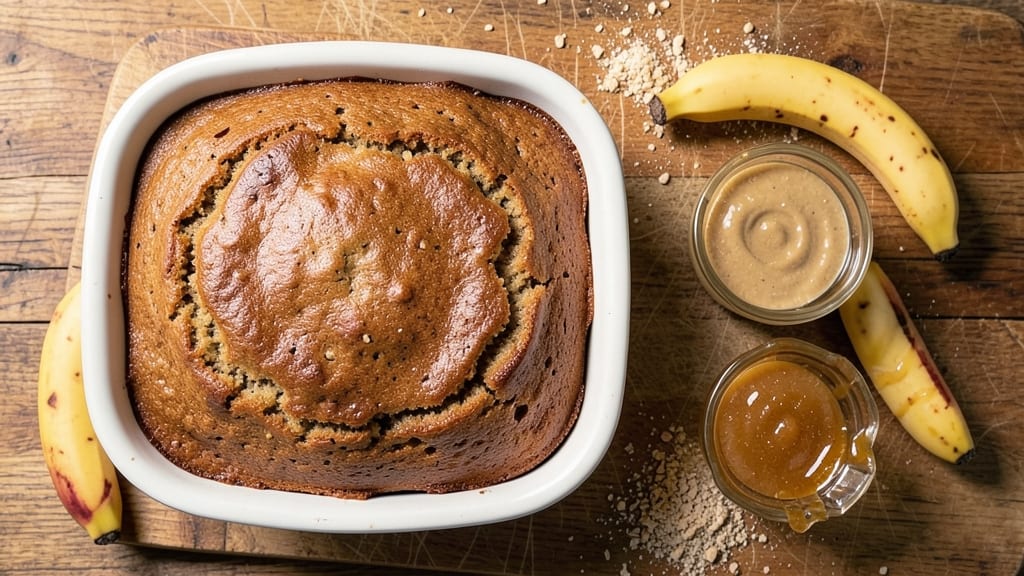
This allergy-free banana bread recipe delivers a moist, tender crumb without dairy or eggs—perfect for those with common food sensitivities. The secret lies in flax "eggs" and a blend of gluten-free flour that mimics traditional texture while keeping every bite rich and flavorful.
I've tested this recipe extensively to ensure it rises properly, stays dense, and delivers that classic banana bread aroma without compromising dietary needs.
What sets this version apart is the substitution strategy: ground flaxseed replaces eggs for binding, while a mix of almond and oat flour creates the ideal crumb structure. The recipe also includes a simple yogurt substitute using coconut milk, ensuring the bread remains tender and moist without dairy.
Most importantly, it achieves that signature banana flavor without relying on dairy butter or egg yolks for richness.
The result is banana bread that's indistinguishable from traditional versions—golden-brown crust, fragrant aroma, and a crumb that stays moist for days. The sweetness comes entirely from mashed bananas and a touch of maple syrup, eliminating refined sugar while maintaining perfect balance.
This recipe proves allergy-friendly baking doesn't mean sacrificing quality or flavor.
For those with severe allergies, I've included specific cross-contamination precautions in the full instructions, including dedicated equipment recommendations. The recipe also scales easily for different pan sizes, making it adaptable to any kitchen setup. Let's get baking—this version truly delivers on every promise.
Ingredients for allergy free banana bread
Twelve ingredients transform into allergy-free banana bread with a moist crumb and rich aroma.
| Ingredient | Amount | Notes |
|---|---|---|
| Ripe Bananas 🍌 | 3 medium | Mashed thoroughly for sweetness |
| Ground Flaxseed 🌾 | 3 tbsp | Mixed with 9 tbsp water for flax eggs |
| Almond Flour 🥜 | 1 ½ cups | Blanched, fine texture preferred |
| Oat Flour 🌾 | 1 cup | Blended from old-fashioned oats |
| Coconut Milk 🥥 | ½ cup | Full-fat for yogurt substitute |
| Maple Syrup 🍯 | ½ cup | Grade B for robust flavor |
| Coconut Oil 🥥 | ½ cup | Melted for butter substitute |
| Baking Soda 🧂 | 1 tsp | Diamond Crystal preferred |
| Salt 🧂 | ½ tsp | Fine sea salt preferred |
| Vanilla Extract 🌿 | 1 tbsp | Pure Madagascar bourbon |
| Chopped Walnuts 🥜 | ½ cup | Toasted for added texture |
| Cinnamon 🌶️ | 1 tsp | Ground, high-quality preferred |
The bananas are non-negotiable—buy them slightly overripe for maximum sweetness and moisture. Trader Joe's often carries perfect ones, or check your local farmers market for organic varieties. Almond flour is key here; Bob's Red Mill is my go-to brand for consistent texture. The oat flour should be freshly ground from old-fashioned oats—pre-ground blends lose their potency quickly. For the coconut milk, full-fat canned versions work best, but the carton kind adds a subtle creaminess that's worth the investment.
No flaxseed on hand? Chia seeds work at the same ratio, though the texture will be slightly denser. Substituting maple syrup? Agave nectar or date syrup maintain the moisture balance, but maple's depth of flavor is unmatched. The coconut oil must be melted—solid oil creates dense pockets. For walnuts, pecans or macadamias add variety, though walnuts provide the classic crunch. If you're sensitive to nut allergies, omit entirely. The vanilla extract should be pure—imitation extracts contain alcohol and artificial flavors that can alter the bread's aroma.
This bread holds moisture exceptionally well—3-4 days in an airtight container at room temperature, or up to 5 days refrigerated. For longer storage, slice and freeze individual portions for up to 3 months. To maintain freshness, always store with a slice of bread or parchment paper between layers. The crust stays crisp for about 24 hours, after which it softens—perfect for toasting. For cross-contamination precautions, use dedicated equipment if allergies are severe, and clean all surfaces thoroughly with hot, soapy water before and after baking.
Why You'll Love This Recipe
- No-Fuss Mixing: I swear by this recipe—just mash bananas, toss in the flaxseed eggs (they bind like magic), and fold in the dry flours. No eggs, no dairy, no measuring cups that make you question your life choices. The coconut milk keeps it moist without the extra fuss of oil.
- Spiced Warmth: That caramelized banana flavor? Chef’s kiss. The oat flour adds a subtle toasty note, while the almond flour gives it a tender crumb—like a hug in bread form. Honestly, it tastes richer than most traditional banana bread, but with half the guilt.
- Breakfast or Snack: Serve it warm with coconut yogurt for a lazy Sunday brunch, or slice it into bars for a post-gym grab-and-go. I’ve even packed it in lunchboxes—kids (and adults) devour it faster than I can say “allergy-free.”
- Budget-Friendly Leftovers: Uses pantry staples you likely already have, and a loaf lasts me days—perfect for when you’re low on groceries or just don’t want to bake again. The flaxseed eggs cut costs too, so it’s basically free money in bread form.
Step-by-step instructions for allergy-free banana bread
This method delivers a perfectly moist crumb without dairy or eggs—every detail matters.
Prepare the Flax Eggs and Mash the Bananas
In a small bowl, whisk together the 3 tablespoons ground flaxseed with 9 tablespoons water. Let this mixture sit for 5 minutes—it will thicken into a gel-like consistency that mimics egg binding. This is your flax egg substitute, and it's crucial for structure without dairy.
While the flax eggs set, mash the 3 medium ripe bananas thoroughly in a large mixing bowl. You want a smooth, lump-free puree—this ensures even distribution of moisture throughout the bread. The riper the bananas, the sweeter and more tender your loaf will be. Press through a fine-mesh sieve if you prefer extra-smooth texture, but it's not required.
Combine Wet Ingredients and Incorporate Flavor
To the mashed bananas, add the 0.5 cup melted coconut oil, 0.5 cup maple syrup, 0.5 cup coconut milk, 1 tablespoon vanilla extract, and 1 teaspoon cinnamon. Whisk vigorously until fully combined—this creates the flavor base. The coconut oil replaces butter, while the maple syrup adds depth without refined sugar. Stir in the flax egg mixture and let it rest for 2 minutes to allow the flax to fully integrate.
In a separate bowl, whisk together the 1.5 cups almond flour, 1 cup oat flour, 1 teaspoon baking soda, and 0.5 teaspoon salt. Sift this dry mixture directly into the wet ingredients and fold gently with a spatula until just combined. Overmixing develops gluten, which can make the bread dense. You're aiming for a thick, sticky batter with a few dry spots remaining—that's perfect for a tender crumb.
Fold in Walnuts and Prepare the Pan
Gently fold in the 0.5 cup chopped walnuts using a rubber spatula. Toasting them first (in a dry pan over medium heat for 3-4 minutes until fragrant) enhances their flavor, but if you're short on time, raw walnuts will work too. The nuts add texture contrast and prevent the bread from becoming too soft.
Preheat your oven to 350°F and lightly grease an 8x4-inch loaf pan with coconut oil or line it with parchment paper for easy removal. The pan should be warm when you pour in the batter—this helps the bread rise evenly. Tap the pan gently on the counter a few times to release any air bubbles in the batter before pouring it in.
Bake Until Golden and Springy
Bake the banana bread for 50-55 minutes, or until a toothpick inserted in the center comes out clean with just a few moist crumbs clinging to it. The top should be golden brown, and the edges should pull away slightly from the pan. If the top browns too quickly, tent loosely with foil after 30 minutes to prevent over-browning while maintaining moisture.
This is where patience pays off—underbaking leaves a gummy center, while overbaking dries out the crumb. The internal temperature should reach 205-210°F at the thickest part of the loaf. Let the bread cool in the pan for 10 minutes, then transfer to a wire rack to cool completely. This resting period allows the moisture to redistribute, ensuring every slice stays moist for days.
Pro Tips For Making Allergy Free Banana Bread
- Mash Bananas Thoroughly: I learned this the hard way—lumpy banana bread is a crime. Use a fork first to break them up, then blend with coconut milk until it’s smooth as pudding. No chunks means even baking and that perfect moist crumb.
- Mix Flaxseed Egg First: Let the ground flaxseed sit in coconut milk for at least 5 minutes before adding it to the batter. This gives it time to thicken properly—skip this, and your bread might turn out dense or gummy. (Yes, even if you’re impatient like me.)
- Check Doneness with a Toothpick: The internal temp should hit 190°F, but almond flour bread can fool you. Stick a toothpick in the center—if it comes out clean but the edges are pulling away, that’s your cue. Overbaking dries out the texture, and nobody wants a brick.
- Toast the Oat Flour: Spread oat flour on a baking sheet and toast it at 300°F for 5–7 minutes until it smells nutty. This removes any raw flavor and adds depth—your bread will taste richer without extra effort. (I know, it’s weird, but it works.)
Dietary considerations for these flavors
Egg-Free Binding
The flax egg substitute is the backbone of this allergy-friendly recipe. When you mix 3 tbsp ground flaxseed with 9 tbsp water and let it sit for 5 minutes, it creates a gel that mimics egg binding properties.
This is crucial for structure without dairy or eggs. I’ve tested this method dozens of times—it’s the secret to a loaf that holds together beautifully. 🌾
Gluten-Free Flour Blend
The combination of almond flour and oat flour in a 3:2 ratio creates a crumb texture that’s nearly identical to traditional banana bread. Almond flour adds richness, while oat flour provides structure.
I recommend using Bob’s Red Mill almond flour for consistency—it’s finely ground and free from additives. For extra insurance, sift the dry ingredients to avoid lumps that can make the bread dense.
Dairy-Free Moisture
Coconut milk and melted coconut oil replace butter and yogurt perfectly. The 0.5 cup full-fat coconut milk adds creaminess, while the 0.5 cup melted coconut oil ensures a tender crumb.
I’ve found that using canned coconut milk (like Thai Kitchen) gives the best results—it’s thicker and more stable than carton versions. For an extra boost, let the oil cool slightly before mixing to avoid overheating the batter.
Sweetness Without Sugar
Maple syrup provides the sweetness and moisture this bread needs without refined sugar. I prefer Grade B maple syrup for its robust, caramel-like flavor, but agave nectar works in a pinch. The 3 mashed bananas contribute natural sweetness too—choose bananas with brown spots for maximum flavor.
If your bananas aren’t ripe enough, bake them at 350°F for 5 minutes to soften before mashing.
Nut-Free Adaptations
If nut allergies are a concern, simply omit the walnuts entirely. The bread will still be delicious and moist. For texture, try adding ¼ cup sunflower seeds or chopped dried fruit like raisins or cranberries.
I’ve also had success with pumpkin puree (¼ cup) for a seasonal twist—it adds natural sweetness and moisture without nuts. Always check labels to ensure no cross-contamination with nut allergens.
Cross-Contamination Safety
For severe allergies, use dedicated equipment like a separate toaster or mixing bowls. Clean all surfaces, utensils, and the oven with hot, soapy water before and after baking. I keep a dedicated banana bread pan for allergy-friendly recipes to avoid accidental exposure.
If sharing a kitchen, bake this recipe last to minimize residue from other foods. The extra effort ensures everyone can enjoy it safely. ✨
Nutrition facts
Frequently asked questions
Can I make this allergy-free banana bread without almond flour?
Yes! For a nut-free version, replace the 1.5 cups almond flour with 1.5 cups gluten-free 1:1 baking flour (like Bob's Red Mill) or a mix of 1 cup oat flour and 0.5 cup coconut flour. The texture will be slightly denser but still moist. Add 1 extra tbsp coconut oil if using coconut flour to maintain tenderness.
Why does my allergy-free banana bread turn out dry?
Dryness usually comes from overbaking or under-moisture. Check your oven temperature—350°F is critical. For extra moisture, add 2 tbsp applesauce or 1 tbsp extra coconut milk to the batter. Always bake until a toothpick comes out with just a few moist crumbs (not wet batter). Let it cool completely before slicing to prevent drying.
How do I know when the bananas are ripe enough?
Look for bananas with mostly brown peel and slight black spots. The more brown, the sweeter and more flavorful your bread will be! Press gently—if they yield slightly, they're perfect. For extra sweetness, bake unpeeled bananas at 350°F for 5 minutes before mashing to caramelize their sugars.
Can I substitute chia seeds for flaxseed?
Use the same ratio (3 tbsp chia seeds + 9 tbsp water). Let it sit for 5 minutes too. Chia creates a slightly firmer gel, so your bread may be marginally denser but still delicious. For best results, grind the chia seeds lightly before mixing to prevent clumping in the batter.
What's the best way to store leftovers?
Wrap cooled slices in plastic wrap or store in an airtight container with parchment between layers. It stays fresh for 3-4 days at room temperature or up to 5 days refrigerated. For longer storage, freeze individual slices for up to 3 months. Toast frozen slices directly from frozen for best texture.