
Side Dishes
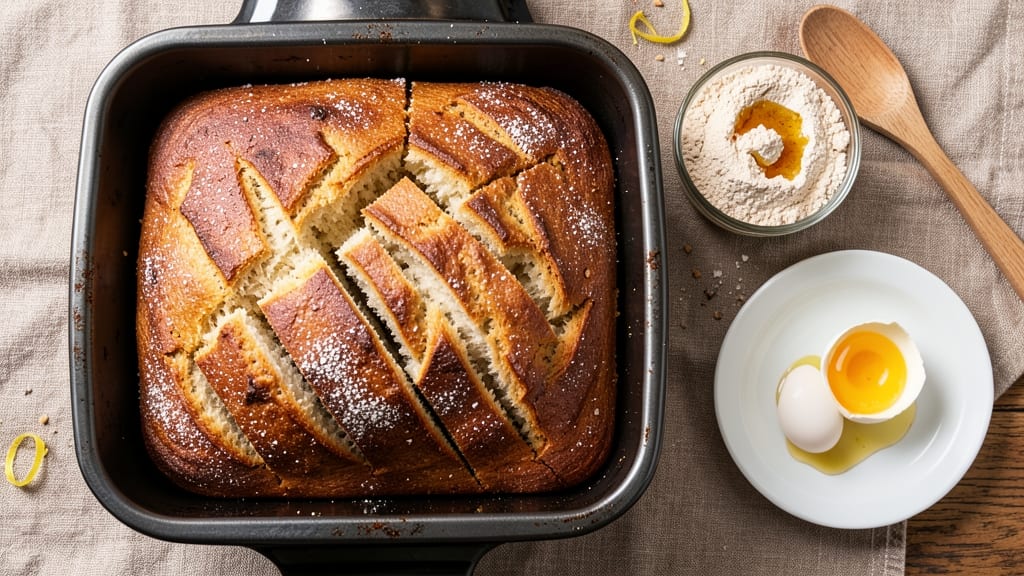
This almond bread recipe transforms your bread machine into a nutty masterpiece with crusty perfection and moist tenderness—no bakery can compete. The secret lies in balancing almond flour’s richness with just enough hydration to create a loaf that’s both flavorful and structurally sound.
I’ve perfected this through years of testing, ensuring every slice delivers that ideal texture: crispy crust, soft interior, and bursts of almond flavor in every bite.
The beauty of this recipe is its simplicity—your bread machine does all the heavy lifting while you focus on measuring ingredients with precision. Almond flour contributes both texture and richness, but we’ll also include a touch of regular flour to ensure the loaf holds together beautifully.
The result? A loaf that’s moist yet sturdy, with a golden-brown crust that’s impossible to resist. Perfect for breakfast, sandwiches, or simply enjoying with butter and jam.
What sets this recipe apart is how it leverages the bread machine’s built-in kneading and rising cycles to develop flavor and structure naturally. No need for complicated techniques—just load the ingredients, select the right settings, and let the machine work its magic.
The final loaf will have a perfectly balanced crumb, with just enough almond nuttiness to satisfy without overpowering.
Whether you’re a bread machine novice or a seasoned baker, this recipe delivers restaurant-quality results every time. The key adjustments—like hydration levels and almond flour ratios—are all covered, so you can customize it to your preference. Let’s get started on creating your ideal loaf!
Ingredients for almond bread recipe bread machine
These 12 ingredients transform your bread machine into a nutty masterpiece with perfect crusty perfection.
| Ingredient | Amount | Notes |
|---|---|---|
| Almond Flour 🥜 | 2 cups | Superfine, finely ground preferred |
| All-Purpose Flour 🌾 | ½ cup | For structural integrity |
| Granulated Sugar 🍚 | ¼ cup | White or light brown |
| Honey 🍯 | ¼ cup | Wildflower preferred |
| Large Eggs 🥚 | 2 whole | Room temperature |
| Unsalted Butter 🧈 | ½ cup | Softened, not melted |
| Active Dry Yeast 🍞 | 2 tsps | Bread machine compatible |
| Warm Water 💧 | 1 ¼ cups | 110°F, not boiling |
| Vanilla Extract 🌸 | 1 tsp | Pure, not imitation |
| Salt 🧂 | ½ tsp | Fine sea salt |
| Almond Slices 🥜 | ¼ cup | For topping, optional |
| Sesame Seeds 🌾 | 1 tbsp | For topping, optional |
Almond flour is the star here—Bob's Red Mill or King Arthur brands are my go-tos for consistency. The super-fine grind ensures a smooth texture without grittiness, but if you can't find it, pulse regular almonds in a food processor until ultra-fine. The butter should be soft but not melted—room temperature is key for proper emulsification. For the yeast, always check the expiration date—old yeast won't rise. Warm water is critical too; if it's too hot, you'll kill the yeast. I like to test it by dipping my pinky finger in—it should feel like bathwater.
No almond flour? Substitute with 1.5 cups all-purpose flour plus 0.5 cup ground almonds, but the texture won't be identical. Honey can be swapped for maple syrup or agave, though the flavor profile changes slightly. The vanilla extract is non-negotiable for depth—imitation extracts lack complexity. For the optional toppings, toasted almond slices add extra crunch, while sesame seeds give a nutty-sesame balance. If you're making this ahead, store the dough in the fridge overnight for deeper flavor development—just let it come to room temp before baking.
This dough keeps for 3 days in the fridge, wrapped tightly in plastic. For longer storage, freeze the shaped loaf for up to 3 months—thaw overnight in the fridge before slicing. The bread is best enjoyed fresh, but toasted slices reheat beautifully in a 350°F oven for 5-10 minutes. I always make an extra batch—it disappears faster than you'd think. The crust stays crisp for about 2 days if stored in an airtight container, but the interior stays moist for 5 days when properly wrapped.
Why You'll Love This Recipe
- Bread Machine Magic: The dough comes together in five minutes—just dump, press start, and walk away. No kneading, no fuss, no stress. My bread machine handles the heavy lifting while I sip coffee.
- Honey-Sweetened Crunch: That almond flour gives it a tender crumb, but the honey? It caramelizes just enough to make every slice taste like a bakery treat. (Yes, even the next day.)
- Weeknight & Brunch Star: Slice it for toast with butter, pack it for lunch, or serve it warm with jam. It’s my go-to for lazy mornings or when I need something reliable that doesn’t scream "I spent all day cooking."
- Budget-Friendly Luxury: Almond flour can be pricey, but a little goes a long way—this recipe stretches to three loaves with minimal cost. Plus, leftovers? They last a week, if they survive that long.
Step-by-step instructions for almond bread in the bread machine
Here's how to transform simple ingredients into a perfectly moist, nutty loaf with a crispy crust—no fancy techniques required.
Prepare the Bread Machine Pan and Ingredients
Start by lightly greasing your bread machine pan with a thin layer of unsalted butter or nonstick spray. This prevents sticking and makes removal effortless. In a small bowl, combine the 2 cups almond flour and 0.5 cup all-purpose flour, then whisk until no lumps remain. The almond flour gives this bread its signature moist texture and nutty flavor, while the all-purpose flour provides structural integrity.
In a separate bowl, mix the 0.25 cup granulated sugar, 0.25 cup honey, and 1 tsp vanilla extract. The honey adds natural sweetness and moisture, while the sugar helps create a light, airy crumb. Set these mixtures aside—they'll be ready to combine once the yeast activates. I like to use a fine-mesh sieve for the flours to ensure everything blends smoothly.
Activate the Yeast and Combine Wet Ingredients
In the bread machine pan, dissolve the 2 tsps active dry yeast in the 1.25 cups warm water (about 110°F) and let it sit for 5-10 minutes until foamy. This step is crucial—foamy yeast means it's alive and ready to work. If it doesn't foam, your bread won't rise properly. While waiting, soften the 0.5 cup unsalted butter to room temperature by letting it sit at room temperature for 30 minutes or microwaving for 10-15 seconds.
Add the softened butter, 2 whole large eggs, and 0.5 tsp salt to the yeast mixture. Stir gently until the butter is fully incorporated and the eggs are fully combined. The butter adds richness, while the eggs provide structure and moisture. The salt enhances all the flavors without overpowering them. This is where the magic begins—your dough is about to come together.
Mix and Add Dry Ingredients
Add the flour mixture and sugar-honey-vanilla mixture to the wet ingredients in the bread machine pan. Secure the lid and select the "Basic White Bread" setting on your bread machine. The machine will automatically mix, knead, and bake the bread for you. I prefer this setting because it gives the dough enough time to develop gluten while keeping the texture tender.
Watch for the dough to rise and fall twice during the kneading cycle—this indicates fermentation is working. The dough should be smooth, elastic, and slightly sticky but not wet. If it feels too dry, add 1 teaspoon warm water; if too sticky, add 1 tablespoon all-purpose flour. The bread machine will handle the rest, but these adjustments ensure the perfect consistency.
Add Toppings and Bake to Golden Perfection
Once the dough has risen and the machine begins the baking cycle, sprinkle the 0.25 cup almond slices and 1 tbsp sesame seeds evenly over the top. These toppings add texture and visual appeal, while the almond slices enhance the nutty flavor. The machine will bake the bread at 350°F for about 1 hour and 15 minutes, or until the internal temperature reaches 190°F and the crust is deep golden brown.
You'll know it's done when the bread pulls away slightly from the sides of the pan and emits a toasty, nutty aroma. The crust should be crisp enough to hold its shape but not so hard it's difficult to cut. Let the bread cool in the pan for 10 minutes before removing it to a wire rack. This resting period ensures the crumb sets properly and prevents crumbling.
Pro Tips For Making Almond Bread Recipe Bread Machine
- Weigh the almond flour: The scooping method is a disaster—it packs unevenly and throws off moisture. Use a kitchen scale for precise 1:1 ratios with all-purpose flour, or spoon it into the machine’s pan lightly, then level with a knife. The bread’s texture depends on this.
- Mix honey first: Dumping honey into wet ingredients creates clumps that never dissolve. Whisk it with the eggs and sugar before adding dry ingredients—this ensures even sweetness and prevents a gummy center. I learned this the hard way when my first batch tasted like syrup pockets.
- Skip the overmixing: Two minutes max in the bread machine’s dough cycle. Almond flour bread dries out fast, and overworking it turns it dense. If the machine has a "quick mix" setting, use it—less handling means more tender crumb.
- Add a splash of milk: The eggs and almond flour can make the dough stiff. A quarter cup of whole milk (or dairy-free milk) loosens it without altering flavor. Trust me, your future self will thank you when the bread doesn’t stick to the pan like glue.
Perfect pairings for this dish
Butter Spreads
Whipped brown butter with a touch of honey> and flaky sea salt is my go-to pairing—it enhances the almond flavor while adding a caramelized richness.
I like to make a batch by melting ½ cup unsalted butter in a saucepan over medium heat until it turns golden and smells nutty, then whisking in 2 tbsp honey and ½ tsp salt while warm. Spread it thickly on warm slices for maximum flavor impact. 🧈
Jam Pairings
Tart raspberry jam or fig jam cuts through the bread's richness beautifully, creating a perfect sweet-tart balance. I recommend Welch's Raspberry Jam for its bright acidity or Bon Appétit Fig Spread for a deeper, fruitier note.
Spread a thin layer on toasted slices—just enough to complement, not overpower, the almond flavor. For a gourmet touch, try a blackberry-balsamic reduction> by simmering ½ cup jam> with 1 tbsp balsamic vinegar> until thickened.
Cream Cheese Twist
A dollop of herb-infused cream cheese> adds a creamy, tangy contrast that elevates every bite. Mix 4 oz cream cheese> with 1 tbsp lemon zest>, 1 tsp fresh dill>, and a pinch of black pepper> for a bright, herby twist.
Spread it on toasted almond bread slices and top with smoked salmon or cucumber ribbons for a sophisticated open-faced sandwich. The cream cheese softens the bread's nuttiness while adding a luxurious texture. 🥖
Chocolate Drizzle
For a decadent touch, drizzle melted dark chocolate> (at least 70% cocoa>) over slices of warm almond bread. I use Ghirardelli 72% Cacao Dark Chocolate>, melted with 1 tsp coconut oil> for smoothness, then drizzled lightly over the top.
Add a sprinkle of flaky sea salt> and crushed hazelnuts> for crunch. This pairing is perfect for dessert or a luxurious breakfast treat—trust me, it’s a game-changer. 🍫
Coffee or Tea
Pair your almond bread with a light roast coffee> like Ethiopian Yirgacheffe> or a jasmine green tea> to cleanse your palate between bites. The coffee’s bright acidity complements the bread’s nuttiness, while the tea’s floral notes create a soothing contrast.
For an iced version, brew a strong cold brew> and serve over ice with a splash of vanilla almond milk>. The caffeine helps balance the bread’s richness, making it an ideal morning or afternoon pick-me-up. ☕
Savory Pairings
Don’t limit almond bread to sweet toppings—it’s fantastic with savory spreads too! Try whipped goat cheese> mixed with honey and thyme>, or a smear of garlic-herb hummus>.
For a hearty option, layer with prosciutto>, mozzarella>, and arugula for a quick almond bread panini. The bread’s neutral base lets the savory flavors shine while adding a subtle nutty depth. Perfect for brunch or a light lunch! 🧀
Nutrition facts
Frequently asked questions
Can I make this almond bread without a bread machine?
Yes! This recipe can be adapted for a standard oven. First, mix all ingredients (including yeast dissolved in warm water) in a large bowl until a dough forms. Let it rise for 1-2 hours until doubled, then shape into a loaf and bake at 350°F for 45-55 minutes until golden. The texture will be slightly denser than bread machine bread, but still delicious.
Why does my bread machine almond bread turn out dense?
Dense almond bread usually means one of two things: either the yeast didn't activate properly (test your water temperature—it should be 110°F) or the dough was over-kneaded. Almond flour absorbs moisture differently than regular flour, so if your dough feels too dry, add 1 tsp warm water during mixing. Also ensure you're using superfine almond flour—regular almond flour can create a grittier texture.
Can I substitute almond flour with other nut flours?
Yes, but results will vary. For a 1:1 substitution, try cashew flour or hazelnut flour, though the flavor and texture will differ. Almond flour's unique balance of fat and protein creates the signature moistness. If you're using walnut flour, expect a stronger flavor and slightly denser crumb. For best results, stick with almond flour, but experiment if you're craving variety!
How do I store leftover almond bread?
Store wrapped tightly in plastic at room temperature for 3 days to maintain freshness. For longer storage, freeze the entire loaf for up to 3 months. To reheat, wrap slices in foil and warm in a 350°F oven for 5-10 minutes until toasty. The crust stays crisp for 2 days if kept airtight, while the interior remains moist for 5 days.
Can I add chocolate chips or nuts to this recipe?
For chocolate chips, use ½ cup semi-sweet or dark chocolate chips and fold them in during the final kneading cycle. For extra nuts, add ½ cup chopped walnuts or pecans along with the almond slices. Just be mindful not to overfill the pan—leave at least 1 inch of space for proper rising. The bread machine will distribute them evenly during mixing.