
Side Dishes
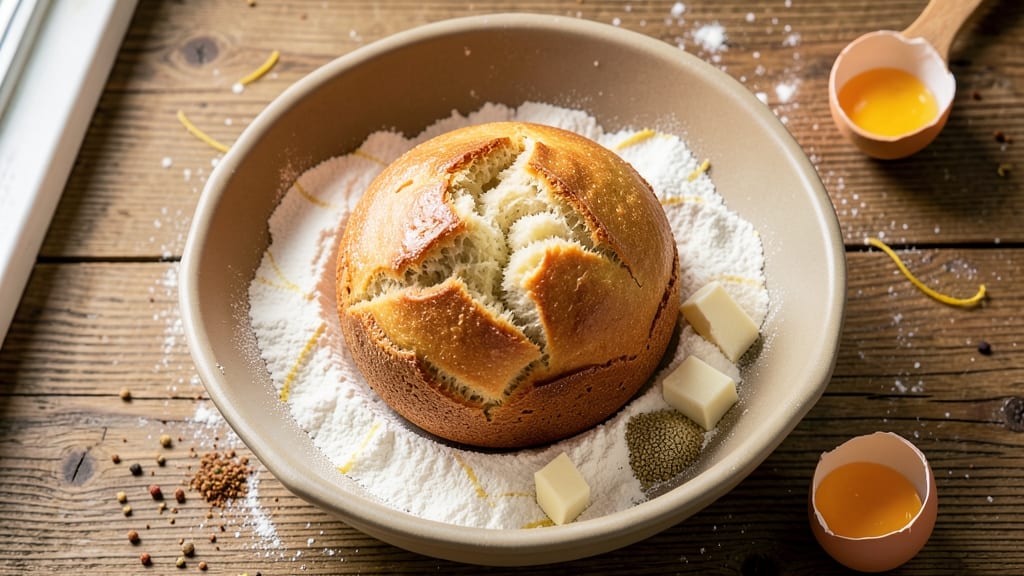
This American white bread recipe delivers the soft, pillowy loaves with a buttery crust that defined classic American baking for generations. The secret lies in precise hydration, gentle kneading, and proper proofing—techniques that transform simple ingredients into bread with an airy crumb and golden finish.
I’ve refined this recipe over years to balance tradition with modern convenience, ensuring foolproof results even for home bakers.
The dough’s magic comes from a moderate hydration level (65%) that creates a tender yet sturdy texture, while a touch of sugar and butter in the dough enhances browning and flavor.
Using instant yeast speeds up fermentation without sacrificing rise, and a laminated butter layer (optional but recommended) delivers that signature flaky crust. This method ensures every loaf turns out with a perfectly even crumb and crisp exterior.
Baking at 375°F for 25–30 minutes yields a loaf with a shatteringly crisp crust and a soft, even interior—no dense centers here. The bread stays fresh for days when stored properly, making it ideal for sandwiches, toast, or serving alongside soups and stews.
Whether you’re baking for a family meal or perfecting your bread-making skills, this recipe delivers restaurant-quality results at home.
For those short on time, I’ve included a quick proofing method that cuts wait time in half without compromising texture. The key is patience in the final proof—letting the dough rise until it springs back slowly guarantees that light, airy crumb we all love.
Let’s get started on mastering this timeless classic.
Ingredients for american white bread
Classic ingredients transformed through precise technique for restaurant-quality American white bread.
| Ingredient | Amount | Notes |
|---|---|---|
| All-Purpose Flour 🌾 | 4 cups | Bread flour for superior rise |
| Instant Yeast 🍞 | 2 ¼ tsp | Active dry works too |
| Granulated Sugar 🍚 | ½ cup | White or light brown |
| Unsalted Butter 🧈 | ½ cup | Cold, cubed for lamination |
| Large Eggs 🥚 | 1 whole | Room temperature preferred |
| Warm Water 💧 | 1 ¼ cups | 110°F for optimal yeast activation |
| Salt 🧂 | 1 tsp | Diamond Crystal preferred |
| Milk 🥛 | ¼ cup | Warm, enhances browning |
| Vegetable Oil 🫒 | 1 tbsp | For bowl coating |
| Cornmeal 🌽 | ¼ cup | For dusting baking sheet |
| Egg Wash 🥚 | 1 whole | 1 egg beaten with 1 tbsp water |
| Coarse Sugar 🍚 | 1 tbsp | For final crust sprinkle |
The foundation begins with bread flour for superior gluten development—King Arthur or Bob's Red Mill are my go-to brands. Instant yeast ensures consistent rise without the need for proofing, while Diamond Crystal kosher salt provides balanced seasoning without overpowering. For the butter, Plugrá or Land O'Lakes work perfectly; keep it cold to prevent premature melting during lamination. The warm water should be between 105-110°F—too hot kills yeast, too cool slows activation. King Arthur flour contains malted barley for extra yeast nutrition, but Pillsbury Best all-purpose works in a pinch.
No bread flour? Add 1 tbsp vital wheat gluten per 4 cups all-purpose flour for comparable structure. Active dry yeast requires proofing in warm water for 5 minutes before mixing, while sour dough starter can replace yeast at a 1:1 ratio for deeper flavor. Butter substitutes like coconut oil (solid) or vegetable shortening work for lamination, though texture differs slightly. Milk can be swapped for water plus 1 tsp powdered milk, and cornmeal alternatives include semolina or rice flour for dusting. The egg wash can be made vegan with 1 tbsp plant milk plus 1 tsp oil, though it won't brown as deeply.
Store baked loaves in a canvas bread bag or paper towel-lined basket for up to 5 days at room temperature. For longer storage, freeze fully cooled loaves wrapped in plastic for 3 months—thaw at room temperature before serving. Toast stale bread for 5 minutes at 350°F to revive texture. The laminated butter layer (optional) requires careful handling—keep butter cold and fold gently to avoid overworking. Proofing time varies by humidity; dough is ready when it springs back slowly when poked (about 1.5-2 hours at 75°F). Bake immediately after shaping for optimal texture.
Why You'll Love This Recipe
- I make a big batch on Sunday: toast for breakfast, grilled cheese for lunch, and sandwiches for dinner. It’s my go-to for any meal where bread is the star.
- No-Knead Magic: I swear by this dough—just mix, let it rise, and bake. The butter and sugar work their magic while you’re watching TV, so you’re not stuck in the kitchen for hours.
- Soft Gold Standard: That pillowy crumb? It’s all in the butter and sugar balance. Warm it up, and it’s like biting into a cloud—no dry, store-bought texture here.
- Breakfast to Sandwiches: I make a big batch on Sunday: toast for breakfast, grilled cheese for lunch, and sandwiches for dinner. It’s my go-to for any meal where bread is the star.
Step-by-step instructions for American white bread
Master this classic recipe for bread with a tender crumb and golden crust.
Mix the Dough Ingredients
In a large mixing bowl, combine the 4 cups all-purpose flour, 2.25 tsp instant yeast, 0.5 cup granulated sugar, 1 tsp salt, and 0.5 cup cold cubed unsalted butter. The butter should remain in small cubes for proper lamination during kneading. Mix these dry ingredients with a wooden spoon or your hands until the butter is evenly distributed throughout the flour.
Create a well in the center and add the 1 whole large egg, 1.25 cups warm water (110°F), and 0.25 cup warm milk. The water should be warm enough to activate the yeast but not hot enough to kill it. Begin mixing with a wooden spoon, gradually incorporating the liquids into the dry ingredients until a shaggy dough forms. This initial mixture should be sticky but manageable.
Knead the Dough Thoroughly
Lightly coat your work surface with 1 tbsp vegetable oil to prevent sticking. Transfer the dough to the surface and begin kneading by pressing down with the heels of your hands, then folding and turning the dough. Knead for 8-10 minutes until the dough becomes smooth, elastic, and springs back slowly when pressed. This indicates proper gluten development, which is essential for that signature soft texture.
If the dough feels too sticky, add 1-2 tablespoons of additional flour, but avoid overdoing it—too much flour can make the bread dense. The dough should be slightly tacky but not wet. Once properly kneaded, shape the dough into a ball, place it back in the oiled bowl, cover with a damp kitchen towel, and let it rise in a warm place for 1-1.5 hours or until it has doubled in size. The dough should feel light and airy when pressed gently.
Shape and Proof the Dough
Once the dough has risen, punch it down to release the air and divide it into 4 equal portions (about 1 pound each). Shape each portion into a smooth, round loaf by rolling it into a ball with your hands, then flattening it slightly before rolling it again. This shaping helps create an even rise and a uniform loaf structure.
Place each shaped loaf onto a baking sheet lined with 0.25 cup cornmeal. The cornmeal creates a barrier that prevents sticking and adds a subtle crunch to the bottom of the bread. Cover the loaves loosely with a clean kitchen towel and let them proof for another 30-45 minutes until they have risen slightly and feel firm to the touch. This second rise ensures the bread will have a proper oven spring.
Prepare for Baking
Preheat your oven to 375°F. While the oven heats, prepare the egg wash by beating 1 whole egg with 1 tbsp water in a small bowl until smooth. Brush this mixture evenly over the tops of each loaf, then sprinkle generously with 1 tbsp coarse sugar. The sugar will caramelize in the oven, creating a beautiful, buttery crust.
Bake the loaves for 25-30 minutes until they are golden brown and sound hollow when tapped on the bottom. The internal temperature should reach 190-200°F when measured with an instant-read thermometer. If the tops brown too quickly, tent the loaves with aluminum foil to prevent over-browning while allowing them to finish baking evenly.
Cool and Serve
Remove the loaves from the oven and transfer them to a wire rack to cool completely. This step is crucial—cooling the bread properly prevents it from becoming gummy and allows the crumb to set. While cooling, you’ll notice the bread firm up slightly and develop a crisp crust. Once fully cooled, slice the bread with a sharp serrated knife for clean, even cuts.
Serve the bread warm or at room temperature. The result should be a soft, pillowy interior with a crisp, buttery crust that’s perfect for sandwiches, toast, or simply enjoying with butter. For best results, store any leftovers in an airtight container at room temperature for up to 3 days or freeze for longer storage.
Pro Tips For Making American White Bread
- Measure Butter Cold: Grab that butter straight from the fridge—no softening needed. I used to melt it by accident once, and the dough turned greasy instead of flaky. Cut it into small cubes and let them sit in the flour while mixing; they’ll incorporate better without turning the dough into soup.
- Bloom Yeast in Warm Water: Skip the dry yeast straight into the flour—it’s a rookie move. Mix the instant yeast with the warm water (110°F max) and a pinch of sugar first, then wait 5 minutes until it foams. This guarantees it’s active before the dough even starts rising, or you’ll end up with dense, sad bread.
- Knead Until Windowpane: The dough should pass the windowpane test: stretch a small piece, and if it’s thin enough to see light through without tearing, you’re golden. I learned this the hard way—under-kneaded dough collapses during baking, while over-kneaded dough gets tough. Aim for 8-10 minutes by hand or 5-6 on a stand mixer with a dough hook.
- Let Dough Rise Twice: First rise in the bowl is non-negotiable, but the second rise in a greased loaf pan is where the magic happens. After shaping, let it proof at room temp until it’s doubled—about 1-1.5 hours. This ensures a light, airy crumb instead of a brick. (Yes, even if you’re impatient like me.)
Best sauces and condiments for these flavors
Classic Butter Spread
Nothing beats the simplicity of softened Land O'Lakes butter mixed with a pinch of Diamond Crystal salt and a squeeze of fresh lemon juice.
I like to warm the butter slightly to make it easier to spread, then add 1 tsp lemon juice and ½ tsp salt per ¼ cup butter. The acidity brightens the bread’s richness while keeping it light and fluffy.
For extra flair, fold in 1 tsp finely chopped chives—they add a delicate onion note that pairs beautifully with the buttery crust. 🧈
Honey-Garlic Glaze
This sweet-savory glaze elevates sandwiches to restaurant quality. Combine ¼ cup honey, 2 tbsp olive oil, 2 minced garlic cloves, and 1 tsp Dijon mustard in a small saucepan. Simmer over low heat for 3-4 minutes until thickened.
Brush warm glaze onto freshly sliced bread, then toast lightly. The caramelized honey creates a sticky, aromatic crust that balances the bread’s soft interior. I often add a sprinkle of flaky sea salt right before serving to cut through the sweetness. 🍯
Garlic-Herb Compound Butter
For a gourmet touch, make a garlic-herb compound butter by mixing ½ cup softened butter with 2 minced garlic cloves, 1 tbsp chopped parsley, 1 tbsp chopped thyme, and ½ tsp black pepper.
Roll into a log, chill for 30 minutes, then slice and spread on warm bread. The herbs infuse the butter with fresh, aromatic notes that complement the bread’s buttery crust. I love this for grilled cheese sandwiches or as a topping for tomato soup. 🌿
Spicy Mayo Spread
Crank up the heat with a spicy mayo that’s perfect for BLTs or pulled pork sandwiches. Mix ½ cup mayonnaise with 1 tbsp hot sauce (like Cholula or Tabasco), 1 tsp smoked paprika, and ½ tsp garlic powder.
The smoky heat cuts through the bread’s richness while adding depth. For extra creaminess, stir in 1 tbsp sour cream. This spread works best on slightly toasted bread to prevent sogginess. 🌶️
Cheese Sauce Pairings
For ultimate indulgence, pair your white bread with a creamy cheese sauce. Melt 1 cup shredded cheddar with ½ cup milk and 1 tbsp butter over low heat, stirring until smooth. Add ½ tsp mustard powder for tang.
Drizzle over grilled cheese or use as a dip for veggie sticks. For a twist, swap cheddar for Monterey Jack or Gruyère—both melt beautifully and add unique flavors. 🧀
Fruit Preserves
Sweet and tangy fruit preserves add a refreshing contrast to the bread’s buttery richness. I recommend strawberry, raspberry, or peach varieties. Warm 1-2 tbsp preserves in a small saucepan until spreadable, then brush onto toasted bread.
The acidity in the preserves balances the bread’s sweetness, making every bite feel like a dessert. For extra flair, top with a sprinkle of flaky salt or a dollop of whipped cream. 🍓
Nutrition facts
Frequently asked questions
Can I substitute bread flour for all-purpose flour in this recipe?
Yes, but with a small adjustment! While the recipe calls for all-purpose flour, you can use bread flour by reducing it to 3.75 cups and adding 1 tbsp vital wheat gluten. This maintains the same protein structure for that perfect rise. If you don't have gluten, use 4 cups all-purpose flour—just expect a slightly less open crumb. The texture will still be soft and delicious!
Why does my dough feel too sticky or too dry?
Sticky dough usually means you need 1-2 tbsp more flour during kneading, while dry dough often results from adding too much flour too soon. For sticky dough, wet your hands slightly and keep kneading—it should be tacky but not wet. If it's dry, add 1 tbsp warm water at a time until it becomes pliable. The ideal dough should spring back slowly when poked.
Can I make this bread without butter for a lighter version?
Replace the 0.5 cup butter with 0.5 cup neutral oil (like vegetable or canola) for a lighter texture. Skip the lamination step and mix the oil directly with the dry ingredients. The bread will still be soft and flavorful, though slightly less rich. For extra flavor, add 1 tsp honey or melted margarine to the dough.
How do I know when the bread is fully baked?
Look for three key signs: the internal temperature should reach 190-200°F (use an instant-read thermometer), the crust should be golden brown, and the bread should sound hollow when tapped on the bottom. If it browns too quickly, tent with foil to prevent over-browning while it finishes baking.
Can I freeze this bread for later use?
Yes! Cool the bread completely, then wrap each loaf tightly in plastic wrap followed by a freezer bag. Frozen bread stays fresh for up to 3 months. To revive, thaw at room temperature for 1-2 hours or warm in a 300°F oven for 10 minutes to restore freshness. Avoid reheating in the microwave—it makes the bread gummy.