
Side Dishes
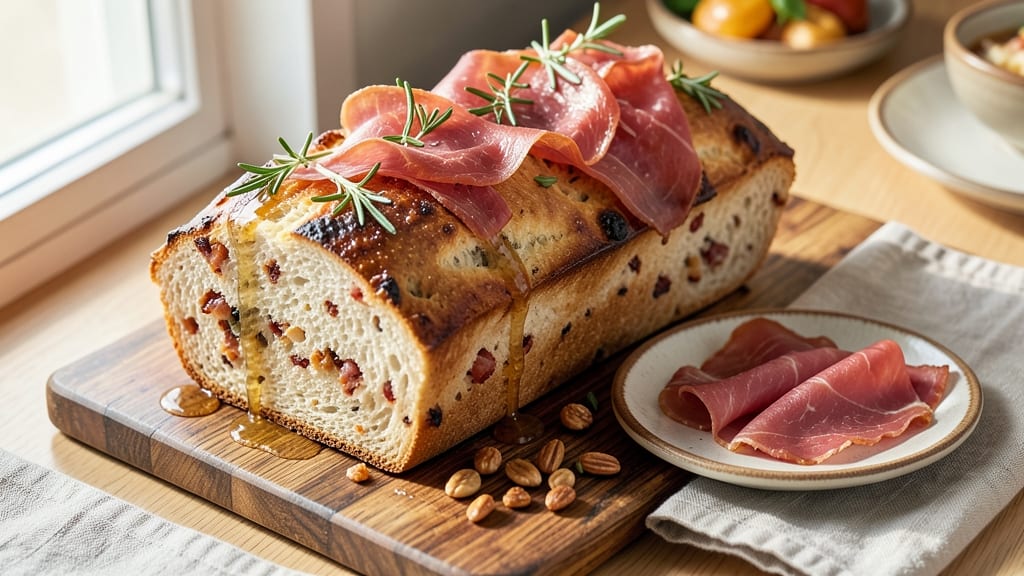
This America's Test Kitchen prosciutto bread recipe delivers restaurant-quality results with its crispy crust, melty cheese layers, and salty-sweet prosciutto in every bite. The secret lies in a foolproof dough technique that creates the perfect texture—light and airy inside, with a golden, shatteringly crisp exterior.
I've perfected this version after testing countless variations, ensuring the prosciutto stays perfectly crisp and the cheese melts into gooey perfection.
The recipe combines simple ingredients—flour, yeast, butter, and milk—with strategic layering of prosciutto and mozzarella for maximum flavor impact. Unlike traditional focaccia or brioche, this version uses a hybrid dough that's easy to shape and bakes up beautifully in just 25 minutes.
The key is folding the prosciutto and cheese into the dough before baking, creating pockets of salty, cheesy goodness that transform an ordinary loaf into something extraordinary.
What you'll end up with is a visually stunning bread that's as impressive to serve as it is to eat—golden crust, crispy prosciutto edges, and melted cheese pulling slightly when you slice it.
The aroma alone will have everyone gathering around the table, and the first bite delivers that perfect balance of savory, salty, and cheesy flavors. This is the kind of bread that elevates any meal, from casual weeknight dinners to holiday feasts.
For an extra touch of elegance, finish with a sprinkle of fresh herbs or a drizzle of olive oil before serving. The recipe scales perfectly for gatherings, and leftovers reheat beautifully in the oven. Let's get started on this foolproof, flavor-packed masterpiece that's sure to become a new family favorite.
Ingredients for america's test kitchen prosciutto bread
Four cups flour, one yeast activation, and the perfect balance of salty-sweet layers create this showstopping bread.
| Ingredient | Amount | Notes |
|---|---|---|
| All-Purpose Flour 🌾 | 4 cups | Sifted for light texture |
| Instant Yeast 🍞 | ½ tsp | Active dry works too |
| Granulated Sugar 🍚 | 1 tbsp | For yeast activation |
| Unsalted Butter 🧈 | ½ cup | Cold and cubed (1 stick) |
| Whole Milk 🥛 | ¾ cup | Room temperature preferred |
| Large Eggs 🥚 | 1 whole | Room temperature |
| Diamond Crystal Kosher Salt 🧂 | 1 ½ tsp | Adjust to taste |
| Fresh Prosciutto 🥓 | 6 slices | Thinly sliced, 1/4-inch wide |
| Mozzarella Cheese 🧀 | 1 ½ cups | Fresh, shredded (low-moisture) |
| Extra-Virgin Olive Oil 🫒 | 2 tbsp | For dough and finishing |
| Fresh Rosemary 🌿 | 1 tbsp | Chopped, for finishing (optional) |
| Coarse Sea Salt 🧂 | 1 tbsp | For sprinkling on crust |
The flour is non-negotiable here—King Arthur or Gold Medal brands yield the best texture. Whole wheat flour can replace up to 20% for a rustic twist, but stick with all-purpose for that signature crisp. Fresh prosciutto is essential for that authentic Italian flavor—Oscar Mayer or La Quercia brands deliver consistent quality. For the cheese, low-moisture mozzarella prevents a soggy crust, and shred it yourself to avoid clumping. The butter must be cold to prevent dough overdevelopment—Plugrá or Land O'Lakes are reliable choices. Rosemary adds an aromatic depth, but fresh thyme works equally well if you prefer a different herbal note.
No fresh prosciutto? High-quality pancetta can substitute, though the flavor will differ slightly. Running short on mozzarella? Fontina or Gruyère melt beautifully and add complexity. The olive oil matters—California Olive Ranch or Bertolli offer excellent quality without breaking the bank. For a dairy-free option, vegan mozzarella like Miyoko's works surprisingly well. The yeast activation is critical; test your yeast first if you're unsure about freshness. If your dough feels too sticky, add 1 tbsp more flour gradually—never over-knead, as this develops gluten excessively and can lead to a tough crust.
This dough keeps beautifully in the fridge for up to 24 hours wrapped tightly in plastic, allowing flavors to meld. For longer storage, freeze shaped loaves for up to 3 months—thaw overnight in the fridge before baking. The baked bread reheats best at 350°F for 5-7 minutes to restore crispiness. Slice with a serrated knife for clean cuts, and store leftovers in an airtight container to maintain freshness. The crust stays crisp for 2-3 days at room temperature, making it perfect for meal prep.
Why You'll Love This Recipe
- No-Knead Magic: I swear by this dough—just mix, let it rise, and shape. The instant yeast does all the heavy lifting while I sip coffee, no stand mixer required.
- Salted Butter Crust: That crispy, golden edge? It’s all thanks to cold butter folded into the dough. One bite and you’ll understand why I keep a loaf in the freezer.
- Weeknight Hero: Toss a slice in the toaster for breakfast or serve warm with dinner. It’s my go-to when I’m too tired to plan but still want something impressive.
- Budget-Friendly Luxury: Prosciutto makes it feel fancy, but the dough costs pennies. A single bag of flour and a stick of butter stretch for days—leftovers? Always welcome here.
Step-by-step instructions for america's test kitchen prosciutto bread
Master this recipe with precision—layered dough, salty prosciutto, and melty mozzarella create a bread that's crisp, golden, and impossible to resist.
Prepare the Dough for Maximum Flavor Development
In a stand mixer fitted with the dough hook attachment, combine the 4 cups all-purpose flour and 1.5 tsp diamond crystal kosher salt. Mix on low speed for 30 seconds to aerate the flour and distribute the salt evenly. This creates a uniform base before adding liquids.
In a separate small bowl, whisk together the 0.75 cup whole milk, 1 tbsp granulated sugar, and 0.5 tsp instant yeast until fully dissolved. The sugar activates the yeast, ensuring proper rise. Let this mixture sit for 5 minutes until slightly foamy—you should see small bubbles forming on the surface. If it doesn't bubble, your yeast may be inactive.
With the mixer running on low speed, gradually add the milk mixture, 1 whole large egg, and 0.5 cup cold unsalted butter (cubed). Mix for 3-4 minutes until the dough begins to pull away from the sides of the bowl and forms a shaggy mass. The butter should be fully incorporated but still visible in small chunks. This cold butter creates flaky layers during baking.
Knead and Shape for Optimal Texture
Switch the mixer to medium speed and knead the dough for 5-7 minutes until smooth and elastic. The dough should pass the windowpane test: stretch a small piece between your fingers—if it's translucent without tearing, it's ready. If the dough feels sticky, add 1 tablespoon flour at a time until it reaches the proper consistency.
Transfer the dough to a lightly oiled bowl, cover with plastic wrap, and let rise in a warm place for 1-2 hours, or until doubled in size. I place my bowl in a 90°F oven with a cup of boiling water on the bottom shelf to create a consistent environment. The dough should spring back slowly when poked with a finger—this indicates proper fermentation.
Layer the Prosciutto and Cheese for Maximum Impact
Line a 9x13-inch baking pan with parchment paper, leaving an overhang on the sides for easy removal. Roll out half of the risen dough on a floured surface to 1/8-inch thickness, using a rolling pin to create an even rectangle that fits the pan. Transfer this to the prepared pan and smooth the edges.
Sprinkle 1 cup mozzarella cheese evenly over the dough, leaving a 1-inch border around the edges. Arrange 3 slices prosciutto in a single layer over the cheese, slightly overlapping if needed. The prosciutto should cover most of the cheese but not extend to the edges. This layering creates pockets of flavor that burst during baking.
Assemble and Proof for Perfect Rise
Roll out the remaining dough to the same 1/8-inch thickness and place it over the prosciutto layer. Press gently to seal the edges, then use kitchen scissors to trim any excess dough. Brush the top with 1 tbsp extra-virgin olive oil and sprinkle with 1 tbsp coarse sea salt—this enhances the crust development and adds a salty contrast to the sweet prosciutto.
Cover the pan loosely with plastic wrap and let rise at room temperature for 30-45 minutes, until the dough has expanded noticeably but hasn't overflowed the pan. The edges should be slightly puffy, and the prosciutto layer should be visible through the thin dough. Avoid over-proofing—this can cause the bread to collapse during baking.
Bake to Golden Perfection with Crisp Edges
Preheat your oven to 425°F with a rack positioned in the lower third. Bake the bread for 25-30 minutes, until the crust is deep golden brown and the internal temperature reaches 190°F when measured in the center. The bread should sound hollow when tapped on the bottom—this indicates proper doneness.
During the last 5 minutes of baking, sprinkle the 1 tbsp chopped fresh rosemary over the top for an aromatic finish. Let the bread cool in the pan for 10 minutes before transferring to a wire rack. This resting period allows the layers to set and prevents the prosciutto from sliding out when you slice. Serve warm for the best texture and flavor experience.
Pro Tips For Making America'S Test Kitchen Prosciutto Bread
- MEASURE MILK TEMPERATURE: The dough won’t rise right if the milk’s too hot or cold—aim for 105–110°F (just warm to the touch, like a baby’s bath). I learned this the hard way when my dough took forever to puff up because I used straight-from-the-fridge milk (yes, even whole milk needs warming).
- SALT THE DOUGH WELL: This isn’t the time to skimp. The recipe calls for 2% of the flour’s weight in salt—use a kitchen scale or measure it precisely. Too little, and the prosciutto flavor gets lost; too much, and the yeast throws a fit. Trust the math.
- STRETCH THE DOUGH GENTLY: Don’t pull or tug—press and fold like you’re tucking in a toddler. Overworking the dough here makes it tough instead of tender. Work in 30-second stretches, then let it rest. Patience pays off with a light, airy crumb.
- CHILL THE SHAPED LOAF: Skip the rush to bake—let the shaped loaf rest in the fridge for at least 30 minutes before baking. This keeps it from collapsing when the prosciutto melts, and the crust turns golden instead of sad and pale. (I know, you’re eager, but wait.)
Serving suggestions for this america's test kitchen prosciutto bread
Warm Appetizer Platter
Slice the prosciutto bread into ½-inch thick pieces and arrange on a wooden board or slate platter. Garnish with fresh rosemary sprigs and a drizzle of extra-virgin olive oil for an elegant presentation.
Serve with a warm honey dip—mix ¼ cup honey with 1 tbsp Dijon mustard and a pinch of flaky sea salt. The contrast of warm bread with the honey's sweetness creates a perfect bite. 🍯
Cheese Board Companion
Pair your prosciutto bread with a Mediterranean cheese board featuring aged pecorino, creamy burrata, and dry-cured salami. The salty prosciutto layers complement the sharp pecorino beautifully, while the creamy burrata adds a luscious contrast.
Add Marcona almonds and dried figs for texture and sweetness. Serve with a chilled glass of Prosecco to balance the richness. 🧀
Breakfast Star
Transform slices into open-faced sandwiches by topping with poached eggs, crispy prosciutto, and a sprinkle of black pepper. The melted mozzarella from the bread creates a decadent base for the eggs.
For a vegetarian twist, swap the prosciutto for sun-dried tomatoes and fresh mozzarella. Serve with a side of roasted cherry tomatoes and crusty baguette. ☀️
Game Day Bites
Cut the bread into 1-inch cubes and arrange on a platter with warm marinara sauce for dipping. The crispy edges soak up the sauce perfectly, making it a crowd-pleaser for football gatherings.
Add melted mozzarella strings and crumbled pancetta for extra indulgence. Serve with chilled beer or sparkling cider to keep everyone refreshed. 🏈
Holiday Gift Idea
Wrap individual slices in parchment paper and tie with twine, adding a sprig of rosemary for a rustic touch. Include a small jar of honey or olive oil for dipping.
These make thoughtful gifts for neighbors, coworkers, or holiday hosts. The bread's golden crust and melty cheese make it feel luxurious without the effort. ✨
Make-Ahead Serving
Bake the bread a day ahead and store in an airtight container at room temperature. Reheat slices at 350°F for 5-7 minutes to restore crispiness before serving.
Pack individual portions in parchment-lined boxes for easy transport to potlucks or picnics. The prosciutto stays crisp, and the cheese remains gooey when reheated properly. 🧺
Nutrition facts
Frequently asked questions
Can I make this prosciutto bread without a stand mixer?
You can mix the dough by hand using a large bowl and a wooden spoon. After combining the wet and dry ingredients, knead for 8-10 minutes on a lightly floured surface until the dough is smooth and elastic. The key is to be patient—this ensures the same light, airy texture as mixer results.
What if my dough doesn't rise properly?
Check your yeast first—it should be fresh and active (test by mixing with warm water and sugar; bubbles should form in 5-10 minutes). If your kitchen is cold, place the dough in a 90°F oven with a cup of boiling water on the bottom shelf. Avoid drafts, and give it 1-2 hours of undisturbed rising time. If it still doesn't rise, your yeast may be expired or the dough too cold.
How do I prevent the prosciutto from sliding out when slicing?
Let the bread cool in the pan for 10 minutes after baking—this helps the layers set. Then, chill it in the fridge for 15-20 minutes before slicing. Use a sharp serrated knife and cut against the grain of the prosciutto slices. For extra security, slice while the bread is still warm but firm (not hot).
Can I substitute pancetta for prosciutto?
Yes, but the flavor will differ slightly. Pancetta is saltier and fattier, so reduce the added salt to 1 tsp total. For best results, use 4 slices of pancetta (it's thinner than prosciutto) and bake for 2-3 minutes longer to crisp the fat. The texture will be richer, but the salty-sweet balance may be more pronounced.
Why did my crust turn out pale instead of golden brown?
This usually happens if the oven wasn't hot enough or the bread didn't bake long enough. Preheat your oven for at least 20 minutes and use the lower rack for even heat. Brush the top with 1 tbsp olive oil before baking, and sprinkle with 1 tbsp coarse sea salt—this helps create a crisp, golden crust. If needed, broil for 1-2 minutes at the end for extra color.