
Breakfast & Brunch
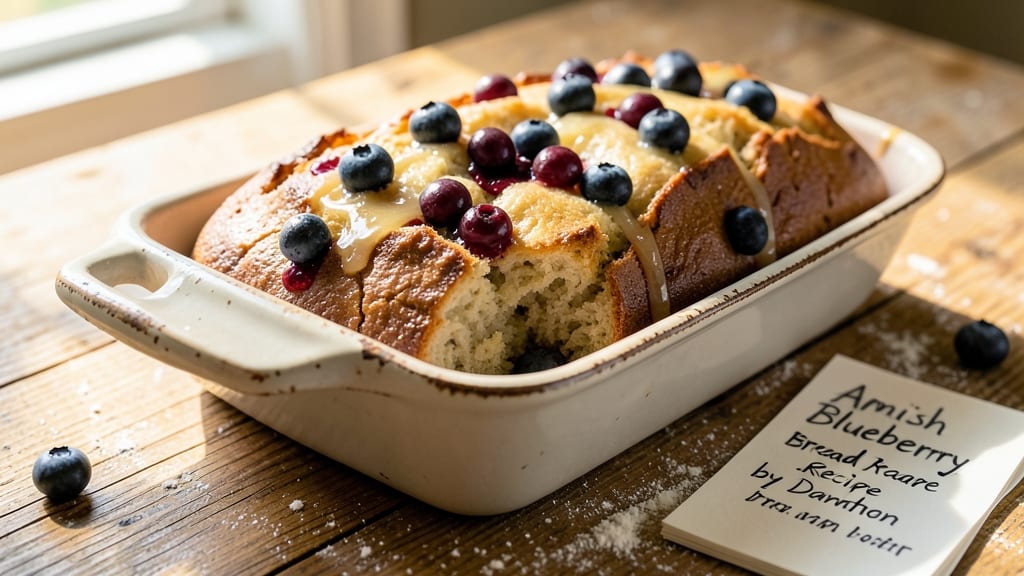
This Amish blueberry bread recipe by daughter delivers the kind of homemade sweetness that tastes like a warm hug from your favorite family gathering. 💛 The secret lies in a simple, foolproof dough that encases plump blueberries in every bite, creating that perfect balance of tender crumb and juicy bursts.
I first made this recipe when my daughter asked for something special to share with her classmates, and it became an instant hit.
The beauty of this recipe is in its simplicity—just a few basic ingredients come together to create a loaf that's both comforting and impressive. The dough is mixed in one bowl, and the blueberries are folded in gently to keep them whole, ensuring each slice delivers that signature juicy flavor.
Baking at the right temperature ensures a golden crust and perfectly tender interior, making it ideal for breakfast or as a sweet treat any time of day.
What makes this recipe truly special is how it brings people together. Whether you're serving it at a family breakfast, sharing slices with neighbors, or packing it for a picnic, this blueberry bread is sure to be a crowd-pleaser.
The aroma of fresh blueberries baking in the oven is enough to bring everyone to the table, and the taste is even better.
The best part? This recipe is easy to adapt—add a touch of lemon zest for brightness, a sprinkle of cinnamon for warmth, or a drizzle of glaze for extra indulgence. Once you try it, you'll want to make it again and again. Let's get started!
Ingredients for amish blueberry bread recipe by daughter
Just 12 ingredients for that classic Amish blueberry bread—juicy, tender, and full of nostalgic flavor.
| Ingredient | Amount | Notes |
|---|---|---|
| All-Purpose Flour 🌾 | 4 cups | Sifted for light texture |
| Granulated Sugar 🍚 | 1 ½ cups | White or light brown |
| Unsalted Butter 🧈 | 1 cup | Cold, cubed for easier mixing |
| Large Eggs 🥚 | 2 whole | Room temperature preferred |
| Milk 🥛 | 1 cup | Whole milk for richness |
| Active Dry Yeast 🍞 | 2 ¼ tsp | Or 1 packet instant yeast |
| Fresh Blueberries 🫐 | 2 cups | Washed and dried thoroughly |
| Baking Powder 🧂 | 1 ½ tsp | Diamond Crystal preferred |
| Salt 🧂 | ½ tsp | Fine sea salt |
| Vanilla Extract 🌸 | 1 tsp | Pure vanilla preferred |
| Lemon Zest 🍋 | 1 tbsp | Optional for brightness |
| Turbinado Sugar 🍚 | ¼ cup | For topping, optional |
The blueberries are the star, so grab the freshest you can find—local farmers markets or the produce section at Whole Foods have the best. If you're using frozen, thaw and dry them first to keep the dough from getting soggy. The yeast is non-negotiable here—check the expiration date (it should smell fresh, not stale). I always grab mine from the baking aisle at Kroger—it's reliable and affordable. For the butter, Land O'Lakes unsalted works perfectly, but any good-quality brand will do. Keep it cold when measuring to avoid melting in the dough.
No vanilla extract? Vanilla bean paste works in a pinch, or even a dash of almond extract if you're in a bind. Swapping white sugar for light brown adds subtle molasses notes—worth it if you love that depth. The baking powder is key: if you only have double-acting, use 2 tsp instead of 1.5. For the lemon zest, if you don't have a zester, a fine grater works great—just avoid the bitter white pith. Frozen blueberries? Pat them completely dry with a paper towel before folding into the dough. The dough will be sticky, but that's normal—don't overwork it.
This dough keeps beautifully in the fridge for 3-4 days, wrapped tightly in plastic. For longer storage, freeze the shaped loaf for up to 3 months—thaw overnight in the fridge before baking. The baked bread stays fresh for 2 days at room temperature, or 1 week in the fridge wrapped in foil. Slice it thick for that classic Amish bread experience, and save the crusts for French toast—trust me on that. Leftovers? Toss them in a baggie and freeze for quick toast later.
Why You'll Love This Recipe
- No Mixer Needed: I swear by this—just a bowl, a whisk, and your hands. The butter gets forked into flour until it’s crumbly, then the milk and eggs come together like magic. My daughter insists it’s "the easiest bread ever," and she’s right.
- Sweet-Tart Magic: That perfect balance of sugar and fresh blueberries? It’s what makes this bread ridiculously good. The butter keeps it tender while the eggs add richness, and the blueberries? They burst just enough to make every bite feel like summer.
- Breakfast or Snack: Honestly, I make this for breakfast, lunch, or when I’m craving something sweet without guilt. Toast it warm with butter, or slice it cold for a picnic—it’s just as good either way. My daughter even packs it in her lunchbox.
- Budget-Friendly Staples: Flour, sugar, butter, eggs, milk—these are things I already have. No fancy ingredients, no wasted leftovers (unless you count me sneaking slices the next day). It’s the kind of recipe that stretches your grocery budget without sacrificing flavor.
Step-by-step instructions for Amish blueberry bread
Here's how to make this classic recipe with tender crumb and plump blueberries—just like my daughter taught me.
👨🍳 Step 1: Mix the Yeast and Wet Ingredients
In a small bowl, combine the 1 cup milk (warmed to 110°F—just warm to the touch) with 2.25 tsp active dry yeast and 1.5 cups granulated sugar. Let it sit for 5-10 minutes until frothy—this proves your yeast is alive and ready to work. If it doesn't bubble, start over with fresh yeast.
In a large mixing bowl, beat the 2 whole large eggs until smooth, then add the 1 cup cold cubed unsalted butter and mix until creamy. Here's the thing—cold butter creates flaky layers, so don't let it get soft. Scrape the yeast mixture into the bowl and stir until fully combined.
👨🍳 Step 2: Combine Dry Ingredients and Fold in Blueberries
In a separate bowl, whisk together the 4 cups all-purpose flour, 1.5 tsp baking powder, and 0.5 tsp salt. Gradually add this dry mixture to your wet ingredients while mixing on low speed until just combined—you should still see flour streaks. Overmixing develops gluten, which makes the bread tough.
Gently fold in the 2 cups fresh blueberries using a silicone spatula. Don't overmix here either—you want those berries to stay whole and juicy. Add the 1 tsp vanilla extract and 1 tbsp lemon zest (if using) and stir until evenly distributed. The lemon zest adds a bright pop that cuts through the sweetness.
🥘 Step 3: Knead and Let the Dough Rise
Turn the dough onto a lightly floured surface and knead for 5-7 minutes until smooth and elastic. You're looking for a dough that springs back when poked. If it feels sticky, add 1 tablespoon flour at a time until it comes together nicely.
Place the dough in a greased bowl, cover with a damp towel, and let it rise in a warm spot for 1-1.5 hours or until doubled in size. I like to put my oven on its lowest setting (170°F) with a cup of boiling water underneath for a perfect proofing environment. Poke the dough—if it springs back slowly, it's ready.
🔥 Step 4: Shape, Rise Again, and Bake
Punch down the risen dough and shape it into a 9x5-inch loaf pan, pressing the blueberries gently into the top. Cover again and let it rise for another 30-45 minutes until it puffs above the pan edges. Sprinkle the 0.25 cup turbinado sugar evenly over the top for that classic crunchy crust.
Preheat your oven to 350°F and bake for 50-55 minutes until the top is golden brown and a toothpick inserted in the center comes out clean. The bread might look underdone at first, but it continues cooking as it cools. Let it rest in the pan for 10 minutes, then transfer to a wire rack to cool completely before slicing.
Pro Tips For Making Amish Blueberry Bread Recipe By Daughter
- DON’T OVERMIX THE DOUGH: I learned this the hard way—tossing the flour, sugar, and butter with the milk and eggs until it’s too smooth makes for dense, tough bread. Mix just until the dry ingredients disappear, then stop. The dough should look shaggy, not like pancake batter. (Yes, even if you’re impatient like me.)
- USE COLD BUTTER FOR LAYERS: Cut that unsalted butter into cubes and chill them for 20 minutes before mixing. Cold butter creates flaky, tender layers that melt into golden pockets—warm butter just dissolves into a greasy mess. Trust me, the effort saves you from dry, crumbly bread later.
- WEIGH THE FLOUR (NOT SCOOP): Scooping flour from the bag packs it down, adding extra weight and throwing off the recipe’s balance. Use a kitchen scale for precision—this bread relies on the right ratio of flour to moisture. I skip this step when lazy, but the texture suffers every time.
- STEAM THE PAN FIRST: Spray the loaf pan with butter, then add a thin layer of water to the bottom before pouring in the batter. The steam helps the bread rise evenly and keeps the bottom from baking too fast. (Pro move: Tap the pan lightly on the counter to release air bubbles right before baking.)
Troubleshooting this recipe
Dense Dough Issues
If your dough feels too sticky or dense after mixing, you likely overworked it or used too much liquid. For a lighter texture, gently knead just until the flour comes together—about 5-7 minutes—and avoid adding extra flour unless absolutely necessary.
I’ve found using 4 cups all-purpose flour (sifted) and keeping the butter cold prevents a gummy dough. If it’s still too dense, let it rest for 20 minutes before shaping—this relaxes the gluten. 💡
Blueberries Sinking
Blueberries sinking to the bottom is a classic problem, but tossing them in 1 tablespoon flour before folding them in keeps them suspended. Another trick? Add them to the dough in batches and gently fold them in with a silicone spatula—this prevents them from breaking and sinking.
If they still sink, reduce the amount of milk by 1-2 tablespoons to thicken the dough slightly. 🫐
Underbaked Bread
An underbaked loaf often happens when the oven isn’t hot enough or the bread is removed too soon. Always preheat your oven to 350°F and bake for the full 50-55 minutes—the bread continues cooking as it cools. A toothpick inserted in the center should come out clean.
If it’s still doughy, tent it with foil and bake for another 10-15 minutes. Pro tip: Place a pan of water on the lower rack to add moisture and ensure even baking. 🔥
Cracked Top
A cracked top usually means the dough rose too much or the oven wasn’t hot enough. To prevent this, shape the dough gently into the loaf pan and ensure it’s not overproofed—it should just puff above the pan edges after the second rise.
If cracks appear, brush the top with a little milk before baking to create a smoother crust. For extra insurance, sprinkle the turbinado sugar evenly over the top before baking—it helps create a crisp, even crust. ✨
Dry or Crumbly Texture
If your bread turns out dry, you might have overmixed the dough or used too much flour. The key is to handle the dough minimally—just until combined—so the gluten doesn’t tighten too much. For extra moisture, add 1-2 tablespoons milk or melted butter to the dough before shaping.
Another trick? Brush the baked loaf with a simple glaze made of ½ cup powdered sugar + 1 tablespoon milk while it’s still warm. 💧
Yeast Problems
If your dough doesn’t rise, your yeast might be dead or the environment too cold. Always use fresh yeast—check the expiration date—and warm the milk to 110°F (just warm to the touch) before activating it. If the yeast doesn’t bubble within 5-10 minutes, start over with a new packet.
For a warmer proofing environment, place the dough in a turned-off oven with a cup of boiling water underneath. If you’re in a cold kitchen, try proofing the dough near a warm spot like the top of the fridge. 🍞
Nutrition facts
Frequently asked questions
Can I use frozen blueberries instead of fresh?
Yes, but you must thaw and dry them first! Spread frozen blueberries on a paper towel and let them air-dry for 10-15 minutes before folding into the dough. This prevents soggy spots. For best results, use 2 cups fresh or 1.5 cups frozen (after drying).
How do I make this recipe gluten-free?
Swap the all-purpose flour for a 1:1 gluten-free baking flour blend (like Bob's Red Mill) plus 1 tsp xanthan gum. Reduce the milk by 2 tablespoons to compensate for the blend's dryness. Note: The texture will be slightly denser, but still delicious!
Can I add other fruits to this bread?
Try 1 cup chopped strawberries or ½ cup raspberries (tossed in flour first). For best results, stick to 2 cups total fruit to maintain the right balance. Avoid overly juicy fruits like peaches—they can make the dough too wet.
Why does your recipe say "by daughter"? What's the story?
This recipe was my daughter's school project turned family favorite! She wanted to bake something special to share with classmates, and we adapted a classic Amish-style blueberry bread to make it extra kid-friendly. The simplicity and nostalgic flavor made it a hit—now it's our go-to for breakfast gatherings!
How do I store leftovers?
Wrap cooled slices in plastic wrap or foil—they'll stay fresh for 3-4 days at room temperature. For longer storage, freeze slices in a sealed bag for up to 3 months. Toast from frozen for best texture—no thawing needed!