
Side Dishes
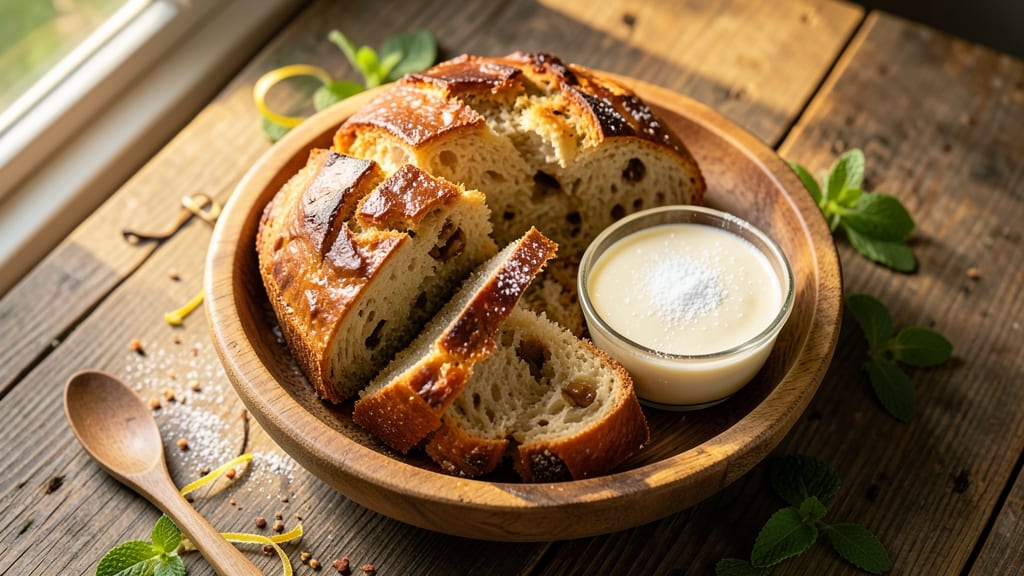
Amish Friendship Bread with vanilla pudding is the ultimate homestyle stack that brings warmth, tradition, and comfort to any table. This recipe combines two beloved classics—the hearty, pull-apart bread and creamy custard—into a meal that feeds a crowd while keeping prep simple. The bread’s signature braided shape and buttery richness pair perfectly with the smooth, vanilla-infused pudding, creating a dish that’s both nostalgic and foolproof.
The beauty of this recipe lies in its simplicity and adaptability. The bread dough rises overnight, allowing flavors to develop deeply while requiring minimal effort from you. The vanilla pudding, made with just a few pantry staples, comes together in minutes and chills effortlessly, ensuring a creamy, dessert-like finish.
Together, they create a meal that’s hearty enough for a family dinner but elegant enough for gatherings.
What makes this dish special is its cultural roots—Amish Friendship Bread is traditionally shared among neighbors as a symbol of community and hospitality. Served warm with a scoop of pudding, it’s a meal that feels like a hug.
The bread stays soft and tender, while the pudding adds a velvety contrast that balances every bite. Whether you’re hosting a holiday feast or simply craving comfort food, this stack delivers.
Ready in just 30 minutes of active prep (plus overnight rise), this recipe is designed for modern kitchens but stays true to its homestyle origins. The bread can be baked fresh or reheated, and the pudding keeps well in the fridge for days.
Top with whipped cream or fresh berries for an extra touch of indulgence. Here’s how to bring this classic to your table.
Ingredients for amish friendship bread recipe with vanilla pudding
Twelve simple ingredients create two homestyle classics—rich bread and velvety pudding—that feed a crowd with tradition.
| Ingredient | Amount | Notes |
|---|---|---|
| All-Purpose Flour 🌾 | 6 cups | White or whole wheat blend |
| Granulated Sugar 🍚 | ½ cup | For bread dough sweetness |
| Active Dry Yeast 🍞 | 2 tsps | Or 1 packet instant yeast |
| Unsalted Butter 🧈 | 1 cup | Cold, cubed for dough |
| Milk 🥛 | 1 cup | Warm for yeast activation |
| Large Eggs 🥚 | 2 whole | Room temperature |
| Vanilla Extract 🌿 | 1 tbsp | Pure extract preferred |
| Salt 🧂 | 1 tsp | Kosher or sea salt |
| Granulated Sugar 🍚 | 1 cup | For pudding base |
| All-Purpose Flour 🌾 | 2 tbsp | For pudding thickening |
| Vanilla Bean Paste 🌿 | 1 tbsp | Or 1 tsp pure extract |
| Milk 🥛 | 4 cups | For pudding mixture |
| Large Egg Yolks 🥚 | 4 whole | Separated from whites |
| Salt 🧂 | ½ tsp | For pudding seasoning |
| Whipped Cream 🍦 | 2 cups | Optional garnish |
The flour is the foundation, so grab a 5-pound bag from King Arthur Flour—it bakes up lighter than store brands. Warm the milk to about 110°F before adding yeast to activate it properly. For the butter, use Land O'Lakes unsalted if you can find it; it has the best flavor for this recipe. The vanilla extract matters here—McCormick Pure is my go-to for consistent quality. If you're using whole wheat flour, sift it first to avoid dense bread. The eggs should be room temperature for even mixing.
No vanilla bean paste? Double the extract—just add 2 tbsp instead. For the pudding, Great Value brand sugar works perfectly fine, but Domino brand dissolves slightly faster. If you're making this ahead, prep the pudding first—it needs time to chill completely. The whipped cream can be homemade or store-bought—just make sure it's fully chilled before serving. For a dairy-free option, substitute almond milk and coconut cream in both the bread and pudding, though the texture will differ slightly.
The bread dough keeps 2 days in the fridge if wrapped tightly in plastic, and the pudding stays fresh for 4 days in an airtight container. For best results, bake the bread fresh and serve the pudding chilled. If you're making this for a crowd, double the pudding recipe—it disappears fast. Store leftovers separately: bread in a bread box, pudding in the fridge with a lid pressed tight. The bread reheats beautifully in a 350°F oven for 10 minutes if it cools completely.
Why You'll Love This Recipe
- No-Knead Magic: This dough comes together in five minutes—just mix, let it rise, and bake. I swear, the yeast does all the work while you sip coffee or fold laundry. That buttery, pull-apart texture? Zero effort, all reward.
- Vanilla Pudding Hug: The warm, fluffy bread with that cool, creamy pudding inside? It’s like a hug for your taste buds. The sugar in the dough caramelizes just enough to make every bite taste like a bakery secret—no fancy ingredients, just pure comfort.
- Weeknight Hero: Breakfast, dessert, or a midnight snack—this bread never lets you down. I’ve served it with jam for brunch, split it open for a sweet treat after dinner, and even packed slices for my kid’s lunchbox. It’s the ultimate crowd-pleaser.
- Budget Baking Win: Flour, sugar, butter, milk—these are pantry staples you already own. A single batch stretches to feed four for breakfast or two for dessert, and leftovers toast up better than day-old store-bought bread. Cheap, filling, and always delicious.
Step-by-step instructions for Amish friendship bread with vanilla pudding
This homestyle stack requires patience and precision—let's build the bread and pudding layer by layer.
Activate the Yeast for Light, Fluffy Dough
In a small bowl, combine the 1 cup warm milk (about 110°F) with the 0.5 cup granulated sugar and 2 tsps active dry yeast. Let it sit for 5-10 minutes until foamy and bubbly. This activation ensures your bread rises properly.
If the mixture doesn't bubble after 10 minutes, your yeast may be dead—start fresh with new yeast. The yeast should create a noticeable foam that multiplies in volume by about 50%. This step is critical for achieving that classic Amish bread texture.
Mix and Knead the Bread Dough
In a large mixing bowl, combine the 6 cups all-purpose flour, 1 tsp salt, and the yeast mixture. Stir until a shaggy dough forms, then add the 2 whole large eggs, 1 tbsp vanilla extract, and the 1 cup cold cubed butter.
Knead the dough on a lightly floured surface for 8-10 minutes until smooth and elastic. The dough should be slightly tacky but not sticky—add flour only if absolutely necessary. For best results, use a stand mixer with a dough hook attachment and knead on medium speed for 5-6 minutes. The dough should pull away cleanly from the sides of the bowl when you press it gently.
First Rise and Shape the Loaves
Place the dough in a lightly greased bowl, cover with a clean kitchen towel, and let rise in a warm place for 1-1.5 hours or until doubled in size. A warm oven with the light on works perfectly for this rise.
Once doubled, punch down the dough and divide it into 12 equal portions (about 3.5 ounces each). Shape each portion into a smooth ball, then flatten slightly and roll into a 10-inch log. Place the logs seam-side down in a greased 9x13-inch baking pan, leaving about 1 inch between each loaf. Cover and let rise for another 30-45 minutes until puffy and slightly domed.
Bake the Bread to Golden Perfection
Preheat your oven to 350°F. Bake the bread for 25-30 minutes until the tops are golden brown and the internal temperature reaches 190°F. The bread should sound hollow when tapped on the bottom.
For even browning, rotate the pan halfway through baking. If the tops brown too quickly, tent loosely with foil. Remove from the oven and let cool in the pan for 10 minutes before transferring to a wire rack. The bread will continue to set as it cools, making it easier to slice later.
Prepare the Vanilla Pudding Layer
In a medium saucepan, whisk together the 4 cups milk, 1 cup granulated sugar, 2 tbsp all-purpose flour, 1 tbsp vanilla bean paste, and 0.5 tsp salt. Cook over medium heat, stirring constantly, until the mixture thickens enough to coat the back of a spoon (5-7 minutes).
Remove from heat and stir in the 4 whole large egg yolks until fully incorporated. Pour the pudding mixture into a greased 9x13-inch baking dish and let it cool to room temperature. Once set, spread a layer of the 2 cups whipped cream over the top for a classic presentation.
Assemble and Serve the Stack
Once the bread has cooled completely and the pudding is set, carefully layer the bread loaves on top of the pudding. Start with a single layer, then add another layer of pudding, followed by another layer of bread. Repeat until all components are used, ending with a final layer of pudding.
Chill the stack in the refrigerator for at least 2 hours before serving to allow the flavors to meld. Slice into squares and serve with additional whipped cream if desired. This dish tastes even better the next day as the flavors develop further.
Pro Tips For Making Amish Friendship Bread Recipe With Vanilla Pudding
- MEASURE MILK PRECISELY: The recipe calls for warm milk, but I learned the hard way—pouring it straight from the fridge into the yeast mix kills it faster than you can say "flat loaf." Heat the milk to 110°F (43°C)—just warm enough to touch your wrist without burning—and hold it there for 5 minutes. Too hot? The yeast will cook; too cold? It’ll take forever to activate. Use a thermometer if you’re unsure—your bread’s rise depends on it.
- KNEAD BY TOUCH NOT TIME: Amish friendship bread needs a firm dough, but most recipes leave kneading vague. Stop when the dough springs back slowly when poked (not instantly) and feels like the inside of your cheek—not sticky, not doughy. Over-kneading makes it tough; under-kneading leaves it gummy. I used to time it at 8–10 minutes, but now I just check the texture—it’s foolproof.
- BUTTER TEMPERATURE MATTERS: Cold butter creates flaky layers, but if it’s too cold, the dough fights you. Cut the butter into ¼-inch cubes and let them sit at room temp for 20–30 minutes before mixing—just until they dent when pressed. Too soft? Chill the dough briefly (15 mins in the fridge) to prevent spreading. The goal is soft enough to work with, firm enough to hold shape. Trust me, your pudding-swirled bread will thank you.
- DON’T SKIP THE SECOND RISE: The vanilla pudding layer is the star, but if the bread’s not fully proofed, it’ll sink like a rock. After shaping, let the dough rise in a greased bowl until it’s doubled and jiggly—not just puffy. I used to rush this, thinking "close enough," but the bread collapses when baked. Cover it loosely with a towel, place it in a warm spot (like a turned-off oven with the light on), and give it 45–60 minutes. Patience here = golden, fluffy layers.
Pro cooking tips for great amish friendship bread recipe with vanilla pudding
Yeast Activation
Don’t skip this critical step—proper yeast activation ensures your bread rises evenly. Warm your 1 cup milk to exactly 110°F (use a thermometer!) before mixing with yeast and sugar. If the mixture doesn’t bubble within 5 minutes, your yeast is dead—start fresh with a new packet.
I’ve ruined batches by rushing this step, so take your time. 🔥
Kneading Perfection
Hand-kneading develops gluten beautifully, but a stand mixer saves your arms. Use the dough hook attachment and knead on medium speed for exactly 5-6 minutes. The dough should be smooth, elastic, and pass the "windowpane test"—stretch a small piece until it’s translucent.
Over-kneading makes bread tough, so stop when it’s just right.
Rise Control
A warm oven with the light on creates the perfect 80-85°F environment for rising. Place your dough bowl inside for 1-1.5 hours—don’t let it overproof! Punch it down gently after the first rise to release gas bubbles.
For the second rise, shape your logs and let them puff for 30-45 minutes—they should nearly double in size but still hold their shape.
Baking Secrets
Rotate your pan halfway through baking for even browning, and check the internal temperature with a thermometer—190°F guarantees perfect doneness. If the tops brown too quickly, tent with foil. Let the bread cool in the pan for 10 minutes before transferring—this prevents crumbling when you slice it later.
Pudding Thickening
Stir your pudding constantly over medium heat to prevent lumps. When it coats the back of a spoon, remove it immediately—overcooking makes it grainy. Let it cool to room temperature before adding egg yolks to avoid scrambling. For extra richness, whisk in 1 tbsp cornstarch with the flour before cooking.
Layering Like a Pro
Start with a thin layer of pudding in your dish, then add bread, repeating until all components are used. End with pudding to keep the top moist.
Chill for at least 2 hours—this lets flavors meld and makes slicing clean. Serve with extra whipped cream and fresh berries for a restaurant-worthy finish. ✨
Nutrition facts
Frequently asked questions
Can I make this recipe without a stand mixer?
This bread is designed to be made by hand. Knead the dough on a lightly floured surface for 8-10 minutes until smooth and elastic. Work in short bursts to avoid overheating your hands. The key is patience—press, fold, and turn the dough until it passes the "windowpane test" (stretch a small piece until translucent).
How do I store leftovers to keep them fresh?
Store the bread in an airtight container or bread box at room temperature for up to 2 days. For longer storage, wrap individual slices in plastic wrap and freeze for up to 3 months. Reheat slices in a 350°F oven for 5-7 minutes to restore freshness. The pudding keeps well in the fridge for 4 days in an airtight container—just cover it tightly to prevent absorbing odors.
What if my pudding doesn't set properly?
If your pudding is too runny, it likely didn't cool enough before adding the egg yolks or was undercooked. For a quick fix, whisk in 1 tbsp cornstarch mixed with 1 tbsp cold milk and reheat gently until thickened. Always let the pudding cool to room temperature before adding yolks to prevent scrambling. Chill for at least 2 hours before serving for the perfect texture.
Can I make this ahead of time for a gathering?
This recipe is perfect for meal prep! Prepare the bread dough the night before and let it rise overnight in the fridge (cover tightly). Bake fresh before serving. Make the pudding 2 days ahead—it actually tastes better after flavors meld. Assemble the layers up to 8 hours before serving, then refrigerate. Slice just before guests arrive for the freshest presentation.
What are some creative variations for this classic combo?
For the bread, try adding 1 tsp cinnamon or ½ cup raisins to the dough. For the pudding, swap vanilla for chocolate or butterscotch pudding and top with crushed cookies. Make it dairy-free by using almond milk and coconut cream, though textures will differ slightly. For a festive touch, drizzle melted chocolate over the top before serving.