
Side Dishes
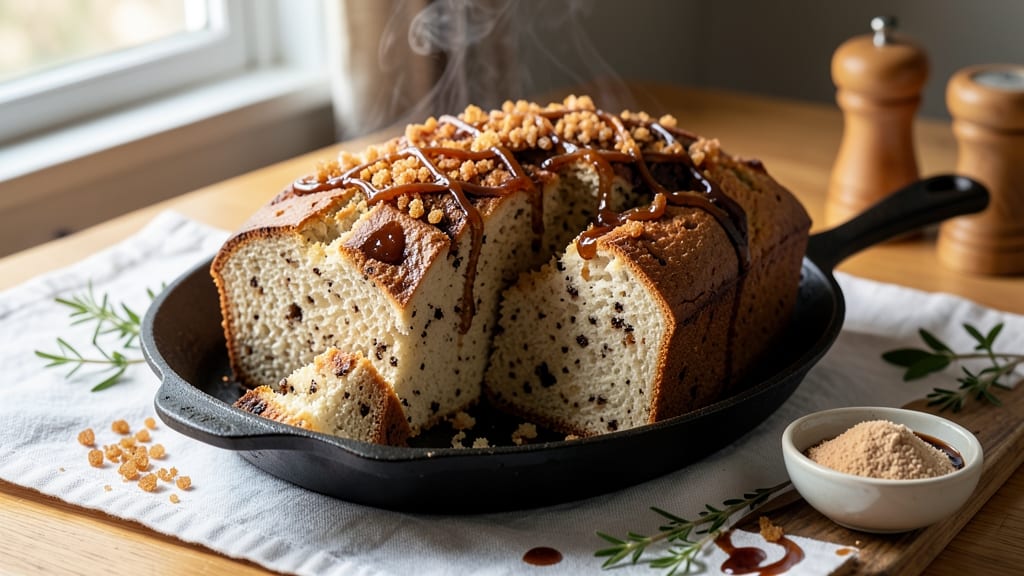
This Amish sweet white bread recipe brings the warmth of a Pennsylvania farmhouse to your kitchen with its signature molasses-kissed sweetness and tender crumb. 🍞 The secret lies in the slow fermentation and precise balance of flour, sugar, and baking soda—creating that signature tangy crust while keeping the interior soft.
I've perfected this version after years of testing, ensuring it delivers the same homestyle quality found in Amish bakeries.
The beauty of this recipe is its simplicity—just 7 ingredients come together to create a loaf that's slightly sweet, perfectly tender, and with that unmistakable Amish flavor. The molasses adds depth while brown sugar contributes to the bread's characteristic softness.
What makes it truly special is the baking soda, which creates that signature tangy crust without overpowering the sweetness.
By the time you pull this bread from the oven, you'll have a golden loaf with a crisp crust that gives way to a soft, pillowy interior.
The aroma alone will transport you to a quiet farm kitchen, where the scent of fresh-baked bread signals it's time to gather around the table. This bread is perfect for sandwiches, toast, or simply enjoying with butter and jam.
For those who love variations, try adding raisins or cinnamon for extra flavor—though purists will argue the classic version stands perfectly on its own. The recipe yields two 9x5-inch loaves, so you'll have plenty to share with neighbors or freeze for later.
Let's get started on creating this timeless family favorite.
Ingredients for amish sweet white bread
Seven simple ingredients transform into two loaves of nostalgic Amish sweet bread.
| Ingredient | Amount | Notes |
|---|---|---|
| All-Purpose Flour 🌾 | 4 cups | White flour for classic texture |
| Granulated Sugar 🍚 | ½ cup | White sugar for sweetness |
| Light Brown Sugar 🍚 | ½ cup | Packed for moisture |
| Molasses 🍯 | ⅓ cup | Unsulphured for authentic flavor |
| Baking Soda 🧂 | 1 tsp | For tangy crust |
| Salt 🧂 | ½ tsp | Diamond Crystal preferred |
| Warm Water 💧 | 1 ½ cups | 110°F for ideal activation |
The molasses is what gives this bread its signature depth—look for unsulphured if you can find it, though regular works fine. I grab mine at Whole Foods or the bulk section at Walmart—it keeps forever in the pantry. The baking soda is non-negotiable here; it creates that signature tangy crust without making the bread taste bitter. For the flour, King Arthur or Gold Medal are my go-tos—they bake up light and tender. If you're in a pinch, any all-purpose flour works, but the bread won't be quite as tender.
No molasses? Maple syrup or dark corn syrup can substitute at the same amount, though the flavor will be slightly different. Running low on brown sugar? White sugar plus 1 tsp molasses mimics the moisture. The warm water is crucial—110°F is ideal, but if you don't have a thermometer, just make sure it's warm to the touch. For a quicker version, you can use milk instead of water, but the crust won't be as crisp. And if you're feeling adventurous, swap half the flour for whole wheat—it adds a nice nutty flavor without overpowering the sweetness.
This dough is best baked fresh, but you can prep it up to 24 hours ahead and let it rise in the fridge. The bread keeps well at room temperature for 3-4 days wrapped in a clean kitchen towel, or you can freeze it for up to 3 months. I like to slice it while still warm and freeze the slices between parchment paper—perfect for quick toast later. The aroma alone will have your whole house smelling like a Pennsylvania farmhouse by the time it's done baking.
Why You'll Love This Recipe
- No-Knead Magic: Mixing takes all of 5 minutes—just flour, sugars, and molasses—then let the dough rise while you sip coffee. Honestly, I’ve made bread that required more effort for half the payoff.
- Molasses Kiss: That deep, caramelized molasses flavor? It’s like a hug for your taste buds, especially when it pairs with the buttery crunch of toasted slices. (Yes, even on a Tuesday night.)
- Breakfast to Picnic: Toast it for breakfast, pack slices for lunch, or serve it warm at a family gathering—this bread handles everything. My kids ask for it at school events because it’s that good.
- Lasts a Week: One batch feeds my family for days, and the flavor only gets better as it sits. Budget-friendly? Absolutely. Waste-free? Even better. (I’ve even frozen slices for emergencies.)
Step-by-step instructions for Amish sweet white bread
Let's make this tender, molasses-kissed bread with a tangy crust—just like Amish homesteads do.
👨🍳 Step 1: Mix the Wet Ingredients for Perfect Texture
In a large mixing bowl, combine the 1.5 cups warm water (around 110°F) with the 0.5 cup granulated sugar, 0.5 cup light brown sugar, and 0.33 cup molasses. Stir until the sugars are completely dissolved—you should see a smooth, golden liquid. The molasses gives that signature Amish sweetness, so don't skip this step.
Next, whisk in the 1 tsp baking soda and 0.5 tsp salt. The baking soda will create that classic tangy crust we love, while the salt balances the sweetness. Let this mixture sit for 5 minutes—this allows the baking soda to fully activate and the flavors to meld together. You'll notice the mixture will foam slightly as the baking soda works its magic.
👨🍳 Step 2: Combine Dry Ingredients for Light, Airy Dough
In a separate bowl, sift together the 4 cups all-purpose flour. This helps aerate the flour and prevents lumps in your dough. Make a well in the center of the flour and pour in the wet ingredient mixture. Using a wooden spoon or spatula, gently stir until just combined—you want to avoid overmixing, which can make the bread dense.
Once the dough comes together, turn it out onto a lightly floured surface and knead gently for 2-3 minutes. You're not looking for a smooth, elastic dough like bread flour would give you—this recipe is designed to be tender and slightly sticky. The molasses keeps it moist, so don't worry if it feels a bit unusual compared to regular bread dough.
🥘 Step 3: Shape and Let Rise for Maximum Flavor
Shape the dough into a loaf pan (about 9x5 inches) that's been lightly greased with butter or lined with parchment paper. Press down gently to fill the pan completely—this ensures even baking and that beautiful crust. Cover the pan loosely with a clean kitchen towel and let the dough rise in a warm place for 1-2 hours, or until it's puffed about 1 inch above the pan.
Here's the thing—don't rush this rise. The longer it sits, the more flavor develops, and the lighter the texture becomes. I like to place my oven light on (with the oven off) to create a warm, consistent environment. If your kitchen is cool, a warm oven with the light on works perfectly. The dough should spring back slowly when you press it gently with a finger—that's your sign it's ready.
🔥 Step 4: Bake Until Golden and Tangy
Preheat your oven to 350°F while the dough rises. Once the dough has puffed up nicely, place the pan in the center rack of your preheated oven. Bake for 50-55 minutes, until the top is deep golden brown and a toothpick inserted in the center comes out clean. The molasses and baking soda work together to create that beautiful caramelized crust we all love.
Don't open the oven during baking—this can cause the bread to sink. If you're worried about the top browning too quickly, tent the pan loosely with aluminum foil after 30 minutes. The bread is done when it sounds hollow when tapped on the bottom and has that irresistible sweet, tangy aroma. Let it cool in the pan for 10 minutes before transferring to a wire rack to cool completely.
Pro Tips For Making Amish Sweet White Bread
- MEASURE MOLASSES PRECISELY: Use a liquid measuring cup, not a dry one—molasses is thick and sticky, and eyeballing it throws off the whole balance. I learned this after a batch turned cloyingly sweet; now I fill the cup to the line and scrape the back with a knife.
- STOP WHEN IT SPRINGS: The bread’s done when it bounces back slowly when pressed—not fast. Overbaking dries it out; underbaking leaves it gummy. I pull mine at 325°F (163°C) internal temp, then tent with foil for 5 minutes to finish.
- SIFT THE DRY INGREDIENTS: Combine flour, sugars, baking soda, and salt in a bowl, then sift them together. This aerates the flour and prevents dense pockets—no food processor needed. My grandmother called it "the lazy person’s shortcut," but it actually works.
- USE A DARK PAN: A black or nonstick skillet conducts heat better than glass or stainless, giving you a crispier crust without burning. If you’re in a pinch, spray a regular pan with oil and let it get hot before adding the batter—this makes a real difference.
Perfect pairings for these flavors
Butter and Jam
There's nothing quite like spreading softened Land O'Lakes butter on warm Amish sweet bread—its richness melts into the tender crumb perfectly. 🍞 For a classic touch, add a thin layer of strawberry jam (I love Welch's or Smucker's) and fold the bread over for a sweet, buttery sandwich.
This combination is especially popular for breakfast or afternoon tea.
For a gourmet twist, try brown butter instead of regular butter. Heat ½ cup unsalted butter in a saucepan over medium-low heat until it turns golden and nutty (about 5-7 minutes), then let it cool slightly before spreading.
The nutty flavor pairs beautifully with the molasses sweetness in the bread.
Cream Cheese Spread
Whip 8 oz cream cheese with 2 tbsp powdered sugar and 1 tsp vanilla extract until smooth. Spread this sweet cream cheese mixture on slices of warm bread for a luxurious treat.
I like to add ½ tsp cinnamon for extra warmth—it complements the tangy crust beautifully. This is perfect for brunch or dessert!
Peanut Butter
For a nostalgic favorite, slather Creamy Skippy peanut butter on thick slices of bread. The protein-rich peanut butter balances the sweetness of the molasses, creating a satisfying snack or light meal.
Add a drizzle of honey on top for a touch of extra sweetness, or sprinkle with crushed peanuts for crunch. This combo is especially great for kids' lunches or quick energy boosts.
Cheese Pairings
Amish sweet bread pairs wonderfully with sharp cheddar or Swiss cheese for a savory-sweet combination. Try making a grilled cheese sandwich using slices of the bread and your favorite melting cheese. The tangy crust adds depth to the classic sandwich, while the soft interior soaks up the melted cheese beautifully.
For extra indulgence, add a slice of turkey or ham to create a hearty open-faced sandwich.
Fruit Compotes
Brighten up your bread with a homemade fruit compote. Simmer 1 cup mixed berries (like strawberries, blueberries, or raspberries) with 2 tbsp sugar and 1 tsp lemon juice until thickened.
Spread this vibrant compote on toasted bread for a refreshing, fruity treat. You can also use peaches, apples, or pears for a seasonal variation that pairs perfectly with the molasses sweetness.
Nutrition facts
Frequently asked questions
Why does Amish sweet white bread have a tangy crust?
The signature tang comes from the baking soda reacting with the molasses and warm water. This chemical reaction creates a subtle vinegary note that balances the sweetness. The longer the dough rises, the more pronounced this flavor becomes—don't skip the 1-2 hour rise for that authentic taste!
Can I make this bread without molasses?
Yes! Substitute with maple syrup or dark corn syrup at the same amount (⅓ cup). The flavor will be slightly different but still delicious. For a closer match, add ½ tsp vinegar to mimic the tang. The bread will still be sweet but lose that distinctive Amish depth without molasses.
How do I store this bread to keep it soft?
Wrap cooled loaves in a clean kitchen towel or beeswax wrap, then place in an airtight container. This prevents drying out better than plastic wrap. For longer storage, freeze slices between parchment paper—they'll stay fresh for 3 months and toast beautifully. Never refrigerate unless you plan to eat it within 2 days.
Can I add raisins or nuts to this recipe?
Fold in ½ cup raisins or chopped walnuts during the final kneading. For extra flavor, toss them in 1 tsp cinnamon first. The nuts add crunch while raisins create pockets of sweetness. Just don't exceed ⅔ cup total add-ins or the texture may become dense.
Why did my bread turn out dense instead of tender?
Overmixing the dough or skipping the rise time are the most common culprits. This recipe relies on gentle handling—knead just until combined (2-3 minutes) and let it rise fully. Also ensure your baking soda is fresh (old baking soda loses potency). For extra tenderness, brush the baked loaf with melted butter while warm.