
Main Courses
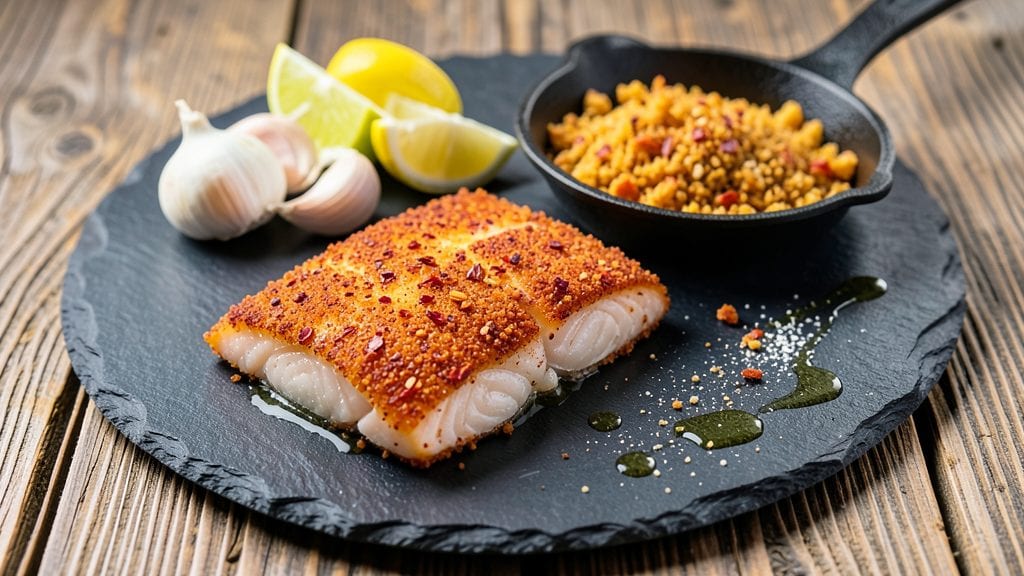
Andy's red fish breading recipe delivers that perfect balance of crispy spice crust and juicy fillets that makes every bite irresistible. After years of perfecting this technique, I’ve cracked the code for a breading that stays crunchy while keeping the fish tender inside—no more dry, overcooked fish here.
The secret lies in a precise blend of spices, a light cornstarch coating, and the right cooking method, whether you're frying, baking, or air-frying.
This recipe transforms simple white fish into a restaurant-quality dish with minimal effort. The breading mixture is a foolproof combination of seasoned flour, cornstarch, and a touch of cayenne for that signature kick—just mix, coat, and cook.
Whether you're serving it as a main course or a showstopper appetizer, the result is a golden, aromatic crust that shatters with every bite while revealing perfectly moist fish beneath.
What sets this apart is how versatile it is—pair it with lemon wedges, tartar sauce, or a simple aioli for dipping. The spices in the breading complement the natural flavor of the fish without overpowering it, making this a pescatarian-friendly dish that even seafood skeptics will love.
Ready to elevate your fish night? Let’s get started.
The key to success is patience during the coating process and controlling the heat while cooking. Too much oil or too-high heat will steam the breading instead of crisping it, so we’ll focus on achieving that perfect golden crust while keeping the fillets tender.
Trust me, once you try this method, you’ll never go back to store-bought breading again.
Ingredients for andy's red fish breading
Simple pantry staples transform plain white fish into a restaurant-worthy crunchy masterpiece.
| Ingredient | Amount | Notes |
|---|---|---|
| White Fish Fillets 🐟 | 1 ½ lb | Cod, tilapia, or haddock preferred |
| All-Purpose Flour 🌾 | ¾ cup | For breading base |
| Cornstarch 🌾 | ¼ cup | For extra crispiness |
| Dried Red Pepper Flakes 🌶️ | 1 tbsp | For signature heat |
| Smoked Paprika 🌶️ | 1 tbsp | For smoky depth |
| Garlic Powder 🧄 | 1 tbsp | Freshly ground preferred |
| Onion Powder 🧅 | 1 tbsp | For aromatic base |
| Ground Black Pepper 🌶️ | ½ tsp | Freshly cracked |
| Salt 🧂 | 1 tsp | Kosher or sea salt |
| Large Eggs 🥚 | 2 whole | Beaten for dredge |
| Vegetable Oil 🫒 | 2 cups | For frying (or baking spray) |
| Lemon Wedges 🍋 | 4 whole | For serving (optional) |
| Tartar Sauce 🥫 | ½ cup | For dipping (optional) |
The fish is the star, so freshness matters. Look for fillets with a firm texture and no fishy odor—Wild Alaskan cod or tilapia work best. If using frozen, thaw overnight in the fridge (never at room temp). The cornstarch is non-negotiable for that signature crisp—regular flour alone won't cut it. Bob's Red Mill cornstarch is my go-to, but any brand works. For the red pepper flakes, Penzeys carry the best quality—avoid the sad little packets at the end of the spice aisle.
No smoked paprika? Substitute regular paprika plus a pinch of liquid smoke (just a splash). Running low on cornstarch? Arrowroot powder works 1:1, but the texture won't be quite as crisp. The beaten eggs should be room temperature—cold eggs make the breading clump. For air frying, lightly spray with oil instead of frying. No tartar sauce? Mix mayo with capers and lemon in 5 minutes. The spices can be mixed ahead and stored in an airtight container for up to 2 weeks—just shake before using.
Fish fillets keep best in the coldest part of your fridge for 1-2 days—use them ASAP for peak freshness. The breading mix stays good for 3 days if sealed properly, but the cornstarch can get stale. For meal prep, cook the fish and store components separately: reheat the breaded fillets in the oven at 400°F for 5-7 minutes. The lemon wedges add brightness—squeeze fresh over the finished dish right before serving.
Why You'll Love This Recipe
- No-Fuss Crisp: I swear by the cornstarch trick—just toss the flour and cornstarch together, no sifting, no stress. The paprika and red pepper flakes cling like magic, giving that perfect crunch without the mess of multiple bowls.
- Heat Without the Burn: Honestly, the smoked paprika and red flakes add just enough kick to wake up your taste buds, but not so much it ruins the meal. It’s the kind of flavor that lingers—like a warm hug for your mouth.
- Leftovers That Shine: Between us, this breading turns fish leftovers into gold. Reheat in a skillet for 30 seconds, and it’s crispy again—no sad, soggy fish here. I’ve fed this to coworkers, and they’ve asked for seconds.
- Budget Crispy Magic: White fish is cheap, and this recipe stretches it far. The pantry staples (flour, cornstarch) mean I’m not breaking the bank for a restaurant-worthy bite. Plus, the spices cost pennies but taste like a splurge.
Step-by-step instructions for andy's red fish breading recipe
Here's how to create that signature crunchy spice crust while keeping the fillets juicy inside.
Prepare the Spiced Breading Mixture
In a large shallow dish, combine the 0.75 cup all-purpose flour, 0.25 cup cornstarch, 1 tbsp smoked paprika, 1 tbsp garlic powder, 1 tbsp onion powder, 1 tbsp dried red pepper flakes, 0.5 tsp ground black pepper, and 1 tsp salt. Whisk vigorously until the spices are evenly distributed throughout the dry ingredients.
This blend creates the signature red hue and complex flavor profile. The cornstarch is crucial—it adds that extra crispiness while keeping the interior moist. I like to use a whisk for this step to ensure no clumps form in the dry mixture that could prevent even coating later.
Create the Egg Wash Station
In a separate shallow dish, crack the 2 whole large eggs and beat them lightly with a fork until just combined. The eggs should be frothy but not fully emulsified—you want a slightly thick consistency that will cling to the fish without making it soggy.
Place the spiced flour mixture and beaten eggs on opposite sides of your prep area. This setup creates an assembly line that makes breading each fillet quickly and efficiently. The key here is to keep the eggs at room temperature—they'll coat better and create a more stable crust.
Bread the Fish Fillets
Pat each of the 1.5 lb white fish fillets completely dry with paper towels. This step is non-negotiable—excess moisture prevents proper crisping. Working with one fillet at a time, press it gently into the spiced flour mixture, coating both sides thoroughly. Shake off any excess but don't worry about getting every last bit—you want a good even layer.
Immediately transfer the floured fillet to the egg wash, letting the excess flour fall back into the dish. Press the fillet into the eggs, then flip and repeat on the other side. The egg creates a binding layer that helps the spiced crust adhere perfectly. Work quickly but carefully—you want to maintain the integrity of the delicate fillets while building that flavorful crust.
Cook to Golden Perfection
Heat 2 cups vegetable oil in a large skillet over medium-high heat until it reaches 350°F—you'll see small bubbles forming around the edges and a thermometer should confirm the temperature. Working in batches to avoid crowding, carefully slide the breaded fillets into the hot oil.
Cook for 3-4 minutes per side until the crust is deep golden brown and crispy. The oil should sizzle gently but not smoke excessively. You'll know it's ready when you see the crust develop that beautiful reddish hue from the spices. Don't overcrowd the pan—this keeps the oil temperature stable and ensures even cooking. Use a slotted spatula to transfer the cooked fish to a wire rack set over a paper towel-lined plate to drain excess oil.
Serve Immediately with Classic Accompaniments
Serve the crispy spiced fillets immediately with the 4 whole lemon wedges and 0.5 cup tartar sauce on the side. The lemon brightens the rich spices, while the tartar sauce adds a cool, creamy contrast that balances the heat. Each bite should deliver that satisfying crunch from the spiced crust while revealing perfectly juicy fish underneath.
For best results, serve while the fish is still hot and the crust maintains its crispiness. The lemon wedges aren't just for decoration—they cut through the richness and add a refreshing finish to every bite. This dish comes together quickly but delivers restaurant-quality results that will impress anyone who tries it.
Pro Tips For Making Andy'S Red Fish Breading
- PAT THE FISH DRY: Skip the soggy breading by pressing the fillets between two paper towels—really squeeze the water out. Wet fish absorbs flour like a sponge, and that’s how you end up with a mushy crust instead of a crispy one. I learned this the hard way when my first batch turned out more like a fish smoothie than a crunchy bite.
- MIX FLOUR AND CORNSTARCH: Whisk the all-purpose flour and cornstarch together before adding spices—this ensures an even distribution of heat. I used to sprinkle the red pepper flakes and smoked paprika on top, and half the time they’d clump or get buried in the oil. Now the crust has that perfect, consistent kick every time.
- USE A THIN LAYER OF OIL: Coat the pan with just enough oil to lightly grease it—about 1 tablespoon for a standard skillet. Too much oil makes the breading greasy instead of crispy, and you’ll end up with fish that’s fried, not crisped. Sounds weird, but it works: the fish will still get golden without turning into a deep-fryer experiment.
- DON’T OVERCROWD THE PAN: Cook the fillets in a single layer, even if it means two batches. I used to shove them all in at once, and the temperature dropped fast, leaving me with unevenly cooked, greasy fish. A hot pan and space between fillets guarantee that crispy crust you’re after—no shortcuts here.
Troubleshooting perfect results
Breading Won't Stick
If your breading falls off during cooking, the fish fillets were likely too wet. Always pat them completely dry with paper towels before breading—this is non-negotiable. Another common culprit is cold eggs or flour mixture.
Let your eggs sit at room temperature for 10-15 minutes before using, and whisk the dry ingredients thoroughly to eliminate clumps. I've also found that using cornstarch instead of just flour makes a noticeable difference in adhesion. 💡
Crust Turns Soggy
Overcrowding the pan or cooking at too low a temperature causes soggy breading. Maintain oil at 350°F and cook in batches—never more than two fillets at once. If using an air fryer, spray with cooking oil before air-frying at 375°F for 6-8 minutes.
For oven-baked versions, place fillets on a wire rack over a baking sheet to allow air circulation. The key is proper heat control and avoiding steam buildup.
Fish Cooks Unevenly
Thicker portions of the fillet cook faster than thinner edges. To prevent this, place thicker sections in the pan first. If using frozen fish, thaw completely before breading. For extra insurance, I recommend using a meat thermometer—the center should reach 145°F.
If the crust browns before the fish is done, tent with foil for 1-2 minutes to finish cooking gently. 🌡️
Oil Smoking Excessively
Oil smoking means your heat is too high. Reduce to medium heat and let the oil return to 350°F before adding more fish. For deep-frying, use a deep-fat thermometer—this is the only reliable way to monitor temperature accurately.
If you don't have one, look for small bubbles forming around the edges (not large, rolling bubbles). Never exceed 375°F or the breading will burn before the fish cooks through.
Spices Too Mild
The red pepper flakes are crucial for that signature kick. If your breading tastes bland, check your spice measurements—1 tbsp red pepper flakes should provide noticeable heat. For extra depth, toast the spices in a dry skillet for 30 seconds before mixing with flour.
I also recommend using freshly ground spices whenever possible—they release more flavor. Store-bought blends often lose potency over time. 🌶️
Fish Sticking to Pan
This happens when oil isn't hot enough or fish isn't properly coated. Ensure your oil reaches 350°F before adding fish, and bread each fillet thoroughly on both sides. For stubborn sticking, use a non-stick skillet or add 1 tbsp vegetable oil to the pan before cooking.
If using cast iron, make sure it's properly seasoned. A well-seasoned pan prevents sticking while still allowing that perfect crust to form.
Nutrition facts
Frequently asked questions
Can I use this breading on other types of seafood?
This spiced mixture works beautifully on shrimp, scallops, or even catfish. For shrimp, reduce cooking time to 1-2 minutes per side—they cook faster than fish fillets. The cornstarch ensures a crispy crust on any protein, while the smoky paprika and cayenne add depth to each bite. Just adjust cooking times based on the thickness of your seafood.
How do I store leftover breaded fish?
Store cooked fish in an airtight container in the fridge for up to 2 days. Reheat in a 350°F oven for 5-7 minutes until the crust is crispy again. For longer storage, freeze for up to 1 month—thaw overnight in the fridge before reheating. The key is keeping it sealed to maintain that perfect crunch.
Can I make this breading mixture ahead of time?
Yes! Mix all the dry ingredients (flour, cornstarch, spices) in a sealed container for up to 2 weeks. Store the beaten eggs separately in the fridge for up to 3 days. Just whisk the dry mix before using and beat fresh eggs for best results. The spices lose potency over time, so toasting them lightly before storing boosts flavor.
What's the best way to achieve extra crispiness?
For maximum crunch, use a wire rack instead of a plate when draining oil—this prevents sogginess. Double-dip the fish in egg wash between flour coats for an extra-thick crust. For air fryers, spray with cooking oil after breading. The cornstarch is your secret weapon—it creates that satisfying shatter when you bite in.
Why does my breading sometimes turn out pale?
Pale breading usually means the oil wasn't hot enough or the spices weren't evenly distributed. Always maintain 350°F oil and cook in batches. Whisk the spices thoroughly into the flour before breading—uneven mixing can create splotchy color. For extra vibrancy, add 1 tsp paprika to the egg wash before dipping.