
Side Dishes
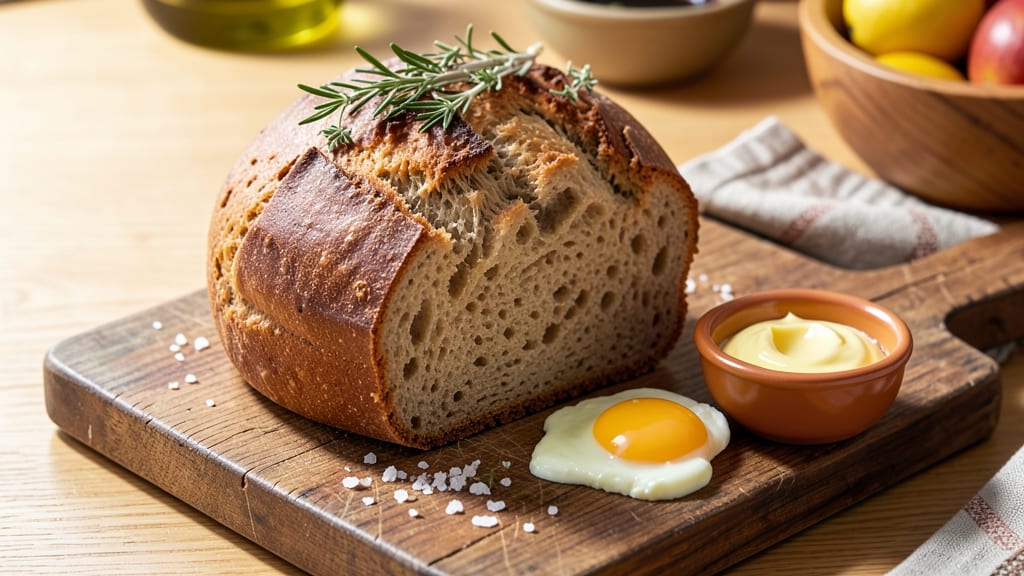
This Antigua bread recipe delivers the perfect Caribbean crust—soft, buttery, and sweet enough to stand alone or complement any meal. 🌟 Born from island traditions, this bread features a golden exterior hiding a tender, slightly sweet interior that pairs beautifully with soups, stews, or even jam.
The secret lies in its slow rise and precise baking, ensuring a texture that’s both crisp and pillowy.
What sets Antigua bread apart is its simplicity—just flour, sugar, butter, and a touch of milk create a loaf that’s rich in flavor without being heavy.
The dough requires patience (a 2-hour rise), but the result is worth it: a loaf with a delicate crumb and a subtle caramelized aroma that fills your kitchen. This bread is a staple in Caribbean households, often served warm with butter or as a side to hearty dishes.
The baking process is straightforward but critical: proof the dough until nearly doubled, then bake at 350°F until golden brown. The key is not to overbake—you want a crust that’s firm but still soft to the touch.
Once cooled, slices reveal a tender interior with just the right amount of sweetness, making it a versatile addition to any table.
Perfect for breakfast, sandwiches, or as a dessert with honey, this bread is a taste of the Caribbean you can bake at home. Whether you’re serving it to guests or treating yourself, the aroma alone will transport you to Antigua’s shores. Let’s get started!
Ingredients for antigua bread
Four cups flour, a touch of sugar, and butter that melts into golden perfection.
| Ingredient | Amount | Notes |
|---|---|---|
| All-Purpose Flour 🌾 | 4 cups | Sifted for even texture |
| Granulated Sugar 🍚 | ¼ cup | White or light brown |
| Unsalted Butter 🧈 | ½ cup | Cold, cubed for easier mixing |
| Warm Milk 🥛 | ½ cup | Whole milk preferred |
| Large Egg 🥚 | 1 whole | Room temperature |
| Active Dry Yeast 🍞 | 0.01 oz | 1 packet or 2 1/4 tsp |
| Fine Sea Salt 🧂 | 1 tsp | Diamond Crystal preferred |
| Ground Cinnamon 🌿 | ½ tsp | Optional, for warmth |
| Cornmeal 🌽 | ¼ cup | For dusting baking sheet |
| Granulated Sugar 🍚 | 1 tbsp | For topping (optional) |
The flour is the foundation—King Arthur or Gold Medal works best for that tender crumb. King Arthur has a bit more protein for structure, but honestly, any all-purpose will do. Butter matters here: Land O'Lakes or Plugrá brands stay firm enough for cold cubing. Warm milk activates the yeast faster—heat it just until it steams, then let it cool to room temp. The yeast? Fresh is best—check the expiration date on that packet. If it smells yeasty, it's good; if it smells like nothing, toss it. Cinnamon is optional but adds that island warmth—McCormick ground is reliable, but fresh will take it to the next level.
No cinnamon? Nutmeg at half the amount works surprisingly well. Short on butter? Vegan butter or coconut oil keeps it plant-based, though texture changes slightly. The sugar can be swapped for turbinado or coconut sugar for a deeper caramel note. Milk substitute? Oat milk works best—almond milk gets too thin. For the egg, flax egg (1 tbsp ground flax + 3 tbsp water) keeps it vegan. The cornmeal topping? Semolina works too—just don’t skip it; it keeps the bottom from burning.
Dough rises best in a warm spot—turn on your oven light or pop it in a 200°F oven for 10 minutes first. Once baked, let the loaf cool on a rack for at least 1 hour—slicing too soon makes it gummy. Store wrapped at room temp for 3 days or freeze for 3 months. I always slice mine fresh and toast it—butter melts into it like a dream. Leftovers? Perfect for French toast or bread pudding.
Why You'll Love This Recipe
- No-Yeast Magic: I swear by this recipe when I forget yeast or just don’t want to wait. Mixing warm milk into the flour creates that tender, airy crumb without any fuss—no proofing, no stress, just pure convenience.
- Sweet Butter Bliss: That single stick of unsalted butter mixed into the dough? It melts into every bite, giving it a buttery richness that’s almost dessert-like. Honestly, I’ve been known to eat slices straight from the pan.
- Breakfast, Dessert, Snack: This bread is my secret weapon—toast it for breakfast, drizzle with jam for a quick treat, or even use it as a base for French toast. The sugar in the dough keeps it sweet enough to satisfy cravings anytime.
- Budget-Friendly Staple: Five ingredients, zero specialty items, and it stretches across the week. I make two loaves on Sunday, and by Wednesday, they’re gone—no waste, no guilt, and always something delicious to grab.
Step-by-step instructions for Antigua bread
This Caribbean-inspired bread delivers a buttery, sweet crust with a tender crumb—here's how to nail it every time.
👨🍳 Step 1: Activate the Yeast and Mix the Dough
In a large bowl, combine the 0.5 cup warm milk with the 0.01 oz active dry yeast and 0.25 cup granulated sugar. Let it sit for 5-10 minutes until frothy—this means your yeast is alive and ready to work. If it doesn't bubble, your yeast might be dead, and you'll need to start over.
Add the 4 cups all-purpose flour, 1 tsp fine sea salt, and 0.5 tsp ground cinnamon to the bowl. Mix with a wooden spoon until a shaggy dough forms. Then, cut in the 0.5 cup cold unsalted butter using a pastry cutter or your fingers until it's incorporated. The butter should be cold enough to hold its shape but soft enough to mix in smoothly.
🍳 Step 2: Knead the Dough Until Smooth
Turn the dough onto a lightly floured surface and knead for 8-10 minutes until it's smooth and elastic. You'll know it's ready when it springs back slowly when poked. If the dough feels sticky, add a little more flour, but don't overdo it—too much flour will make the bread dense.
Place the dough in a lightly greased bowl, cover it with a damp towel, and let it rise in a warm place for 1-2 hours, or until it doubles in size. The dough should feel light and airy when you press it gently with your finger. This rising step is crucial for that soft, pillowy texture we're after.
🔥 Step 3: Shape and Proof the Loaf
Punch down the risen dough to release any air bubbles, then shape it into a round loaf or a free-form shape. Place it on a baking sheet dusted with 0.25 cup cornmeal to prevent sticking. Cover it again and let it rise for another 30-45 minutes until it puffs up noticeably.
Preheat your oven to 375°F while the dough proofs. Just before baking, brush the top of the loaf with a little water or milk and sprinkle with the 1 tbsp granulated sugar for that signature Caribbean sweetness. This step creates a beautiful, crackly crust that's irresistible.
🔥 Step 4: Bake to Golden Perfection
Bake the bread for 25-30 minutes until it's golden brown and sounds hollow when tapped on the bottom. The internal temperature should reach 190-200°F. If the top browns too quickly, tent it with foil to prevent burning while it finishes baking.
Let the bread cool on a wire rack for at least 10 minutes before slicing—this ensures it stays tender and doesn't turn gummy. The aroma alone will make your kitchen smell like a Caribbean bakery, and the crust will be crispy enough to satisfy even the pickiest eaters.
Pro Tips For Making Antigua Bread
- STOP SKIMMING THE MILK: Warm that milk just right—not scalding, not fridge-cold. I learned this after my first batch turned out dense because I used milk straight from the fridge. Heat it to about 100°F (38°C), so it’s warm to the touch but not steaming. This helps the butter emulsify better and gives the dough a lighter texture.
- MEASURE BUTTER COLD: Take the butter straight from the fridge and cut it into small cubes—no softening needed. I used to melt it first, and the bread turned out greasy instead of flaky. Cold butter creates pockets of steam when baking, which is what gives Antigua bread its signature tender crumb.
- DON’T OVERMIX THE DOUGH: Mix the wet and dry ingredients until just combined—lumps are fine. After mixing too aggressively for my first few batches, the bread came out tough. Overworking the gluten develops it too much, and this recipe relies on a delicate, slightly crumbly texture. Stop when the flour is mostly incorporated, and resist the urge to "fix" the dough.
- BAKE UNTIL GOLDEN, NOT DONE: Check the bread at 325°F (160°C) for doneness—it should be golden brown, not pale. I used to pull it out too early because I thought it wouldn’t brown enough, but that’s when it stays gummy inside. A toothpick should come out clean, but the edges should be crisp. If it’s not brown enough, crank the oven to 350°F (175°C) for the last 5 minutes.
Best sauces and condiments for these flavors
Butter and Honey Glaze
This classic pairing takes Antigua bread to the next level. Melt 2 tablespoons unsalted butter with 1 tablespoon honey and a pinch of sea salt in a small saucepan over low heat.
Brush the warm glaze over freshly sliced bread while still slightly warm from the oven. The butter softens the crust, while the honey enhances the bread's natural sweetness. 🍯
Spiced Rum Butter
For a boozy twist, mix ¼ cup softened butter with 1 tablespoon dark rum (like Appleton Estate), 1 teaspoon brown sugar, and a pinch of ground nutmeg.
Spread this on warm slices for a rich, aromatic flavor that complements the bread's buttery notes. Perfect for serving with breakfast or dessert.
Citrus-Lime Crema
Whisk together ½ cup sour cream, 1 tablespoon lime zest, 1 tablespoon lime juice, and 1 teaspoon honey for a tangy, refreshing spread. The acidity cuts through the bread's sweetness, balancing flavors beautifully. Serve chilled alongside slices for a bright contrast. 🍋
Coconut Whipped Cream
Whip ½ cup coconut cream (chilled overnight) with 1 tablespoon powdered sugar until fluffy. Fold in ½ teaspoon vanilla extract for a tropical-inspired topping. This light, airy cream pairs wonderfully with Antigua bread, especially when served with tropical fruits like mango or pineapple.
Smoked Paprika Aioli
Blend ½ cup mayonnaise, 1 teaspoon smoked paprika, 1 teaspoon Dijon mustard, and 1 clove roasted garlic for a smoky, savory dip. The paprika adds depth without overpowering the bread's delicate sweetness. Serve with warm slices for a sophisticated touch.
Chocolate-Dipped Slices
For a dessert twist, melt ½ cup dark chocolate (60% cocoa) with 1 tablespoon coconut oil over a double boiler. Dip slices halfway and place on parchment paper to set. The chocolate's bitterness contrasts the bread's sweetness, creating a decadent treat. 🍫
Nutrition facts
Frequently asked questions
Why does Antigua bread have a sweet taste?
The signature sweetness comes from the 0.25 cup granulated sugar in the dough and the 1 tbsp sugar topping before baking. This balances the buttery richness while keeping the bread tender. The sugar caramelizes slightly during baking, creating that irresistible aroma and flavor.
Can I make Antigua bread without yeast?
No, yeast is essential for the bread's signature rise and light texture. If you're avoiding yeast, try a quick bread version using baking powder/soda instead, but it won't have the same airy crumb. For a yeast-free alternative, consider a soda bread recipe with similar Caribbean flavors.
How do I know when the dough is fully risen?
The dough is ready when it doubles in size and leaves a gentle fingerprint impression that slowly springs back. For visual confirmation, check the edges of the dough—if they're rounded and smooth, it's proofed. A warm spot (like near the oven light) helps speed this up to 1-2 hours.
What's the best way to store Antigua bread?
Wrap cooled slices in plastic wrap or store the whole loaf in an airtight container at room temperature for 3 days. For longer storage, freeze slices for up to 3 months. Toasting frozen slices restores freshness perfectly. Never refrigerate—this makes the bread dry out faster.
Can I add fruit to Antigua bread?
Try folding in ½ cup raisins or chopped dried apricots during mixing for a fruity twist. For a dessert version, spread with cream cheese and berries or stuff with citrus marmalade before baking. The sweetness of the bread complements dried or fresh fruit beautifully.