
Breakfast & Brunch
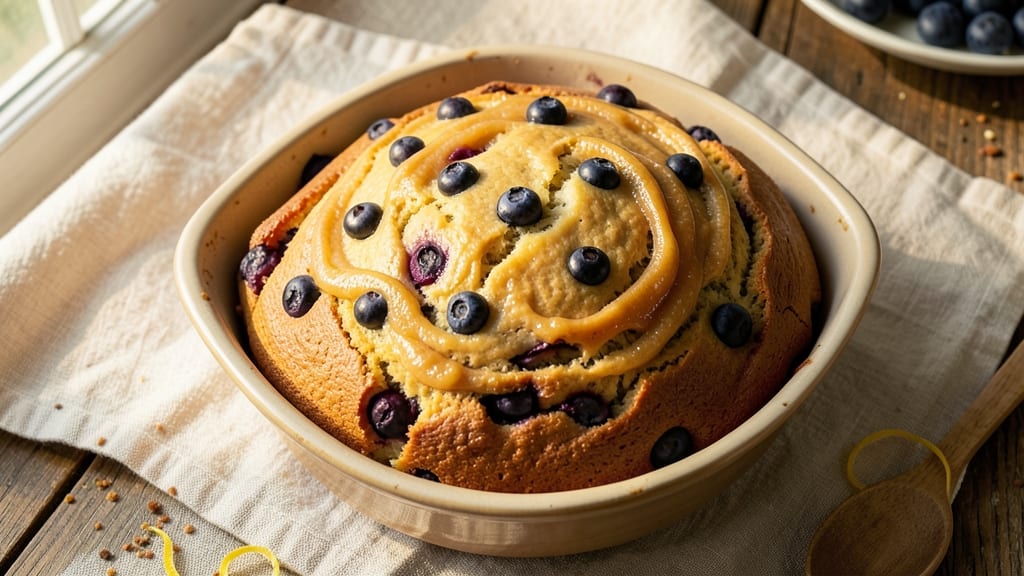
This applesauce blueberry bread recipe delivers the perfect balance of tender crumb and sweet-tart bursts with every bite. The secret lies in swirling unsweetened applesauce into the batter, which keeps the bread moist and adds subtle depth, while plump blueberries create pockets of juicy sweetness throughout.
I’ve perfected this recipe over years of baking—it’s the kind of loaf that disappears faster than you can say "second slice."
The magic happens in the mixing: combining warm applesauce with the dry ingredients creates a rich, velvety texture that stays fresh for days. A touch of cinnamon enhances the warm spices, while a sprinkle of coarse sugar on top caramelizes beautifully during baking.
This recipe is designed for 350°F (175°C) baking, yielding a golden crust and tender interior in about 50 minutes. The result? A loaf so moist and flavorful, it’ll have everyone asking for the recipe.
Serve it warm with a pat of butter or drizzle with honey for extra indulgence, or enjoy it toasted alongside your morning coffee. The bread’s natural sweetness pairs perfectly with a cup of tea or as a snack with a dollop of whipped cream.
Whether you’re baking for breakfast or a special treat, this recipe delivers restaurant-quality results at home.
For added texture, fold in chopped walnuts or pecans before baking, or swap half the blueberries for raspberries for a different fruit twist. The possibilities are endless, but the foundation—moist crumb, balanced sweetness, and that perfect swirl—remains the same. Let’s get baking!
Ingredients for applesauce blueberry bread
Twelve ingredients blend into golden, moist perfection with every swirl of applesauce and burst of blueberry.
| Ingredient | Amount | Notes |
|---|---|---|
| All-Purpose Flour 🌾 | 4 cups | Sifted for even texture |
| Granulated Sugar 🍚 | 1 ½ cups | White or light brown |
| Unsweetened Applesauce 🍎 | 1 cup | Warm for best blending |
| Brown Sugar 🍚 | ½ cup | Packed lightly |
| Large Eggs 🥚 | 2 whole | Room temperature preferred |
| Unsalted Butter 🧈 | ½ cup | Melted and cooled slightly |
| Milk 🥛 | 1 cup | Whole milk preferred |
| Vanilla Extract 🌿 | 1 tbsp | Pure vanilla extract |
| Baking Soda 🧂 | 1 tsp | Pure baking soda |
| Ground Cinnamon 🌿 | 1 ½ tsp | Freshly ground preferred |
| Salt 🧂 | ½ tsp | Fine sea salt |
| Fresh Blueberries 🫐 | 1 ½ cups | Washed and dried thoroughly |
| Coarse Sugar 🍚 | ¼ cup | For topping, turbinado preferred |
The applesauce is non-negotiable here—Mott's unsweetened from the store works, but homemade (just apples and a pinch of cinnamon) elevates everything. King Arthur flour or Bobs Redmill ensures a tender crumb, while fresh blueberries (not frozen) create those juicy pockets. For the butter, Land O'Lakes unsalted melts smoothly, but any brand in the fridge will do. The cinnamon should be true Ceylon cinnamon if you're splurging—it has a sweeter, more complex flavor than the typical cassia. Store your flour in the freezer to preserve freshness, and keep blueberries in the fridge until ready to fold in.
No applesauce? Unsweetened applesauce from a pouch works in a pinch, but you'll lose some depth. Swap half the blueberries for raspberries or blackberries for a different fruit twist. The brown sugar can be omitted if you prefer a lighter bread, but it adds wonderful caramel notes. For a nutty variation, fold in 1/2 cup chopped walnuts or pecans before baking. If you're baking at high altitude, increase the flour by 2 tbsp and reduce the milk by 2 tbsp to compensate for the drier environment. The coarse sugar topping can be skipped if you prefer a simpler finish, but it caramelizes beautifully for that crunchy texture.
This loaf stays fresh for 3-4 days at room temperature, wrapped in a clean kitchen towel. For longer storage, freeze the baked loaf in slices—wrap individually in plastic wrap and store in a freezer bag for up to 3 months. To reheat, wrap a slice in foil and warm in a 350°F (175°C) oven for 5-7 minutes. The bread tastes even better the next day as the flavors meld, so bake an extra loaf if you can—it disappears quickly. Store your flour and sugar in airtight containers to keep them dry, and always wash blueberries just before using to prevent them from turning mushy in the batter.
Why You'll Love This Recipe
- I swear by this trick: just fold those blueberries right into the batter—no folding, no fuss. The applesauce keeps it moist without extra grease, and the eggs bind it all together while you’re still scrolling through your phone.
- Here’s what sold me: this bread is perfect for toast in the morning (slather it with butter) or as a grab-and-go snack when sliced thin. My kids ask for it after school—yes, even on a Tuesday night.
Step-by-step instructions for applesauce blueberry bread
Here's the precise method for achieving that signature moist crumb and perfect swirl pattern.
Prepare the Dry and Wet Ingredients Separately
In a large mixing bowl, whisk together the 4 cups all-purpose flour, 1.5 teaspoons ground cinnamon, ½ teaspoon salt, and 1 teaspoon baking soda. Sift the flour mixture through a fine-mesh sieve directly into the bowl to eliminate any lumps and create a light, airy base for the bread. Set this aside while you prepare the wet ingredients.
In a separate medium bowl, combine the 1 cup unsweetened applesauce (warm it slightly first—this ensures better blending with the fats), 1.5 cups granulated sugar, ½ cup brown sugar, 2 whole large eggs, ½ cup melted and slightly cooled unsalted butter, 1 cup whole milk, and 1 tablespoon vanilla extract. Whisk vigorously until the mixture is smooth and fully incorporated, with no visible streaks of flour or butter. The applesauce will help create that signature moist texture while adding natural sweetness.
Combine Wet and Dry Ingredients for a Light Batter
Gradually pour the wet ingredient mixture into the dry ingredients while mixing on low speed with an electric mixer. Scrape down the sides of the bowl with a rubber spatula to ensure all flour is incorporated. Once combined, increase the mixer speed to medium and beat for 2-3 minutes until the batter is smooth and slightly thickened. Avoid overmixing—this can develop gluten and result in a dense loaf.
At this stage, you'll notice the batter should be thick but still pourable. It should coat the back of a spoon without being overly sticky. If it appears too thick, add 1-2 tablespoons of milk to achieve the proper consistency. The applesauce will contribute to the moisture, but the batter needs to be workable for the swirl technique.
Fold in Blueberries and Prepare the Swirl
Gently fold in the 1.5 cups fresh blueberries using a rubber spatula, being careful not to crush them. The blueberries should be evenly distributed throughout the batter. In a small bowl, mix together ½ cup of the batter with 1 tablespoon of milk to create a thinner consistency—this will be used for the swirl.
Pour the remaining batter into a 9x5-inch loaf pan that has been lightly greased with butter or lined with parchment paper. Using a spatula, spread the batter evenly to within ½ inch of the top of the pan. Drop spoonfuls of the reserved thin batter mixture over the top of the main batter in a zigzag pattern. This creates the signature swirl effect that releases delicious bursts of blueberry with every bite.
Bake Until Golden and Springy
Preheat your oven to 350°F and place the loaf pan inside. Bake for 50-55 minutes, or until a toothpick inserted into the center comes out clean and the top is deep golden brown. The bread is done when it springs back slightly when pressed in the center—this indicates proper doneness and moisture retention.
During the last 10 minutes of baking, sprinkle the ¼ cup coarse sugar evenly over the top of the loaf. This creates a beautiful caramelized crust that adds texture and a subtle crunch. If the top begins to brown too quickly, tent the pan with aluminum foil to prevent over-browning while ensuring the interior cooks through.
Cool and Serve for Maximum Moisture
Remove the bread from the oven and let it cool in the pan for 10 minutes. Then transfer it to a wire rack to cool completely. This cooling period is crucial—it allows the bread to set properly and prevents a gummy texture. The internal temperature should drop to 100°F before slicing.
Once fully cooled, slice the bread into 8 even servings using a sharp serrated knife. Each slice should reveal those beautiful blueberry swirls throughout the moist crumb. Serve warm for the best texture, or store in an airtight container at room temperature for up to 3 days. For longer storage, freeze the loaf wrapped in plastic wrap for up to 3 months.
Pro Tips For Making Applesauce Blueberry Bread
- Mix Dry Ingredients First: I learned this the hard way—adding applesauce to flour before mixing makes a gummy mess. Sift the flour, sugar, baking soda, and salt together first, then fold in the wet ingredients. This keeps the texture light and prevents a dense, sticky dough.
- Use Room-Temp Applesauce: Cold applesauce slows down the yeast (if your recipe has any) and can make the bread gummy. Let the applesauce sit out for 10-15 minutes before mixing—just enough to warm it slightly. If your recipe doesn’t have yeast, this still helps distribute the moisture evenly.
- Don’t Overmix the Dough: After adding the wet ingredients, stop mixing as soon as the flour is just combined. Overmixing develops the gluten, and this bread relies on a tender crumb. Use a spatula to gently fold in the blueberries—lumps are fine, but don’t turn it into a breadmaker’s nightmare.
- Bake Until Golden, Not Just Set: The bread will look done at 345°F (175°C) but needs 5 more minutes to fully set and develop color. If the top browns too fast, tent it with foil early—this recipe leans moist, so you want that caramelized crust without a dry center. A toothpick should come out clean, not wet.
Pro cooking tips for this recipe
Applesauce Swirl Secret
Warm your 1 cup unsweetened applesauce to 100°F before mixing—this ensures it blends seamlessly with the fats and creates that signature moist crumb. I like to microwave it for 30 seconds and stir, then let it cool slightly before adding to the wet ingredients.
This warmth helps emulsify the batter better than cold applesauce ever could. 🌡️
Batter Consistency
Your batter should be thick but pourable—like pancake batter consistency. If it’s too stiff after mixing, add 1 tablespoon milk at a time until it reaches that perfect spoonable texture. The applesauce adds moisture, but the batter needs to flow just enough to create those beautiful swirls without being runny.
Test by spooning it—it should hold its shape slightly but still spread easily.
Blueberry Prep Matters
Toss your 1.5 cups fresh blueberries in 1 tablespoon flour before folding them into the batter. This prevents sinking and creates those juicy pockets throughout each slice. I also recommend washing them just before using—wet berries release moisture and can make the bread gummy.
Pat them completely dry with a paper towel for best results.
Swirl Technique
For that perfect zigzag pattern, use a 1 tablespoon milk + ½ cup batter mixture to create thin streaks over the thicker batter in the pan. Drag a butter knife through the batter at a 45-degree angle to blend the colors beautifully.
This technique ensures every bite has both the sweet applesauce base and bursts of blueberry. Practice makes perfect—don’t stress if your first swirl isn’t flawless!
Coarse Sugar Finish
Add the ¼ cup coarse sugar only in the last 10 minutes of baking. This creates a caramelized crust that adds texture and a subtle crunch. I like to use turbinado sugar because its larger crystals melt slower, creating more dramatic caramelization.
If your oven runs hot, tent the pan with foil to prevent over-browning while the sugar melts.
Doneness Test
Your bread is done when a toothpick comes out clean and the internal temperature reaches 205°F. The top should be deep golden brown, and the bread should spring back slightly when pressed in the center.
Let it cool in the pan for 10 minutes before transferring—this prevents it from collapsing as it sets. Patience here ensures that perfect moist crumb you’re craving! 🍞
Nutrition facts
Frequently asked questions
Can I substitute applesauce with another fruit puree?
Yes, but the texture and flavor will change. For a similar moist crumb, try mashed banana (add 1 teaspoon baking soda to neutralize acidity) or peach puree. Avoid citrus juices—they can make the bread dense. The applesauce's mild sweetness and neutral flavor are key to balancing the blueberries.
Why did my bread turn out dense instead of moist?
Overmixing the batter develops gluten, making the bread tough. Also, ensure your applesauce is warm (not cold) and the batter has the right consistency—thick but pourable. Another common mistake is underbaking: use a toothpick test and aim for an internal temp of 205°F.
Can I make this bread without a loaf pan?
Shape the batter into a round or freeform loaf on a parchment-lined baking sheet. For a rustic look, brush the top with milk and sprinkle coarse sugar. Bake at 350°F for 40-45 minutes, rotating halfway. The swirl technique works best in a pan, but you can still create pockets of blueberry by folding them into the batter.
How do I store leftovers to keep them fresh?
Wrap the cooled loaf tightly in plastic wrap or aluminum foil, then store at room temperature for 3 days. For longer storage, slice and freeze individual portions in airtight bags for up to 3 months. To reheat, wrap a slice in foil and warm in a 350°F oven for 5 minutes—this restores moisture better than a microwave.
What’s the best way to use up extra blueberries?
Toss any leftover blueberries in 1 tablespoon flour and fold into muffins, pancakes, or even oatmeal. They also freeze beautifully—spread them on a tray, freeze solid, then transfer to a bag. Use frozen berries in future batches of this bread (thaw first) or in smoothies. Never skip the flour coating—it prevents sinking!