
Side Dishes
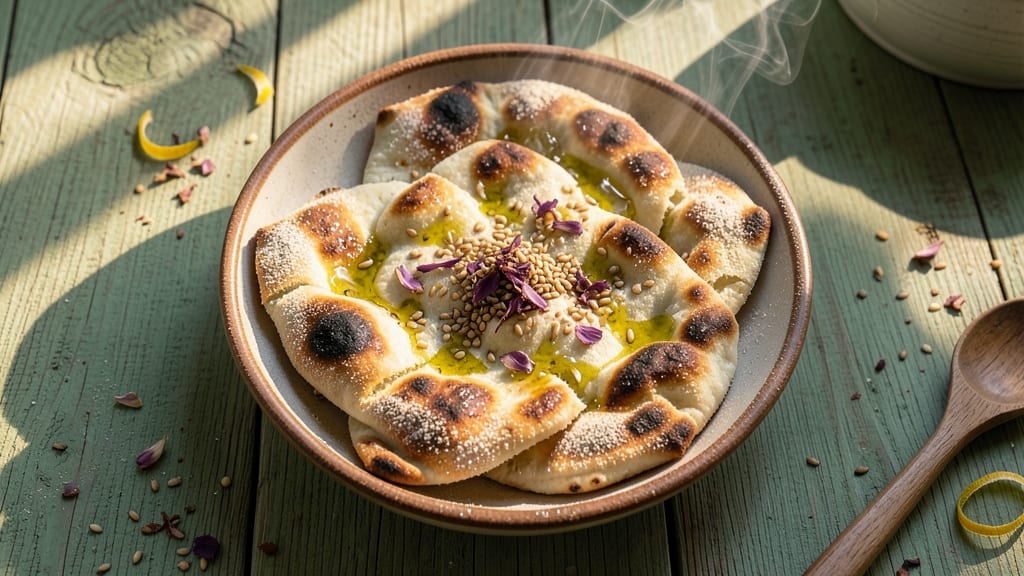
This Arabic bread recipe without yeast delivers authentic, flaky flatbreads in just 10 minutes—no waiting for dough to rise. The secret lies in a simple dough of flour, water, and salt, shaped and baked to perfection, just like the traditional khobz and manakeesh served across the Middle East.
Whether you're hosting a meal or craving a taste of home, this method brings restaurant-quality texture and flavor to your kitchen without the fuss of yeast.
The beauty of this recipe is its simplicity: no yeast means no waiting, and no special equipment is needed beyond a hot pan or oven. The dough comes together in minutes, and the shaping technique ensures those signature crispy edges and soft centers that define great Arabic bread.
Perfect for serving with soups, dips, or as a side to grilled meats, this bread is as versatile as it is delicious.
What sets this recipe apart is the authentic cultural touch—the way the dough is rolled thin and baked quickly to achieve that perfect balance of crispness and tenderness. The result is bread that’s light yet sturdy, with a subtle nutty flavor from the flour.
No yeast means no risk of failure, and no need to plan ahead—just mix, shape, and bake.
Whether you're new to baking or a seasoned pro, this recipe is foolproof and adaptable. Use it for everyday meals or special occasions, and enjoy the satisfaction of making bread that tastes like it came from a bustling Arabic bakery. Let’s get started!
Ingredients for arabic bread recipe without yeast
Four simple ingredients transform into restaurant-quality Arabic flatbreads in minutes.
| Ingredient | Amount | Notes |
|---|---|---|
| All-Purpose Flour 🌾 | 2 cups | Plus 2 tbsp for dusting |
| Warm Water 💧 | 1 ½ cups | 105°F-110°F (40°C-43°C) |
| Salt 🧂 | ½ tsp | Fine sea salt preferred |
| Extra-Virgin Olive Oil 🫒 | 1 tbsp | For dough and brushing |
| Semolina Flour 🌾 | ¼ cup | For dusting and rolling |
| Sesame Seeds 🌰 | 1 tbsp | Optional for topping |
| Ground Cumin 🌿 | ¼ tsp | Authentic Middle Eastern touch |
| Garlic Powder 🧄 | ¼ tsp | For subtle flavor depth |
The flour is your foundation—King Arthur or Gold Medal work best for that signature tender crumb. Warm water is critical: too cold and the dough won't activate properly. If you don't have a thermometer, warm your water until it feels like bathwater but not scalding. For the olive oil, California Extra Virgin adds a pleasant fruity note, but any good-quality oil will work. The semolina is non-negotiable for that professional bakery texture—it prevents sticking and adds just the right crispness. If you can't find semolina, all-purpose flour mixed with a pinch of cornstarch is a decent substitute.
No sesame seeds? Poppy seeds or everything bagel seasoning work beautifully. The cumin and garlic powder are optional but recommended for authentic flavor—Penzeys brand is my go-to for spices. For the dough, you'll want to handle it gently but confidently. If the dough feels too sticky, add a teaspoon more flour at a time. The key is to roll it thin enough for quick cooking but not so thin it tears. A rolling pin with a smooth surface works best, but even a clean wine bottle will do in a pinch. The dough should be about 1/8-inch thick when rolled.
Freshly made dough keeps for 2 days wrapped in plastic in the fridge, but it's best used immediately. For longer storage, shape the dough into balls, wrap tightly, and freeze for up to 3 months. Thaw at room temperature before rolling. These flatbreads reheat beautifully—wrap them in a clean kitchen towel and warm in a dry skillet for 30 seconds on each side. They also freeze perfectly after baking, so make a batch ahead for busy days. The bread is at its best when served warm, straight from the pan.
Why You'll Love This Recipe
- I’ll be real: this dough comes together in five minutes—just flour, water, and a pinch of salt. No waiting for yeast to rise, no kneading until my hands ache. Honestly, the only effort is stretching it thin enough to hear it snap when you toss it.
- No Yeast, No Stress: I’ll be real: this dough comes together in five minutes—just flour, water, and a pinch of salt. No waiting for yeast to rise, no kneading until my hands ache. Honestly, the only effort is stretching it thin enough to hear it snap when you toss it.
- Crispy-Gold Magic: That semolina dusting? It’s the secret weapon. The edges turn into shatteringly crisp paper-thin layers while the inside stays soft—like a cross between a flatbread and a cracker. Drizzle it with olive oil while warm, and suddenly everything tastes like a Mediterranean sunset.
- Weeknight Workhorse: Breakfast? Wrap it around feta and cucumbers. Lunch? Stuff it with grilled chicken and tahini. Leftovers? Toss a few in the freezer—just reheat until crispy. Between us, I’ve used this bread for everything from sandwiches to dessert (yes, even ice cream scoops).
Step-by-step instructions for Arabic bread without yeast
Master this quick flatbread technique for consistently tender, aromatic breads every time.
Mix the Dough with Warm Water
In a large mixing bowl, combine the 2 cups all-purpose flour, 0.5 tsp salt, 0.25 tsp ground cumin, and 0.25 tsp garlic powder. Create a well in the center and pour in the 1.5 cups warm water (between 105°F-110°F) and 1 tbsp extra-virgin olive oil. The water temperature is critical—too hot and the dough will overwork; too cold and it won't activate properly.
Using a wooden spoon or your hands, gently mix the ingredients until a shaggy dough forms. Avoid overmixing at this stage—you want to preserve the gluten development for later. The dough should be soft but not sticky; if it clings to your fingers, add an extra tablespoon of flour. Let the dough rest for 5 minutes while you prepare your workspace.
Knead and Shape the Dough
Lightly dust a clean surface with 2 tbsp semolina flour (from the 0.25 cup total) to prevent sticking. Turn out the dough and knead gently for 3-4 minutes until smooth and elastic. You're not creating gluten like with yeast bread—just enough to make the dough cohesive. If the dough feels too dry, add 1 tsp warm water at a time until it becomes pliable.
Divide the dough into 4 equal portions (about 6 ounces each). Roll each portion into a smooth ball, then flatten slightly into a disc about ½-inch thick. Cover with a damp towel to keep them soft while you cook. This shaping ensures even thickness when baking, which prevents uneven cooking.
Cook on a Dry Skillet
Heat a 10-inch cast-iron skillet or nonstick pan over medium-high heat until very hot. You'll know it's ready when a drop of water sizzles and dances across the surface. Place one dough disc in the pan and cook for 1-2 minutes until bubbles form on the surface and the bottom turns golden brown.
Using a thin metal spatula, carefully flip the bread and cook for another 1-2 minutes until the second side is golden brown and puffed slightly. Transfer to a clean kitchen towel to keep warm. Repeat with the remaining dough discs, working in batches if needed. The high heat creates that signature crispy exterior while keeping the interior tender.
Finish with Semolina and Toppings
While the breads are still hot, lightly brush the tops with a thin layer of extra-virgin olive oil using a pastry brush. Then dust generously with the remaining semolina flour (about 2 tbsp) and sprinkle with 1 tbsp sesame seeds. This not only adds texture and flavor but also prevents the bread from drying out.
Serve immediately while still warm. The bread should be soft and slightly chewy inside with a crisp exterior. If you're making extra, store them in an airtight container for up to 3 days or freeze for longer storage. Reheat in a dry skillet for 30 seconds per side to restore crispness.
Pro Tips For Making Arabic Bread Recipe Without Yeast
- STRETCH THE DOUGH LONG: I learned this the hard way—skipping the 10-15 minute kneading by hand makes the bread dense. Use your knuckles to press and fold the dough repeatedly until it’s smooth and slightly springy. The extra work pays off with a lighter, more tender crumb.
- SALT THE WATER FIRST: Dissolve the salt in the warm water before mixing it with flour—this ensures even distribution. I used to add it later and ended up with uneven flavor and a slightly bitter bite. Trust me, a pinch in the water makes all the difference.
- DON’T OVERWORK THE SEMOLINA: Sprinkle semolina lightly on the dough ball, just enough to prevent sticking—about 1 tablespoon. Too much, and you’ll end up with a dry, crumbly mess. Less is more, even if it feels counterintuitive.
- SEAR ON HIGH HEAT: Get that skillet screaming hot before adding the dough. I was skeptical until I tried it—this creates a crispy, golden crust on the bottom while keeping the inside soft. A quick 30-second sear per side is all you need.
Flavor customization for these flavors
Spiced Variations
For a Middle Eastern twist, add ½ tsp smoked paprika and ¼ tsp coriander to the dough for a deeper, earthy flavor. I love using Penzeys brand spices for their vibrant taste.
Another favorite is za’atar seasoning—sprinkle 1 tsp on the dough before rolling, then bake as usual. The herbs add a fragrant complexity that pairs perfectly with hummus or labneh. 🌿
Herb-Infused Dough
Fresh herbs elevate this bread to restaurant quality. Try 1 tbsp finely chopped mint or parsley mixed into the dough for a bright, fresh note. For a garlic-herb version, blend 2 cloves roasted garlic with 1 tbsp olive oil, then brush it on the baked bread.
This works especially well with grilled meats or roasted vegetables. The herbs keep the bread moist while adding layers of flavor.
Sweet Adaptations
Skip the spices and sweeten the dough with 1 tbsp honey or maple syrup for a Moroccan-inspired sweet bread. After baking, drizzle with warm honey and sprinkle with crushed pistachios for a dessert-worthy treat.
This version pairs beautifully with mint tea or date-filled pastries. For extra richness, add 1 tbsp melted ghee to the dough instead of olive oil—it gives a luxurious, buttery finish. 🍯
Savory Toppings
After baking, experiment with savory toppings like crumbled feta cheese or caramelized onions. For a spicy kick, mix ½ tsp cayenne pepper with 1 tbsp olive oil and brush it on the warm bread.
Another crowd-pleaser is za’atar and olive oil—just drizzle 1 tbsp olive oil over the bread and sprinkle with 1 tsp za’atar. The combination of crispy bread, tangy cheese, and aromatic spices creates a flavor explosion. 🌶️
Gluten-Free Option
For a gluten-free version, replace the all-purpose flour with a 1:1 gluten-free flour blend like Bob’s Red Mill. Add 1 tbsp xanthan gum to improve texture and bind the dough. Keep the water amount the same, but you may need to adjust slightly—gluten-free dough tends to be stickier.
The result is a lighter, crispier bread that still holds up well. This works perfectly for those with gluten sensitivities or celiac disease. 💪
Nutty Crunch
Add texture with toasted nuts like chopped walnuts or almonds. Fold 2 tbsp finely chopped nuts into the dough before shaping, or sprinkle them on top after baking.
For a pesto twist, blend 1 tbsp basil pesto with 1 tbsp olive oil and brush it on the baked bread. The nutty, herby flavors add depth and make this bread feel like a gourmet creation. 🌰
Nutrition facts
Frequently asked questions
Why does this recipe use warm water instead of cold?
Warm water (105°F-110°F) activates the flour's enzymes more effectively, creating a smoother dough with better texture. Cold water would make the dough tough and difficult to work with, while hot water could overcook the flour proteins. The gentle warmth helps develop just enough structure for perfect flatbreads without yeast's rising time.
Can I make this bread in a traditional clay oven (tannour) instead of a skillet?
For a tannour experience, roll the dough into oval shapes and bake at 450°F for 2-3 minutes until puffed and golden. The high heat creates that signature crispy exterior. If your oven isn't hot enough, preheat it with a baking stone for 30 minutes first. The bread will have a slightly different texture but still delicious.
What if my dough feels too sticky or dry?
If too sticky, add 1 tbsp flour at a time until pliable. For dry dough, mix in 1 tsp warm water. The ideal consistency is soft but not tacky—like playdough. Overworking the dough can make it tough, so handle gently. The 5-minute rest after mixing helps balance the texture.
How do I store these flatbreads to keep them fresh?
Store in an airtight container at room temperature for 3 days or freeze for 3 months. To reheat, wrap in a kitchen towel and warm in a dry skillet for 30 seconds per side. For extra crispiness, place under a broiler for 1 minute. The towel prevents sogginess while restoring that bakery-fresh crunch.
Can I make this bread without semolina flour?
Yes! Replace semolina with all-purpose flour mixed with 1 tsp cornstarch for rolling. For dusting, use rice flour or extra all-purpose flour. The texture will be slightly less crisp, but still delicious. Semolina adds that signature crunch, but this substitution works in a pinch.