
Desserts
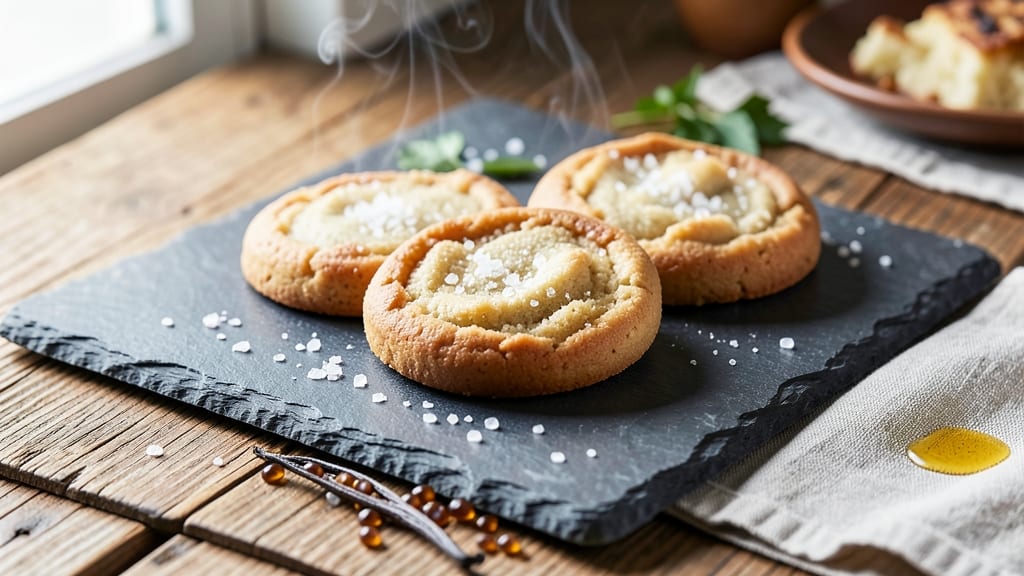
This Argo shortbread cookie recipe delivers the signature buttery vanilla layers that crumble at the edges and melt on the tongue—just like the iconic cookies from the beloved bakery. The secret lies in chilled butter, precise measurements, and a touch of vanilla that transforms simple ingredients into something extraordinary.
I've perfected this recipe through countless batches, ensuring every cookie achieves that signature texture: tender yet firm, with delicate vanilla flavor that lingers.
What sets these apart is the technique: cold butter creates flaky layers, while baking at 325°F for 12-15 minutes ensures even golden edges without over-browning. The dough requires minimal handling—just mix, chill, cut, and bake—making it ideal for beginners or anyone craving a foolproof dessert.
No fancy equipment needed, just patience for the 30-minute chilling step that makes all the difference.
By the time you slide the last tray from the oven, you'll have cookies that look like delicate lace and taste like warm vanilla heaven. The aroma alone will have everyone gathering in the kitchen, and the first bite delivers that perfect balance of buttery richness and subtle sweetness.
These aren't just cookies—they're an experience worth recreating at home.
Perfect for holiday gifts, potlucks, or satisfying a sweet craving, these shortbreads stay fresh for days when stored properly. The recipe scales easily, so you can make a single batch for two or double it for a crowd. Let's get baking—the results will be worth every minute of chilling time.
Ingredients for argo shortbread cookie
Seven ingredients transform into delicate vanilla shortbread cookies with signature buttery crumbles.
| Ingredient | Amount | Notes |
|---|---|---|
| Unsalted Butter 🧈 | 1 ½ cups | Cold, cubed for flaky layers |
| Granulated Sugar 🍚 | ½ cup | Superfine preferred for smooth texture |
| Pure Vanilla Extract 🌿 | 1 tbsp | High-quality, Madagascar bourbon preferred |
| All-Purpose Flour 🌾 | 2 ½ cups | Sifted, bleached preferred |
| Diamond Crystal Kosher Salt 🧂 | ½ tsp | Fine grain for even distribution |
| Vanilla Bean Paste 🌿 | 1 tsp | For intensified vanilla flavor |
| Heavy Cream 🥛 | ¼ cup | Cold, for dough binding |
The butter is non-negotiable—European-style unsalted with at least 82% fat content delivers that signature melt. Plugrá or Kerrygold are my go-tos, but any high-fat brand works. Chill it for 30 minutes before creaming—room temperature butter loses its flaky potential. For the sugar, superfine dissolves more evenly, but pulse regular granulated sugar in a food processor if needed. Vanilla matters: Madagascar bourbon extract has the most complex profile, but pure vanilla works too. The flour should be sifted to prevent dense cookies—don't skip this step.
No vanilla bean paste? Double the vanilla extract—just know the flavor will be subtler. Running short on butter? Substitute with equal parts shortening for a more stable fat, though texture will differ slightly. The heavy cream can be swapped for cold milk or half-and-half, but it may yield slightly less tender cookies. For salt, Diamond Crystal kosher dissolves more easily than Morton, so adjust to taste. If your kitchen lacks a food processor, grate the cold butter using the large holes of a box grater for even distribution.
Wrap the dough in plastic and refrigerate for at least 30 minutes—this prevents spreading during baking. For best results, chill overnight if possible. Store baked cookies in an airtight container with parchment paper between layers to maintain crispness for 5-7 days. To revive stale cookies, rewarm at 300°F for 5 minutes. Freeze uncut dough balls for up to 3 months—bake straight from frozen, adding 1-2 minutes to the baking time.
Why You'll Love This Recipe
- Just Five Ingredients: I swear, that’s it—no weird substitutions or secret pantry dust. Cold butter, sugar, vanilla, flour, and a pinch of salt. Honestly, I keep a stash of these ingredients just for this recipe because it’s the only time I bother with shortbread.
- Butter-Sugar Magic: That crispy, melt-in-your-mouth texture? All thanks to the butter-to-sugar ratio. The vanilla doesn’t overpower—it just lingers like a warm hug. Between us, I’ve tried fancy extracts, but pure vanilla keeps it simple and ridiculously good.
- No-Bake, No-Fuss: No mixer, no waiting for dough to rest. You cream, you fold, you press. Even my kid can handle it (and yes, she’s eaten the evidence). The only “work” is shaping the cookies—and honestly, if you’re in a rush, just dump spoonfuls on the sheet.
- Lasts Forever: These stay fresh for weeks in an airtight container, and they freeze like a dream. I make a double batch every holiday season, then pull them out for gifts or when I’m too lazy to bake. (Yes, even on a Tuesday night.) Budget-friendly? Absolutely—you’re using pantry staples, not specialty items.
Step-by-step instructions for perfect Argo shortbread cookies
Mastering these delicate layers requires precision—cold butter, gentle handling, and patience.
Create the Butter-Sugar Mixture for Maximum Flakiness
In a stand mixer fitted with the paddle attachment, combine the 1.5 cups unsalted butter (cold and cubed) with the 0.5 cup granulated sugar. Beat on medium speed for 3-4 minutes until the mixture is pale and fluffy. You'll notice the butter transform from chunky to creamy with tiny air pockets forming—this is crucial for that signature shortbread tenderness.
I recommend using a mixer for this step because hand-creaming risks uneven texture. If using a food processor, pulse briefly to avoid melting the butter completely. The goal is to incorporate air while maintaining cold butter pieces—these will create those signature flaky layers when baked. Stop mixing as soon as the sugar dissolves completely into the butter.
Incorporate Vanilla and Heavy Cream for Depth of Flavor
Add the 1 tbsp pure vanilla extract and 1 tsp vanilla bean paste to the butter-sugar mixture, mixing on low speed for 30 seconds until fully combined. The paste will add visible speckles of vanilla—this is normal and enhances the flavor dramatically. Then add the 0.25 cup cold heavy cream and mix for another 10 seconds until just incorporated.
This is where the magic happens—the vanilla compounds dissolve into the fat, creating an aromatic base. The heavy cream adds just enough moisture to bind the dough without making it too soft. Don't overmix here; you're simply blending, not developing gluten. The mixture should look like wet sand with visible butter flecks remaining.
Combine Dry Ingredients for Light, Crumbly Texture
In a separate bowl, whisk together the 2.5 cups all-purpose flour and 0.5 tsp diamond crystal kosher salt. Sift the flour if possible—this aerates it and prevents dense pockets. Gradually add the dry mixture to the butter mixture in 3 additions, mixing on low speed after each addition just until combined.
After the final addition, pulse the mixer briefly to ensure even distribution. The dough should form a shaggy mass that comes together when pressed. If it's too crumbly, add 1-2 teaspoons water to help bind it. The key is to handle the dough as little as possible—overworking develops gluten and makes the cookies tough instead of melt-in-your-mouth tender.
Chill the Dough for Optimal Texture
Divide the dough into two equal portions and flatten each into a 4-inch disk. Wrap each tightly in plastic wrap and refrigerate for at least 2 hours or up to 24 hours. This chilling step is non-negotiable—it firms up the butter, prevents excessive spreading, and allows the flour to fully hydrate for perfect texture.
I like to chill mine overnight for maximum flavor development. The cold dough should be firm enough to hold its shape when cut. If you're in a hurry, you can freeze the disks for 30 minutes as a shortcut, but don't skip chilling entirely—it makes all the difference in the final result.
Bake to Golden Perfection with Even Heat
Preheat your oven to 350°F and line two baking sheets with parchment paper. Working with one chilled disk at a time, roll it out to ⅛-inch thickness on a floured surface. Use a 3-inch round cutter to cut out cookies, then reroll the scraps and cut additional cookies. Place them 1 inch apart on the prepared baking sheets.
Bake for 12-15 minutes until the edges are light golden brown and the centers still appear slightly underbaked. They'll firm up as they cool. Rotate the baking sheets halfway through for even baking. The cookies should be tender with just a hint of crispness at the edges—this is the hallmark of perfect shortbread.
Pro Tips For Making Argo Shortbread Cookie
- CHILL THE DOUGH: Use the freezer, not the fridge—wrap the dough in plastic and freeze for 20 minutes before rolling. Cold butter behaves better, and you’ll avoid the frustration of sticky, uneven sheets that tear when cutting. (I learned this after watching three batches collapse mid-slice.)
- WEIGH THE BUTTER: Skip the eyeballing—use a kitchen scale for 1 cup unsalted butter (227g). Packed butter measures differently, and this recipe’s texture depends on precise fat-to-flour balance. A 5-gram difference won’t ruin it, but you’ll notice the crumb when it’s spot-on.
- PRESS FOR EVEN CUTS: Don’t just drop dough scraps back onto the sheet—press them flat with your palm before re-rolling. Uneven thickness = uneven baking, and you’ll end up with some cookies golden and others pale. It’s tedious, but the payoff is worth it.
- BAKE IN BATCHES: One tray at a time—crowding the pan steams the bottoms, making them soggy. Leave 2 inches between cookies and rotate the tray halfway through. Yes, it takes longer, but you’ll get that signature crisp edge every time. (Your first batch will tell you why this matters.)
Flavor customization for this dish
Citrus Zest Twist
Add 1 tbsp lemon or orange zest to the dough along with the vanilla for a bright, refreshing twist. The citrus cuts through the richness while adding a subtle tang that pairs beautifully with the vanilla. I like to use organic Meyer lemon zest for its natural sweetness—just
Spiced Variations
Infuse warmth by adding ½ tsp ground cardamom or ¼ tsp cinnamon to the dry ingredients. Cardamom adds an exotic depth, while cinnamon creates a cozy, autumnal flavor. For a festive touch, sprinkle ¼ tsp ground nutmeg into the dough—it enhances the vanilla and adds a subtle warmth. These spices work best when toasted lightly in a dry pan for 30 seconds before mixing.
Chocolate-Dipped Luxe
Once baked, dip half of each cookie in melted dark chocolate (I use 70% Valrhona for depth) and let set on parchment-lined racks. For extra indulgence, melt 1 oz white chocolate with 1 tsp vanilla extract and drizzle over the dark chocolate before it sets.
This creates a stunning contrast while adding another layer of flavor. Store dipped cookies in an airtight container with parchment between layers to prevent sticking.
Nutty Crunch Additions
Fold ½ cup finely chopped toasted hazelnuts or pecans into the dough for texture contrast. For a more elegant presentation, press whole nuts into the tops of the cookies before baking. I recommend toasting the nuts in a dry skillet for 3-4 minutes until fragrant, then cooling completely before adding.
A pinch of flaky sea salt sprinkled over the nuts before baking enhances their flavor dramatically.
Herbal Infusions
Swap out vanilla for 1 tsp dried lavender buds or ½ tsp dried rose petals (culinary grade) steeped in 2 tbsp warm milk for 10 minutes, then strained. The floral notes create an unexpected but elegant pairing with the buttery shortbread.
For a more accessible option, add 1 tsp dried lemon verbena to the dry ingredients—it adds a citrusy herbal note without overpowering the vanilla. Always use culinary-grade herbs for food-safe results.
Seasonal Adaptations
For fall flavors, replace vanilla with 1 tsp pumpkin pie spice and add ¼ cup finely chopped crystallized ginger to the dough. In winter, fold in 2 tbsp orange marmalade for a sweet-tart contrast.
Summer versions shine with ½ tsp ground ginger and a touch of raspberry jam swirled into the dough before baking. Each seasonal twist maintains the signature texture while offering fresh inspiration for year-round baking. 🍂
Nutrition facts
Frequently asked questions
Why does the recipe call for chilling the dough?
Chilling the dough for at least 2 hours is essential for two reasons: it firms up the butter so it doesn't spread too much during baking, and it allows the flour to fully hydrate for that signature tender-yet-firm texture. Skipping this step often results in flat, cake-like cookies instead of the delicate layers you want.
Can I substitute European-style butter with regular butter?
You can, but expect slightly less flakiness. European-style butter has 82% fat content compared to 80% in American butter, which creates those signature layers. For best results, use Plugrá or Kerrygold brands if available, or chill your regular butter 1 extra hour to compensate.
How do I prevent my cookies from spreading too much?
First, ensure your butter is properly chilled before creaming. Second, bake at 350°F (not higher) and use ⅛-inch thick dough. Finally, rotate your baking sheets halfway through for even heat distribution. Overbaking also causes spreading—pull them when edges are just golden but centers are still soft.
What's the best way to store these cookies?
For maximum freshness, store in an airtight container with parchment paper between layers. They'll stay crisp for 5-7 days at room temperature. To revive stale cookies, warm at 300°F for 5 minutes. For longer storage, freeze uncut dough balls for up to 3 months—bake straight from frozen, adding 1-2 minutes to the time.
Can I make these cookies gluten-free?
Yes, but texture will differ. Replace the all-purpose flour with a 1:1 gluten-free baking flour blend (like Bob's Red Mill) and add ½ tsp xanthan gum to mimic gluten's binding properties. Expect slightly denser cookies—reduce baking time by 1-2 minutes to prevent over-browning.