
Desserts
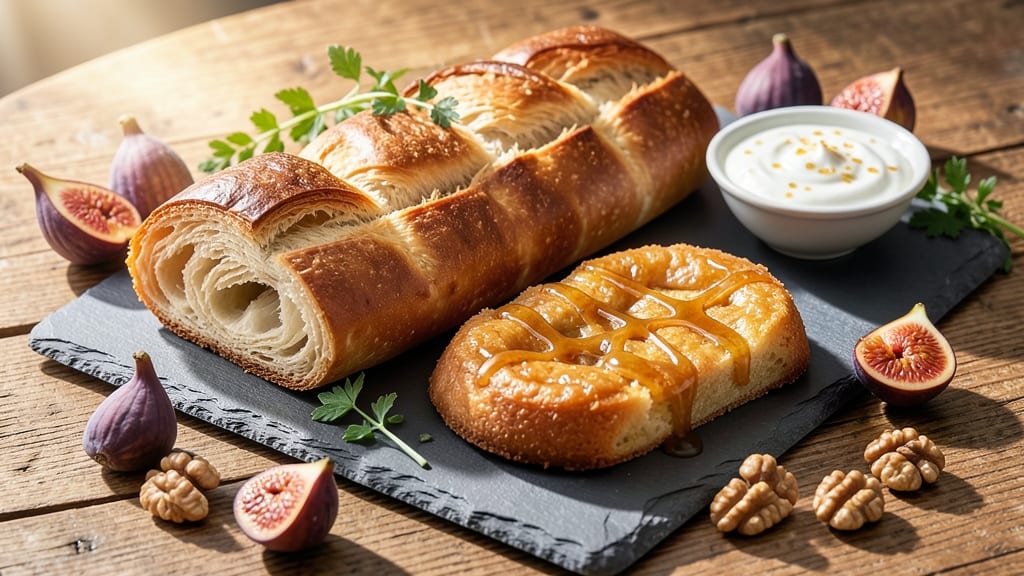
This Armenian sweet bread recipe brings the golden, honey-kissed tradition of lavash to your kitchen with buttery layers that melt in your mouth. 💛 The secret lies in a delicate balance of flour, yogurt, and a touch of kefir—ingredients that create a dough so tender it practically dissolves on your tongue.
Unlike its savory cousin, this version embraces sweetness with honey infused throughout, transforming a simple loaf into something truly special.
The dough starts with a foolproof method that requires minimal effort but yields maximum flavor—no fancy equipment, just patience and a light hand.
Traditional Armenian baking techniques ensure a crisp exterior with a soft, pillowy interior, while the honey adds a subtle sweetness that pairs perfectly with tea or as a standalone treat.
What makes this recipe stand out is its versatility: serve it fresh from the oven, toasted for crunch, or even layered with jam for a decadent dessert.
What you’ll achieve is a golden-brown loaf with layers so tender they’re almost imperceptible, all while keeping the traditional Armenian soul intact. The aroma alone—warm, buttery, with hints of honey—will transport you straight to the streets of Yerevan.
This isn’t just bread; it’s a taste of heritage, a celebration of simplicity, and a dessert that feels like a hug.
Perfect for breakfast, a sweet snack, or even as a gift-worthy treat, this recipe scales beautifully—whether you’re baking for one or feeding a crowd. The best part?
Once you master the dough, you’ll find endless ways to adapt it: add nuts for texture, drizzle with melted butter, or serve with a sprinkle of cinnamon. Let’s get started on creating something truly extraordinary.
Ingredients for armenian sweet bread
Buttery layers, honey-kissed dough, and just six ingredients transform your kitchen into Armenia's streets.
| Ingredient | Amount | Notes |
|---|---|---|
| All-Purpose Flour 🌾 | 4 cups | Sifted for light texture |
| Unsalted Butter 🧈 | 1 cup | Cold, cubed for dough layers |
| Plain Yogurt 🥛 | 1 cup | Full-fat for richness |
| Kefir 🥛 | ½ cup | Traditional Armenian tang |
| Granulated Sugar 🍚 | ¼ cup | Adjust for sweetness |
| Honey 🍯 | ½ cup | Wildflower preferred |
| Large Eggs 🥚 | 2 whole | Room temperature |
| Active Dry Yeast 🍞 | ¼ oz | 1 packet (2.25 tsp) |
| Salt 🧂 | ½ tsp | Fine sea salt |
| Vanilla Extract 🌸 | 1 tsp | Pure vanilla flavor |
| Ground Cinnamon 🌿 | ½ tsp | Optional for warmth |
| Toasted Walnuts 🥜 | ½ cup | Chopped for texture |
The butter is non-negotiable here—European-style unsalted gives the best flavor without overpowering. Plugrá or Kerrygold are my go-tos, but any good brand works. The yogurt and kefir combo is traditional—Greek-style yogurt works if kefir’s hard to find, but the tang is key. For the flour, King Arthur or Gold Medal are reliable, but sift it well to avoid dense bread. Honey? Local wildflower adds depth, but clover works too. The walnuts should be toasted until golden—5 minutes in a dry pan—for maximum crunch.
No kefir? Substitute with extra yogurt (same amount) or even buttermilk in a pinch. Out of vanilla? Almond extract at half the amount works, but the flavor shifts. The cinnamon is optional but adds warmth—Ceylon cinnamon is the best kind. For a nut-free version, skip the walnuts and add chopped dried apricots instead. The yeast is active dry, not instant—proof it in warm milk first if your kitchen runs cold. And if you’re baking at high altitude, reduce the yeast by 25%.
This dough keeps beautifully—3 days wrapped in the fridge or 3 months frozen in portions. For freezing, wrap each loaf tightly in plastic and foil. To reheat, 5 minutes at 350°F restores that golden crunch. The bread freezes even better than it keeps fresh, so make a double batch. Store the honey in the fridge after opening to prevent crystallization—microwave 10 seconds to soften before using. The walnuts? Keep them in the freezer to preserve freshness.
Why You'll Love This Recipe
- No-Yeast Magic: The dough comes together in five minutes—just flour, butter, yogurt, and kefir. No waiting for yeast to rise, no last-minute panic. Honestly, I’ve made this on days I forgot to take bread out of the freezer, and it still turns out golden and flaky.
- Butter-Sugar Crunch: That crispy, caramelized crust? Pure reward. The sugar melts into the butter while baking, giving it this irresistible snap—like a cross between a brioche and a cookie. (Yes, even on a Tuesday night.)
- Breakfast or Snack Star: Slice it toasted for breakfast with jam, pack it in lunchboxes, or serve warm with honey at brunch. It’s my go-to when I need something that feels special but doesn’t require a fancy occasion.
- Pantry-Friendly & Frugal: Uses staples you already have—no specialty ingredients, no waste. A single batch stretches for days: toast leftovers, freeze extras, or repurpose as a quick dessert base. Between us, this is how I stretch my grocery budget without sacrificing taste.
Step-by-step instructions for Armenian sweet bread
Let's create this flaky, honey-kissed bread with layers that'll melt in your mouth.
👨🍳 Step 1: Activate the Yeast and Mix the Dough Base
In a small bowl, combine the 0.5 cup kefir with 0.25 cup granulated sugar and 0.25 oz active dry yeast. Let this sit for 5-10 minutes until it becomes frothy—this shows your yeast is alive and ready to work. If it doesn't bubble, your yeast might be dead, and you'll need to start over.
In a large mixing bowl, whisk together the 4 cups all-purpose flour (sifted for that light texture), 0.5 tsp salt, and 0.5 tsp ground cinnamon. Make a well in the center and pour in the yeast mixture, 1 cup plain yogurt, and 1 tsp vanilla extract. Mix with a wooden spoon until a shaggy dough forms. Here's the thing—don't overmix or you'll develop too much gluten and lose that tender crumb we're after.
🍳 Step 2: Incorporate Butter and Knead the Dough
Add the 1 cup cold, cubed unsalted butter to the dough and use your hands to work it in. I like to press the butter pieces into the dough first, then knead until fully incorporated. The butter should be cold enough to hold its shape but soft enough to mix in smoothly—this creates those beautiful flaky layers later.
Turn the dough onto a lightly floured surface and knead gently for 8-10 minutes until smooth and elastic. You'll know it's ready when it springs back slowly when poked. Don't worry if it feels slightly sticky—that's normal with this rich dough. Shape it into a ball, place it back in the bowl, cover with a damp towel, and let it rise in a warm place for 1-1.5 hours or until doubled in size. This first rise develops the flavor and helps the dough relax for easier handling.
🥘 Step 3: Prepare the Filling and Shape the Lavor
While the dough rises, let's make the filling. In a small bowl, mix together the 0.5 cup honey and 0.5 cup toasted walnuts. The walnuts should be cool but not hot—just enough to release their toasted aroma. Set this aside until the dough is ready.
Once your dough has risen, punch it down to release the air and divide it into 6 equal pieces (about 6 ounces each). Roll each piece into a 12-inch rope about ½-inch thick. Here's where it gets fun—lay three ropes parallel to each other on a parchment-lined baking sheet. Spread one tablespoon of the honey-walnut mixture down the center of each rope. Then carefully fold the ropes over the filling to create three sealed packages. Repeat with the remaining dough to make three more packages.
🔥 Step 4: Proof and Bake to Golden Perfection
Cover the shaped lavors with a damp towel and let them proof for another 30-45 minutes until they've risen noticeably. The dough should feel firm to the touch but still slightly springy. Preheat your oven to 375°F while the lavors proof—this ensures they go straight into a hot oven when ready.
Bake the lavors for 25-30 minutes until they're deep golden brown on top and the internal temperature reaches 190°F. You'll know they're done when they sound hollow when tapped on the bottom. The aroma in your kitchen will be incredible—honey, toasted walnuts, and warm bread all mingling together. Let them cool on a wire rack for 10 minutes before slicing—this prevents them from falling apart when you cut into that tender interior.
Pro Tips For Making Armenian Sweet Bread
- Chill the Dough Properly: Armenian sweet bread needs a real cold rest—at least 2 hours in the fridge, ideally overnight. I used to skip this and wondered why my loaves turned dense or spread unevenly. Cold butter stays firm, and the gluten relaxes properly. Trust me, the difference in texture is night and day.
- Use Room-Temp Butter: Softened butter (not melted!) mixes better with the yogurt and kefir, giving you that signature tender crumb. I learned this after fighting with clumpy dough—just let the butter sit out for 30 minutes before creaming. No one likes fighting their ingredients.
- Don’t Overmix the Dough: Once you add the flour, stop mixing the second everything comes together. Overworking it makes the bread tough, and this recipe relies on that delicate, slightly crumbly texture. Fold just until combined—your hands will know when to quit.
- Bake with Steam First: Armenian sweet bread loves steam for that perfect rise. Pour a cup of boiling water in a tray on the lower rack while preheating, then bake the loaves for the first 10 minutes. It’s a small effort that guarantees a higher, lighter crumb—no sad, flat tops here.
Best sauces and condiments for these flavors
Honey-Glazed Drizzle
Elevate your Armenian sweet bread with a warm honey glaze—simmer ¼ cup honey with 1 tsp lemon juice and ½ tsp cinnamon until it thickens slightly. Brush this over the baked lavors while still warm for a sticky, aromatic finish.
For extra richness, add 1 tbsp melted butter to the glaze. This not only enhances sweetness but also creates a beautiful golden sheen that makes your bread look restaurant-worthy. 🍯
Whipped Cream Cheese Spread
Mix 4 oz cream cheese with 2 tbsp powdered sugar and 1 tsp vanilla extract until smooth. Spread this on slices of cooled lavash for a creamy, tangy contrast to the bread’s buttery layers.
For a festive touch, fold in ½ tsp cardamom or orange zest—both pair beautifully with the honey notes. This spread is perfect for breakfast or as a dessert filling when layered with jam. 🧈
Spiced Walnut Butter
Toast ½ cup walnuts in a dry pan until fragrant, then blend with 2 tbsp honey, 1 tsp cinnamon, and a pinch of salt until smooth. Spread this nutty butter between lavash layers for a textured, flavor-packed twist.
The walnuts add crunch, while the spices deepen the bread’s warmth. Store leftovers in an airtight container for up to 1 week—it’s great on toast or yogurt too! 🥜
Rosewater-Infused Jam
Simmer 1 cup apricot jam with 1 tsp rosewater and ½ tsp ground cardamom for 5 minutes to infuse the flavors. Drizzle or spread this fragrant jam over slices of lavash for a luxurious, floral touch.
The rosewater adds a subtle Middle Eastern flair, while the jam’s tang cuts through the bread’s richness. Use 2 tbsp per serving to avoid overwhelming the dish. 🌸
Caramelized Onion Topping
Slow-cook 1 large onion, thinly sliced, in 2 tbsp butter over low heat for 30 minutes until deeply caramelized. Sprinkle with ½ tsp smoked paprika before serving on warm lavash.
The sweet, smoky onions add a savory depth that balances the honey’s sweetness. This topping works especially well with a whipped cream cheese spread for a sweet-and-savory combo. 🧅
Nutmeg-Infused Butter
Mix ½ cup softened butter with 1 tsp grated nutmeg and 1 tbsp honey, then chill until firm. Slice and serve this aromatic butter alongside lavash for spreading.
The nutmeg’s warmth complements the bread’s honey and cinnamon perfectly. For a festive presentation, shape the butter into logs and slice into ½-inch rounds before serving. 🧈✨
Nutrition facts
Frequently asked questions
Can I make this Armenian sweet bread without kefir?
If you can't find kefir, substitute it with 1 cup extra plain yogurt or ¾ cup buttermilk for the same tangy richness. The key is maintaining that slight acidity—it helps activate the yeast and creates the signature tender texture. For best results, use full-fat yogurt to preserve the bread's buttery mouthfeel.
How do I store leftover Armenian sweet bread?
Keep it fresh for 3 days wrapped tightly in plastic wrap or an airtight container at room temperature. For longer storage, freeze individual portions for up to 3 months—wrap each loaf in plastic, then foil. To reheat, warm at 350°F for 5-7 minutes until golden and crisp again. The bread actually improves after freezing!
Why did my lavash turn out dense instead of flaky?
Dense lavash usually happens from overworking the dough or using warm butter. Keep the butter cold when mixing and knead gently—just until smooth. Also, don't skip the first rise (1-1.5 hours) as this relaxes the gluten. For extra flakiness, chill the shaped lavors in the fridge for 20 minutes before baking.
Can I make this recipe with whole wheat flour?
You can substitute up to 25% whole wheat flour (1 cup) for a nuttier flavor, but don't go beyond that or the texture will become dense. For best results, replace the whole wheat with 1:1 bread flour instead—it has higher protein for better structure. The honey and butter will still shine through, but expect a slightly chewier texture.
What's the best way to serve Armenian sweet bread?
Enjoy it warm with a drizzle of honey glaze (simmer ¼ cup honey + 1 tsp lemon juice) or spread with whipped cream cheese mixed with cardamom. For a festive touch, layer with rosewater-infused jam or serve with nutmeg butter. It's perfect with afternoon tea or as a dessert with vanilla ice cream!